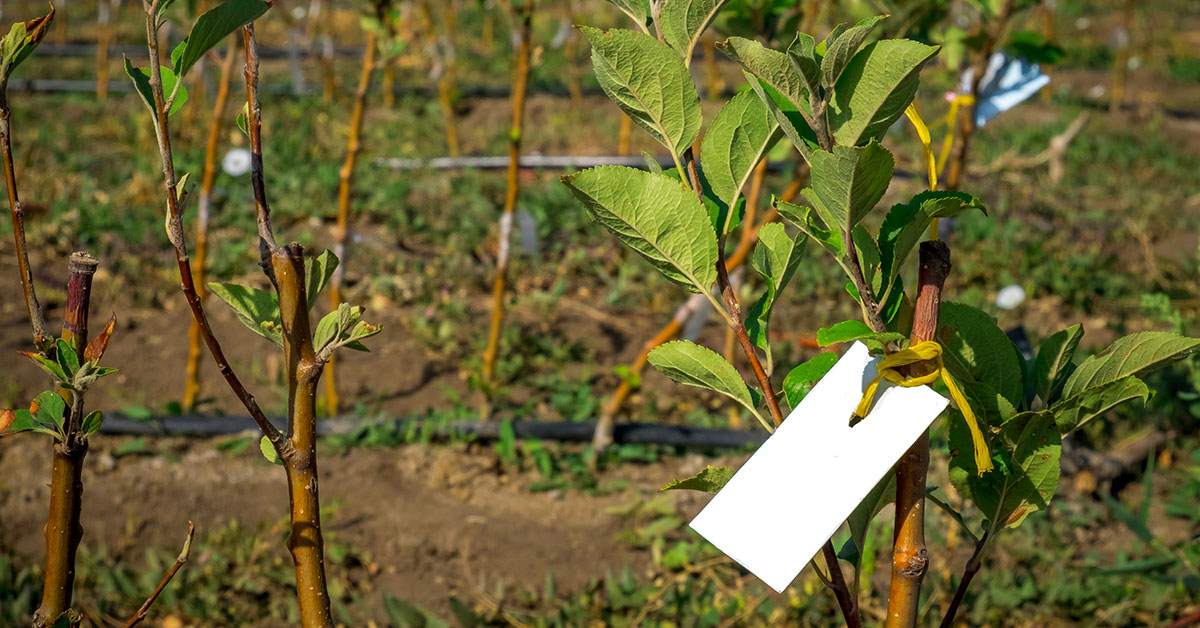

Welcome to the world of growing Taylor’s Gold Pear trees, where the beauty of golden-hued fruits meets the delight of a sweet and juicy flavor. Taylor’s Gold Pear, also known as Taylor’s Gold or Taylor’s Golden, is a remarkable variety that has gained popularity among gardeners and fruit enthusiasts alike. Originating from New Zealand, this pear tree is prized for its exceptional taste, crisp texture, and stunning appearance.
In this article, we will explore the essential aspects of growing Taylor’s Gold Pear trees, from selecting the right location and preparing the soil to nurturing the tree throughout its growth stages. Whether you are a seasoned gardener or a beginner, this guide will equip you with the knowledge and techniques needed to cultivate healthy and productive Taylor’s Gold Pear trees in your own backyard. So, let’s dive in and discover the secrets to successfully growing this remarkable pear variety.
What are Taylor’s Gold Pears?
Taylor’s Gold Pear is a variety of pear tree known for its exceptional flavor and unique golden color. It is a medium-sized fruit with a smooth, thin skin that ripens to a bright golden hue. The flesh of Taylor’s Gold Pear is juicy, sweet, and aromatic, making it a delightful treat for fresh eating or incorporating into various culinary creations.
This variety is highly regarded for its excellent texture, which is firm yet buttery, and its rich, honey-like flavor. Taylor’s Gold Pear trees are vigorous and productive, producing abundant crops of fruit that are ready for harvest in late summer to early fall. It is a versatile pear variety that is well-suited for both home gardens and commercial orchards.
What do Taylor’s Gold Pears taste like?
Taylor’s Gold Pear is known for its exceptional flavor profile. It has a sweet and juicy taste with a hint of tartness, making it a perfect balance of flavors. The flesh of the pear is smooth and buttery, melting in your mouth with each bite. The sweetness is reminiscent of honey or caramel, providing a delightful and indulgent experience for your taste buds. The pear also has a subtle floral aroma, adding to its overall sensory appeal. Overall, Taylor’s Gold Pear offers a rich and complex flavor that is highly enjoyable and satisfying.
How to start Taylor’s Gold Pears
Growing Taylor’s Gold Pear trees can be a rewarding experience. Here is a step-by-step guide to help you get started:
- Choosing the Right Location: Taylor’s Gold Pear trees thrive in full sun, so select a location in your garden that receives at least 6-8 hours of direct sunlight each day. Ensure the soil is well-draining to prevent waterlogging.
- Soil Preparation: Pear trees prefer slightly acidic to neutral soil with a pH level between 6.0 and 7.0. Test the soil and amend it if necessary by adding organic matter such as compost or well-rotted manure to improve its fertility and drainage.
- Planting: The best time to plant Taylor’s Gold Pear trees is in early spring, before new growth begins. Dig a hole that is wide and deep enough to accommodate the root ball of the tree. Place the tree in the hole, ensuring that the graft union is positioned above the soil line. Backfill the hole with soil, gently firming it around the roots.
- Watering: After planting, water the tree thoroughly to settle the soil and provide moisture to the roots. Keep the soil consistently moist but not waterlogged during the first year of growth. Established trees generally require about 1 inch of water per week, either from rainfall or supplemental irrigation.
- Pruning: Pruning is essential for shaping the tree, improving airflow, and promoting fruit production. Prune Taylor’s Gold Pear trees during the dormant season (late winter or early spring) to remove dead, damaged, or crossing branches. Maintain an open center or modified central leader shape to allow sunlight to reach all parts of the tree.
- Fertilizing: Pear trees benefit from regular fertilization to ensure healthy growth and abundant fruiting. Apply a balanced fertilizer, such as a 10-10-10 or 14-14-14 formulation, in early spring before new growth begins. Follow the manufacturer’s instructions for application rates.
- Pest and Disease Management: Pear trees are susceptible to various pests and diseases, including pear psylla, codling moth, and fire blight. Monitor your tree regularly and take appropriate measures to control pests and diseases. This may include applying organic or chemical insecticides, using pheromone traps, and practicing good sanitation by removing fallen leaves and fruit.
- Harvesting: Taylor’s Gold Pears are typically ready for harvest in late summer or early fall. The fruit should be firm but not rock hard when picked. Twist the pear gently from the branch, or use pruning shears to cut the stem close to the fruit.
Remember, growing pear trees requires patience and care. Regular maintenance, proper watering, and protection against pests and diseases will help ensure a successful harvest of delicious Taylor’s Gold Pears.
When to plant Taylor’s Gold Pears outdoors
The ideal time to plant Taylor’s Gold Pear trees is during the late winter or early spring, before the tree starts to bud and the ground becomes too warm. This is typically between February and April, depending on your specific location and climate. Planting during this time allows the tree to establish its root system before the hot summer months, ensuring better growth and survival.
Growing & care guide Taylor’s Gold Pears
Taylor’s Gold Pear is a popular variety of pear tree known for its sweet and juicy fruit. To ensure the health and productivity of your Taylor’s Gold Pear tree, it is important to follow some best practices for caring for this specific variety. Here are some guidelines to help you successfully grow and maintain your Taylor’s Gold Pear tree:
- Planting: Choose a location that receives full sun exposure for at least 6-8 hours a day. The soil should be well-draining and rich in organic matter. Before planting, ensure that the soil pH is between 6.0 and 7.0, which is optimal for pear trees. Dig a hole that is wide and deep enough to accommodate the tree’s root system. Place the tree in the hole, making sure the bud union is above the soil level. Backfill the hole with soil, gently firming it around the roots.
- Watering: Adequate watering is crucial, especially during the first few years of growth. Water deeply and regularly, ensuring the soil remains consistently moist but not waterlogged. During hot and dry periods, increase the frequency of watering. Mulching around the base of the tree with organic matter helps retain moisture and suppresses weed growth.
- Pruning: Pruning is essential for maintaining the shape, health, and productivity of your Taylor’s Gold Pear tree. Prune during the dormant season, preferably in late winter or early spring before new growth begins. Remove any dead, damaged, or diseased branches. Thin out crowded branches to improve air circulation and sunlight penetration. Maintain an open center or modified central leader shape to allow for better fruit production and easier maintenance.
- Fertilizing: Taylor’s Gold Pear trees benefit from regular fertilization to ensure optimal growth and fruit production. Apply a balanced fertilizer, such as a 10-10-10 or 14-14-14, in early spring before new growth starts. Follow the manufacturer’s instructions for application rates. Avoid over-fertilizing, as it can lead to excessive vegetative growth at the expense of fruit production.
- Pest and Disease Control: Regular monitoring is crucial to detect and address any pest or disease issues promptly. Common pests that may affect pear trees include aphids, pear psylla, and codling moth. Use organic or chemical insecticides as necessary, following the recommended application instructions. Some common diseases that may affect Taylor’s Gold Pear trees include fire blight, pear scab, and powdery mildew. Prune and remove affected branches and consider using appropriate fungicides to control these diseases.
- Harvesting: Taylor’s Gold Pears are typically ready for harvest in late summer or early fall, depending on your climate. The fruit should be firm but not hard when gently squeezed. Twist and lift the pears to harvest them, as this helps prevent damage to the tree and the fruit. Store harvested pears in a cool, dark place to ripen fully before consuming.
By following these best practices for caring for Taylor’s Gold Pear trees, you can enjoy a healthy and fruitful tree for many years to come. Remember to adapt these guidelines based on your specific climate and growing conditions.
Harvesting guide for Taylor’s Gold Pears
Taylor’s Gold Pear is a popular variety known for its sweet and juicy fruit. Harvesting Taylor’s Gold Pears at the right time is crucial to ensure optimal flavor and texture. Here’s a guide on when and how to harvest Taylor’s Gold Pears:
- Timing: The harvest time for Taylor’s Gold Pears usually falls in late summer or early fall, typically around August or September, depending on your location and climate. The exact timing may vary, so it’s essential to monitor the fruit’s ripeness.
- Color: One of the indicators of ripeness in Taylor’s Gold Pears is a change in color. The pears will transition from a greenish-yellow hue to a golden yellow color when they are ready to be harvested. However, avoid waiting until the fruit becomes fully yellow, as it may become overripe and mushy.
- Firmness: Gently press your thumb against the pear’s skin to check its firmness. Ripe Taylor’s Gold Pears should yield slightly to pressure but still have some firmness. If the fruit feels too soft or mushy, it is likely overripe and may not have the best flavor or texture.
- Stem test: Another method to determine if the pears are ready for harvest is by performing a stem test. Hold the pear in your hand and tilt it horizontally. Give it a gentle twist, and if the fruit easily detaches from the tree, it is ready to be picked. Avoid forcefully pulling or tugging on the pears, as this can damage the tree or the fruit.
- Harvesting technique: To harvest Taylor’s Gold Pears, use a pair of pruning shears or sharp scissors to cut the stem about half an inch above the fruit. This method prevents any damage to the tree or the remaining fruit. Be careful not to drop or mishandle the pears during the harvest, as they bruise easily.
- Storage: After harvesting, it’s essential to handle the pears with care to avoid bruising. Place the fruit in a single layer in a shallow container or basket to prevent them from getting squished. Store them in a cool, dark place, such as a basement or refrigerator, at a temperature of around 30-40°F (-1 to 4°C). Check the pears regularly and remove any that show signs of spoilage to prevent the spread of rot.
By following these guidelines, you can ensure a successful harvest of Taylor’s Gold Pears, allowing you to enjoy their delicious flavor and texture at their peak ripeness.