

As a dedicated gardener, you want to see your plants thrive and produce bountiful yields. It can be tempting to reach for those brightly colored, synthetic fertilizers that promise quick results. However, these blue powders and liquids might be doing more harm than good. Synthetic fertilizers can disrupt the natural balance of your soil, harm beneficial organisms, and lead to long-term damage to your garden. T
In this article, we’re going to look at the facts about synthetic fertilizers and explore natural alternatives that can help your garden flourish sustainably. We’ll discuss the impacts on soil health, plant vitality, and the broader environment. By the end, you’ll be equipped with knowledge and practical tips to nurture your garden naturally. Let’s get started on this journey to healthier, more vibrant gardening!
The Hidden Costs of Synthetic Fertilizers

Synthetic fertilizers, often recognized by their bright blue color, are designed to deliver nutrients rapidly to plants. While this can result in a quick burst of growth, it often comes at a significant cost. These fertilizers typically contain high concentrations of nitrogen, phosphorus, and potassium, but they lack the micronutrients and organic matter essential for long-term soil health. Over time, the repeated use of synthetic fertilizers can deplete the soil of its natural fertility, making it increasingly dependent on chemical inputs.
One of the most concerning effects of synthetic fertilizers is their impact on soil organisms. Healthy soil teems with beneficial bacteria, fungi, and other microorganisms that play a crucial role in nutrient cycling and plant health. Synthetic fertilizers can disrupt this delicate ecosystem, reducing biodiversity and soil health. As a result, plants may become more susceptible to diseases and pests, and the overall resilience of your garden can decline.
The Environmental Impact

The environmental consequences of synthetic fertilizers extend beyond your garden. Excess nutrients from synthetic fertilizers can leach into groundwater or run off into nearby water bodies, causing water pollution. This nutrient runoff can lead to algal blooms in rivers, lakes, and coastal areas, which deplete oxygen levels and harm aquatic life. This process, known as eutrophication, has severe ecological impacts and can create dead zones in water bodies where life cannot sustain.
Moreover, the production of synthetic fertilizers is energy-intensive and contributes to greenhouse gas emissions. Manufacturing these fertilizers often involves the use of fossil fuels, releasing carbon dioxide and other pollutants into the atmosphere. By relying on synthetic fertilizers, gardeners inadvertently contribute to environmental degradation and climate change. It’s essential to consider these broader impacts and seek more sustainable gardening practices.
Benefits of Organic Fertilizers

Unlike synthetic fertilizers, organic fertilizers are derived from natural sources such as compost, manure, bone meal, and seaweed. These organic materials provide a slow-release form of nutrients that enrich the soil over time. Organic fertilizers improve soil structure, increase water retention, and promote the growth of beneficial microorganisms. This holistic approach supports long-term soil health and sustainable plant growth.
One of the significant advantages of organic fertilizers is their ability to provide a balanced range of nutrients. They contain not only the primary macronutrients (N-P-K) but also essential micronutrients like calcium, magnesium, and iron. This comprehensive nutrient profile ensures that plants receive everything they need for optimal health and resilience. Additionally, organic fertilizers are less likely to cause nutrient imbalances or toxicity, making them a safer choice for your garden.
Composting: A Natural Fertilizer Solution
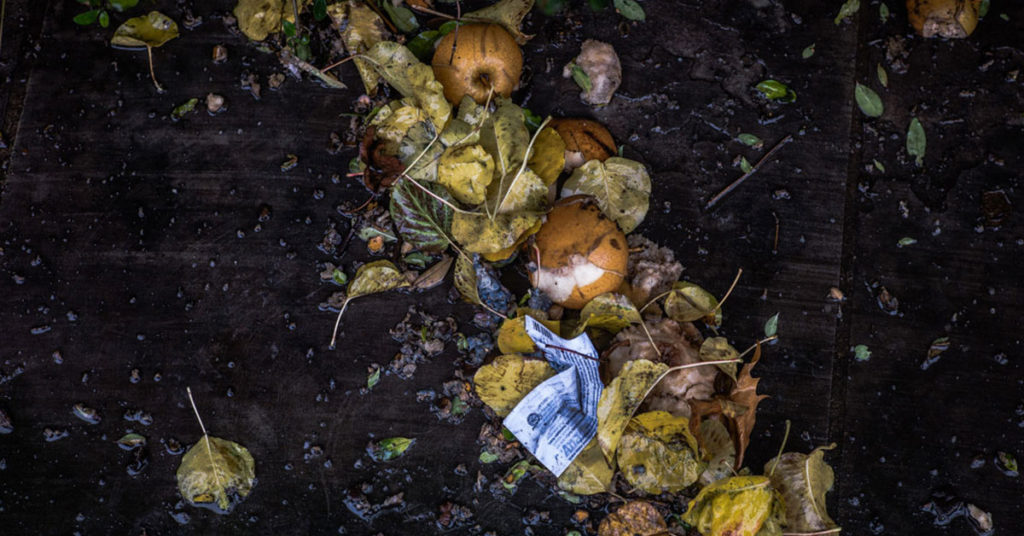
Composting is one of my favorite natural ways to enrich garden soil. By recycling kitchen scraps, garden waste, and other organic materials, you can create nutrient-rich compost that improves soil health. Composting reduces waste, lowers your carbon footprint, and provides a sustainable source of organic matter. When added to your garden, compost enhances soil structure, improves moisture retention, and supports a thriving soil ecosystem.
Starting a compost pile is simple and rewarding. Collect kitchen scraps like vegetable peelings, coffee grounds, and eggshells, along with garden waste such as grass clippings and leaves. Ensure a balance of green materials (high in nitrogen) and brown materials (high in carbon) to create a healthy compost pile. Turn the pile regularly to aerate it and speed up decomposition. In a few months, you’ll have dark, crumbly compost ready to nourish your garden.
Manure: A Time-Tested Fertilizer
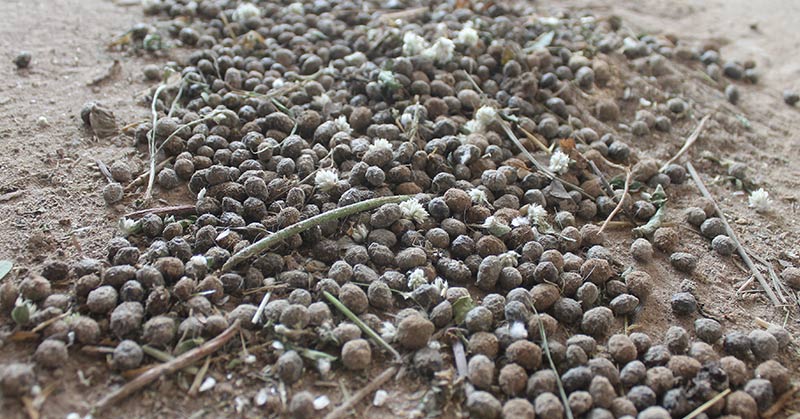
Manure has been used as a natural fertilizer for centuries, and for good reason. It provides a rich source of organic matter and essential nutrients, enhancing soil fertility and structure. Different types of manure, such as cow, horse, chicken, and sheep, offer varying nutrient profiles, allowing you to choose the best option for your garden’s needs. However, it’s essential to use well-composted manure to avoid potential issues with pathogens and weed seeds.
Applying manure to your garden improves soil texture, increases microbial activity, and boosts plant growth. Spread a layer of composted manure over your garden beds and work it into the soil before planting. This practice enriches the soil and provides a steady supply of nutrients throughout the growing season. Manure is a natural and sustainable way to keep your garden healthy and productive.
Bone Meal: Boosting Phosphorus Naturally

Bone meal is a fantastic organic fertilizer that provides a slow-release source of phosphorus and calcium. Phosphorus is crucial for root development, flowering, and fruiting, making bone meal an excellent choice for root vegetables, flowering plants, and fruiting crops. Bone meal is made from ground animal bones, a byproduct of the meat industry, and is a sustainable way to recycle waste into valuable nutrients for your garden.
To use bone meal, sprinkle it around the base of your plants or mix it into the soil before planting. The slow-release nature of bone meal ensures that plants receive a steady supply of phosphorus over time. This natural fertilizer supports healthy root systems, vibrant blooms, and abundant harvests, making it a valuable addition to your organic gardening toolkit.
Seaweed: A Marine Miracle

Seaweed is another excellent organic fertilizer that offers a wide range of benefits. Rich in micronutrients, trace elements, and growth hormones, seaweed promotes overall plant health and resilience. It enhances soil structure, stimulates microbial activity, and improves nutrient uptake. Seaweed is particularly beneficial for its ability to enhance plant growth and stress tolerance.
You can use seaweed as a liquid fertilizer, foliar spray, or mulch. Liquid seaweed extract can be diluted and applied to the soil or sprayed directly onto plant leaves. This versatile fertilizer boosts plant vigor, improves resistance to pests and diseases, and enhances overall garden productivity. Seaweed is a natural and sustainable way to support a thriving garden.
Cover Crops: Nature’s Fertilizer
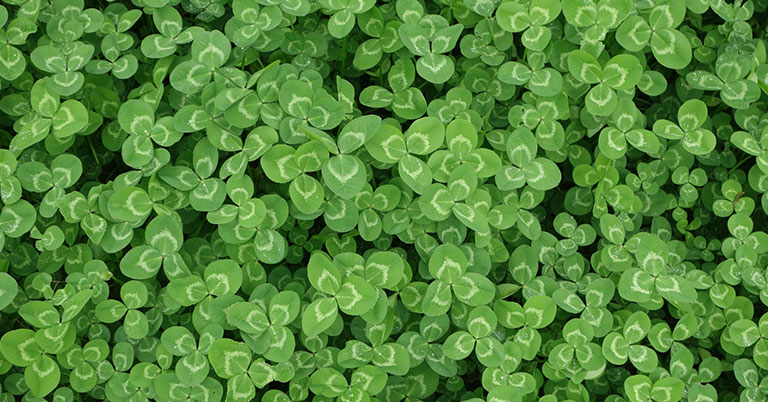
Cover crops, also known as green manure, are an excellent way to enrich your soil naturally. Plants such as clover, vetch, and rye are grown specifically to be tilled back into the soil. These cover crops improve soil structure, increase organic matter, and fix nitrogen, making nutrients more available to your garden plants. They also help prevent soil erosion and suppress weeds.
Plant cover crops in empty garden beds or during the off-season to keep the soil covered and protected. When they reach maturity, till them into the soil to decompose and release nutrients. This practice not only enhances soil fertility but also promotes a healthy soil ecosystem. Cover crops are a sustainable and effective way to maintain nutrient-rich soil year after year.
The Downside of Quick Fixes
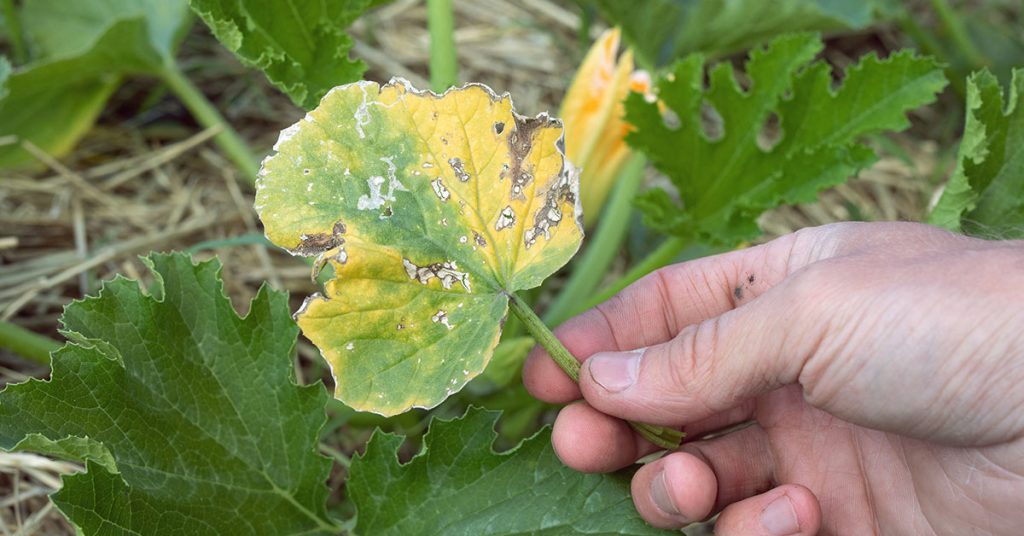
Synthetic fertilizers often provide a quick fix for nutrient deficiencies, but this short-term gain comes at the expense of long-term soil health. The rapid release of nutrients can lead to nutrient runoff, pollution, and soil degradation. Over time, soils treated with synthetic fertilizers can become compacted, less fertile, and more dependent on chemical inputs. This cycle creates a challenging environment for sustainable gardening.
Instead of relying on quick fixes, adopting organic practices builds a foundation for long-term garden health. By nurturing the soil with organic matter and natural fertilizers, you create a resilient ecosystem that supports healthy plant growth. The benefits of organic gardening extend beyond individual plants to the broader environment, promoting biodiversity and sustainability.
Building Healthy Soil
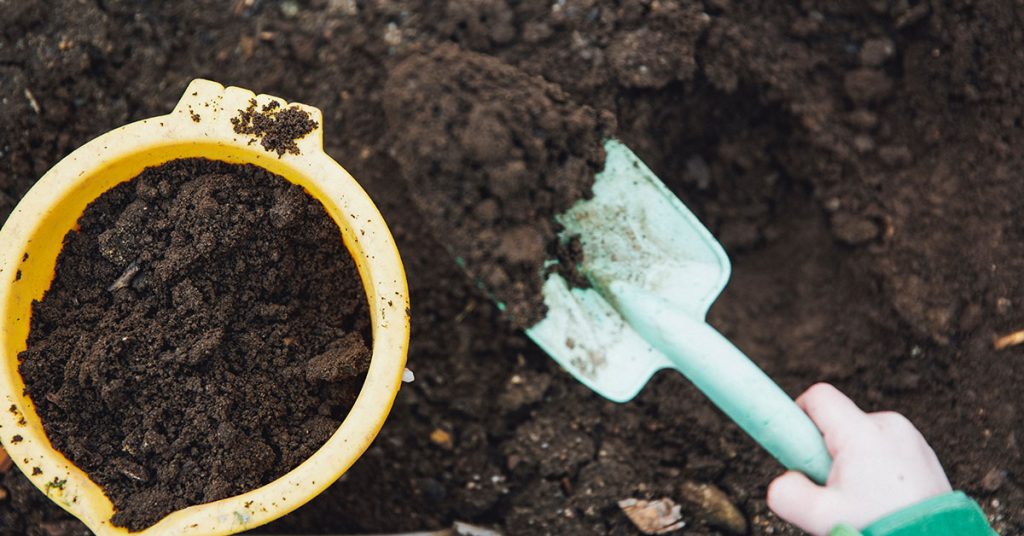
Healthy soil is the cornerstone of a thriving garden. Organic matter, such as compost, manure, and mulch, improves soil structure, enhances water retention, and promotes beneficial microbial activity. Healthy soil supports robust plant growth, reduces the need for chemical inputs, and creates a more resilient garden ecosystem. Focusing on soil health ensures that your garden can flourish year after year.
To build healthy soil, incorporate organic matter regularly, practice crop rotation, and minimize soil disturbance. Avoid synthetic fertilizers and pesticides that can harm soil life and disrupt nutrient cycles. By prioritizing soil health, you create a strong foundation for sustainable gardening and abundant harvests.
Sustainable Gardening Practices
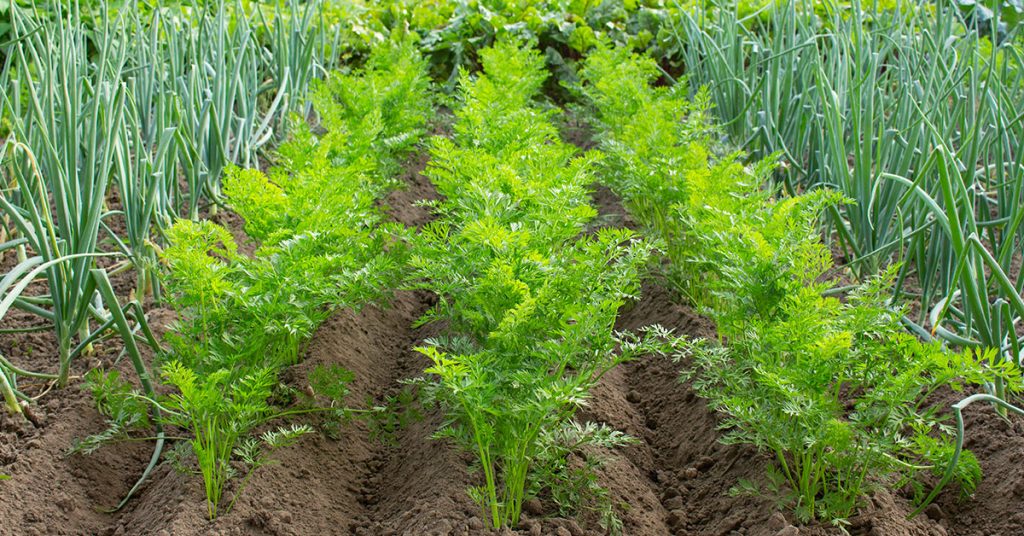
Sustainable gardening practices prioritize the health of the environment, the soil, and your plants. By choosing organic fertilizers, practicing composting, and using natural pest control methods, you reduce your environmental footprint and promote a healthier garden. Sustainable practices also save resources, reduce waste, and create a more resilient gardening system.
As a gardener, embracing sustainable practices allows you to grow healthier plants, produce better yields, and contribute positively to the environment. It’s a rewarding approach that aligns with nature’s cycles and supports long-term garden success. By making thoughtful choices, you can cultivate a thriving garden that benefits both you and the planet.
The Joy of Natural Gardening

There’s a deep satisfaction in growing a garden that thrives naturally. The vibrant colors, the lush foliage, and the bountiful harvests are a testament to the power of organic gardening. By nurturing your garden with natural fertilizers and sustainable practices, you create a harmonious environment that supports plant health and biodiversity.
One of my favorite aspects of natural gardening is the connection it fosters with the environment. Watching your garden flourish without synthetic chemicals is incredibly rewarding. The joy of natural gardening comes from knowing that you’re cultivating a healthy, sustainable garden that will continue to thrive for years to come.
By choosing natural fertilizers over synthetic ones, you can create a healthier, more sustainable garden. The benefits extend beyond your immediate garden to the broader environment, promoting biodiversity and reducing pollution.