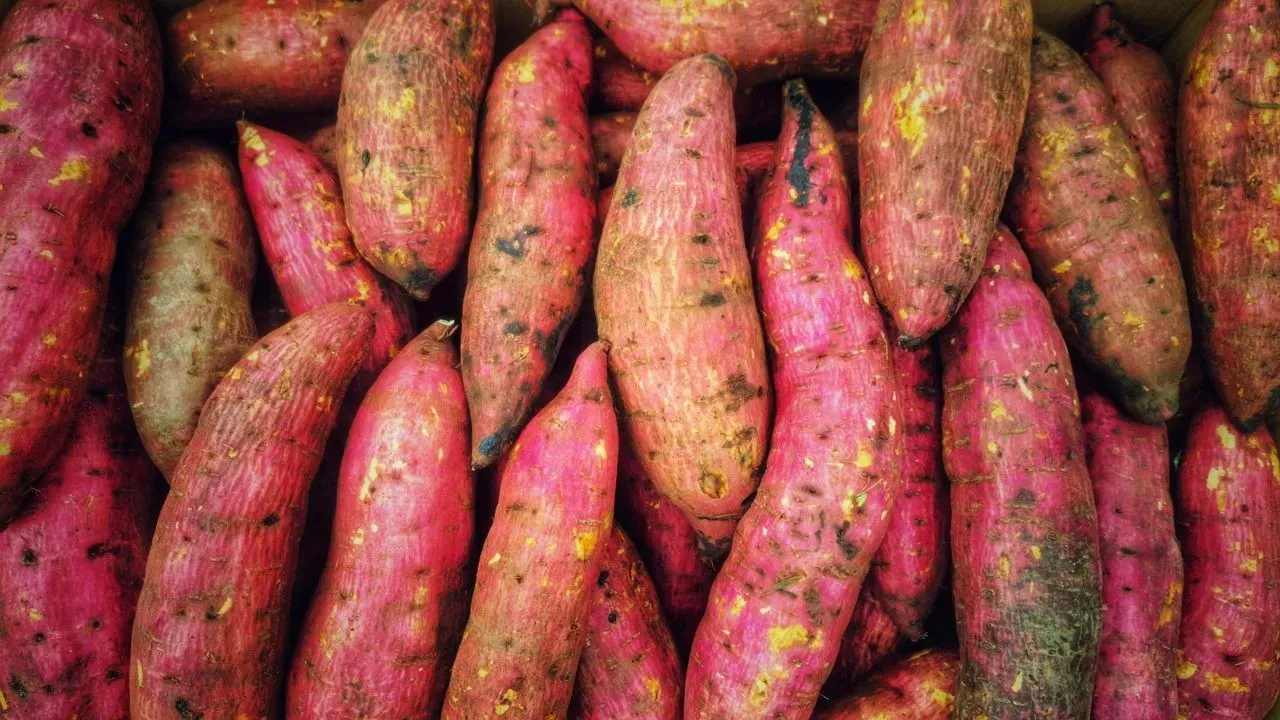

Standing in the produce section, many shoppers reach for what the sign calls a yam without realizing the orange tuber in their cart is almost always a sweet potato. The two vegetables come from entirely separate plant families and share little beyond a vague resemblance in some markets. This common mix-up traces back decades and still shapes what ends up in holiday casseroles and weeknight dinners across the United States.
Separate Plant Families
Sweet potatoes belong to the morning glory family and grow as storage roots. True yams come from the Dioscorea genus in the yam family and develop as underground tubers. The Library of Congress notes that the two are not botanically related, even though both are flowering plants. Sweet potatoes also have no close connection to regular white potatoes. Origins add another layer of distinction. Sweet potatoes trace to Central and South America. Major yam species were first cultivated in parts of Africa and Asia. These different starting points help explain why the vegetables behave so differently once they reach the kitchen.
How They Look and Feel
Skin texture offers one of the clearest visual clues. Sweet potatoes typically show thin, smooth skin in shades of white, yellow, red, purple, or brown. Market yams usually carry tough, scaly skin that can be difficult to peel and often appears rougher overall. Flesh color and cooked texture vary as well. Sweet potatoes range from white or yellow to deep orange or purple, with soft varieties turning moist and sweet when cooked. True yams tend toward white, yellow, or pink flesh and cook up starchier and drier. Size can differ too, with some yams growing quite long compared with the more compact shape of most sweet potatoes.
Why U.S. Stores Use the Yam Label
The confusion began when soft-fleshed sweet potato varieties arrived in American markets. Earlier firm types were already familiar, so sellers started calling the newer, sweeter ones yams to set them apart. Enslaved Africans had used the term for similar-looking tubers from their homelands, and the name stuck in everyday language. Federal rules now require any sweet potato labeled as a yam to also carry the words sweet potato on the packaging. Canned products sold as yams almost always list sweet potatoes as the main ingredient. True yams remain less common in ordinary supermarkets and appear more often at specialty or international grocers.
What to Choose for Recipes
For classic American holiday dishes such as candied yams or sweet potato casseroles, orange-fleshed sweet potatoes deliver the expected moist, sweet result. Varieties like Garnet or Jewel fit this role well. When a recipe specifically calls for true yams, often in African or Caribbean preparations, shoppers should seek the exact type named and expect a starchier outcome. A quick label check helps avoid surprises. Look for the full description on signs or bags in mainstream stores. At ethnic markets, ask staff for guidance on preparation since cooking methods can vary by yam species. Neither vegetable holds a clear health advantage over the other, as nutrient levels depend on the specific variety and how it is prepared. In the end, the produce aisle label rarely tells the full botanical story. Knowing the real differences lets cooks select the right ingredient for the dish they have in mind.
AI Disclaimer: This article was created with the assistance of AI tools and reviewed by a human editor.