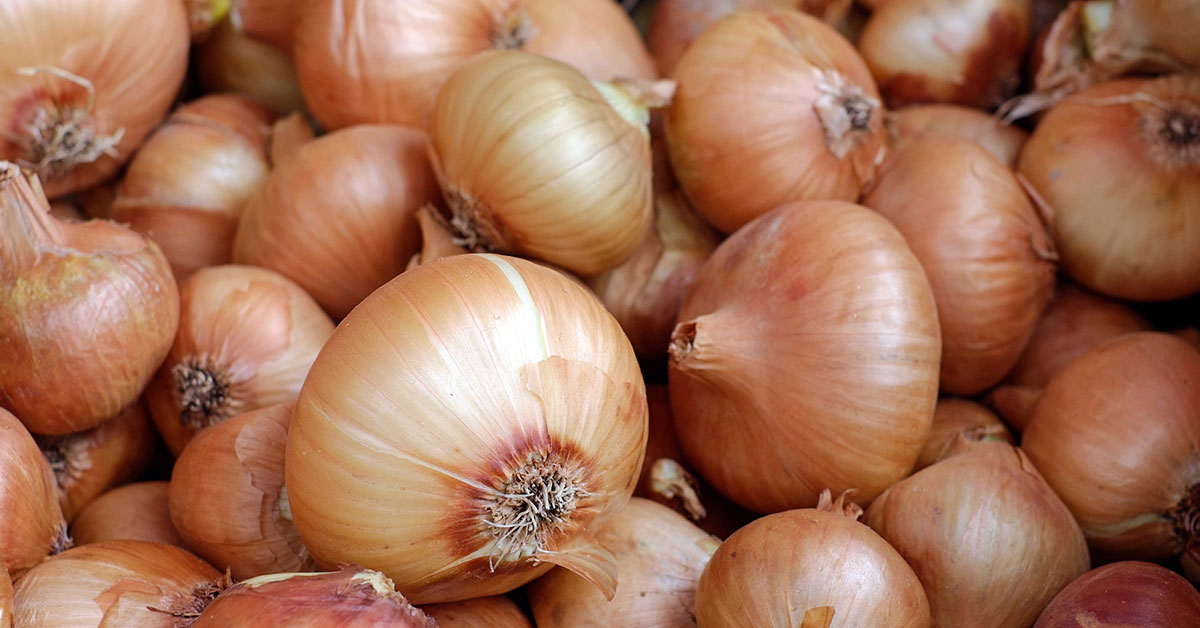

Sweet onions are a type of onion that is known for their mild and sweet flavor. Unlike the pungent smell and taste of regular onions, sweet onions are a popular ingredient in many dishes due to their delicate flavor.
These onions are also larger in size and have a higher water and sugar content, making them perfect for caramelizing and grilling. In this article, we will explore the various types of sweet onions, their health benefits, and how to use them in your cooking.
What are Sweet Onions?
Sweet onions are a type of onion that has a milder and sweeter taste compared to other onions. They are a popular ingredient in many dishes and are loved by people who enjoy the flavor of onions but don’t like the pungent taste that comes with them. Sweet onions have a high sugar content and a low sulfur content which gives them their unique flavor.
They are also larger in size compared to other onions and have a distinctive flattened shape. Sweet onions are commonly used in salads, sandwiches, and as a topping for burgers and pizzas. The most popular varieties of sweet onions are Vidalia onions, Walla Walla onions, and Maui onions.
These onions are grown in specific regions and have specific growing conditions that make them unique in taste and texture. If you are looking to add a sweet and mild flavor to your dishes, then sweet onions are a great option to consider.
What do Sweet Onions taste like?
Sweet onions are a type of onion known for their mild flavor and lack of pungency. They are popular in many different types of cuisine, especially in dishes where the onion is meant to provide sweetness without overpowering other flavors. But what exactly do sweet onions taste like, and how do they differ from other types of onions?
One of the key characteristics of sweet onions is their lower sulfur content. Sulfur is what gives onions their distinct, sharp flavor, and sweet onions have significantly less of it than other types of onions. This results in a milder, sweeter taste that is less likely to make you tear up when you chop it.
In terms of flavor, sweet onions are generally described as having a mild, slightly sweet taste with a subtle hint of tanginess. They are less aggressive than other onions, making them a good choice for people who don’t enjoy the strong taste of traditional onions. Some people even compare the flavor of sweet onions to that of apples or pears, which gives them a unique and versatile taste.
When cooked, sweet onions tend to caramelize well, which can enhance their sweetness and give them a richer, deeper flavor. They are often used in soups, stews, and sauces as a way to add sweetness and depth to the dish without overpowering other ingredients.
How to start Sweet Onions from seeds
Sweet onions are a popular ingredient in many dishes, adding a deliciously sweet and mild flavor to any meal. If you’re interested in growing your own, starting from seed is a great way to get started. Here are some tips for how to start sweet onions from seed.
- Choose the right variety of sweet onion seeds: There are many different varieties of sweet onions to choose from, so be sure to do your research and choose a variety that is well-suited to your climate and growing conditions.
- Start your seeds indoors: Sweet onion seeds should be started indoors about 8-10 weeks before you plan to transplant them outside. Fill a seed tray with potting soil and plant your seeds about 1/4 inch deep.
- Keep your seeds warm and moist: Sweet onion seeds need warm and moist conditions to germinate, so be sure to keep your seed tray in a warm and humid location, such as a greenhouse or under grow lights.
- Thin out your seedlings: Once your sweet onion seeds have sprouted, you’ll need to thin out the seedlings to ensure that they have enough space to grow. Keep the strongest and healthiest seedlings and remove the weaker ones.
- Transplant your seedlings: Once your sweet onion seedlings are about 6-8 inches tall, they are ready to be transplanted outside. Choose a location that gets full sun and has well-draining soil. Plant your seedlings about 4-6 inches apart in rows that are about 12-18 inches apart.
- Water and fertilize regularly: They need regular watering and fertilization to thrive, so be sure to water them deeply once a week and fertilize them every 2-3 weeks with a balanced fertilizer.
How to Grow
Sweet onions are a popular ingredient in numerous recipes worldwide, thanks to their mild and pleasant flavor. If you love cooking with sweet onions, why not try growing them in your garden? Here are some tips on how to grow them:
Choose the Right Variety: When choosing sweet onion seeds or bulbs, consider the variety that is best suited for your climate. Some of the popular sweet onion varieties include Walla Walla, Vidalia, and Texas 1015Y. These varieties thrive in different soil and weather conditions, so be sure to choose the one that suits your environment.
Prepare the Soil: Sweet onions prefer well-draining soil with a pH of 6.0-6.8. Before planting, work some organic matter such as compost or manure into the soil to improve its fertility and water-holding capacity.
Planting: They can be grown from seeds, sets (small bulbs), or transplants. If using seeds, start them indoors 8-10 weeks before the last frost date, then transplant the seedlings outdoors after the danger of frost has passed. If using sets or transplants, plant them directly into the garden in early spring.
Plant the onions 1 inch deep and 4-6 inches apart in rows that are 12-18 inches apart. Be sure to plant them in an area with full sun exposure.
Watering: These plants require consistent moisture to grow well. Water them regularly, but be careful not to overwater, as this can cause the bulbs to rot. A good rule of thumb is to water the onions once a week, giving them about an inch of water.
Fertilizing: Sweet onions require regular fertilization to grow well. Apply a balanced fertilizer every 3-4 weeks throughout the growing season, or use a slow-release fertilizer at the time of planting.
Harvesting: They can take between 90-120 days to mature. When the tops of the onions start to turn yellow and fall over, it’s time to harvest them. Carefully lift the bulbs out of the soil and let them dry in a warm, dry place for a week or two. Once the tops are completely dry, brush off any dirt and store the onions in a cool, dry place.
When and how to harvest
Sweet onions are a delicious and versatile vegetable that can be used in a variety of dishes. These onions are typically grown in the spring and summer months and are harvested when they are fully matured. Knowing when and how to harvest is crucial to ensure that you get the best taste and texture from your crop.
Timing is everything when it comes to harvesting. It’s important to wait until the onions have fully matured before harvesting them. This means that the tops of the onions will have fallen over and turned brown. This is a sign that the onions have stopped growing and are ready to be harvested. If you harvest sweet onions too early, they may not have developed their full flavor and texture.
To harvest sweet onions, gently dig around the base of the onion with a garden fork or shovel. Be careful not to damage the onion or its roots. Once you have loosened the soil around the onion, gently pull it out of the ground by the tops. Be sure to handle the onions carefully, as they can bruise easily.
How to cure Sweet Onions
After harvesting sweet onions, it’s important to cure them before storing them. Curing helps to dry out the outer layers of the onion and prevent them from rotting. To cure, spread them out in a dry, well-ventilated area for several weeks. Once the onions are fully cured, you can store them in a cool, dry place for several months.
Harvesting requires patience and timing. Wait until the onions have fully matured before harvesting them, and be sure to handle them carefully to avoid bruising. Curing the onions after harvesting is also essential to ensure that they last for several months in storage. By following these tips, you can enjoy delicious sweet onions all year round.