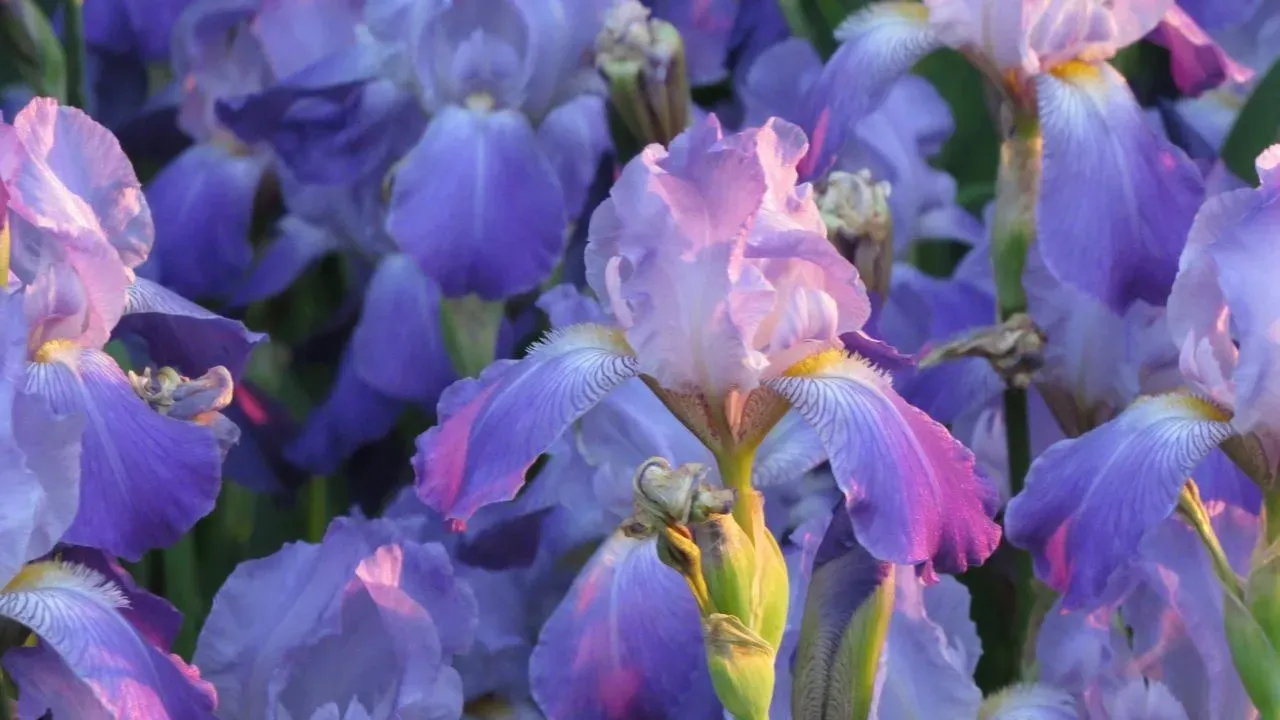

Gardens often hold quiet surprises, and few plants match the dual appeal of sweet iris. Its lavender blooms carry a fragrance refined enough for luxury perfumery, yet the plant itself asks little from the grower. Iris pallida stands out for variegated foliage that adds year-round interest and flowers that release their scent generously in the right spot. The combination of toughness and elegance makes it a reliable choice for many settings.
A Scent With Global Reach
The fragrance of sweet iris has long found its way into high-end perfumes. Distillers prize the root, known as orris, for its violet-like aroma that adds depth and longevity to classic scents. Home gardeners can enjoy the same quality simply by planting the rhizomes and letting the flowers develop naturally. The plant’s adaptability means it performs well without special treatment or constant attention.
Many gardeners discover the connection only after the blooms appear. The subtle perfume drifts on warm air, turning an ordinary border into something more memorable. This link between garden and perfumery gives the plant an extra layer of interest beyond its visual beauty.
Distinctive Features in the Landscape
Variegated leaves set sweet iris apart from many other perennials. The striped foliage remains attractive even after flowering ends, providing structure through the seasons. Lavender blooms rise above the leaves in late spring or early summer, offering both color and fragrance in one package. The overall effect suits cottage borders, formal beds, and mixed plantings alike.
Because the plant tolerates a wide range of conditions, it fits into established gardens without demanding major changes. It handles sun or partial shade and copes with varying soil types once roots are settled. These traits reduce the usual maintenance worries that come with more delicate flowers.
Simple Steps for Success
Planting begins with healthy rhizomes placed just below the soil surface. Good drainage prevents common issues, while moderate watering supports establishment without excess moisture. Division every few years keeps clumps vigorous and encourages continued blooming. The process remains straightforward for anyone with basic garden tools.
Once settled, sweet iris shows resilience against many typical garden stresses. It withstands periods of drought better than some other irises and rebounds quickly after winter. Gardeners in different climates report consistent performance, confirming the plant’s reputation for adaptability across regions.
Why Gardeners Keep Returning to It
The combination of low demands and high reward explains the plant’s steady popularity. Fragrance, foliage interest, and perfume heritage come together in a single, undemanding perennial. Those who grow it often find themselves expanding the planting as the rhizomes multiply naturally over time.
Its presence adds a refined note to everyday landscapes without requiring expert skills. The same qualities that appeal to perfumers translate directly to home settings, where the scent can be appreciated daily during bloom season. For many, that quiet luxury justifies the modest space it occupies.
AI Disclaimer: This article was created with the assistance of AI tools and reviewed by a human editor.