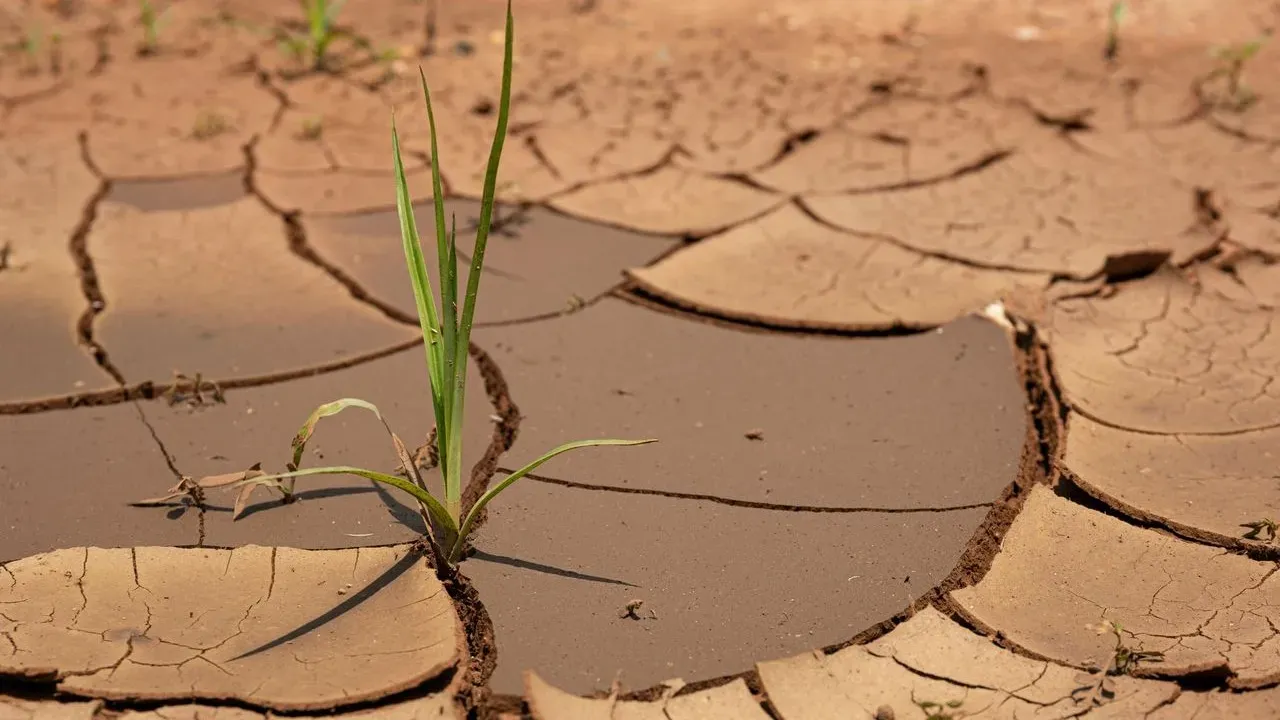

Homeowners across drought-prone regions face rising water costs and restrictions each summer. Many continue to maintain lawns and borders filled with high-water plants that demand frequent irrigation. Shifting to lower-maintenance alternatives delivers immediate savings while preserving garden appeal.
Why the Switch Matters Now
Drought conditions have tightened water supplies in multiple states this season. Gardeners who keep traditional thirsty varieties often see monthly bills climb and face potential fines for overuse. The practical result is a direct hit to household budgets and added stress during peak heat. Stakeholders include suburban homeowners, community garden groups, and municipal water departments that track seasonal demand. Early adopters report noticeable drops in irrigation needs after replacing just a few key beds. The change also aligns with broader conservation goals that many cities promote through rebates or education programs.
Identifying the High-Demand Plants
Common garden choices such as certain turf grasses, hydrangeas, and impatiens require steady moisture to stay vibrant. These selections perform poorly without supplemental watering, especially in full sun or sandy soils. Gardeners often overlook how much cumulative volume these plants pull from the system during extended dry spells. The consequence shows up in both expense and time. Frequent hand-watering or sprinkler runs become routine chores that compete with other summer activities. Replacing them reduces that ongoing commitment without sacrificing visual interest in the landscape.
Choosing Water-Wise Replacements
Drought-tolerant species and cultivars thrive on natural rainfall once established. They maintain structure and color through heat waves while using far less supplemental water. Many also support local pollinators and require fewer soil amendments over time. Homeowners gain flexibility in placement because these plants tolerate a wider range of conditions. The transition typically involves assessing sun exposure and soil drainage first, then selecting varieties suited to the specific site. Over a single growing season, the reduction in water demand becomes measurable on utility statements.
Steps for a Smooth Transition
– Evaluate current plantings for water consumption during the hottest months.
– Remove or relocate the highest-demand specimens in stages to avoid bare patches.
– Prepare soil with organic matter to improve moisture retention around new additions.
– Water new plants deeply but infrequently to encourage deep root growth.
– Monitor progress through the first full summer to confirm lower overall usage. These actions spread the workload and let gardeners observe results before committing larger areas. Many report that the initial effort pays off quickly in both time and cost. The decision ultimately rests with individual households balancing aesthetics, maintenance, and resource limits. Those who make the change often find their gardens remain attractive with less intervention, even as regional water pressures continue.
AI Disclaimer: This article was created with the assistance of AI tools and reviewed by a human editor.