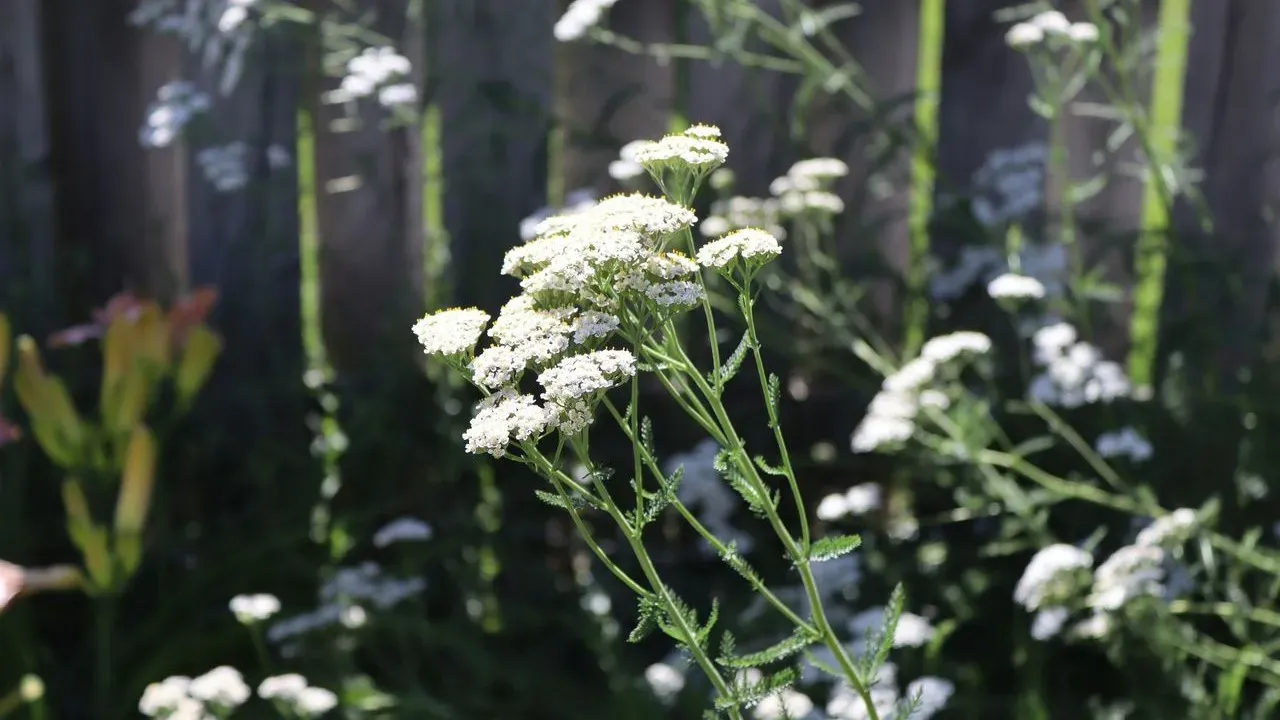

Suzannah faced the familiar frustration of heavy clay in her Midwest yard, where water pooled after every rain and roots struggled to take hold. Rather than accept limited options, she set out to reshape the space into a garden that reflected her own vision. The result is a lush, personal landscape that proves even stubborn soil can support abundant growth when approached with patience and care.
The Reality of Clay in the Heartland
Midwest gardens often contend with dense clay that compacts easily and drains poorly. Suzannah encountered these conditions right from the start, watching promising plants falter in the first seasons. The soil held moisture too long in spring and baked hard by midsummer, creating a cycle that tested her resolve. She observed how the same ground that resisted digging also retained nutrients once amended thoughtfully. This dual nature became the foundation for her decisions rather than a barrier. Over time, the yard revealed its potential beneath the initial difficulties.
Shaping a Garden That Fits Her Life
Suzannah began by studying how light moved across the property and where water naturally collected. She chose plants known for tolerance to wet winters and dry summers, allowing the garden to work with the existing conditions instead of fighting them. Raised beds and targeted soil improvements helped establish stronger root systems without requiring wholesale replacement of the native earth. The design evolved around her daily routines, placing fragrant herbs near the kitchen door and seating areas amid flowering perennials. Paths wound through the beds to invite exploration while protecting the soil from further compaction. Each addition built on the last, creating layers of interest that changed with the seasons.
Lessons From Steady Progress
Persistence proved more valuable than any single technique. Suzannah learned to time plantings around the soil’s natural cycles, waiting for workable moisture levels before major work. Small successes, such as a clump of asters that finally bloomed after two years, encouraged further experimentation. She also discovered the importance of observation, noting which areas improved fastest and adjusting future plantings accordingly. The garden became a record of trial and adaptation rather than a finished picture. Neighbors began to notice the transformation, though Suzannah focused on her own satisfaction with the evolving space.
A Lasting Connection to the Land
Today the garden stands as a quiet testament to working with what the Midwest offers. Clay soil remains part of the story, yet it no longer defines the limits of what can grow. Suzannah continues to refine beds and introduce new varieties, treating the process as an ongoing conversation with the place she calls home. The experience has shifted her view of gardening from a series of tasks to a relationship built over years. What began as a challenge now provides daily enjoyment and a sense of accomplishment that extends beyond any single season.
AI Disclaimer: This article was created with the assistance of AI tools and reviewed by a human editor.