
As the frosty air settles in and winter takes hold, many gardeners worry that their eco-friendly practices must come to a halt. However, winter is actually a perfect time to deepen your commitment to sustainable gardening! Embracing eco-friendly practices during the cold season not only helps protect the environment but also ensures your garden remains healthy and vibrant year-round. Whether you’re looking to conserve resources, support local wildlife, or minimize your ecological footprint, there are numerous strategies to make your winter garden both beautiful and sustainable.
I completely understand the frustration of wanting to maintain a thriving garden while also being mindful of environmental impact. It’s such a bummer when sustainable efforts feel sidelined by the challenges of colder weather. But fear not! With a bit of creativity and dedication, you can implement eco-friendly practices that keep your garden flourishing even in the harshest conditions. Let’s explore some of my favorite sustainable winter gardening techniques that will not only enhance your garden’s resilience but also contribute positively to our planet!
Planting Native and Non-Invasive Species

One of the most impactful ways to practice sustainable winter gardening is by selecting native and non-invasive plant species. Native plants are adapted to your local climate and soil conditions, requiring less water, fertilizer, and pesticides to thrive. For example, Echinacea purpurea (purple coneflower), native to North America, is incredibly hardy and supports local pollinators like bees and butterflies. By choosing native species, you create a garden that is in harmony with the local ecosystem, promoting biodiversity and reducing the need for chemical interventions.
Moreover, avoiding invasive species is crucial for maintaining ecological balance. Invasive plants like Japanese knotweed or English ivy can outcompete native flora, disrupting habitats and harming wildlife. Instead, opt for sustainable alternatives such as Salvia nemorosa (wood sage) or Gaillardia (blanket flower), which are beautiful and beneficial without posing a threat to native ecosystems. Planting native and non-invasive species not only ensures a resilient garden during winter but also supports the broader environment, making your winter gardening efforts truly sustainable and impactful!
Composting and Organic Fertilizers
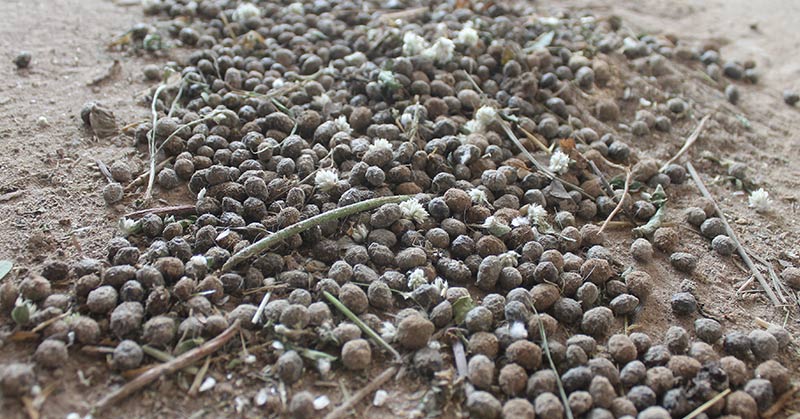
Composting is a cornerstone of sustainable winter gardening, transforming kitchen scraps and garden waste into nutrient-rich soil amendments. By creating your own compost, you reduce landfill waste and minimize the need for synthetic fertilizers, which can harm beneficial soil organisms and pollute waterways. Native composting methods, tailored to your local climate, ensure efficient decomposition even in colder temperatures. For instance, incorporating a layer of mulch over your compost pile can help retain heat, speeding up the breakdown process and producing high-quality compost that enriches your garden soil.
Using organic fertilizers derived from compost provides your plants with essential nutrients in a natural and sustainable way. Unlike chemical fertilizers, organic options improve soil structure, enhance water retention, and support a thriving community of soil microorganisms. Ingredients like bone meal, fish emulsion, and kelp extract can be added to compost to boost its nutrient content, ensuring your winter garden remains fertile and productive. Embracing composting and organic fertilizers not only fosters a healthier garden but also contributes to a more sustainable and eco-friendly gardening practice that benefits both your plants and the environment!
Mulching for Soil Health

Mulching is an essential practice for sustainable winter gardening, offering multiple benefits that enhance soil health and plant resilience. Applying a thick layer of organic mulch, such as straw, shredded leaves, or wood chips, helps insulate the soil, protecting plant roots from extreme temperature fluctuations. This insulation reduces soil erosion caused by heavy winter rains or snowmelt and maintains consistent moisture levels, preventing plants from drying out or becoming waterlogged. Additionally, mulch decomposes over time, adding valuable organic matter to the soil and improving its structure and fertility.
Beyond its protective qualities, mulching supports sustainable gardening by reducing the need for frequent watering and minimizing weed growth. By conserving soil moisture, mulch helps lower water consumption, a critical aspect of eco-friendly gardening practices. Furthermore, mulched areas create a habitat for beneficial insects and microorganisms, fostering a healthy soil ecosystem that supports plant growth naturally. It’s incredibly satisfying to see your garden remain lush and thriving under a blanket of mulch, knowing that you’re taking proactive steps to maintain soil health and promote sustainability. Embracing mulching as a winter gardening practice ensures that your garden remains robust and eco-friendly, even during the coldest months!
Water Conservation Methods
Efficient water use is a key component of sustainable winter gardening, especially in regions where water resources are limited or subject to freezing. Implementing water conservation methods not only preserves this vital resource but also supports healthy plant growth during the winter season. One effective strategy is to install rain barrels to collect and store rainwater, which can be used to water your plants when natural sources are scarce. Utilizing drip irrigation systems ensures that water is delivered directly to the plant roots, minimizing evaporation and runoff while maximizing efficiency.
Another excellent method is to water your plants during the warmer parts of the day, typically in the late morning, to reduce water loss through evaporation. Additionally, watering deeply but less frequently encourages deeper root growth, making plants more resilient to cold and drought conditions. Incorporating moisture-retentive mulches, as mentioned earlier, also helps conserve soil moisture and reduces the need for frequent watering. By adopting these water conservation techniques, you not only promote sustainable gardening practices but also ensure that your winter garden remains hydrated and healthy, all while minimizing your environmental impact!
Attracting Wildlife and Beneficial Insects
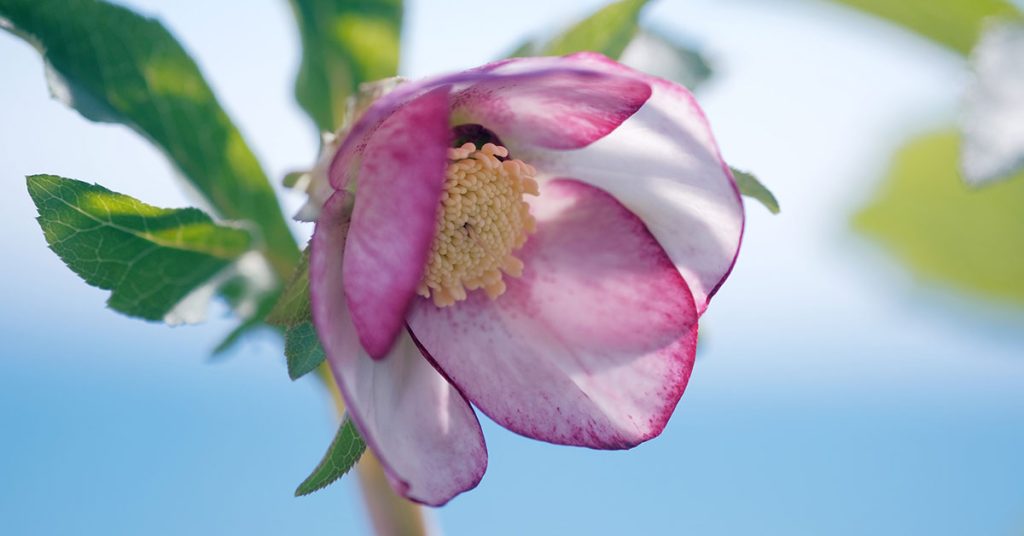
Sustainable winter gardening isn’t just about plant health—it’s also about fostering a thriving ecosystem that supports wildlife and beneficial insects. By creating a winter-friendly habitat, you can attract pollinators like bees and butterflies, as well as beneficial insects such as ladybugs and lacewings that help control pests naturally. Planting winter-blooming flowers like Hellebores (Helleborus spp.) and Winter Aconite (Eranthis hyemalis) provides essential nectar sources for these vital pollinators when food is scarce. Additionally, incorporating native shrubs and trees offers shelter and nesting sites, creating a safe haven for birds and other wildlife throughout the cold season.
Providing water sources, such as shallow birdbaths with stones for perching, can further attract wildlife to your garden. Installing bird feeders with high-energy seeds like sunflower or nyjer can support birds during winter when natural food sources are limited. It’s such a joy to hear birds singing and see butterflies fluttering, even in the chill of winter! By encouraging wildlife and beneficial insects, you create a balanced and sustainable garden ecosystem that enhances biodiversity and promotes natural pest control. Embracing these practices not only enriches your winter garden but also contributes to the overall health of the local environment, making your gardening efforts truly sustainable and rewarding!
Using Renewable Energy Sources

Incorporating renewable energy sources into your winter gardening practices is a fantastic way to enhance sustainability and reduce your environmental footprint. Solar-powered garden lights and water features harness the power of the sun, providing energy-efficient lighting and decorative elements without relying on non-renewable electricity sources. These solar solutions are particularly beneficial during winter, as they automatically adjust to shorter daylight hours, ensuring your garden remains illuminated and inviting even as the days grow shorter.
Another renewable energy option is using wind-powered garden accessories, such as kinetic sculptures or wind chimes, which add aesthetic appeal without consuming energy. Additionally, integrating composting systems powered by human or animal energy, such as hand-cranked composters, can further reduce reliance on electrical appliances. Embracing renewable energy in your winter garden not only supports eco-friendly practices but also adds a unique and sustainable charm to your outdoor space. It’s incredibly satisfying to know that your garden’s beauty is powered by clean, renewable energy, contributing to a healthier planet while enhancing your winter gardening experience!
Sustainable Pest Management

Managing pests in an eco-friendly manner is essential for maintaining a healthy and sustainable winter garden. Instead of relying on chemical pesticides, opt for natural pest control methods that protect both your plants and the environment. Introducing beneficial insects, such as ladybugs and predatory beetles, can help keep pest populations in check without harmful side effects. Additionally, planting companion plants like Marigolds (Tagetes spp.) and Basil (Ocimum basilicum) can naturally deter pests while attracting pollinators and enhancing biodiversity in your garden.
Another effective strategy is to use organic pest repellents, such as neem oil or insecticidal soaps, which are safe for both plants and beneficial insects when used correctly. Regularly inspecting your plants for signs of pests and promptly removing any affected leaves or stems can prevent infestations from spreading. Implementing physical barriers, like row covers or netting, can also protect your plants from unwanted visitors without the need for chemicals. By adopting sustainable pest management practices, you ensure that your winter garden remains healthy and productive while preserving the delicate balance of the local ecosystem. It’s such a relief to see your plants thriving without the harsh impact of synthetic pesticides, making your gardening efforts both effective and environmentally responsible!