

As the vibrant colors of autumn give way to the serene stillness of winter, many gardeners find themselves contemplating how to maintain their green spaces sustainably during the colder months. Winter gardening isn’t just about preserving your garden’s beauty; it’s also an opportunity to implement eco-friendly practices that support the environment and promote a healthy ecosystem year-round. Embracing sustainable methods ensures that your garden remains vibrant and productive, even as the temperatures drop and the days grow shorter. It’s such a rewarding feeling to know that your gardening efforts are not only benefiting your immediate surroundings but also contributing positively to the broader environment!
I completely understand how challenging it can be to balance garden maintenance with environmental responsibility, especially when winter approaches. You might be worried about how to keep your garden thriving without relying on excessive resources or harming beneficial wildlife. But fear not! With the right strategies and a commitment to sustainability, you can create a winter garden that is both beautiful and environmentally friendly. Let’s explore some of the best sustainable practices for winter gardening that will help you maintain a lush, healthy garden while minimizing your ecological footprint!
Composting in Winter

Composting during the winter months is a fantastic way to recycle garden waste and enrich your soil sustainably. Even when the ground is frosty and the days are short, maintaining a compost pile ensures that valuable organic matter continues to break down, providing essential nutrients for your garden come spring. Using a compost bin with good insulation or placing it in a sheltered area can help keep the compost active despite the cold temperatures. It’s such a smart way to turn fallen leaves, kitchen scraps, and other organic materials into rich, fertile soil that supports healthy plant growth.
Additionally, composting in winter helps reduce the amount of waste sent to landfills, lowering your garden’s environmental impact. The steady decomposition process encourages the presence of beneficial microorganisms that enhance soil structure and fertility. These microorganisms also play a crucial role in suppressing soil-borne diseases, promoting a healthier garden ecosystem. By continuing to compost during the winter, you’re not only nourishing your soil but also contributing to a more sustainable and eco-friendly gardening practice. Embrace composting as a key component of your winter garden maintenance, and watch your garden thrive with the help of nature’s own recycling system!
Mulching for Insulation
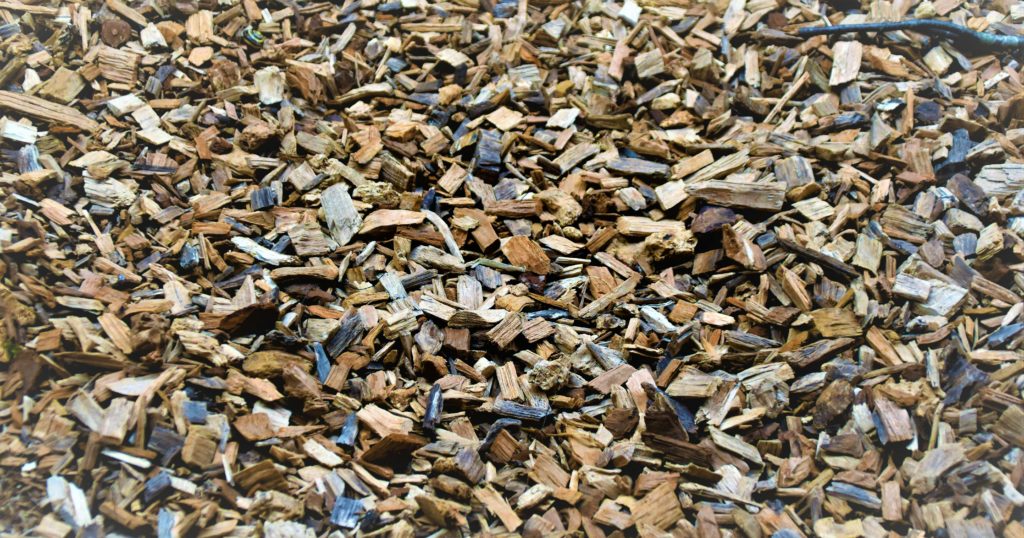
Mulching is an essential sustainable practice that provides insulation for your garden beds, protecting plant roots from extreme winter temperatures. Applying a thick layer of organic mulch, such as straw, shredded leaves, or wood chips, helps regulate soil temperature and retain moisture, creating a stable environment for your plants. It’s such a simple yet effective method to prevent soil erosion and reduce water evaporation, ensuring that your garden remains healthy even during the harshest winter conditions. Moreover, mulch decomposes over time, adding valuable organic matter to the soil and enhancing its fertility.
Beyond temperature regulation, mulching plays a significant role in suppressing weed growth, reducing the need for chemical herbicides that can harm beneficial insects and soil health. By maintaining a clean and weed-free garden bed, you create a more favorable environment for your plants to grow strong and resilient. Additionally, mulching helps prevent soil compaction, allowing roots to breathe and access essential nutrients more efficiently. Embracing mulching as part of your winter gardening routine not only protects your plants but also promotes a healthier, more sustainable garden ecosystem. It’s a win-win for both your garden and the environment!
Using Native Plants

Incorporating native plants into your winter garden is a cornerstone of sustainable gardening, as these plants are naturally adapted to your region’s climate and soil conditions. Native plants require less water, fewer fertilizers, and minimal pest control, making them an eco-friendly choice that supports local biodiversity. For example, native evergreens like pine, juniper, and holly provide year-round structure and color while attracting native pollinators and beneficial insects. These plants are not considered invasive, ensuring that they harmonize with your existing garden without overwhelming other species.
Native plants also offer essential habitat and food sources for local wildlife, including birds, bees, and butterflies, which play critical roles in maintaining a balanced garden ecosystem. By choosing native varieties, you support the natural interactions between plants and animals, fostering a thriving environment that sustains life even in winter. Additionally, native plants often have deeper root systems that improve soil structure and prevent erosion, enhancing the overall health and resilience of your garden. Embracing native plants as a key element of your winter garden not only beautifies your space but also promotes sustainability and ecological harmony!
Rainwater Harvesting

Rainwater harvesting is a sustainable practice that can significantly benefit your winter garden by providing a natural and eco-friendly water source. Setting up rain barrels or other collection systems allows you to capture and store rainwater from your roof, reducing your reliance on municipal water supplies and conserving precious water resources. This harvested rainwater is ideal for watering plants during dry winter spells, as it is free from the chemicals often found in tap water, promoting healthier plant growth and soil health. It’s such a proactive way to ensure your garden stays hydrated without straining local water systems!
Moreover, rainwater harvesting helps manage stormwater runoff, reducing the risk of erosion and waterlogging in your garden beds. By directing excess rainwater into barrels or other storage containers, you prevent it from causing damage to your garden’s infrastructure and contributing to pollution in nearby waterways. Using rainwater also lowers your water bills and decreases your overall environmental footprint, making it a win-win for both your wallet and the planet. Implementing a rainwater harvesting system is a key step towards a more sustainable and self-sufficient winter garden, ensuring that your plants receive the hydration they need while supporting environmental conservation!
Reducing Chemical Use

Reducing chemical use in your winter garden is a fundamental aspect of sustainable gardening, promoting a healthier environment and safer wildlife habitats. Instead of relying on synthetic fertilizers and pesticides, opt for organic alternatives that are less harmful to beneficial insects, birds, and soil microorganisms. For instance, using neem oil or insecticidal soap can effectively manage pest issues without introducing toxic substances into your garden ecosystem. It’s such a responsible choice that protects both your plants and the surrounding environment!
Additionally, practicing integrated pest management (IPM) techniques helps you address pest problems in a sustainable and eco-friendly manner. IPM involves monitoring pest populations, encouraging natural predators, and using mechanical or biological controls when necessary. By focusing on prevention and natural solutions, you minimize the need for chemical interventions, fostering a balanced and resilient garden. Reducing chemical use not only enhances the health and safety of your garden but also contributes to the broader goal of environmental sustainability. Embrace organic and IPM practices to create a winter garden that is both beautiful and environmentally responsible!
Composting Plant Debris

Composting plant debris during the winter is a sustainable way to recycle garden waste and enrich your soil naturally. Collecting and composting fallen leaves, pruned branches, and other plant materials transforms them into valuable compost, which can be used to improve soil structure, fertility, and moisture retention. This process reduces the need for synthetic fertilizers, minimizing your garden’s environmental impact and promoting a healthier soil ecosystem. It’s such a fulfilling practice to turn what might otherwise be waste into a nutrient-rich resource for your garden!
Moreover, composting plant debris helps maintain soil health by fostering a vibrant community of beneficial microorganisms. These microorganisms break down organic matter, releasing essential nutrients that support robust plant growth and resilience against pests and diseases. Compost also enhances soil aeration and drainage, creating a more favorable environment for root development. By incorporating composting into your winter gardening routine, you ensure that your garden benefits from a continuous cycle of natural resource recycling, promoting sustainability and long-term garden health. It’s a win-win for both your garden and the planet!
Implementing Perennial Planting

Implementing perennial planting is a sustainable practice that ensures your winter garden remains low-maintenance and environmentally friendly. Perennials are plants that live for multiple years, reducing the need for annual replanting and minimizing garden waste. By selecting hardy perennials that can withstand winter conditions, you create a resilient garden that provides consistent structure and color year after year. It’s such a practical and sustainable approach to maintaining a beautiful garden with minimal effort!
Additionally, perennial plants contribute to soil stability and health by maintaining their root systems throughout the year. These deep roots help prevent soil erosion, improve soil structure, and enhance water infiltration, making your garden more resilient to winter weather. Perennials also support biodiversity by providing habitats and food sources for a variety of beneficial insects and wildlife, promoting a balanced ecosystem. By incorporating perennials into your winter garden, you create a sustainable and thriving environment that supports both your garden’s beauty and the natural world around it!
Installing Windbreaks
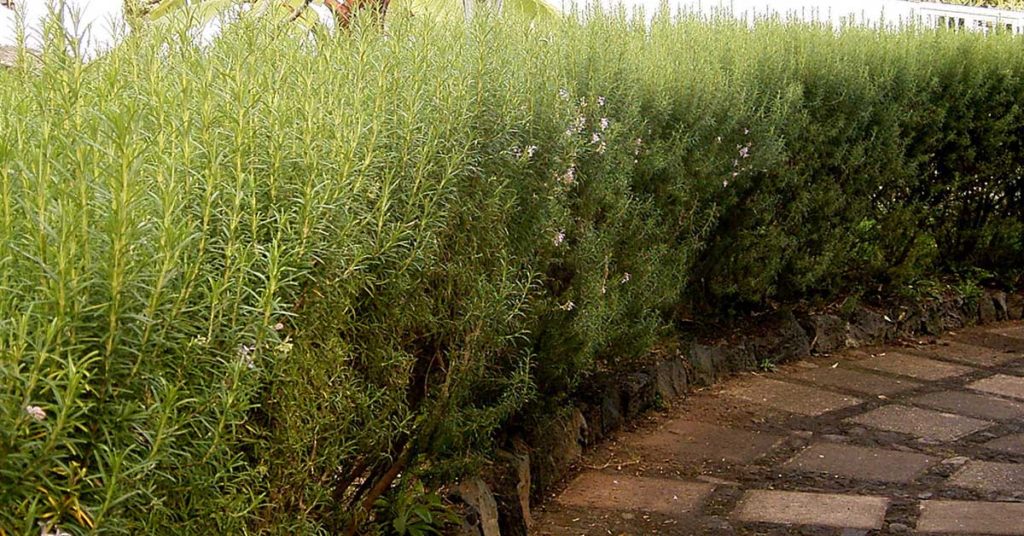
Installing windbreaks in your winter garden is a sustainable practice that protects your plants from harsh winter winds and reduces energy loss. Windbreaks, such as rows of evergreen shrubs or strategically placed fences, create a barrier that shields your garden from strong gusts, preventing moisture loss and minimizing damage to plant structures. This not only helps maintain a stable microclimate for your plants but also reduces the need for additional watering and protection measures, conserving water and energy. It’s such an effective way to safeguard your garden while promoting sustainability!
Moreover, windbreaks play a vital role in supporting local wildlife by providing shelter and nesting sites for birds and beneficial insects. Evergreen plants used in windbreaks offer year-round cover, creating safe havens for birds seeking refuge from the cold and predators. Additionally, windbreaks can enhance the aesthetic appeal of your garden, adding depth and structure to your landscape design. By thoughtfully installing windbreaks, you not only protect your garden from winter’s challenges but also contribute to a more sustainable and wildlife-friendly environment. It’s a beautiful and practical addition that benefits both your garden and the natural ecosystem!
Harvesting and Storing Seeds

Harvesting and storing seeds for next season is a sustainable practice that reduces your reliance on commercial seed sources and promotes garden biodiversity. By collecting seeds from your hardy winter plants, you ensure a continuous supply of well-adapted varieties that are suited to your specific climate and soil conditions. This practice also helps preserve heirloom and native plant species, contributing to the genetic diversity of your garden. It’s such a rewarding way to take part in the natural cycle of plant reproduction and sustainability!
Additionally, proper seed storage ensures that your seeds remain viable and ready for planting in the spring. Store seeds in a cool, dry place in airtight containers to maintain their germination rates and longevity. Labeling your seeds with their
origin and planting information helps you keep track of your varieties and makes planning for the next growing season more efficient. By embracing seed harvesting and storage, you contribute to a more sustainable gardening practice, reducing waste and fostering a resilient and diverse garden ecosystem. It’s a simple yet impactful way to support both your garden’s health and the broader goal of environmental sustainability!
Conclusion
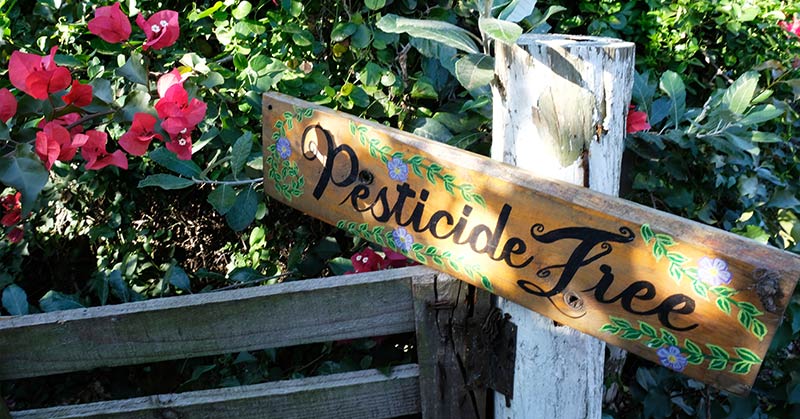
Adopting sustainable practices for winter gardening not only enhances the beauty and resilience of your garden but also supports environmental health and biodiversity. By implementing strategies such as composting, mulching, using native plants, rainwater harvesting, reducing chemical use, composting plant debris, perennial planting, installing windbreaks, and harvesting and storing seeds, you create a garden that thrives year-round while minimizing your ecological footprint. Each of these practices contributes to a more sustainable and balanced garden ecosystem, ensuring that your green space remains vibrant and productive even during the colder months.