
As the vibrant colors of autumn begin to paint our gardens, October presents a perfect opportunity to embrace sustainable gardening practices. Transitioning your garden for the cooler months not only enhances its beauty but also promotes environmental health and resilience. Whether you’re a seasoned gardener or just starting out, adopting these eco-friendly techniques can make a significant difference in maintaining a thriving and sustainable garden year-round!
I understand how challenging it can be to keep your garden flourishing while also being mindful of the environment. It’s such a bummer when your hard work doesn’t pay off due to inefficient practices or pest invasions. That’s why I’m excited to share some sustainable gardening practices tailored for October. These methods will help you create a garden that’s not only beautiful but also supports local ecosystems and conserves resources. Let’s dive into these essential tips that will transform your garden into a sustainable paradise this fall!
Composting and Soil Health

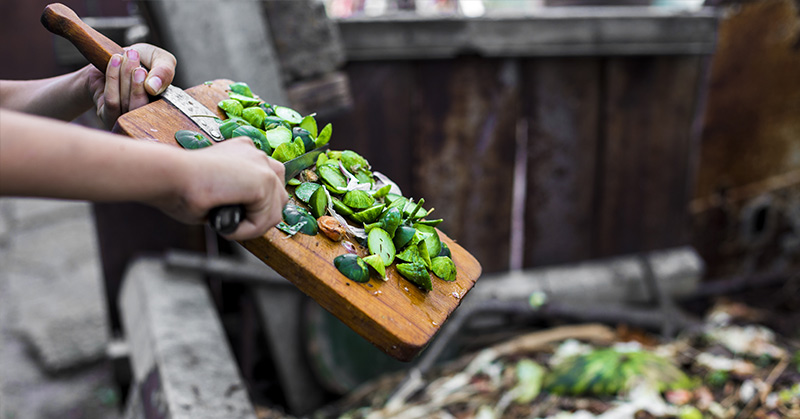
One of the most rewarding sustainable practices you can adopt this October is enhancing your composting routine. As the leaves fall, they provide an excellent source of organic material for your compost pile. By incorporating fallen leaves, kitchen scraps, and garden waste, you can create rich compost that improves soil structure and fertility. This natural fertilizer reduces the need for chemical additives, promoting healthier plant growth and benefiting the overall ecosystem of your garden.
Maintaining a healthy compost pile also supports beneficial microorganisms that break down organic matter, enriching the soil with essential nutrients. These microorganisms play a crucial role in suppressing soil-borne diseases and enhancing plant resilience against pests. Additionally, composting helps divert waste from landfills, reducing your garden’s carbon footprint. Embrace composting this October and watch your garden thrive with nutrient-rich soil that supports sustainable growth!
Mulching for Moisture Retention

Mulching is a simple yet effective sustainable practice that can greatly benefit your garden in October. Applying a layer of organic mulch, such as straw, shredded leaves, or bark, helps retain soil moisture, regulate temperature, and suppress weed growth. This not only conserves water but also reduces the need for frequent watering, which is especially important as temperatures begin to drop and rainfall patterns change.
Beyond moisture retention, mulching enriches the soil as it decomposes, adding valuable nutrients that support plant health. It also provides insulation for plant roots, protecting them from extreme temperature fluctuations and frost. Additionally, mulch serves as a habitat for beneficial insects and microorganisms, fostering a balanced and resilient garden ecosystem. By mulching your garden beds this October, you’re taking a significant step towards sustainable gardening that promotes long-term plant health and environmental stewardship!
Planting Native Fall Flowers
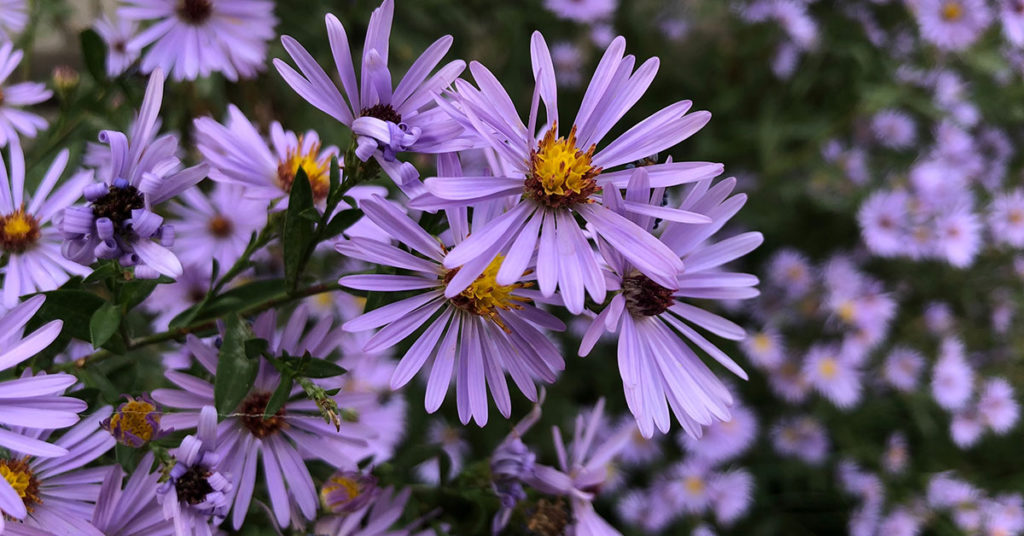
Incorporating native fall flowers into your garden is a fantastic sustainable practice that supports local biodiversity. Native plants are well-adapted to your region’s climate and soil conditions, making them more resilient and less resource-intensive to maintain. By choosing native species, you provide essential habitats and food sources for local pollinators, birds, and beneficial insects, enhancing the ecological balance of your garden.
Moreover, native fall flowers are generally not invasive, ensuring they coexist harmoniously with other plants without overwhelming the ecosystem. These flowers bloom during the cooler months, providing much-needed color and nectar when other plants have finished flowering. This continuous blooming period supports pollinators preparing for migration or overwintering. Embrace native fall flowers this October to create a vibrant, sustainable garden that thrives naturally and supports your local environment!
Harvesting Rainwater
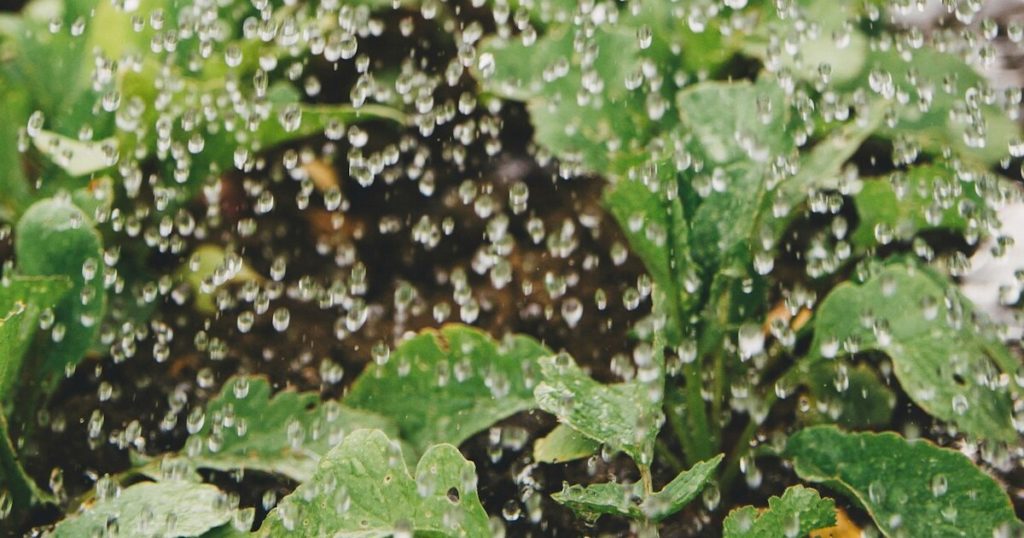
Implementing rainwater harvesting is an excellent sustainable gardening practice to adopt in October. Setting up rain barrels or other collection systems allows you to capture and store rainwater from rooftops, which can then be used to water your garden during drier periods. This practice not only conserves water but also reduces your reliance on municipal water sources, leading to significant cost savings and environmental benefits.
Rainwater is naturally soft and free from the chemicals often found in tap water, making it ideal for your plants. Using harvested rainwater helps maintain optimal soil moisture levels, promoting healthier plant growth and reducing the risk of water stress. Additionally, rainwater harvesting mitigates stormwater runoff, decreasing the potential for erosion and water pollution in your local waterways. By adopting rainwater harvesting this October, you’re making a proactive choice to conserve water and support a more sustainable garden!
Creating Wildlife Habitats
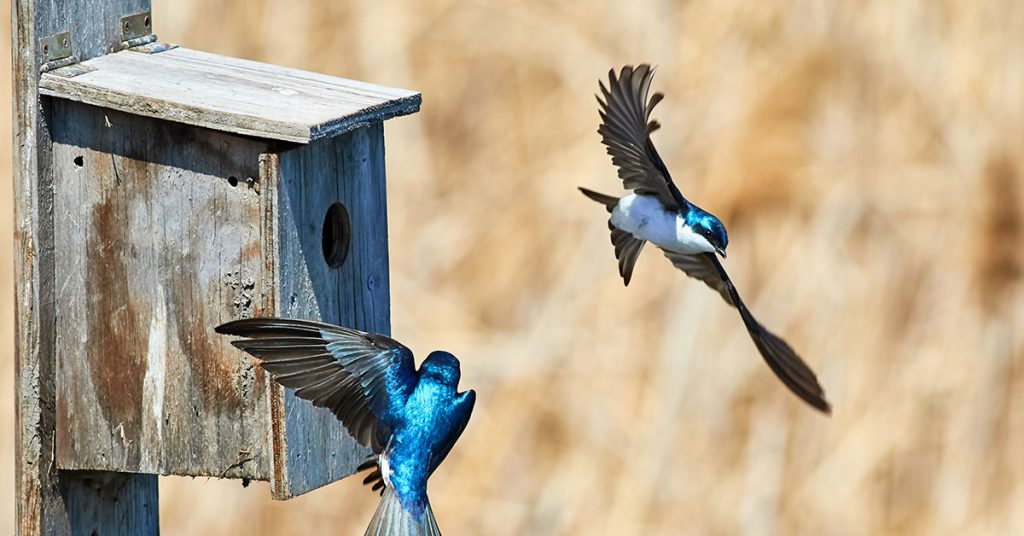
Creating habitats for wildlife is a wonderful sustainable gardening practice that enhances the biodiversity of your garden in October. Providing shelters such as birdhouses, bat boxes, and insect hotels encourages a variety of beneficial creatures to take up residence in your garden. These animals play essential roles in pest control, pollination, and seed dispersal, contributing to a balanced and thriving ecosystem.
Moreover, incorporating native plants and diverse plant structures offers food and nesting sites for local wildlife. For example, berry-producing shrubs provide a food source for birds, while dense foliage offers protection and nesting opportunities for small mammals and insects. Creating a wildlife-friendly garden not only supports the environment but also adds dynamic movement and life to your outdoor space. Embrace these practices this October to foster a vibrant, sustainable garden teeming with beneficial wildlife!
Water Conservation Techniques

Adopting water conservation techniques is crucial for sustainable gardening, especially as the seasons transition in October. Implementing drip irrigation systems ensures that water is delivered directly to the plant roots, minimizing evaporation and runoff. This targeted watering approach not only conserves water but also reduces the risk of fungal diseases by keeping foliage dry.
Additionally, grouping plants with similar water needs together, known as hydrozoning, optimizes water usage and enhances plant health. Installing rain sensors or smart irrigation controllers can further improve water efficiency by adjusting watering schedules based on real-time weather data. By incorporating these water conservation strategies, you can maintain a lush and healthy garden while minimizing your water footprint and promoting sustainability!
Integrated Pest Management
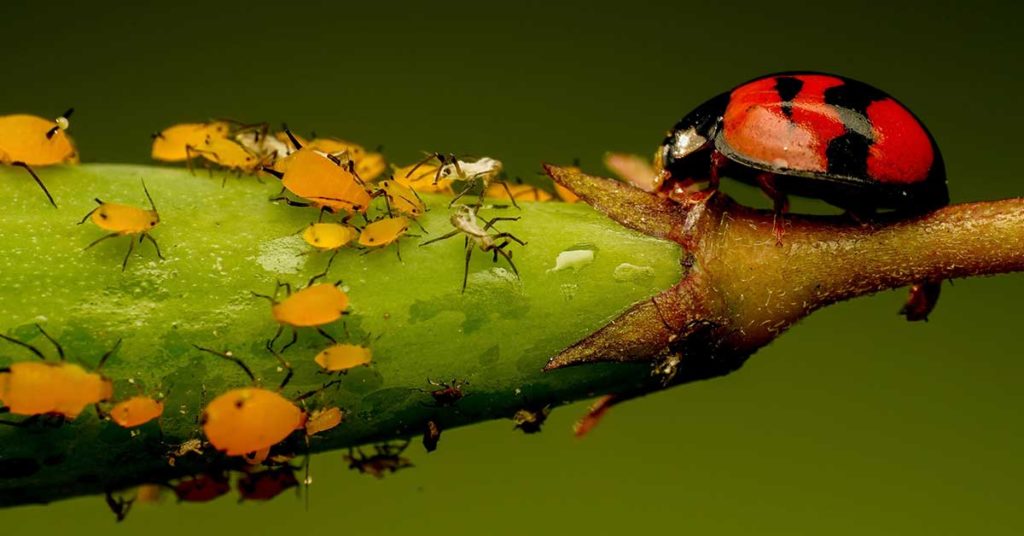
Integrated Pest Management (IPM) is a sustainable approach to controlling garden pests that minimizes the use of chemical pesticides. This practice involves monitoring pest populations, identifying pest species, and implementing biological, cultural, and mechanical controls to manage infestations effectively. By focusing on prevention and natural control methods, IPM promotes a healthier and more balanced garden ecosystem.
One effective IPM technique is encouraging beneficial insects, such as ladybugs and predatory beetles, which naturally keep pest populations in check. Additionally, using barriers like row covers or implementing crop rotation can reduce the likelihood of pest outbreaks. If chemical intervention becomes necessary, opting for eco-friendly and targeted treatments ensures minimal impact on non-target species and the environment. Embrace Integrated Pest Management this October to maintain a thriving garden while protecting beneficial organisms and promoting long-term sustainability!