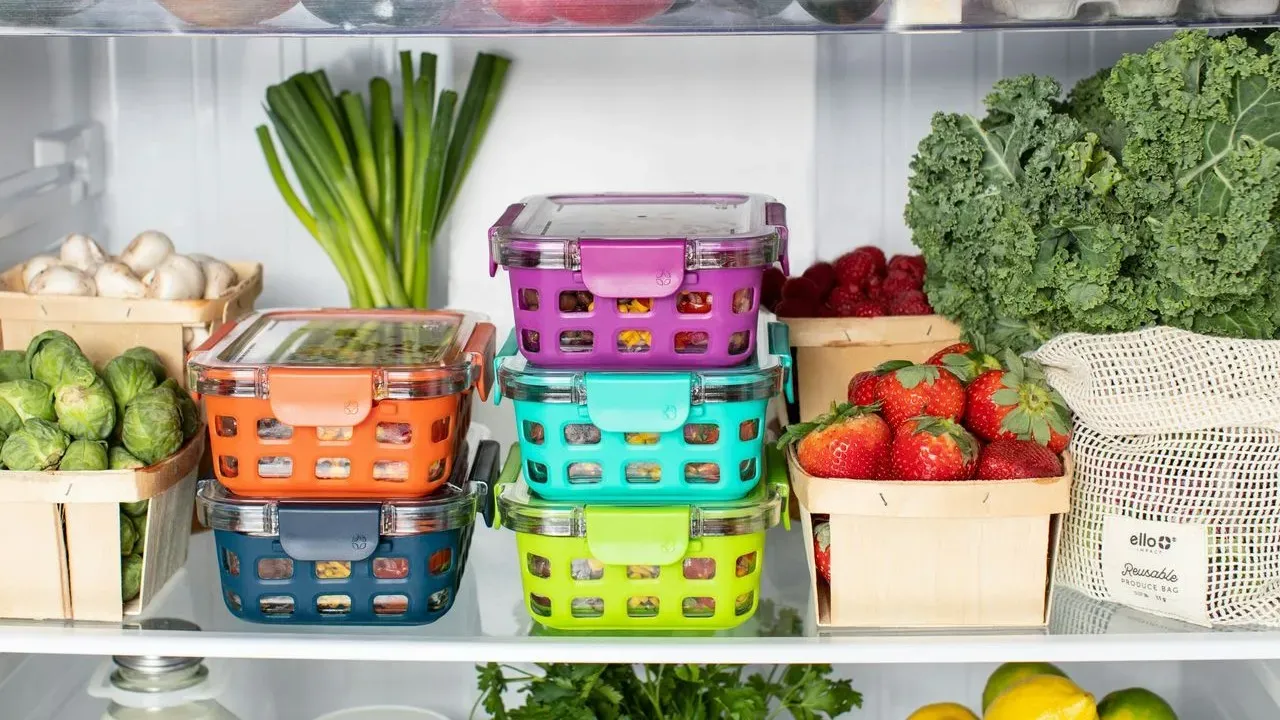

Many people reach for the refrigerator as the default storage spot for almost everything in the kitchen. Yet cold temperatures actively harm the flavor, texture, and ripening process of numerous everyday items. The damage often proves irreversible once it sets in, leaving foods mealy, bland, or spoiled faster than pantry storage would allow.
The Science of Chilling Injury
Refrigerators slow bacterial growth, but they also halt enzymatic activity and disrupt cell structures in foods that evolved for warmer conditions. Many fruits and vegetables contain volatile compounds and starches that develop properly only between 50 and 70 degrees Fahrenheit. Below that range, enzymes stop working, cell walls can rupture, and starches convert to sugars in ways that change taste and mouthfeel permanently. Condensation from temperature swings adds moisture that promotes mold or crystallization. These effects explain why items stored cold often taste worse even after they return to room temperature.
Produce That Loses Quality in the Cold
Tomatoes lose their aromatic compounds below 55 degrees Fahrenheit, resulting in a mealy texture and muted flavor that research has shown does not fully recover. Potatoes undergo cold-induced sweetening, which turns starches into sugars and can increase acrylamide formation during high-heat cooking. Whole onions and garlic soften and sprout more quickly in the humid fridge environment. Unripe avocados, bananas, and stone fruits such as peaches stop ripening when chilled and may never develop proper sweetness or smoothness. Whole melons stored at room temperature develop higher levels of lycopene and beta-carotene than refrigerated ones. Fresh basil turns black and limp almost immediately in the cold.
Pantry Items That Degrade Faster When Chilled
Honey crystallizes into a hard, unusable state in the refrigerator despite its natural stability at room temperature. Coffee absorbs moisture and odors from the fridge, accelerating staling each time the container warms. Olive oil turns cloudy and can lose delicate aromas with repeated temperature changes. Bread undergoes faster starch retrogradation in the cold, becoming stale more quickly than on the counter. Commercial peanut butter stiffens without gaining any safety benefit. Chocolate develops sugar bloom from condensation, dulling its gloss and flavor.
- Store tomatoes, potatoes, onions, garlic, and whole melons in a cool, dark pantry with airflow.
- Keep honey, coffee, olive oil, and bread in sealed containers away from heat and light.
- Place unripe avocados, bananas, and stone fruits on the counter until ripe.
Clear Exceptions Where the Fridge Helps
Cut onions and cut peppers require refrigeration in airtight containers to limit bacterial growth and odor transfer. Ripe avocados last two to three days longer in the cold. Natural peanut butter without stabilizers benefits from refrigeration to slow rancidity. Sliced melon must go into the refrigerator immediately after cutting. Peeled garlic can stay usable for a week when sealed, though whole bulbs belong in the pantry.
Simple Steps for Better Results
A cool, dark pantry or cabinet often provides the ideal conditions for the items listed above. Airflow matters for onions and garlic, while consistent temperatures protect olive oil and chocolate. When in doubt, consider whether the food ripens or stays stable at room temperature before defaulting to the refrigerator. These adjustments preserve taste and texture without extra effort. Many households already have suitable spots that simply need consistent use.
AI Disclaimer: This article was created with the assistance of AI tools and reviewed by a human editor.