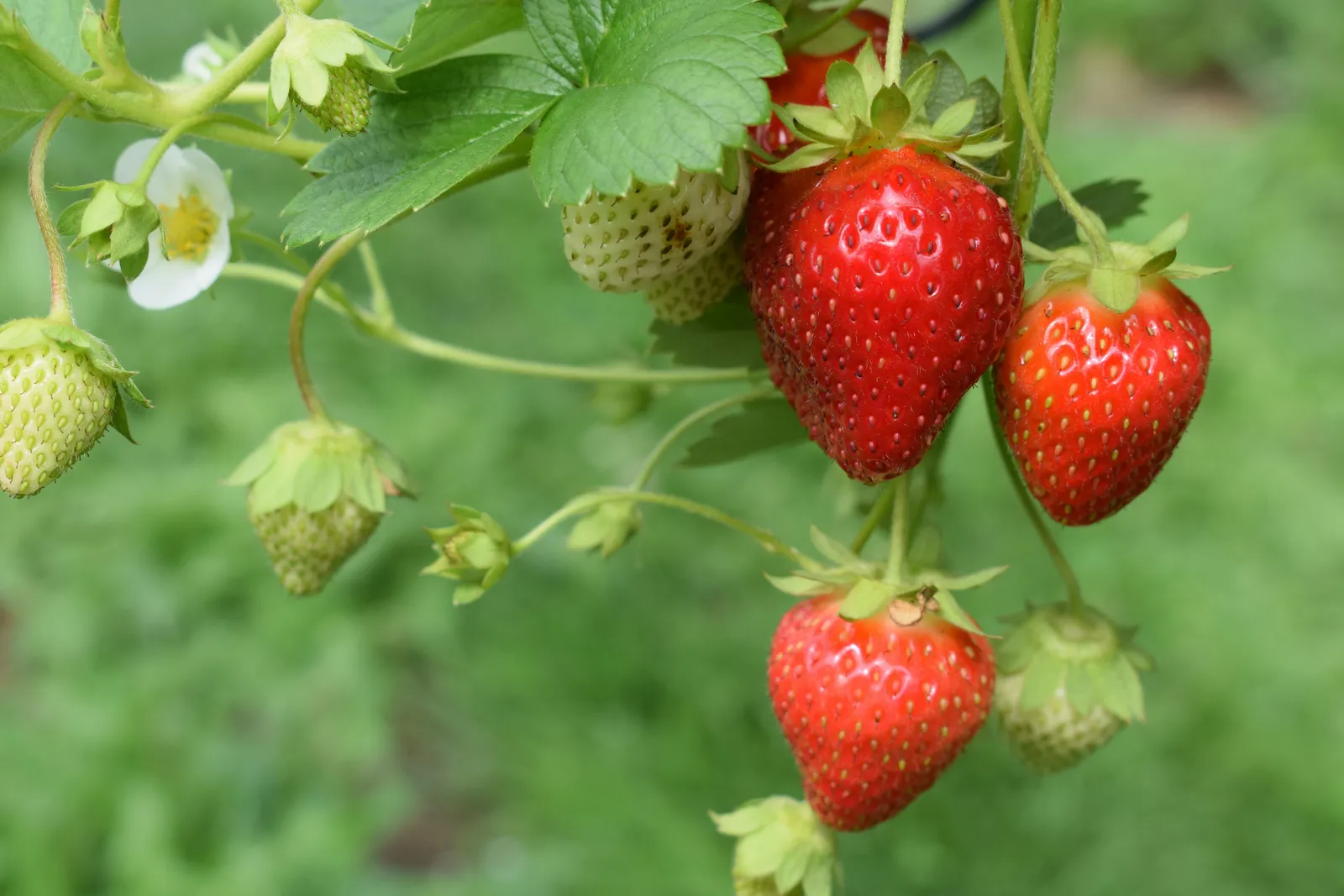

Many gardeners confine strawberries to dedicated rows or pots focused solely on fruit production. These plants also serve effectively as living ground cover across beds, borders, and mixed plantings. Their low profile helps protect soil while supplying edible harvests that extend through much of the growing season.
Practical Benefits Beyond Fruit Production
Gardeners who leave soil exposed often contend with weeds, temperature swings, and moisture loss. Strawberries address these issues directly by forming a dense layer that moderates conditions and supports soil organisms. The result is reduced maintenance and a more stable environment for neighboring plants.
Commercial growers typically replace strawberry plants after two years. In home settings the same varieties frequently persist longer, with output varying from year to year yet still providing reliable coverage. This longevity makes them a sound choice for gardeners seeking consistent returns without frequent replanting.
Two Main Types and Their Timelines
June-bearing strawberries produce a single concentrated crop in late spring. Day-neutral types, also known as everbearers, begin flowering in June and continue through fall under favorable conditions. Both categories fit different garden schedules and space needs.
| Type | Fruiting Period | Typical Growth Habit |
|---|---|---|
| June-bearing | Late spring only | Often runners or clumpers |
| Day-neutral | June through November | Runners or clumpers |
Runner types spread via horizontal stems that root at intervals, filling gaps efficiently. Clumping varieties expand more slowly from a central mound and suit tighter spaces. Gardeners can match these habits to specific bed layouts and light levels.
Varieties That Perform Well as Cover
Gasana F1 produces bright pink flowers and large berries on clumping plants. It performs strongly along sunny paths where reflected heat extends the season. Mara des Bois spreads by runners and yields aromatic fruit from mid-June into November when moisture remains steady.
Pineberry offers white fruit with red seeds and a pineapple-like flavor on June-bearing plants. Tarpan F1 features deep rose blooms and medium fruit while spreading slowly. These selections demonstrate how different flower colors and berry sizes can enhance visual interest alongside soil protection.
- Gasana F1: clumping, pink flowers, large berries
- Mara des Bois: runner type, white flowers, aromatic fruit
- Pineberry: June-bearing, white fruit with pink blush
- Tarpan F1: slow runner, rose blooms, medium fruit
Seasonal Care and Protection
Strawberries prefer moist yet well-drained soil and full sun across USDA zones 3 to 9. Early and late frosts can damage blooms, so floating row covers provide simple defense during those periods. A layer of leaves applied after the ground freezes supplies winter insulation.
Birds, slugs, and chipmunks compete for ripe fruit. Picking berries at peak fragrance but before full color helps secure harvests. Netting offers additional protection, though determined animals sometimes find ways around it. Over time, natural leaf drop from surrounding trees can replace manual mulching.
Strawberries therefore represent a straightforward decision for gardeners who want coverage and production from the same plants. Their adaptability across seasons and growth habits supports more resilient garden designs without added complexity.
AI Disclaimer: This article was created with the assistance of AI tools and reviewed by a human editor.