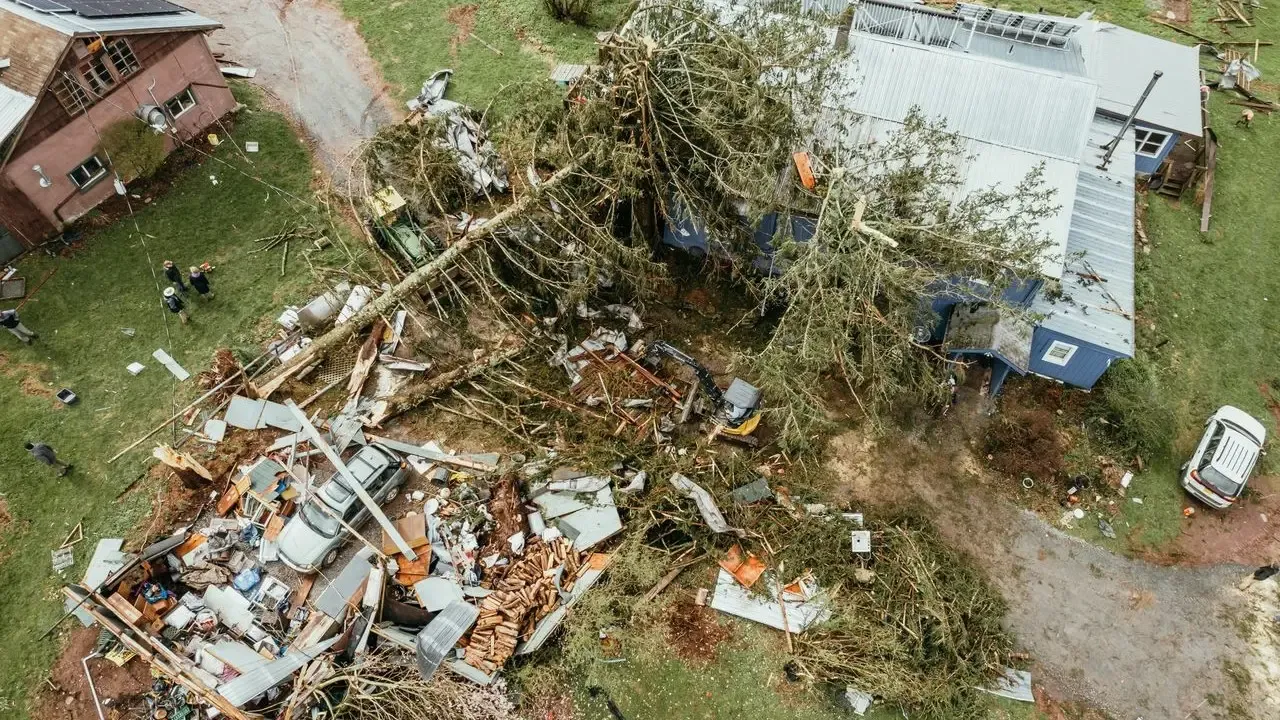

After a powerful storm passes, homeowners often face a garden filled with scattered debris and uncertain risks. Assessing whether trees remain stable or pose immediate threats requires careful observation before anyone returns to normal outdoor activities. The priority remains protecting people and property while determining which issues demand expert intervention right away.
Starting the Assessment from a Safe Vantage Point
Begin by viewing the garden from inside the house or another secure spot once winds have subsided. Scan trees, fences, and paths for obvious changes such as limbs on the ground, branches lodged high in the canopy, or trunks that now tilt at new angles. Wet ground can reduce root stability, making even upright trees more vulnerable than they appear. ([1])
Small twigs on the lawn are usually simple to spot, yet larger problems often remain hidden overhead. A cracked limb may dangle out of sight, ready to drop with the next breeze. Walking directly beneath suspect trees should be avoided until a closer inspection confirms safety.
Recognizing Broken Branches and Structural Weakness
Broken or hanging branches rank among the most frequent post-storm issues. Fresh cracks, stripped bark, and limbs angled unnaturally all point to potential failure points. A branch that looks intact from below may still have a split base that only becomes visible from certain angles.
Pay special attention to any wood extending over sheds, greenhouses, walkways, or play zones. These locations carry higher risk if further movement occurs. Attempting to pull or cut damaged sections without training can lead to unpredictable shifts, so restraint is essential until professionals arrive.
Keeping Children and Pets Out of Harm’s Way
Young family members and animals naturally want to explore after being kept indoors. Clear explanations about why certain areas stay off-limits help prevent accidental exposure to falling debris. Closing access points to the garden until hazards are addressed provides an extra layer of protection.
Pets may chase after loose wood or attempt to climb weakened limbs, creating additional concerns. Leaving debris untouched near damaged trees and encouraging everyone to report new cracks or drops supports ongoing vigilance without direct contact.
Deciding When an Arborist Must Be Called
Certain conditions require immediate professional evaluation rather than homeowner handling. A sudden lean in a previously straight trunk, a visible split, or large suspended branches near structures all qualify as urgent. Blocked access routes or trees resting against buildings also fall into this category.
Qualified arborists can evaluate risks, outline necessary steps, and distinguish between work that must happen quickly and tasks that can wait. Choosing insured professionals ensures both safety and proper technique during removal or stabilization.
- New trunk lean or visible splits
- Large hanging limbs over high-traffic areas
- Trees contacting buildings or power lines
- Blocked driveways or emergency routes
Supporting Recovery and Building Future Resilience
Many trees lose minor branches yet continue to thrive once immediate dangers are cleared. Monitoring for new cracks, wilting foliage, or dead twigs in the following weeks helps track overall health. Documenting changes with dated photos creates a useful record for later reference.
Reducing stress around the base by keeping heavy objects away and avoiding soil buildup against the trunk aids natural recovery. Regular ground-level checks after future storms become a practical habit that protects both the landscape and household safety over time.
A measured approach to post-storm tree care turns potential hazards into manageable steps. Homeowners who combine careful observation with timely professional support maintain gardens that remain both enjoyable and secure for years ahead.
AI Disclaimer: This article was created with the assistance of AI tools and reviewed by a human editor.