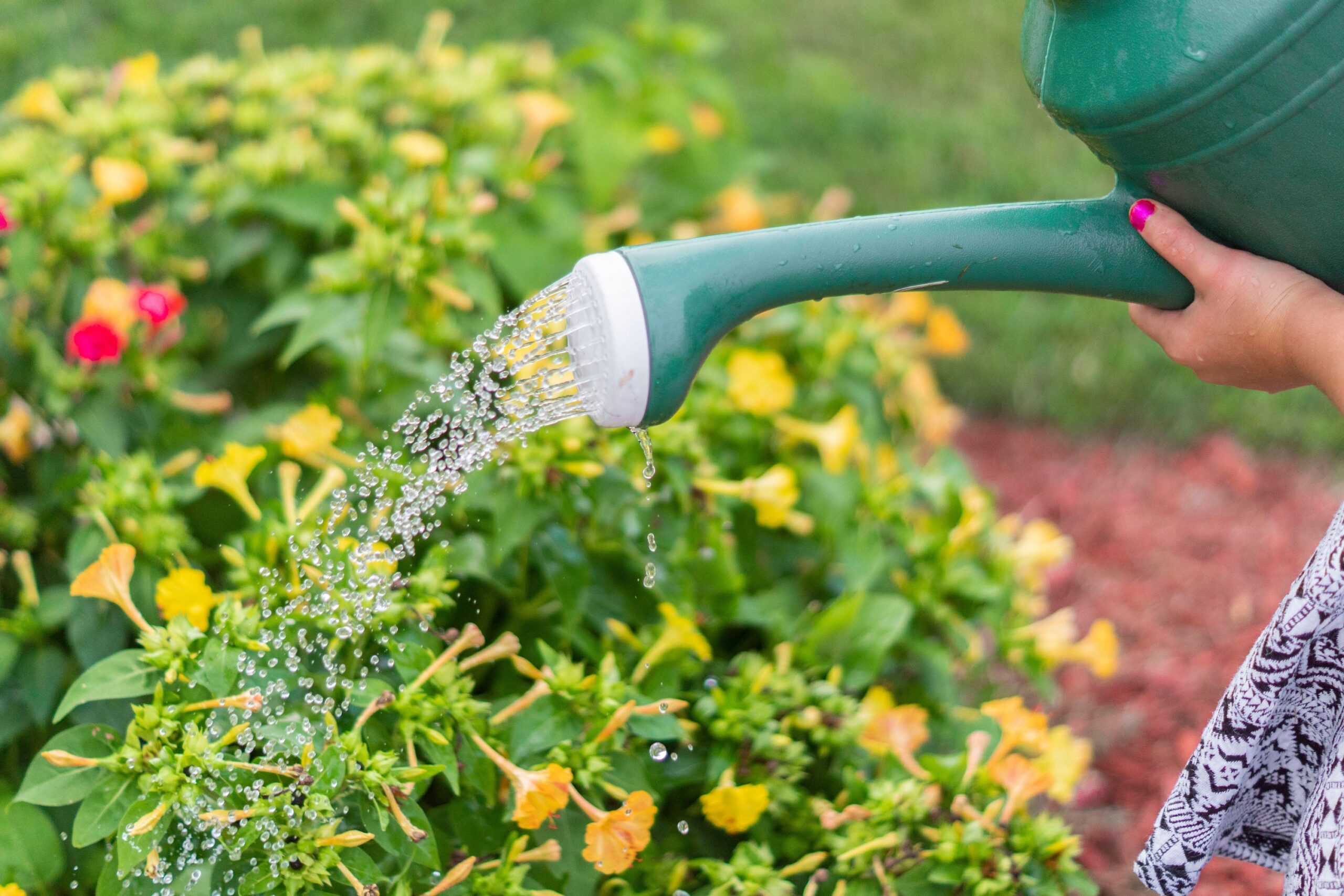

The Specific Time You Should Avoid: After Sunset
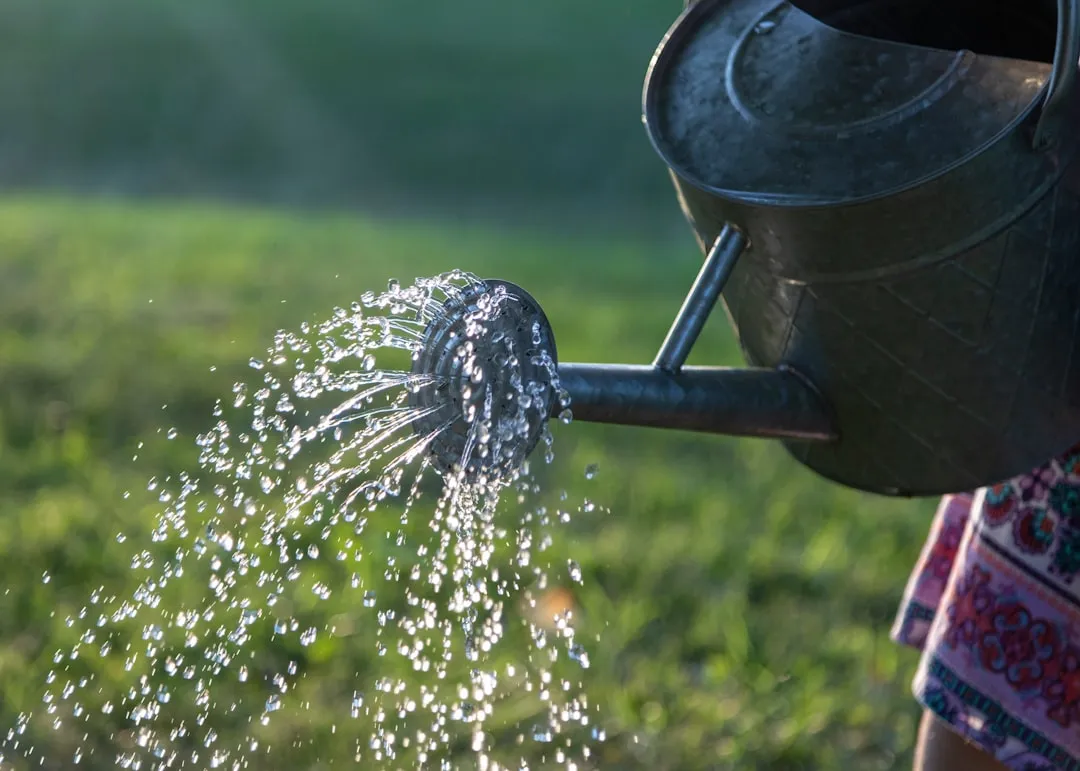
There are real risks when it comes to watering plants at night, and the main one is fungal growth. Watering late in the evening creates a damp environment that’s essentially perfect for fungus to take hold. This isn’t a minor inconvenience. Left unchecked, it can spiral into something that kills a plant from the roots up.
If you leave irrigation running overnight, you lose the ability to monitor how much water is actually going into the soil. That lack of monitoring can increase the risk of waterlogging and overwatering, which directly leads to root rot. Evening hand-watering is somewhat controllable, but automated systems running through the night are particularly risky.
Why Wet Roots at Night Are a Problem
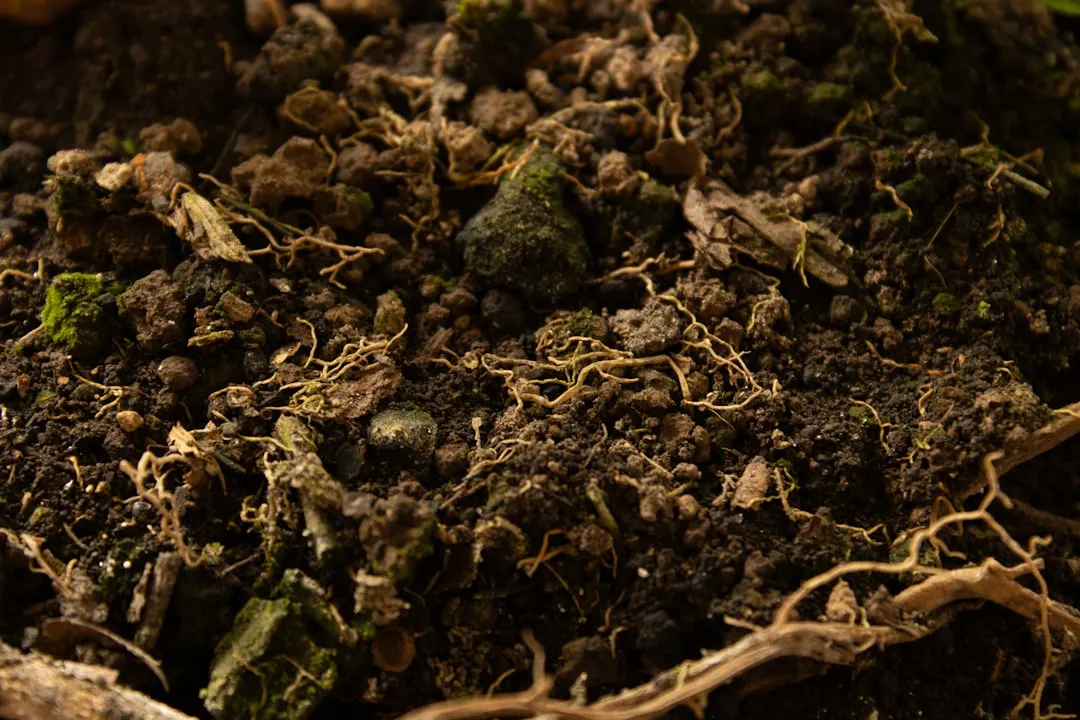
Root rot is a condition in which anoxic conditions in the soil around the roots of a plant cause them to rot, and it occurs due to excessive standing water around the roots. The word “anoxic” is the key here. It means without oxygen, and that’s where the real damage starts.
Overwatering doesn’t kill plants simply by giving them too much water. It kills them by drowning the roots and cutting off their oxygen supply. Plant roots need air pockets in the soil to breathe and function. When soil is constantly saturated, these air pockets fill with water, and the roots suffocate. This oxygen deprivation leads to root rot, where roots begin to decay and turn mushy.
The Biology: What Actually Happens Underground
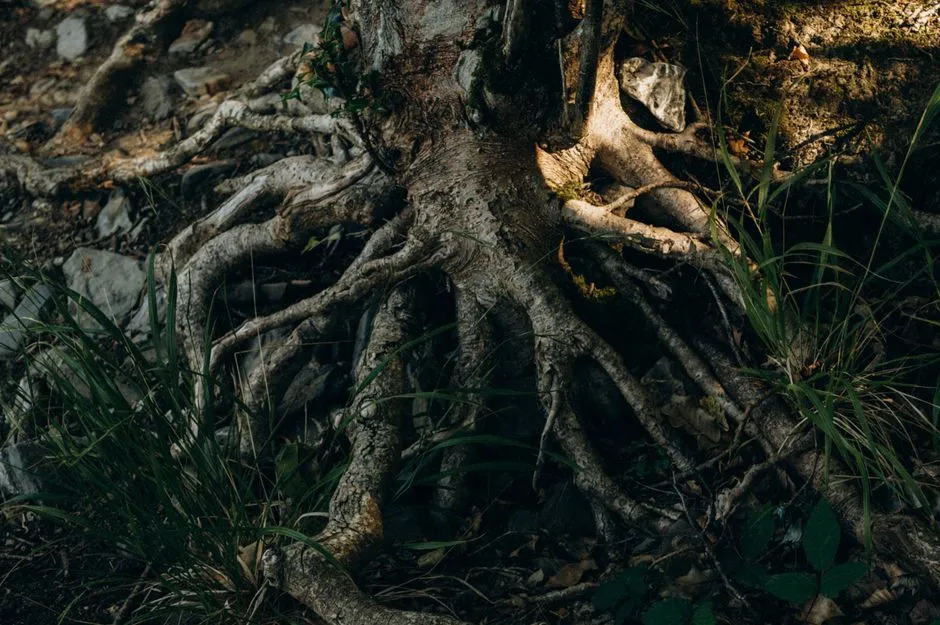
The primary damage occurs at the root level, where waterlogged soil displaces oxygen from the spaces between soil particles. This lack of oxygen creates an anaerobic environment that prevents roots from respiring properly, leading to suffocation and eventual decay, a condition known as hypoxia, which can rapidly deteriorate the entire root system.
When there is less oxygen available in the soil, root cells are forced to increase their usage of anaerobic respiration over aerobic respiration. Anaerobic respiration produces ethanol, which is toxic to plant cells and may result in the death of root cells. This is a one-way process. Once a root system starts collapsing this way, recovery is difficult and sometimes impossible.
The Pathogens Waiting in Wet Soil
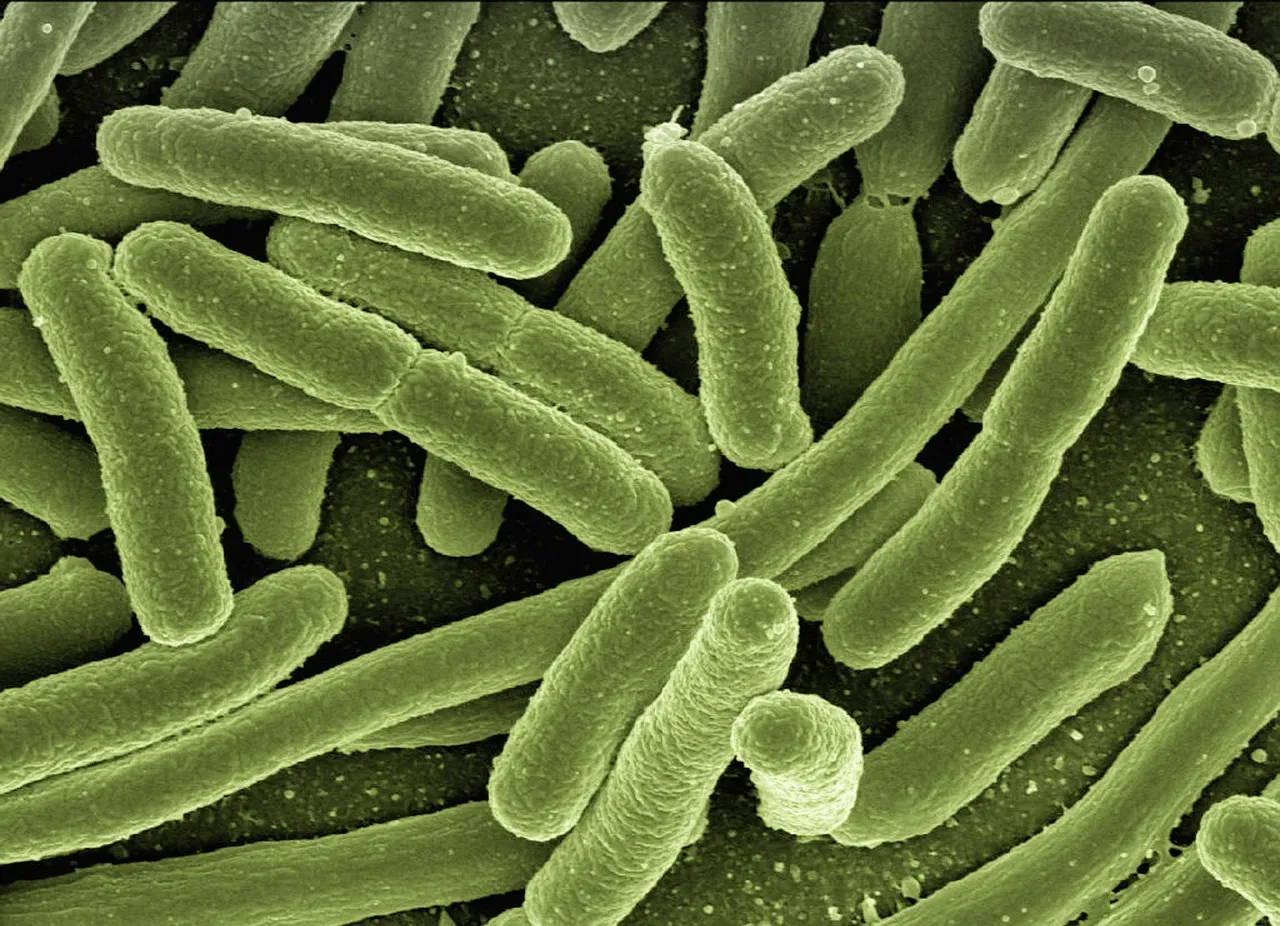
Most garden root rot problems are caused by water molds, including Phytophthora and Pythium, as well as true fungi like Rhizoctonia and Fusarium. These organisms thrive in damp conditions and can survive in the soil for many years. They’re already there, in most garden beds, waiting for the right conditions.
As roots rot away, plants lose their ability to take up water and nutrients. That’s why plants with root rot often wilt, yellow, or decline even when the soil is moist and nutrients are available. It’s a cruel irony. The plant looks thirsty precisely because too much water has shut down the mechanism that should be delivering hydration.
Evening Watering and the Fungal Surface Problem
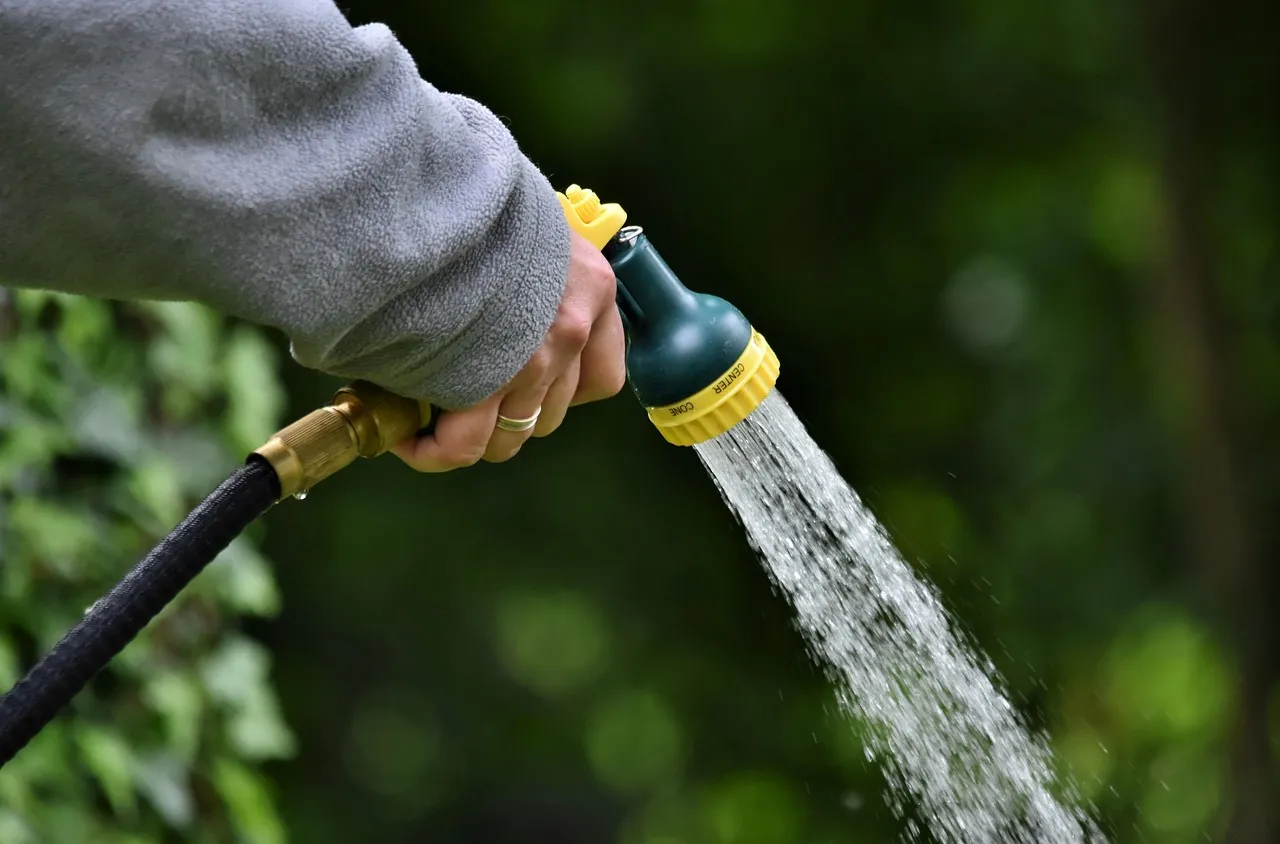
Watering plants from above with a watering can or sprinkler causes the foliage, flowers, and fruit to become wet. Watering at night allows that moisture to sit on the foliage for longer. As a result, fungi and bacteria have a perfect environment for replication and invasion on the plant’s surfaces.
While it might seem intuitive to water plants when the day has cooled down, this practice sets the stage for garden diseases. Fungal spore germination conditions thrive in cool, moist evenings, with water droplets lingering on leaves and soil, creating perfect habitats for pathogens like powdery mildew and botrytis blight. This is particularly problematic for densely planted beds where air circulation is already limited.
The Midday Trap: Why Noon Is Also the Wrong Time
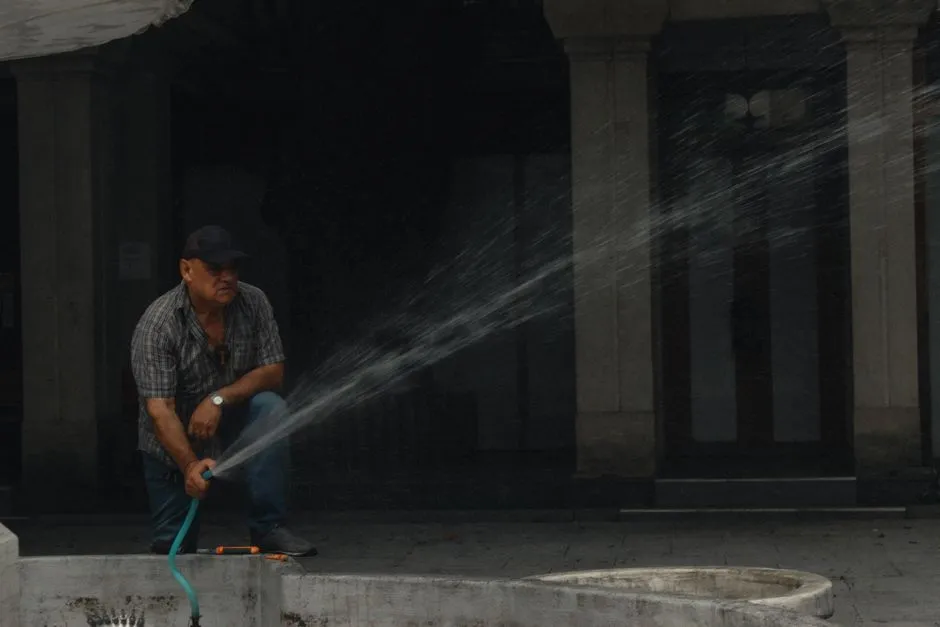
Watering in the middle of the day or late afternoon is the worst possible time for a different reason. Drops of water on foliage are reflected by sunlight and magnified by it, which can burn and boil your foliage. The damage here is above-ground rather than below, but it still compromises the overall health of the plant.
Watering at midday is also less efficient because of rapid evaporation. When using a sprinkler, midday watering can be wasteful as strong winds may carry water onto the driveway, patio, or other nearby areas. So you’re using more water, losing more to evaporation, and potentially scorching leaves at the same time.
The Proven Best Time: Early Morning
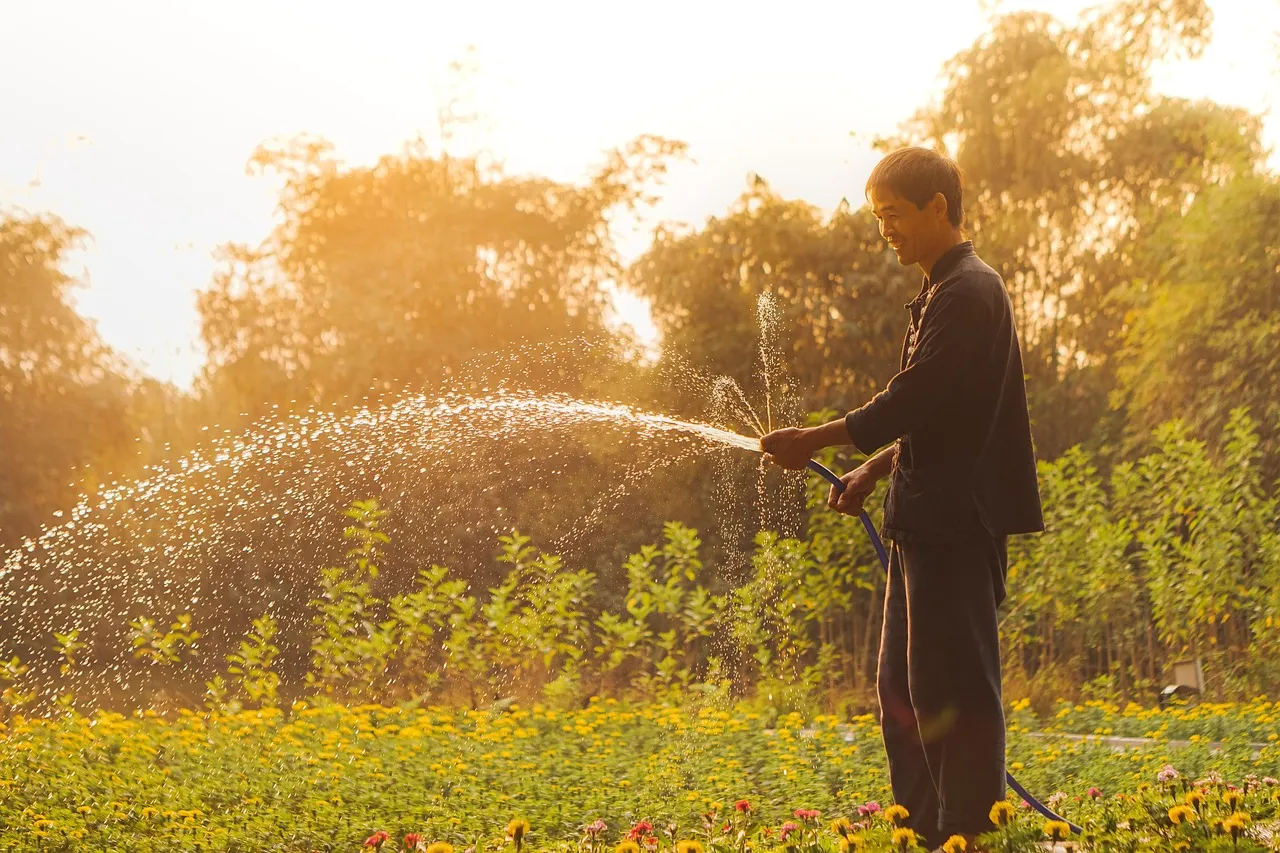
The best time to water plants is in the morning, ideally between 5:00 a.m. and 9:00 a.m. This allows water to reach the roots efficiently, supports plant metabolism, and minimizes disease risk. Iowa State University’s extension department aligns with this window as the established best practice for overhead watering methods.
Morning watering maximizes plant hydration when temperatures are coolest, allowing water to penetrate deep into soil before evaporation kicks in. This supports photosynthesis efficiency by keeping stomata open longer, letting plants take in CO2 and release oxygen more effectively. Essentially, everything about the morning environment works in the plant’s favor.
What Roots Actually Need: Oxygen Between Waterings
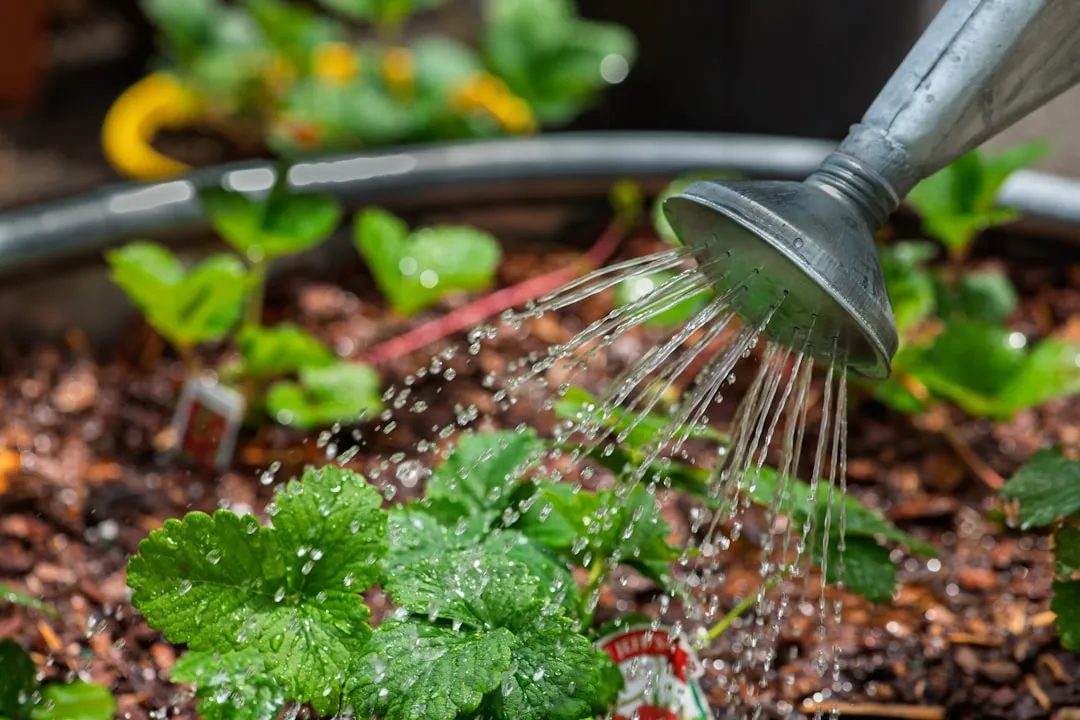
The goal isn’t simply to water less. It’s to ensure oxygen can get back into the soil between waterings. This is why drainage matters so much. A pot with holes in the bottom lets excess water escape, which pulls fresh air into the soil behind it.
If you’re not sure when plants are ready for a drink, test the moisture levels in the ground with a finger. The soil should be dry to at least two knuckles deep before watering again. This simple test is more reliable than any fixed schedule and costs nothing.
How to Recognize Root Rot Before It’s Too Late
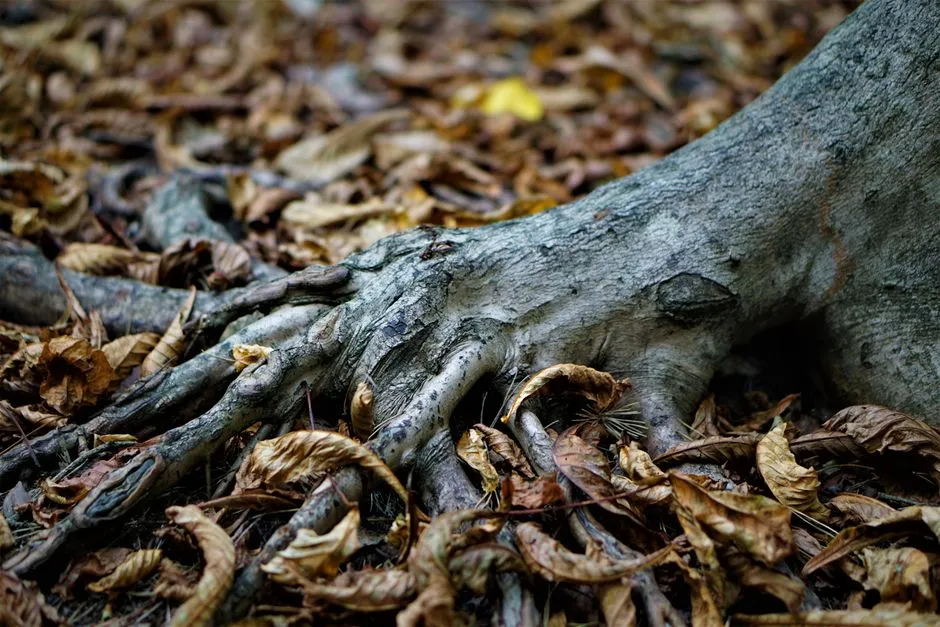
Healthy roots are firm and light-colored. Roots affected by rot turn brown or black and become soft and mushy. By the time you see symptoms above ground, the damage below is usually already significant.
Gardeners often become aware of root rot problems when they see above-ground symptoms. Plants with root rot are often stunted, wilted, or have top-down dieback. They may also have leaves with a yellow or red color, suggesting a nutrient deficiency. Overwatered plants sometimes smell sour, fermented, or swampy near the base, a clear sign that oxygen is lacking and rot has started.
Practical Fixes: Smarter Watering Going Forward
If you must water in the evening, focus on the roots using drip systems to avoid wetting foliage, which can cause disease. Avoiding watering after 7:00 p.m., especially during cooler seasons, and prioritizing well-drained soil to reduce standing water risk are practical steps that help considerably.
Improving drainage in heavy soils by adding generous amounts of organic material and working it in is effective. Repeated additions over time improve soil structure, allowing excess water to drain more quickly and reducing the conditions that favor root rot. Also, avoid applying more than three inches of mulch in flowerbeds, as excessive mulching can lead to overly wet soils, which favor root rot fungi growth and reproduction.
Seasonal Adjustments Matter Too
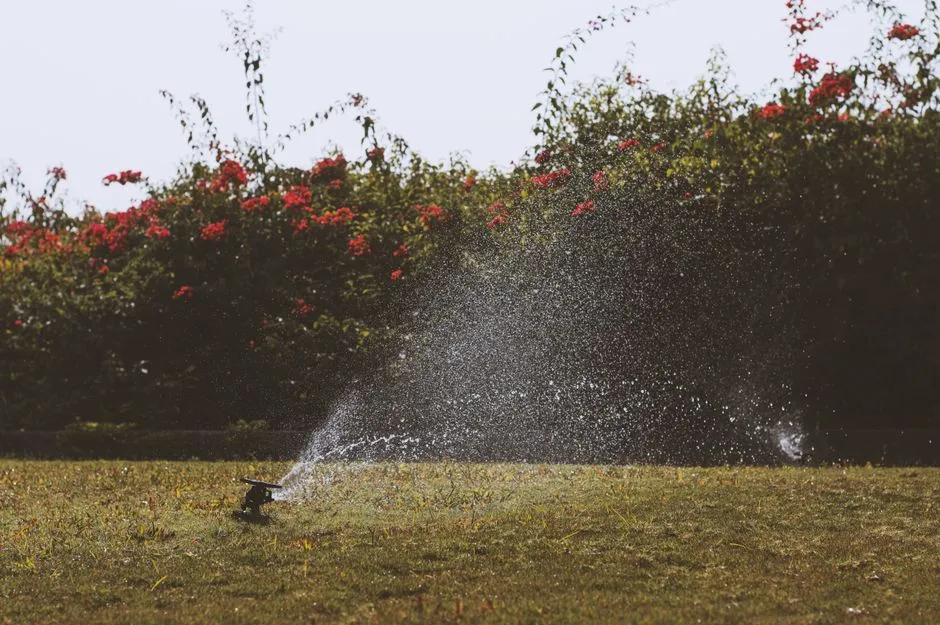
Be mindful of seasonal changes. In spring and summer, plants typically need more water due to higher evaporation rates. Reduce watering frequency in fall and winter when growth slows down. This is an often-overlooked detail, especially for gardeners who run automated irrigation systems year-round without adjusting the schedule.
During winter, many plant species enter a dormant phase, requiring minimal hydration. Overwatering during this period increases susceptibility to root rot, which occurs when roots sit in excessively moist conditions. Cold, saturated soil is one of the most damaging combinations a garden can face, and it’s largely avoidable with a seasonal watering reset.
Timing a watering session feels like such a small decision. Yet it shapes what happens in the dark, inches below the surface, where the real work of a garden takes place. Shift to early morning, check the soil before you water, and let the roots breathe. The plants will show you the difference within weeks.AI Disclaimer: This article was created with the assistance of AI tools and reviewed by a human editor.