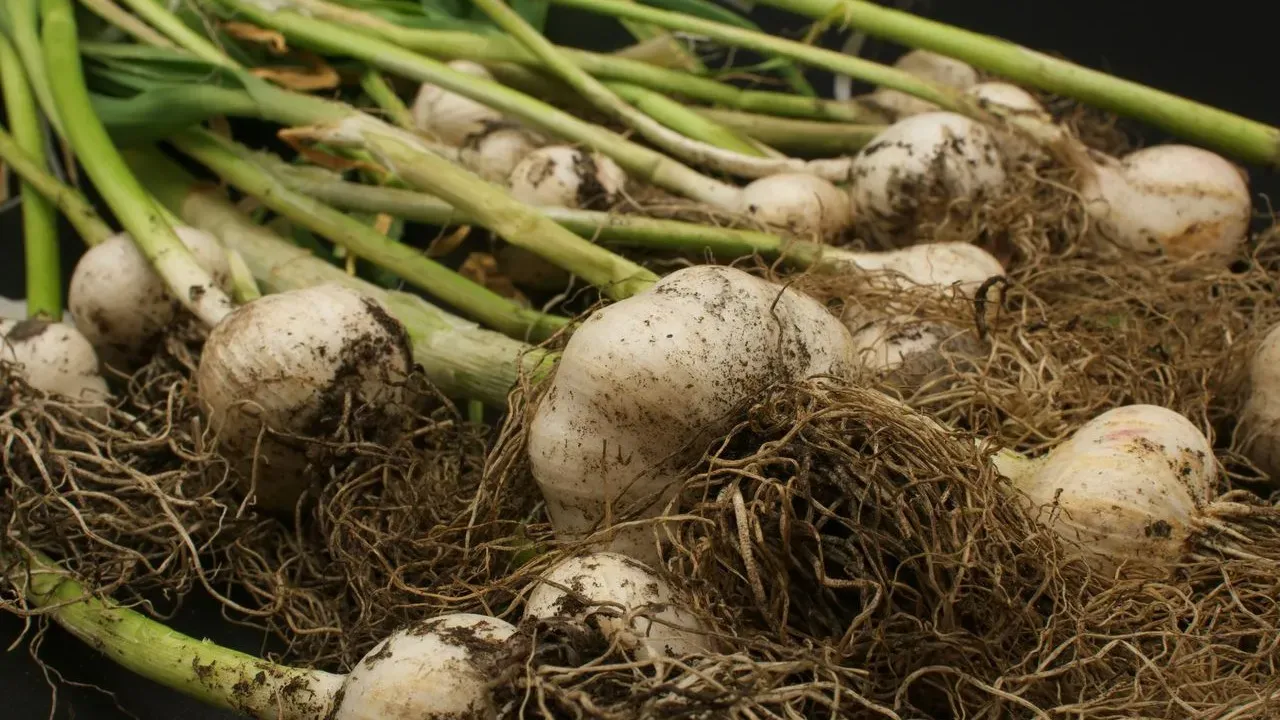

Most flower beds look finished by mid-November, with spent stalks down and the soil turning cold. A November feature from Hoosier Gardener ([1]) makes the case that the season is not over yet. Garlic bulbs can still go into the ground, and they will spend the winter developing out of sight for a harvest next summer. ([1])
The frozen ground is the real deadline
The calendar matters less than the soil. If the ground remains workable and unfrozen, it is probably not too late to plant garlic. ([2]) Gardeners who can still dig a hole in their beds have not run out of options, even if the first hard frost has already arrived.
Timing still counts, though. Mid-November is usually considered the latest limit for planting, but it can still yield decently sized bulbs as long as the cloves have a couple of weeks to form roots before heavy frosts set in. ([2]) Cold soil slows everything, so a clove planted late has less time to anchor itself before winter arrives.
Roots first, leaves later
The appeal of fall planting lies in what the plant does not do. Garlic devotes its early energy to roots rather than top growth, which lets the bulb build a base before spring. The Hoosier Gardener piece describes this as a way for the roots to develop without spending energy on stalks and leaves above the soil.
Cold weather is also part of the process. University of Georgia Extension notes cloves need 6 to 8 weeks of cool weather below 40°F after planting. ([3]) Winter supplies that chill naturally, which is why many gardeners treat November planting as a routine part of the garden calendar rather than a rescue effort.
Key points for a late-fall planting
- Plant only while the soil can still be worked.
- Give cloves enough time to root before the hard freeze.
- Expect smaller bulbs from late plantings, since late cloves make fewer roots before winter and the bulbs may be smaller. ([4])
Mulch and the summer payoff
Once the cloves are in, the winter protection does much of the work. In cold regions, mulch keeps the soil from freezing and thawing over and over, which can heave cloves out of the ground. ([3]) Straw, shredded leaves, or similar material are common choices, and a thick layer keeps the bed steady through the coldest weeks.
The reward arrives the following season. Gardeners who plant in November usually see green shoots appear in spring, followed by the bulb swelling through early summer. The harvest is not guaranteed to match a September or October planting, but for a gardener who had not yet planted, a November bed still offers a real chance at a summer crop.
A crop that waits quietly
The lesson of the season is simple. A garden that looks finished may still have one more task. As long as the ground can be dug, garlic can go in, roots can form, and the bulbs can gather strength out of sight until warmer days return.
AI Disclaimer: This article was created with the assistance of AI tools and reviewed by a human editor.