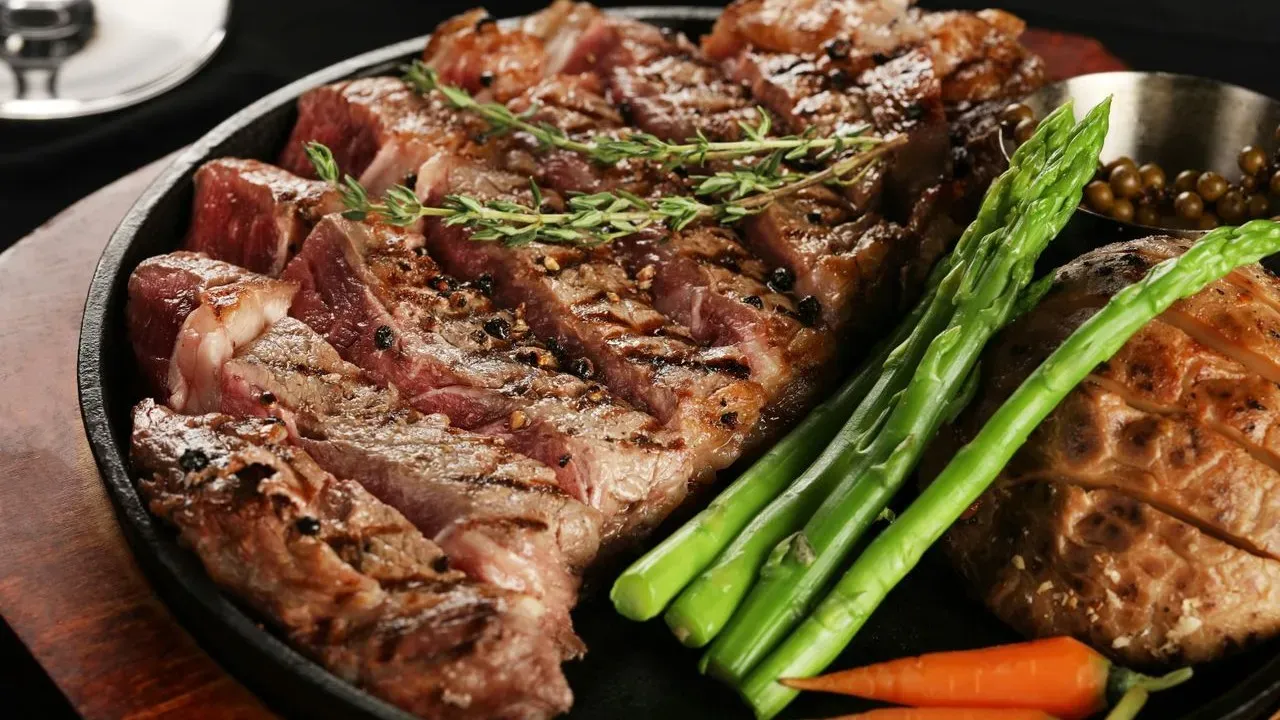

Scientists at EMBL Barcelona have developed a new approach that allows bovine embryonic stem cells to form multiple tissue types at once, marking a notable step in efforts to produce cultivated meat. The work focuses on creating structures that include muscle, nerve, and blood vessel components without the need for separate assembly steps. This development addresses one of the core difficulties in scaling lab-grown meat beyond simple cell cultures. ([1])
Why the Research Matters Now
Traditional methods for cultivated meat often rely on adult stem cells taken from living animals. These cells have a restricted ability to divide and are already directed toward specific tissue types, which limits their usefulness for building complex products like steak. Embryonic stem cells offer greater flexibility because they can multiply extensively while remaining capable of turning into different cell kinds.
The practical consequence is a potential reduction in the number of animals needed for cell sourcing. Stakeholders in the cultivated meat sector, including startups and research institutions, have long sought ways to improve efficiency and reduce costs. This proof-of-concept work shows how self-organization might simplify production processes over time.
How the Cells Form Tissue
Researchers generated skeletal muscle cells, neurons, and endothelial cells from a single line of bovine embryonic stem cells. These components then organized themselves into three-dimensional aggregates that resemble early muscle tissue structures. The process mimics natural development rather than requiring manual layering or external scaffolds for basic assembly.
The resulting tissues contain the key elements needed for more realistic meat texture and function. Nerve cells and blood vessel precursors appeared alongside muscle cells, which could eventually support larger and more viable constructs. The method avoids some of the complex engineering steps that have slowed progress in the field.
Obstacles That Remain
Current tissues are still very small, and larger structures would require more mature blood vessel networks to supply nutrients and remove waste. Without those networks, growth beyond a certain size becomes difficult. Researchers have noted that the work represents an early demonstration rather than a ready production technique.
Cost presents another significant barrier. Growing and directing embryonic stem cells demands specialized culture media and reagents that remain expensive at scale. Until these inputs become more affordable, commercial production of items like steak stays economically challenging for most companies.
What Matters Now
Industry players will watch how quickly the approach can be refined and combined with other techniques. Regulators and investors are also tracking progress on safety, consistency, and consumer acceptance of cultivated products. Continued funding and collaboration between academic labs and commercial firms will likely determine the pace of further advances.
Looking Ahead
The EMBL Barcelona findings add to a growing body of research aimed at making cultivated meat more viable. While full-scale lab-grown steaks are not yet available, incremental improvements like this one help clarify the remaining technical and economic steps. The field continues to move forward through measured scientific gains rather than sudden leaps.
AI Disclaimer: This article was created with the assistance of AI tools and reviewed by a human editor.