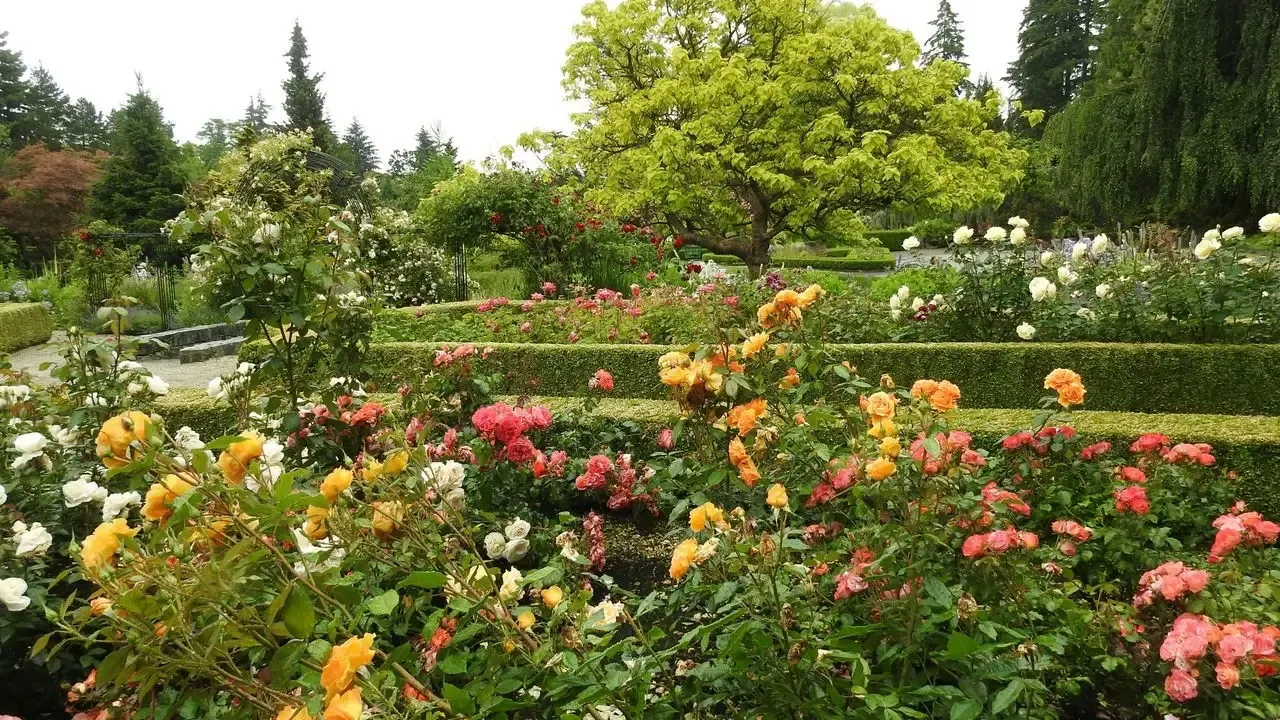

A visit to the Royal Botanic Garden Sydney reveals thoughtful plant combinations and layout choices that reward close attention. The garden’s mix of native Australian species and structured features creates spaces that feel both wild and intentional. Gardeners elsewhere can adapt several of these approaches to suit their own yards and climates.
Native Plants Deliver Texture and Resilience
The Australian Native Rockery showcases plants such as grevilleas, flannel flowers, and Gymea lilies. These species thrive in varied conditions and provide year-round interest through foliage, flowers, and form. Home gardeners in similar climates can replicate the effect by grouping these or comparable natives in well-drained beds.
Grevilleas offer nectar-rich blooms that attract pollinators while tolerating drought once established. Pairing them with strappy-leaved plants like lomandras creates contrast without high maintenance. The result is a low-water garden that still feels lush and dynamic.
Sensory Layers Enhance Everyday Enjoyment
Sections of the garden emphasize touch, scent, and sound alongside visual appeal. Paths wind through areas where plants invite brushing against leaves or catching fragrance on the breeze. This approach turns a simple stroll into a richer experience.
At home, designers can introduce sensory elements with hardy choices such as lavender for scent, bamboo for gentle rustling, and succulents for varied textures. Placing these near seating areas or walkways encourages repeated interaction. The garden demonstrates that even modest plantings can engage multiple senses when thoughtfully arranged.
Structural Elements Create Lasting Impact
The Palm Grove and succulent displays illustrate how bold plant architecture anchors a landscape. Tall palms and dramatic succulents provide vertical interest and focal points that persist through seasons. These features give the garden its distinctive character.
Backyard applications include using palms or similar large specimens to frame views or define zones. Succulent groupings work well in sunny, dry spots and require little ongoing care. Combining these with lower groundcovers mirrors the layered effect seen in Sydney.
Practical Takeaways for Any Garden
- Group plants by water needs to simplify irrigation and improve health.
- Incorporate winding paths to slow visitors and highlight details.
- Mix natives with reliable performers for both beauty and sustainability.
- Use texture contrasts to add depth without relying on constant color changes.
- Position sensory plants near paths or patios for daily enjoyment.
These strategies translate across regions when local conditions guide plant selection. The Royal Botanic Garden Sydney shows that strong design rests on observation and restraint rather than excess.
Small adjustments inspired by such visits often yield gardens that feel more cohesive and alive. The principles remain relevant long after the trip ends.
AI Disclaimer: This article was created with the assistance of AI tools and reviewed by a human editor.