

It’s always thrilling to think beyond the summer heat and plan for the crisp, colorful bounty of autumn! Starting seeds in June might feel late, but with the right varieties and a bit of care, you’ll be pulling tender greens, crunchy roots, and brassicas right through the first frosts. Succession sowing now keeps your garden in constant production—no more long gaps between harvests—so get ready to extend your season and savor fresh veggies when cooler days arrive.
I know it can be a bummer when you miss the window for cool-season crops, but June planting can be your secret weapon for a lush autumn spread. Whether you’re working with raised beds, containers on the patio, or open rows in a larger plot, these 15 veggies will reward you for planting now. Prep your soil with plenty of organic matter, water consistently, and let’s dive into which vegetables to start today for a fall harvest you’ll be proud of!
Kohlrabi

Kohlrabi (Brassica oleracea var. gongylodes) is a European brassica that stays neat in the garden without any hint of invasiveness. Its swollen stem, resembling a little turnip above ground, is best harvested when it’s the size of a tennis ball—plant in June and you’ll be enjoying crisp, mild bulbs by October.
One of my favorite things about kohlrabi is the dance of its delicate yellow flowers when plants bolt—those umbels attract hoverflies and predatory wasps that help keep aphids at bay! To ensure succulent stems, provide well-drained soil rich in compost and thin seedlings to 8 inches apart, giving each plant room to swell.
Arugula
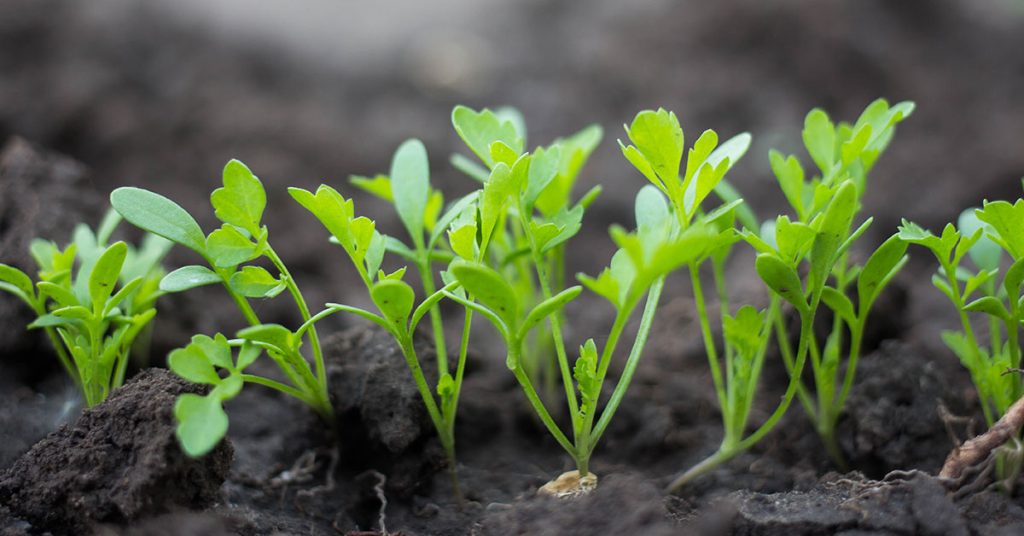
Arugula (Eruca sativa) hails from the Mediterranean and isn’t invasive, though it can reseed if you let it flower—pinching out blossoms encourages more tender leaves! Sown in June, arugula will deliver peppery greens for salads and sandwiches throughout the fall season, with quick germination even under warming soils.
Its tiny white flowers are magnets for hoverflies and small native bees seeking nectar—a sweet bonus for pollinator-friendly gardeners! I love sneaking out at dawn to watch them flit among the blossoms, making the whole sowing effort even more rewarding. Thin young seedlings to about 4 inches apart for large, flavorful leaves.
Kale
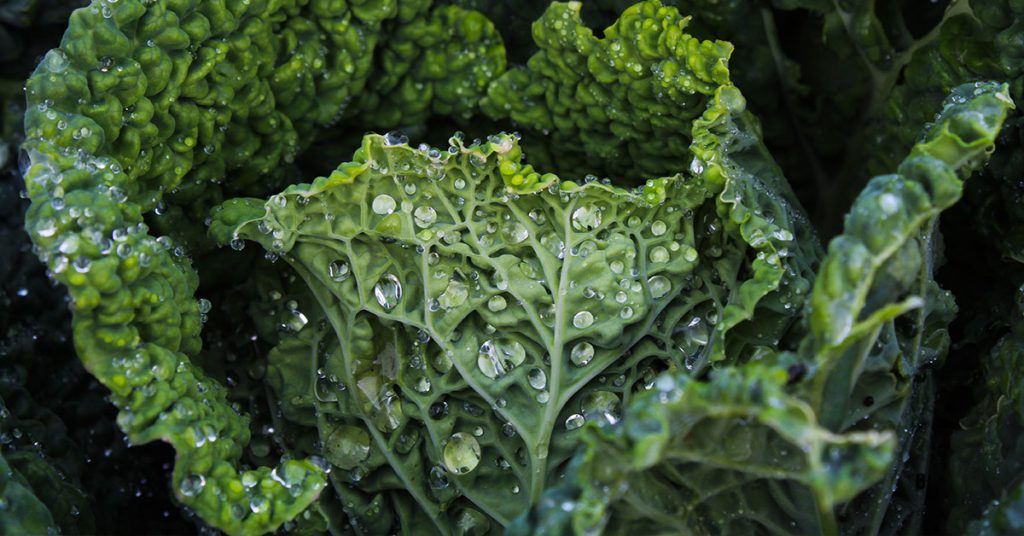
Kale (Brassica oleracea var. sabellica) traces back to coastal Europe, and while stray seeds might sprout volunteers, it’s not considered invasive. When sown in June, kale forms lush rosettes that survive light frosts and turn even sweeter after a chill—perfect for autumn salads or cooked greens.
Allowing a single plant or two to bolt and bloom can produce tiny yellow flowers that attract mason bees and solitary wasps! I often let those blooms stand as “sentinels” for beneficial insects, then dedicate the rest of the patch to leaf harvests. Keep your soil evenly moist and rich in organic matter to prevent toughness in the leaves.
Turnips
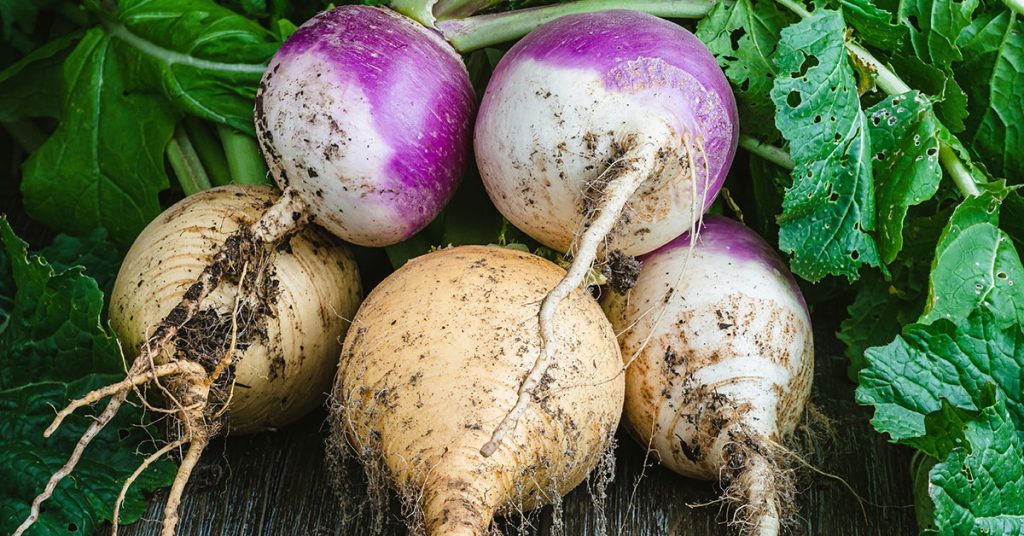
Turnips (Brassica rapa subsp. rapa) have roots in Europe and Asia and are well-behaved in cultivation. Their swift 50–60 day maturity means June plantings yield tender bulbs and peppery greens by mid-fall—ideal for roasted sides or hearty stews.
When turnips flower, their delicate white umbels lure tiny solitary bees gathering pollen—a lovely sight in any late-season garden! For uniform, smooth roots, thin seedlings to 4 inches apart and maintain consistent moisture, especially in warmer spells.
Carrot

Carrots (Daucus carota subsp. sativus) originated in Central Asia, and while wild carrot cousins can naturalize in some regions, cultivated varieties remain tidy in rows. When direct-sown in June, carrots will develop sweet, crisp roots by late September—just in time for autumn harvest.
Watching carrot foliage shimmer in the breeze often attracts ladybugs and lacewings, voracious predators of aphids! If plants bolt and flower, their umbrella-shaped umbels become a haven for beneficial insects—though I usually pinch them off to focus on root development. Light, sandy soil enriched with compost helps produce those perfect, straight roots.
Swiss Chard
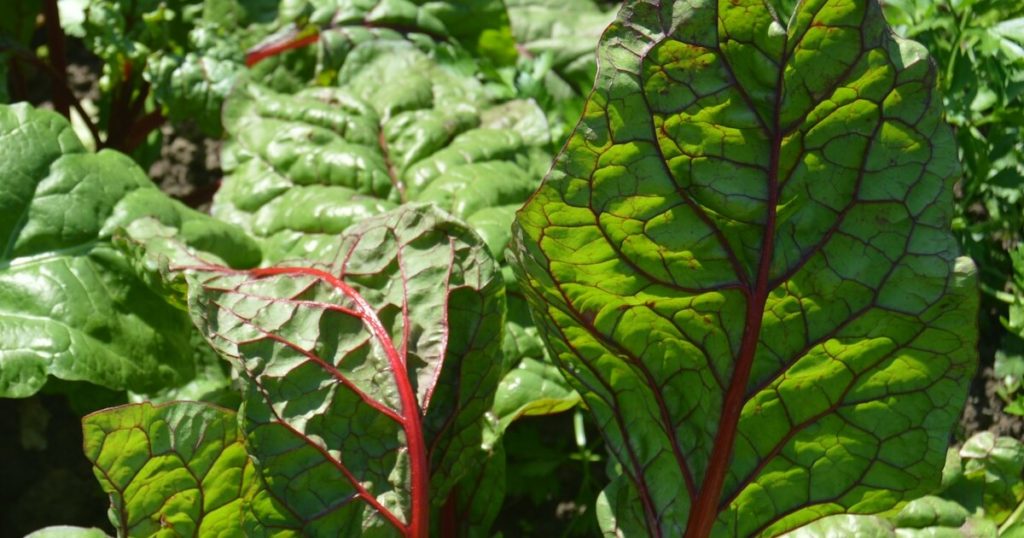
Swiss chard (Beta vulgaris subsp. cicla) shares ancestry with beets and hails from the Mediterranean; it’s non-invasive but will self-seed if you let it go to seed. June sowings yield vibrant stalks and lush leaves well into fall, with minimal fuss and continuous harvest of outer leaves.
Chard’s tall clusters of greenish-white blooms are a magnet for long-tongued bees and butterflies! I often leave a few to flower, providing both color and habitat for pollinators even as the season wanes. Thin seedlings to 6–8 inches apart to allow for those broad, juicy leaves.
Lettuce
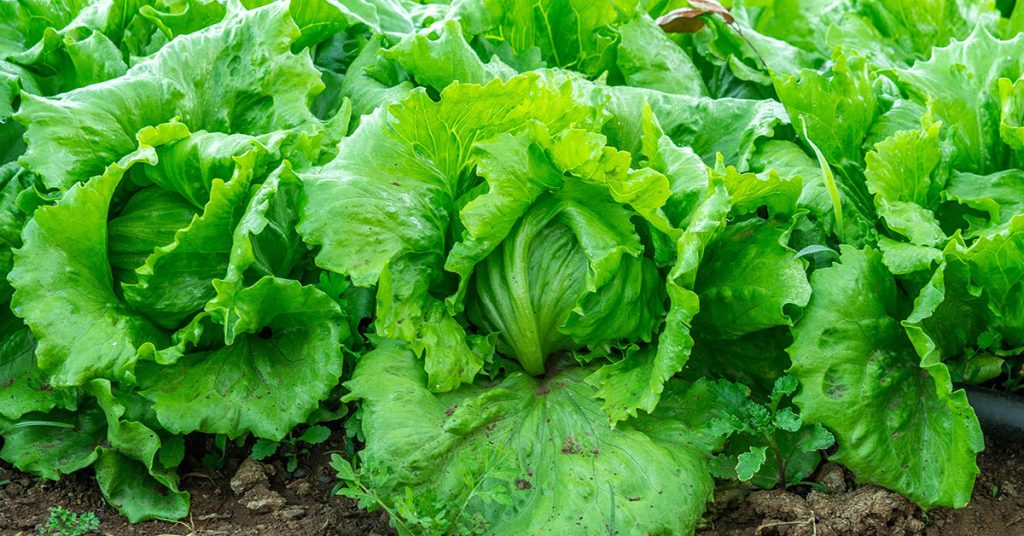
Lettuce (Lactuca sativa) sprung from wild Mediterranean lettuces and isn’t invasive, though it bolts quickly in heat—so June sowing for fall’s cooler days is ideal! You’ll enjoy crisp heads of butterhead, romaine, or loose-leaf varieties just as temperatures dip, with minimal risk of premature bolting.
Although lettuce flowers yield tiny dandelion-like blooms that feed small pollinators, most gardeners cut them before seeding. I sometimes feel a pang of regret as I remove them, but each planting flush makes it worth it! Give seedlings afternoon shade and consistent moisture to prevent bitter leaves.
Radish

Radishes (Raphanus sativus) originated in Southeast Asia and aren’t invasive, though they might volunteer in fertile plots. Their lightning-fast 25–40 day maturity makes them perfect fillers between slower crops—harvest crisp roots in late summer or let them grow into milder winter types.
Should you allow radishes to flower, those pretty white or pink petals beckon beneficial wasps and syrphid flies looking for nectar! Watching these pollinators zip around my radish patch always brings a smile. Sow in succession every couple of weeks for a continuous supply and keep soils evenly moist to prevent splitting.
Peas

Peas (Pisum sativum) come from the Near East and generally stay contained, though some heirloom varieties will pod-drop and reseed. For a second, cooler-season crop, choose heat-tolerant snap peas and sow in June for sweet, crunchy pods by late fall!
Their delicate blossoms are a bee favorite, so you’ll see plenty of buzz among the vines if you train them on a sturdy trellis. One of my sweetest gardening moments is gathering fresh snap peas with honeybees humming nearby—it’s pure magic. Enrich the soil with compost and set up supports early so vines can climb without delay.
Broccoli
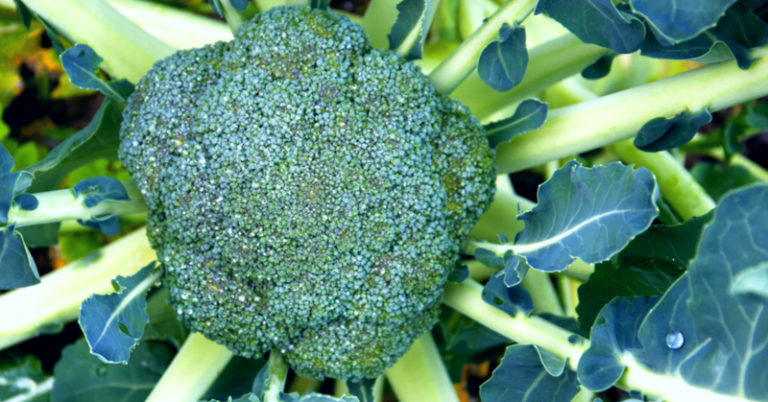
Broccoli (Brassica oleracea var. italica) traces back to wild cabbage in the Mediterranean and doesn’t escape into the wild here. A June sowing sets you up for robust central heads in October—just before heavy frosts threaten the florets. Harvesting early sparks a flush of tender side shoots, too!
If you let some plants bolt, the bright yellow blooms become a nectar buffet for native solitary bees. Even a few flowering heads can boost biodiversity in your plot. Maintain soil pH around neutral, mulch well, and keep moisture steady during germination to avoid stunted growth.
Collard Greens
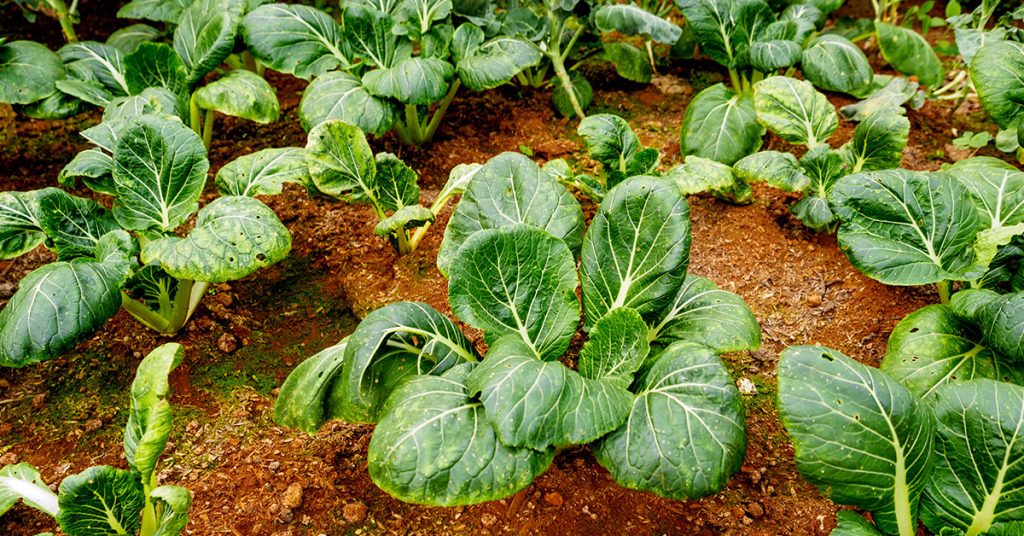
Collard greens (Brassica oleracea var. viridis) are a Mediterranean wild cabbage relative and stay right where you plant them. Sown in June, they produce sturdy, deep-green leaves perfect for braising or stir-fries once cooler weather sets in.
Their yellow flowers, if allowed, draw in bumblebees and predatory insects hunting aphids. I always feel proud watching my collards feed wildlife as well as my family! Consistent moisture and a rich, loamy soil keep leaves tender and prevent bitterness.
Cabbage
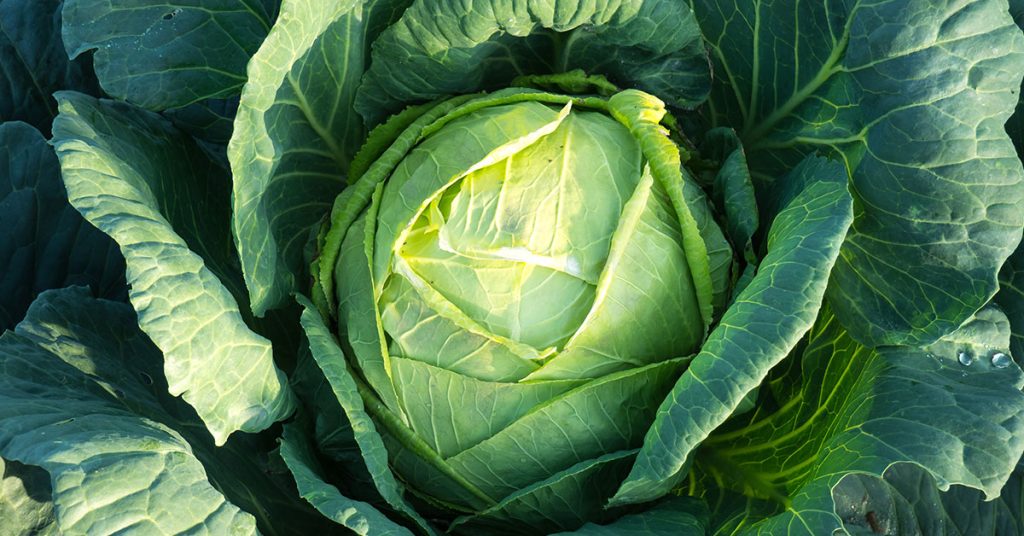
Cabbage (Brassica oleracea var. capitata) also descended from European wild brassicas and remains well-mannered. A June transplant—or direct sow in cooler climates—yields firm, globe-shaped heads by fall, ideal for slaws and homemade sauerkraut.
When cabbage bolts, its yellow flowers are magnets for bumblebees and solitary bees, enriching your garden’s ecosystem. Sparing a few plants for bloom nurtures pollinators even if you’re not saving seed. Space seedlings widely and mulch to conserve moisture for those solid, tight heads.
Beets
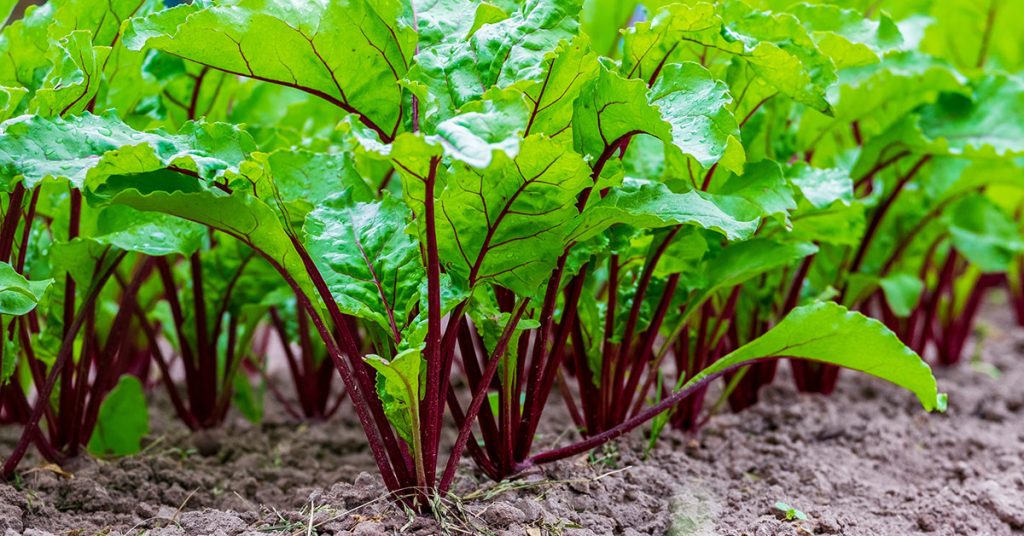
Beets (Beta vulgaris) trace back to the Mediterranean and aren’t invasive, though their lush foliage can act as living mulch to suppress weeds when sown densely. A June planting gives you firm, sweet roots by early fall—great for roasting, pickling, or tossing in salads.
One of my favorite things about beets is their bleed-red stems that attract beneficial hoverflies hunting aphids! Plus, their green tops are edible, adding a mild spinach-like note to sautés. Thin seedlings to 3–4 inches apart and keep soil evenly moist for round, evenly sized bulbs.
Spinach
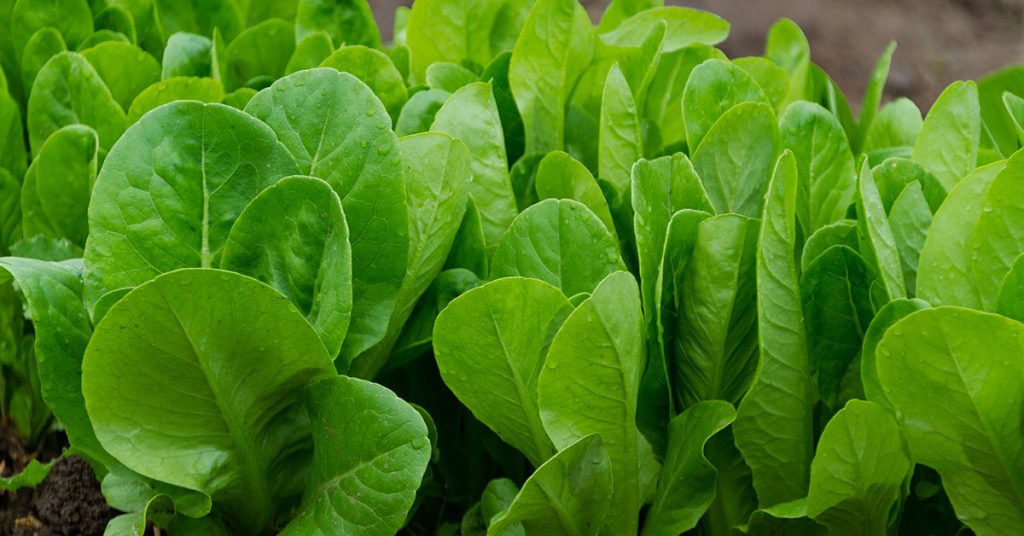
Spinach (Spinacia oleracea) originates from southwestern Asia and isn’t invasive, but appreciates some shade as summer temperatures climb. Sown in June, it will deliver tender, mild leaves in autumn’s cooler days—perfect for fresh salads or wilted side dishes.
Although spinach flowers are modest, they do offer pollen to early-season solitary bees, supporting your garden’s insect community! I always feel rewarded seeing those little bees buzzing around my spinach patch. Enrich soil with nitrogen-rich compost and harvest outer leaves frequently to encourage new growth.
Bok Choy
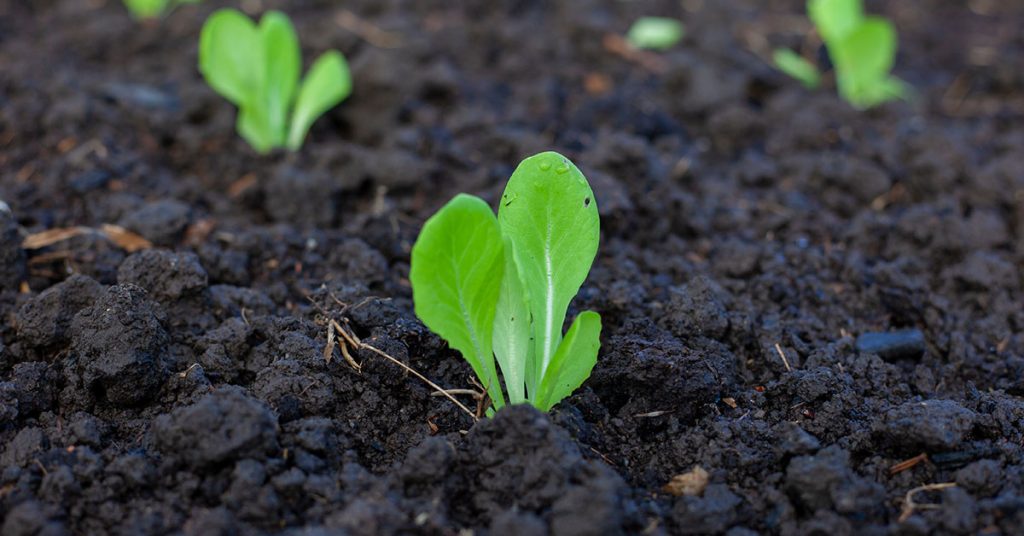
Bok choy (Brassica rapa subsp. chinensis) hails from eastern Asia and isn’t considered invasive in most climates. Sown in June, its crisp white stems and dark-green leaves will be ready for stir-fries or dumplings by fall’s cooler evenings.
Its small white flowers are syrphid-fly magnets—nature’s aphid control—so I often let a few plants bloom just to boost beneficial insect numbers. Keep seedlings spaced about 6 inches apart and provide steady moisture to prevent splitting in the stems.