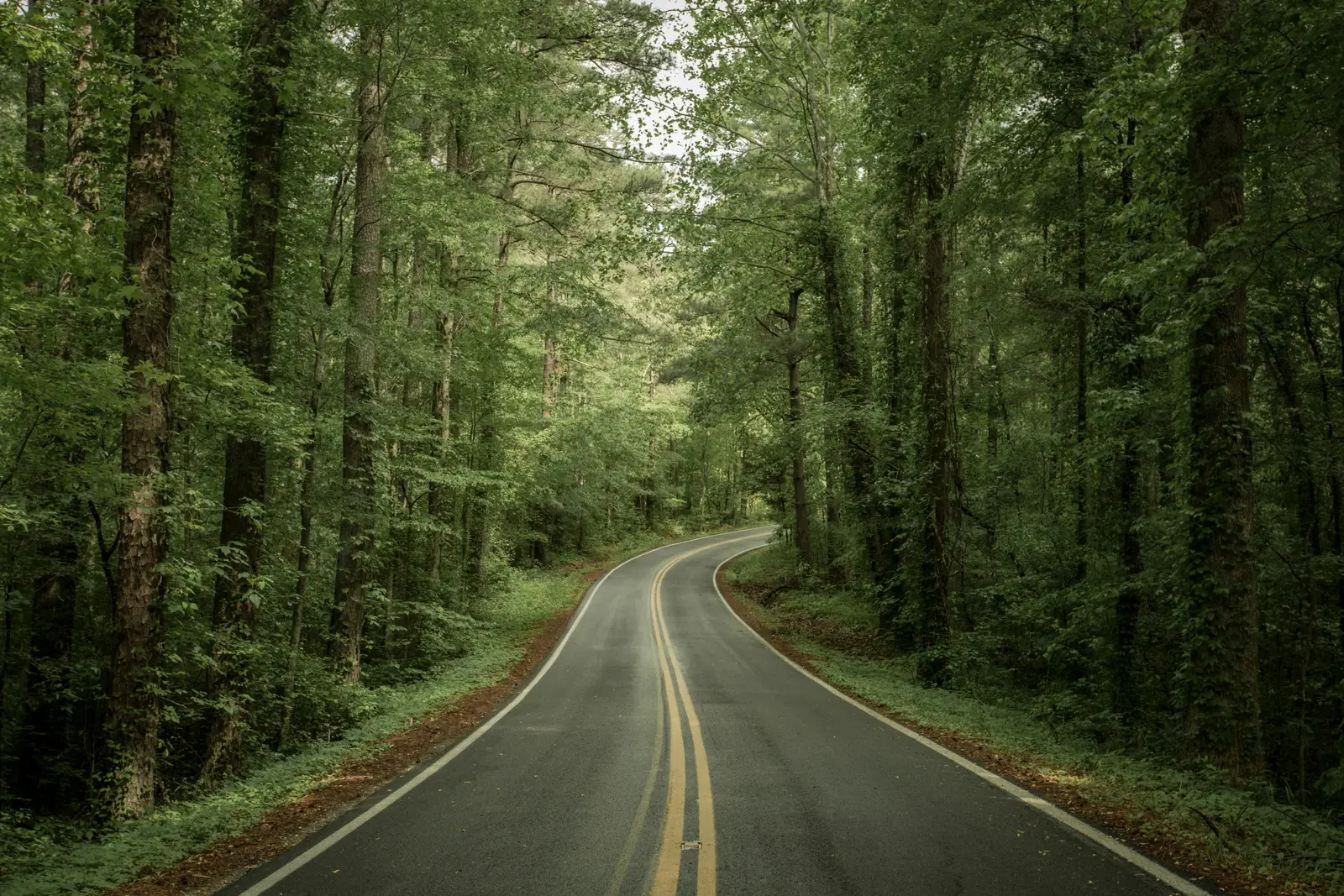

The American West presents spring in ways that often surprise even experienced gardeners. Vast landscapes, shifting elevations, and distinct weather patterns create conditions where blooms and growth unfold on their own timetable. Observers traveling through the region this season report a renewed sense of possibility as familiar plants appear in unexpected settings.
Why Western Spring Stands Apart
Many parts of the West experience spring later than coastal or southern areas, yet the transition can feel more dramatic once it begins. Cooler nights and variable moisture levels encourage plants to develop stronger structures before full flowering. This measured pace gives gardeners time to notice details that might be overlooked in faster-changing climates.
Travel through the region reveals how elevation and microclimates influence timing. A single drive can move from early blossoms at lower altitudes to still-dormant areas higher up. Such contrasts underscore the adaptability required of Western gardens and the inspiration they provide for resilient design choices.
Shifting Perspective Through Travel
Moving across Western states changes how spring registers visually and emotionally. Roadside views and public gardens show plants responding to local conditions rather than calendar dates alone. This mobility encourages a broader appreciation for seasonal rhythms that differ from those in more uniform climates.
Gardeners who explore beyond their own plots often return with ideas for extending bloom periods or selecting varieties suited to drier or windier sites. The experience reframes spring not as a single event but as a series of localized awakenings worth observing closely.
Practical Lessons for Home Gardens
Insights from Western spring conditions translate into practical adjustments elsewhere. Emphasis on soil preparation and water management becomes clearer when seeing how plants thrive with limited resources. Observers note the value of grouping species by similar needs to create more stable displays.
Timing plantings to match regional cues rather than national averages also emerges as a recurring theme. Such approaches help reduce stress on new additions and improve overall garden performance through the warmer months ahead.
What Matters Now
Western gardens this spring continue to demonstrate how location shapes seasonal beauty. The patterns visible now offer timely reminders that successful gardening often depends on observing and adapting to specific conditions rather than following rigid schedules.
Those planning future projects may find value in studying these regional examples before committing to new plantings. The lessons remain relevant as summer approaches and maintenance priorities shift.