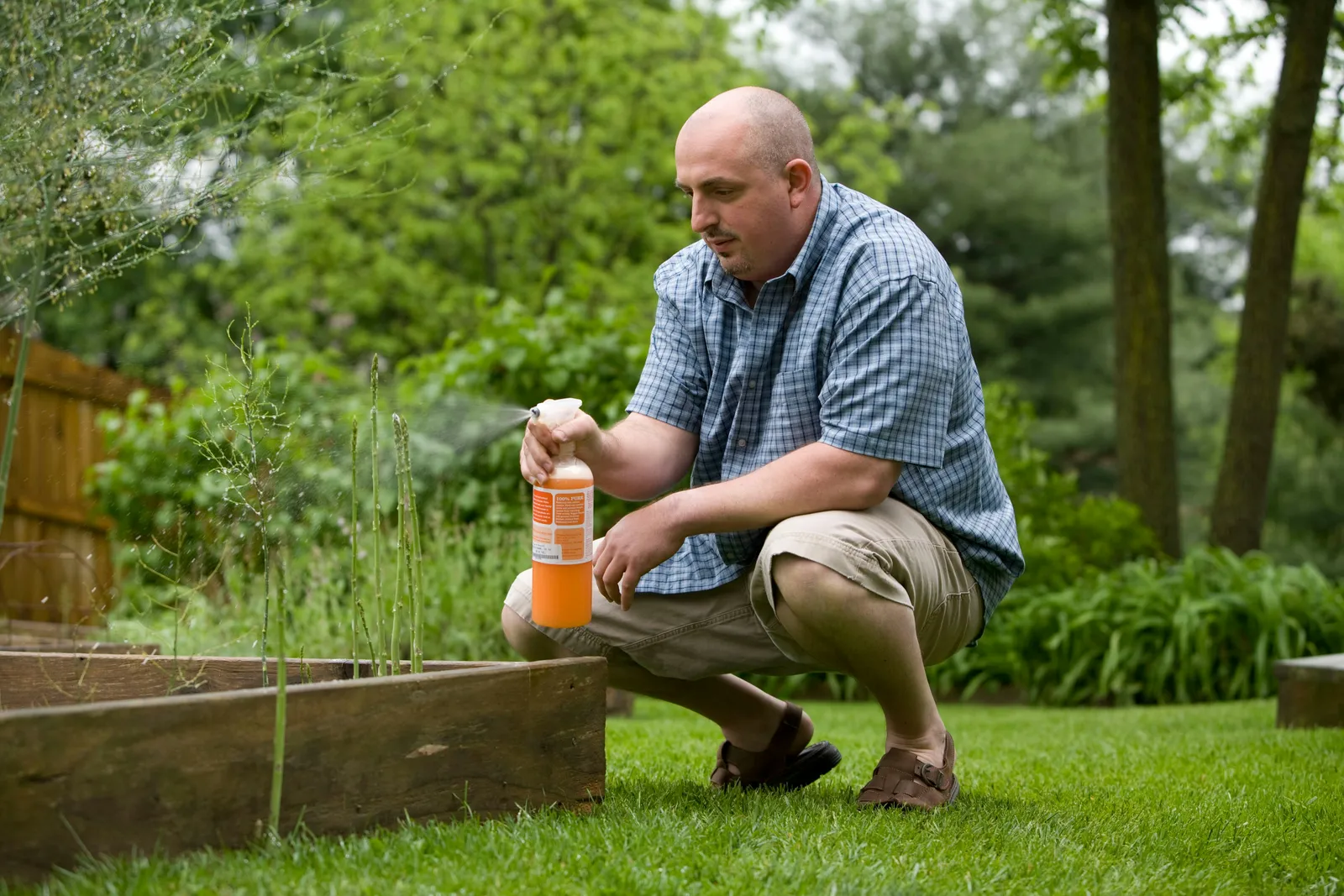

Many homeowners apply weed killer at the wrong moment and end up with disappointing results or damaged turf. The difference often comes down to precise timing rather than the product itself. Matching the application to the right temperature, moisture level, and weather conditions helps the herbicide reach the weeds effectively while protecting the surrounding grass.
Choosing the Right Product for Your Lawn
Selective liquid sprays target existing broadleaf weeds and sometimes crabgrass while leaving most grasses unharmed. Granular weed-and-feed products combine herbicide with fertilizer and work best when weed leaves are slightly moist. Pre-emergent crabgrass preventers create a soil barrier before seeds sprout, and nonselective killers like standard glyphosate products destroy any green vegetation they contact.
Always check the label for your specific grass type before use. Products labeled for lawns list safe turf species, while anything marked nonselective or containing glyphosate will kill desirable grass along with the weeds. Spot treatments work well for scattered problems, whereas broadcast applications suit widespread infestations when conditions align.
Best Time of Day and Weather Conditions
The optimal window for most liquid post-emergent sprays falls after morning dew has dried or in early evening on a calm, dry day. Temperatures between 65°F and 85°F allow the herbicide to absorb properly without stressing the turf. Wind speeds around 3 to 10 mph help control drift, while gusts or complete calm increase the risk of uneven coverage or damage to nearby plants.
Avoid spraying right before or after mowing, during drought stress, or when rain is forecast within the product’s rainfast period, which often ranges from one to 24 hours. High temperatures above 85°F raise the chance of turf injury, especially near sensitive ornamentals. Water the lawn a day or two ahead if the soil feels dry, then wait for leaves to dry before applying.
Seasonal Windows by Weed Life Cycle
Fall applications often deliver the strongest control for perennial broadleaf weeds in cool-season lawns because plants move nutrients downward into their roots. Spring treatments can also succeed but may require more follow-up. Warm-season lawns in southern regions respond better to post-emergent sprays from spring into early summer, with winter annual weeds addressed during mild periods above 50°F.
Crabgrass prevention requires pre-emergent products applied before soil temperatures reach 55°F to 58°F at daybreak for several consecutive days. In northern areas this timing typically falls between March and May, while southern locations may need applications as early as late February. Winter annual weeds such as chickweed and henbit call for late-summer or early-fall pre-emergents in warm-season turf regions.
Key conditions to confirm before spraying:
- Temperatures between 65°F and 85°F
- Leaves dry after dew or light rain
- Calm to light wind, no gusts or inversions
- No rain expected within the rainfast window
- Grass and weeds not under drought stress
Protecting New Growth and Avoiding Common Errors
Newly seeded or sodded areas need extra caution. Wait until the grass has been mowed at least three or four times before applying most post-emergent herbicides. Pre-emergents generally should not be used on fresh seed unless the label specifically allows it, such as certain mesotrione products.
After treatment, keep people and pets off the lawn until the spray dries completely. If rain arrives sooner than expected, monitor results for seven to 14 days before considering a follow-up application within label limits. Consistent attention to these details supports a healthier, weed-resistant lawn over time.
AI Disclaimer: This article was created with the assistance of AI tools and reviewed by a human editor.