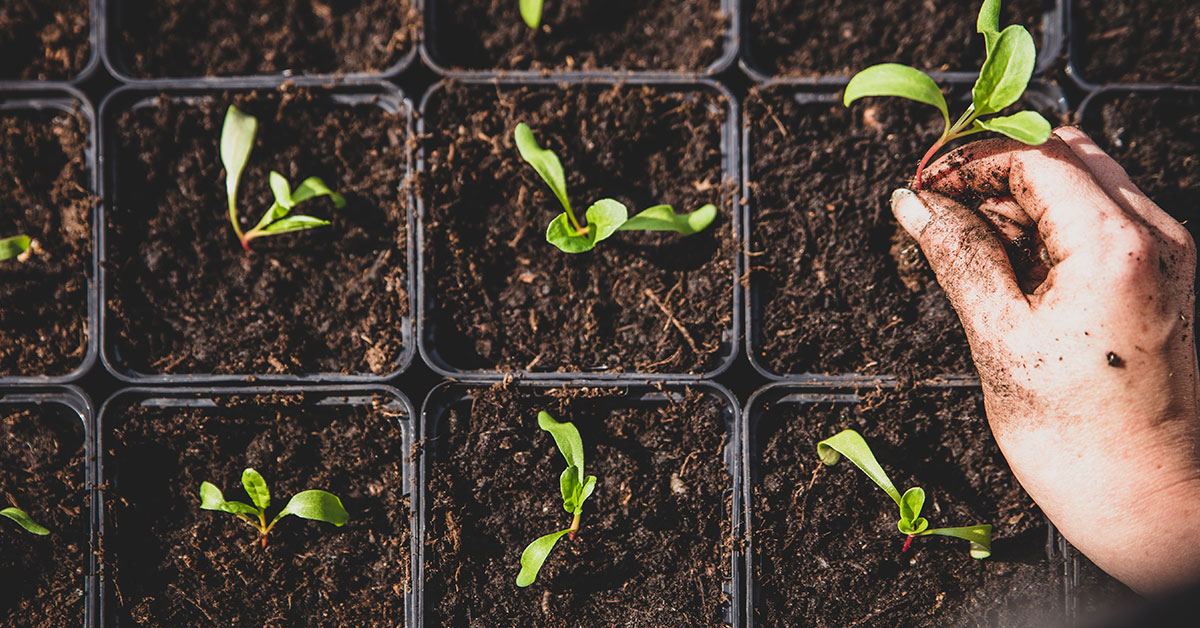

Among the various varieties of arugula, one particular standout is the Speedy Arugula. scientifically known as Eruca sativa, is a popular leafy green vegetable that has gained immense popularity in recent years for its unique peppery flavor and nutritional benefits. True to its name, Speedy Arugula is known for its rapid growth and quick maturation, making it a favorite among home gardeners and commercial farmers alike.
In this article, we will delve into the characteristics, cultivation tips, and culinary uses of Speedy Arugula, providing you with all the information you need to successfully grow and enjoy this speedy and delightful green in your own garden.
What is a Speedy Arugula?
Speedy Arugula, also known as Rocket or Roquette, is a popular salad green that belongs to the Brassicaceae family. It is known for its fast growth and is often referred to as “speedy” due to its quick maturation period. The leaves of Speedy Arugula are elongated and deeply lobed, resembling small oak leaves. They have a distinct peppery and slightly nutty flavor, which adds a delightful kick to salads, sandwiches, and other dishes.
The flavor intensity can vary depending on the maturity of the leaves, with younger leaves being milder and more tender. One of the main advantages of growing Speedy Arugula is its rapid growth rate. From sowing the seeds to harvest, it usually takes only about 4-6 weeks, making it an excellent choice for gardeners who want quick results. This quick turnaround time allows for multiple harvests throughout the growing season.
Speedy Arugula prefers cool weather and grows best in early spring or fall when temperatures range between 50-70°F (10-21°C). However, it can tolerate some heat if provided with partial shade and consistent watering. It thrives in well-draining soil with a pH level of 6.0-7.0. When sowing Speedy Arugula seeds, it is recommended to plant them directly in the garden bed or container, as they do not transplant well.
Sow the seeds thinly, about ¼ inch deep, and space them around 1 inch apart. Keep the soil consistently moist for germination, which usually occurs within 5-10 days. As the plants grow, thin them to allow sufficient space for each plant to develop. Space them 6-8 inches apart to give them room to reach their full potential.
Regularly watering the plants and providing them with adequate sunlight will promote healthy growth and prevent bolting (premature flowering). Harvesting Speedy Arugula can begin when the plants have reached a height of 4-6 inches. You can either pick individual leaves as needed or harvest the entire plant by cutting it just above the soil level.
Regular harvesting encourages new growth and prolongs the harvest period. In summary, Speedy Arugula is a fast-growing, flavorful salad green that can be grown in a variety of climates. Its quick maturation period and peppery taste make it a popular choice among gardeners and culinary enthusiasts alike.
What does Speedy Arugula taste like?
The Speedy Arugula has a distinct and peppery taste that sets it apart from other varieties of arugula. It has a slightly bitter and tangy flavor with hints of nuttiness. The leaves are tender and have a crisp texture, providing a refreshing bite. This variety of arugula is known for its quick growth, which contributes to its vibrant and intense flavor. Whether used in salads, sandwiches, or as a garnish, the Speedy Arugula adds a burst of bold and zesty taste to any dish.
How to start from seed
Starting Speedy Arugula is a relatively simple process that involves a few key steps. Here’s a step-by-step guide to help you get started:
- Choose the right time: Speedy Arugula is a cool-season crop that thrives in mild temperatures. It’s best to start planting in early spring or late summer/early fall when temperatures are between 55-75°F (13-24°C).
- Prepare the soil: Arugula prefers well-draining soil with a pH range of 6.0-7.0. Start by removing any weeds or grass from the planting area. Loosen the soil using a garden fork or tiller, removing any large clumps, rocks, or debris. Incorporate organic matter like compost or well-rotted manure to improve soil fertility and drainage.
- Sow the seeds: Arugula can be directly sown into the garden bed or started indoors and transplanted later. If you choose to start indoors, sow the seeds in seed trays or small pots filled with seed-starting mix about 4-6 weeks before the last frost date. Plant the seeds about ¼ inch deep and keep the soil evenly moist.
- Transplanting (if applicable): If you started your seeds indoors, once the seedlings have developed a couple of true leaves and are about 2-3 inches tall, they can be transplanted outdoors. Choose a cloudy day or late afternoon to minimize stress on the seedlings. Space them about 6-8 inches apart to allow enough room for growth.
- Outdoor planting: If you’re directly sowing the seeds outdoors, sprinkle them thinly over the prepared soil, maintaining a spacing of about 6-8 inches between the seeds. Lightly cover the seeds with a thin layer of soil or compost and gently pat it down.
- Watering: After planting, water the seeds or seedlings thoroughly but gently. Keep the soil consistently moist, especially during germination and early growth stages. Avoid overwatering, as it can lead to fungal diseases.
- Sunlight and temperature: Arugula prefers full sun to partial shade, so choose a location that receives at least 4-6 hours of sunlight per day. Ensure the temperature stays within the suitable range mentioned earlier.
- Maintenance: Regularly monitor the soil moisture and water whenever it starts to dry out. Arugula has shallow roots, so frequent shallow watering is preferable to occasional deep watering. Mulching around the plants can help retain soil moisture and suppress weed growth. Additionally, consider using row covers or other protective measures if frost is expected.
- Harvesting: Speedy Arugula usually reaches maturity within 30-40 days. Harvest the leaves when they are young and tender, before they become too mature and bitter. You can either harvest individual leaves or cut the whole plant about an inch above the soil level. Regular harvesting will encourage continuous leaf production.
Remember to always follow the specific instructions provided on the seed packet or by the seed supplier, as different varieties may have slightly different requirements. Happy gardening!
Planting and growing Speedy Arugula
Planting and growing Speedy Arugula is a relatively straightforward process. Here are the steps you can follow:
- Choose a suitable location: Arugula prefers full sun but can tolerate partial shade. Make sure the area has well-draining soil.
- Prepare the soil: Arugula grows best in loose, fertile soil. Remove any weeds or grass from the area and loosen the soil with a garden fork or tiller.
- Sow the seeds: Sprinkle the Speedy Arugula seeds directly on the soil surface. Aim for a spacing of about 1 inch between seeds. You can sow the seeds in rows or scatter them evenly across the planting area.
- Cover and water: Lightly sprinkle a thin layer of soil or compost over the seeds, about 1/4 inch deep. Gently water the area to keep the soil moist but not waterlogged.
- Maintain moisture: Arugula requires consistent moisture to germinate and grow. Keep the soil evenly moist by watering regularly, especially during dry spells. Avoid overwatering, as it can lead to root rot.
- Thin the seedlings: Once the seedlings emerge and grow to about 2 inches tall, thin them by removing the weaker ones, leaving about 4-6 inches of space between each plant. Thinning allows the remaining plants to have enough room to grow and prevents overcrowding.
- Fertilize: Arugula is a fast-growing plant that benefits from regular feeding. Apply a balanced fertilizer according to the package instructions, about every 4-6 weeks, to promote healthy growth.
- Harvesting: Speedy Arugula is ready for harvest in about 25-30 days after sowing. Harvest the outer leaves when they reach a desired size, or harvest the entire plant at once. Regular harvest encourages continuous growth.
- Pests and diseases: Arugula is generally resistant to pests and diseases. However, keep an eye out for common garden pests like aphids or flea beetles. If necessary, treat with organic insecticides or use companion planting techniques to deter pests.
Remember to check the specific instructions on the seed packet for any variety-specific requirements or recommendations. Happy gardening!
When to harvest
The best time to harvest Speedy Arugula is when the leaves are young and tender, typically around 25 to 30 days after sowing the seeds. You can start harvesting the outer leaves when they reach about 2 to 3 inches in length. It’s important to regularly harvest the leaves to encourage continuous growth and prevent the plant from bolting (producing flowers and going to seed). Additionally, arugula has a stronger flavor as it matures, so if you prefer a milder taste, harvest the leaves when they are smaller.