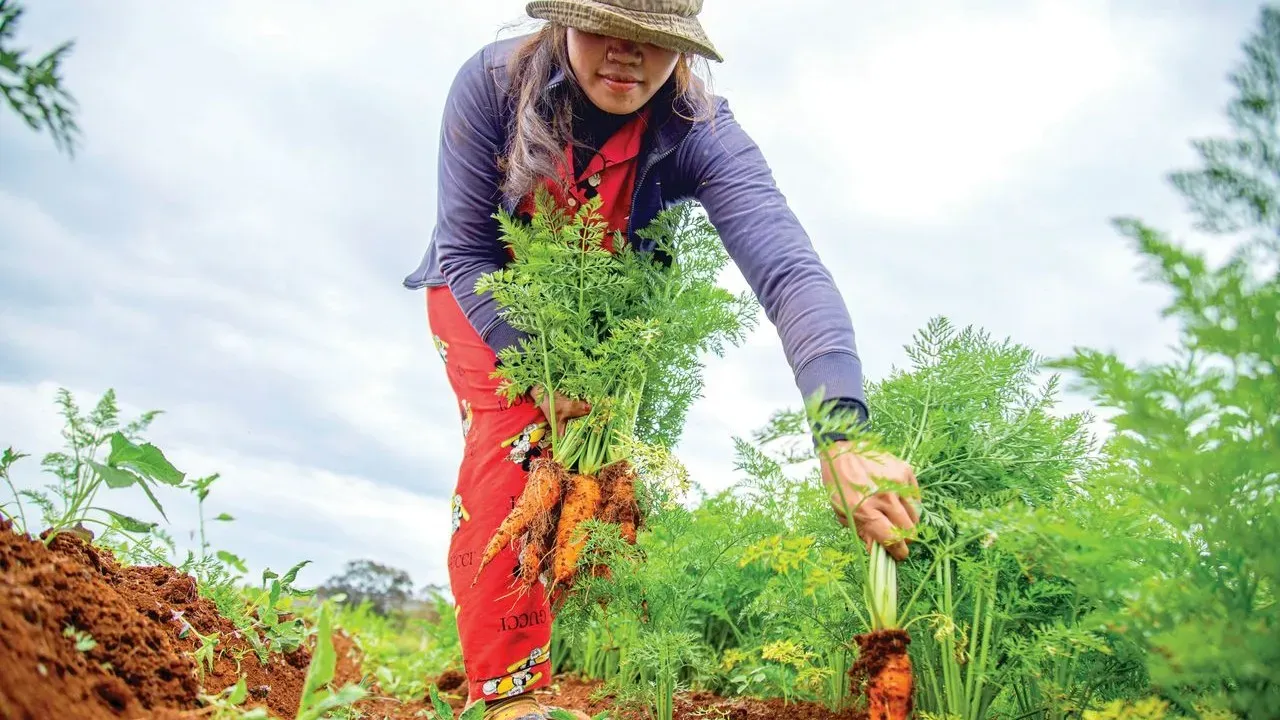

Many gardeners assume the planting season ends by midsummer, yet a narrow window remains open in August for sowing carrots that will mature into a reliable autumn and winter crop. The timing hinges on local frost dates and variety maturity, allowing roots to develop fully before cold sets in. Success depends on calculating backward from the first expected frost and providing protection once temperatures drop.
Calculating the Right Sowing Window
The process begins with identifying the average date of the first fall frost in a given area. Most carrot varieties require 60 to 80 days to reach harvest size, and cooler, shorter days in autumn slow growth, so adding a two-week buffer improves results. Gardeners in many temperate regions find that late July through mid-August offers the best opportunity.
Sowing too late risks immature roots that fail to size up before winter, while earlier plantings may bolt or become woody in summer heat. Checking regional frost calendars each year refines the schedule and accounts for weather variations.
Selecting Varieties and Preparing the Site
Cold-tolerant types such as Napoli, Mokum, Yaya, and Bolero perform well for extended harvests. These selections maintain quality through frost exposure, which actually concentrates sugars and improves flavor. Site preparation involves loosening soil to a fine tilth and removing stones that could cause forked roots.
Direct sowing in rows or blocks works best, with seeds placed shallowly and kept consistently moist until germination. Thinning seedlings early prevents crowding and supports straight, uniform roots.
Protecting Roots Through Winter
Once plants reach mature size, mulch becomes essential for insulation. A thick layer of shredded leaves or straw applied in late autumn, topped with row cover or fabric, shields the bed from freeze-thaw cycles. This method allows selective harvesting throughout winter by pulling back the cover only as needed. The approach extends the season without requiring indoor storage or forcing structures in milder climates.
Harvesting and Storage Considerations
Carrots left in the ground under mulch often taste sweeter after several frosts. Harvesting can continue as long as the ground remains workable, with roots dug individually to minimize disturbance to remaining plants. Proper timing and protection turn a late-summer task into months of fresh produce. The effort rewards gardeners who plan ahead with consistent yields when other crops have finished.
AI Disclaimer: This article was created with the assistance of AI tools and reviewed by a human editor.