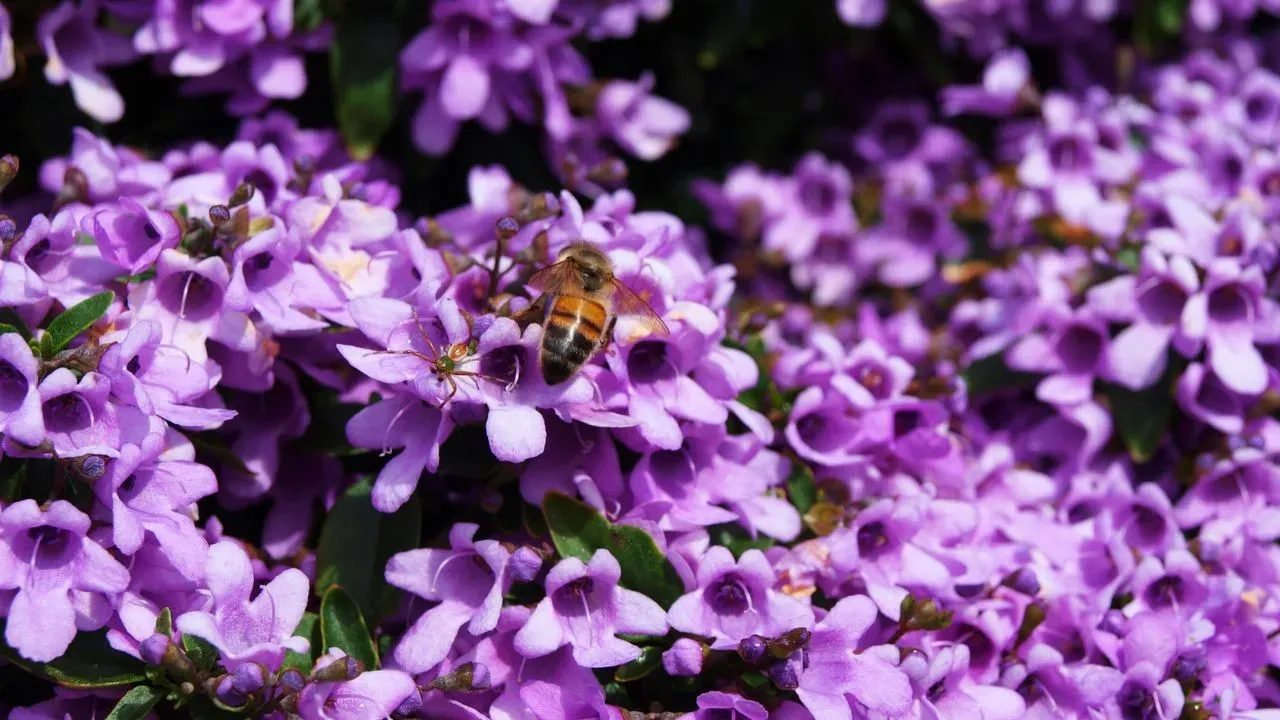

Gardeners across the Southeast have long relied on a handful of familiar shrubs that fill space quickly and tolerate a range of conditions. Those choices, however, often come with hidden costs for local ecosystems and long-term maintenance. A regional expert is now pointing to native alternatives that deliver similar structure and beauty while supporting wildlife and reducing upkeep.
Common Choices Fall Short
Many popular landscape shrubs were introduced for their fast growth and year-round appeal. Over time, they have crowded out native species and required extra water, fertilizer, or pruning to stay attractive. In the Southeast’s humid climate, some of these plants also become more susceptible to pests and diseases that spread to surrounding vegetation.
Property owners notice the difference when pollinators and birds visit less often. Lawns and beds that once seemed low-maintenance now demand more attention as soil health declines. The pattern repeats across residential and commercial properties alike.
Native Options Bring Practical Gains
Native shrubs evolved with the region’s rainfall patterns, soil types, and temperature swings. They establish deeper root systems that improve drainage and reduce erosion during heavy storms. Once settled, most need far less supplemental water or feeding than their non-native counterparts.
Wildlife benefits appear quickly. Caterpillars, bees, and songbirds find food and shelter among plants that have coexisted with them for centuries. Gardeners report fewer chemical interventions because the plants resist local pests more effectively on their own.
Four versatile native shrubs stand out in expert recommendations for replacing overused landscape staples. Each offers reliable form, seasonal interest, and ecological value suited to Southeast conditions.
Putting the Switch Into Practice
Start by assessing sun exposure, soil drainage, and mature plant size before selecting replacements. Removing old shrubs completely helps prevent regrowth and gives new natives room to develop strong roots. Amending the planting area with organic matter supports the transition without heavy fertilization.
Local extension services and native-plant nurseries can confirm which species perform best in specific counties. Grouping plants with similar water needs simplifies irrigation and encourages natural pest control through diversity. Over a few seasons, the landscape shifts toward greater resilience and lower ongoing costs.
Choosing native shrubs is ultimately a practical decision that aligns garden performance with regional ecology. The move reduces long-term inputs while restoring habitat that has steadily declined. Homeowners and professionals who make the change often find the results both attractive and sustainable.
AI Disclaimer: This article was created with the assistance of AI tools and reviewed by a human editor.