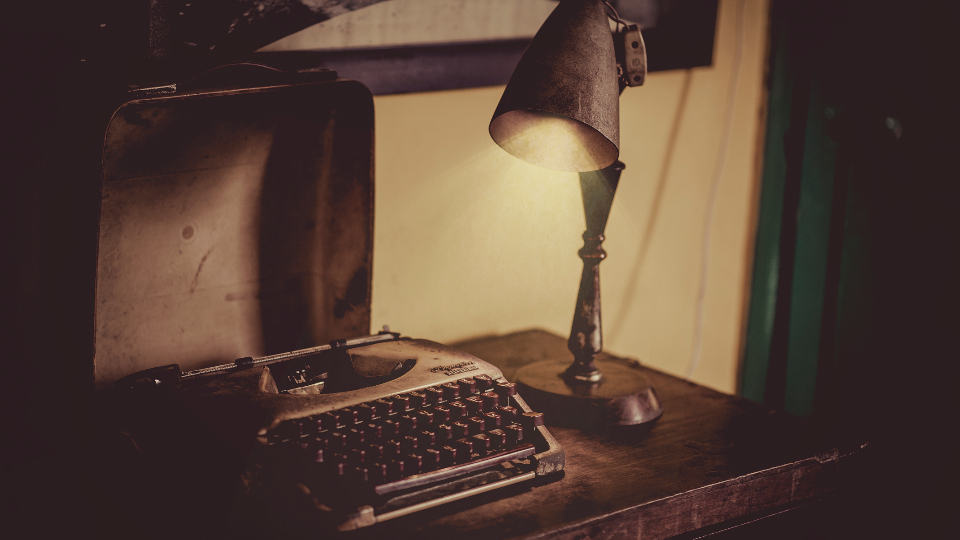

Most people’s instinct when they inherit a battered old dresser or come across a scratched-up side table at an estate sale is to clean it up. Sand it down. Give it a fresh coat of varnish. Make it look new again. That instinct, though well meaning, can be one of the most expensive mistakes in the antiques world.
The truth is that for a meaningful category of older furniture, the original surface, the wear marks, the aged finish, and even the minor dents are exactly what collectors are paying for. Touching any of that can turn a serious piece into something far more ordinary.
The Patina Problem: What You Think Is Damage Is Actually Value
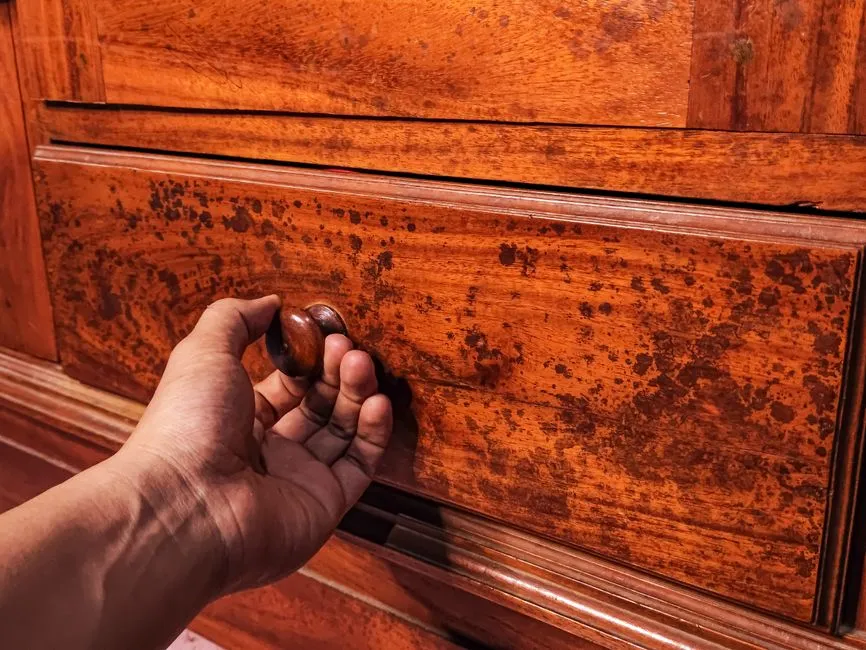
Patina is the natural surface aging that occurs on furniture over decades of use. It forms from layers of polish, sunlight exposure, oxidation, and the simple touch of human hands. The result is a rich depth of color and texture that no modern finish can replicate.
Patina is often mistaken for wear or damage. Some well-meaning owners attempt to remove it by sanding or refinishing, believing they are improving the piece. In reality, this can permanently erase centuries of history and significantly reduce the item’s value.
Collectors and appraisers regard patina as evidence that an object has not been aggressively altered. It preserves tool marks, period finishes, and the subtle surface qualities that cannot be recreated once removed. In many categories, including early furniture, intact patina is a major contributor to value.
Stripping the Finish Can Cut Value in Half
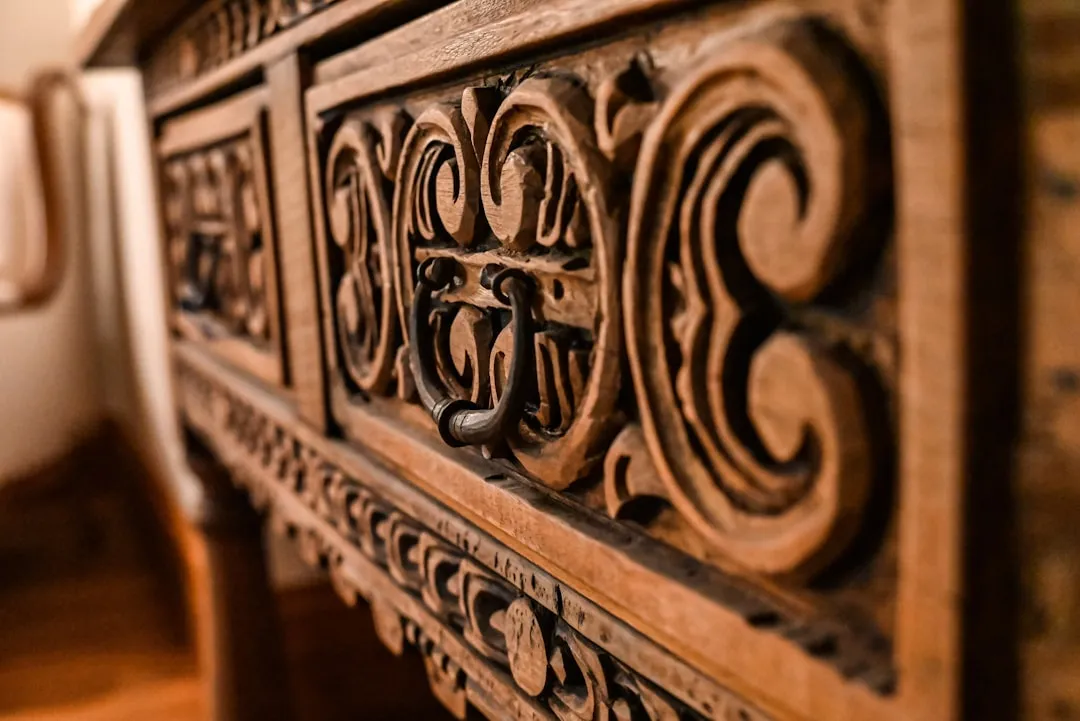
On early furniture, stripping and refinishing can cut value by half or more, because collectors pay for original surface and patina. That’s not a minor consideration. It means a piece worth several thousand dollars on the market could fetch less than half that after a trip to the wrong restorer.
Refinished refers to an antique that has had its original surface stripped and a new finish applied. While refinishing can improve appearance, it often reduces historical integrity and may impact collector value.
Collectors prize original patina, as it tells the story of where and when the antique was made, where and how it was used, and how it was handled. Once patina is removed, it cannot be authentically recreated.
What Serious Collectors Are Actually Looking For
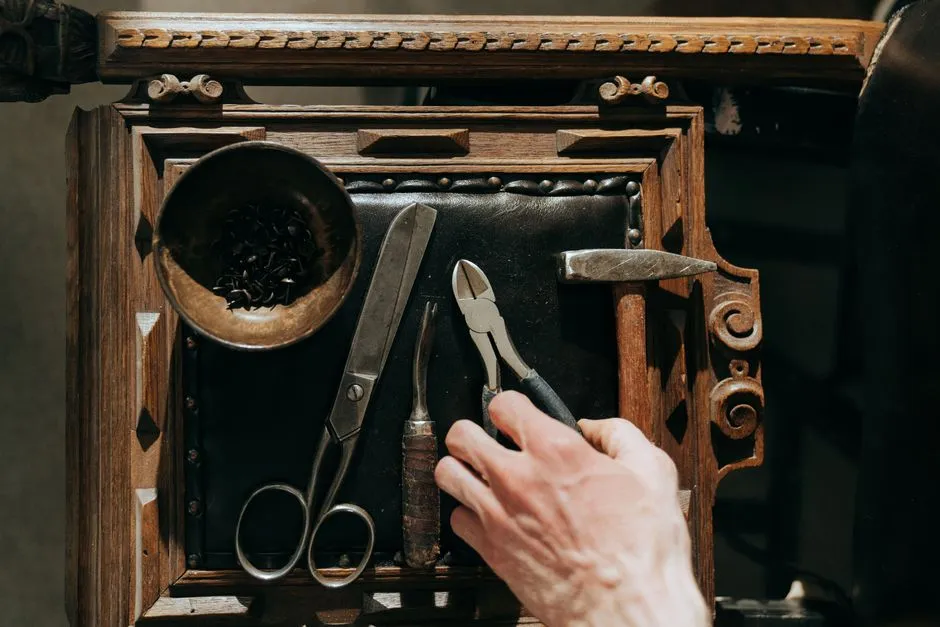
A clumsy or heavy-handed restoration is one of the fastest ways to kill an antique’s value. Serious collectors value originality above almost everything else. This isn’t a niche preference. It’s the dominant view in the collector community and at every major auction house.
Original condition, meaning untouched surfaces, original hardware, and natural patina, dramatically increases value. Appraisers consistently list this alongside maker attribution and provenance as one of the three most decisive factors in determining what a piece will fetch.
Original finish, hardware, and components are preferred by collectors. Over-restoration, replacement parts, and refinishing can significantly reduce value.
The Cost of Restoration Rarely Pays Off at Resale
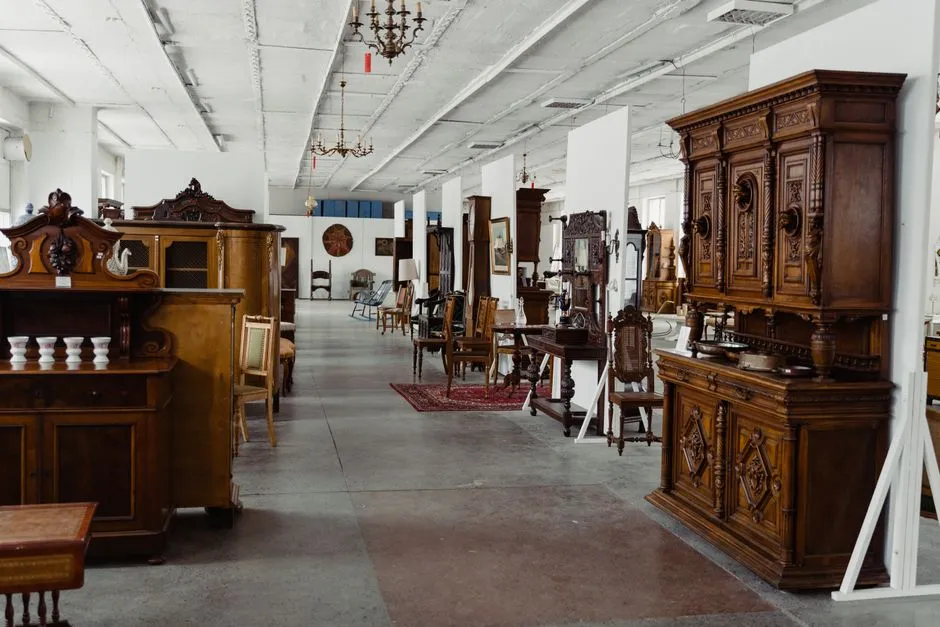
In most cases, antique furniture should not be restored solely for resale. Professional restoration can be costly, as it requires skilled craftsmanship, specialized materials, and significant time. While the work may improve the appearance or stability of a piece, the resale market does not always reward that investment.
Many antiques sell for very modest prices at auction, estate sales, or antique shops. You don’t want to spend thousands of dollars restoring a piece, only for it to sell for a few hundred dollars. For sellers focused primarily on profit, it is often better to sell your antique furniture in its current condition rather than investing in restoration.
Original Hardware Tells the Whole Story
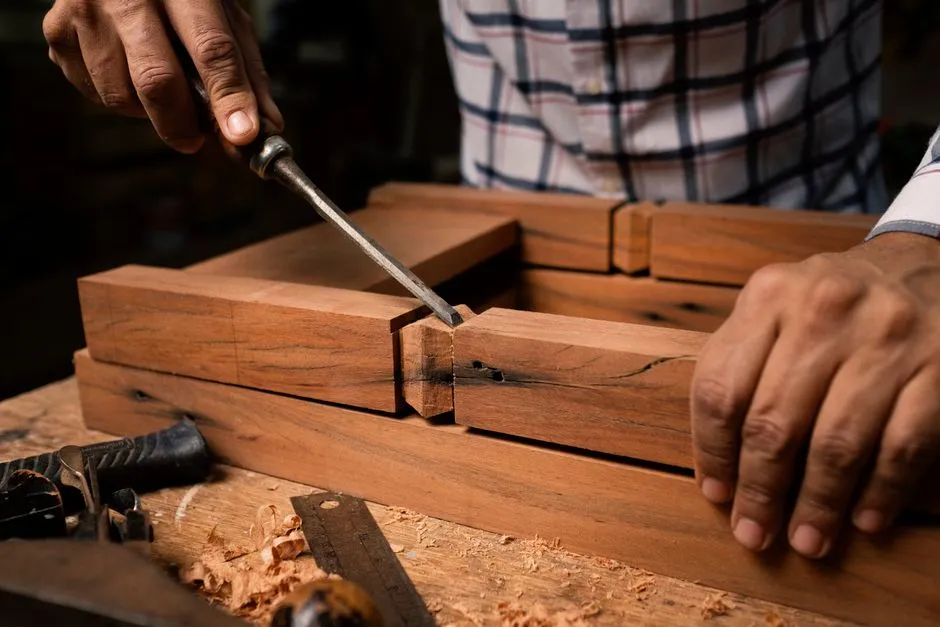
Hardware is often overlooked, yet it’s one of the first things a knowledgeable buyer inspects. When performing an antique furniture appraisal, specialists evaluate the style and material of the furniture and assign a date to it. They also look for defects and anomalies such as scratches and period-appropriate hardware to determine the furniture’s condition and authenticity.
Replacing original brass pulls, hand-forged hinges, or period locks with modern equivalents is a quiet form of damage. Period authenticity must be verified through construction techniques, materials, and stylistic details. Swapping out hardware disrupts that verification entirely.
The single most reliable dating method for antique furniture is examining the joinery. Hand-cut dovetails, the interlocking joints visible at drawer corners, are a hallmark of pre-industrial craftsmanship. Heavy sanding during restoration can obscure or destroy these details completely.
Provenance and the Paper Trail That Adds Serious Money
A paper trail connecting furniture to a significant person, place, or event can add a massive premium to its value. Think of it as the piece’s biography; a compelling story makes it far more desirable to collectors.
According to a synthesis of auction data, craftsmanship is the most influential factor, with superior pieces commanding notably higher prices. Maker’s marks can add another ten to twenty-five percent, while documented provenance can increase value by fifteen to thirty-five percent.
At Christie’s, a leather and wood “Dragon’s Chair” sold for approximately $26.6 million. The chair was designed by Eileen Gray and once owned by Yves St. Laurent, underlining the impact provenance can have on the value of antique furniture. Restoration that obscures or destroys evidence of original ownership can sever that paper trail permanently.
The Rare Piece Rule: When Unrestored Means Irreplaceable
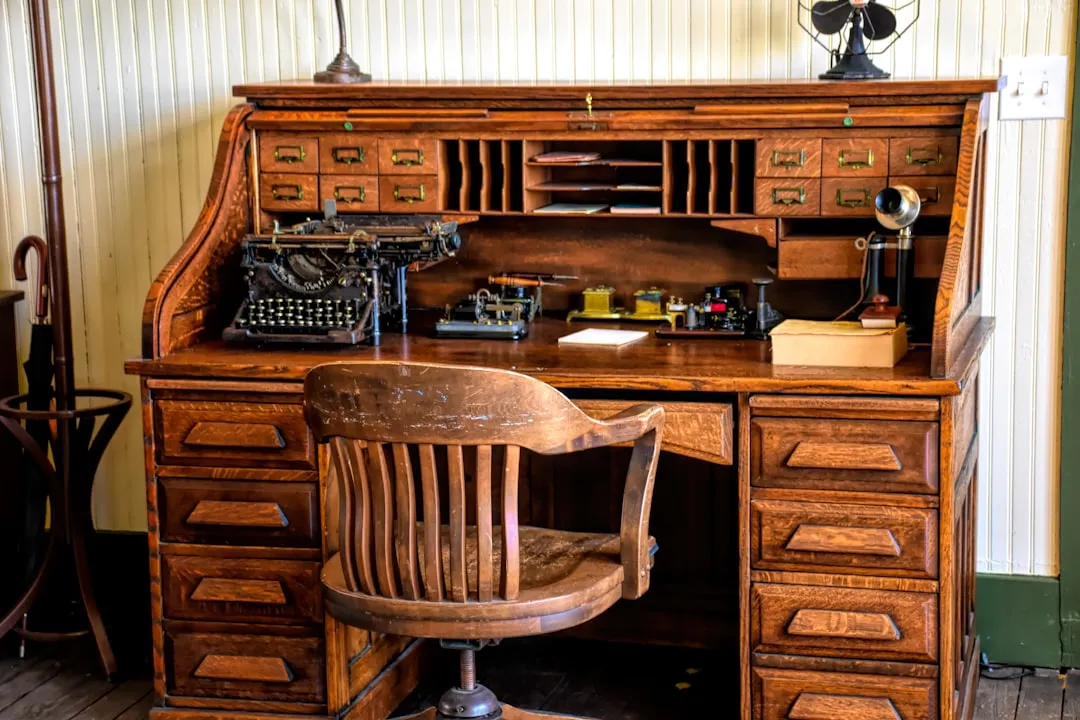
A great example of a very rare piece of antique furniture you would not want to refinish is the Goddard and Townsend secretary desk made in the 1760s. Only nine of these types of desks were ever made. Refinishing such a priceless antique would have certainly affected its value and any repairs as well, even with an expert touch.
The rarer a piece is, the more value it has. Some factors that contribute to rarity include how many were made and the number of originals left, as well as shape, color, size or design, and ability to be reproduced. Rarity and originality together create a multiplier effect that no restoration can replicate.
High-class pieces or pieces with an outstanding provenance have a much higher chance to fetch a record-breaking price, and the market right now is focused on such pieces. Good quality and genuine antique furniture will always find its place at the auction and will always do well.
Conservation vs. Restoration: The Crucial Distinction
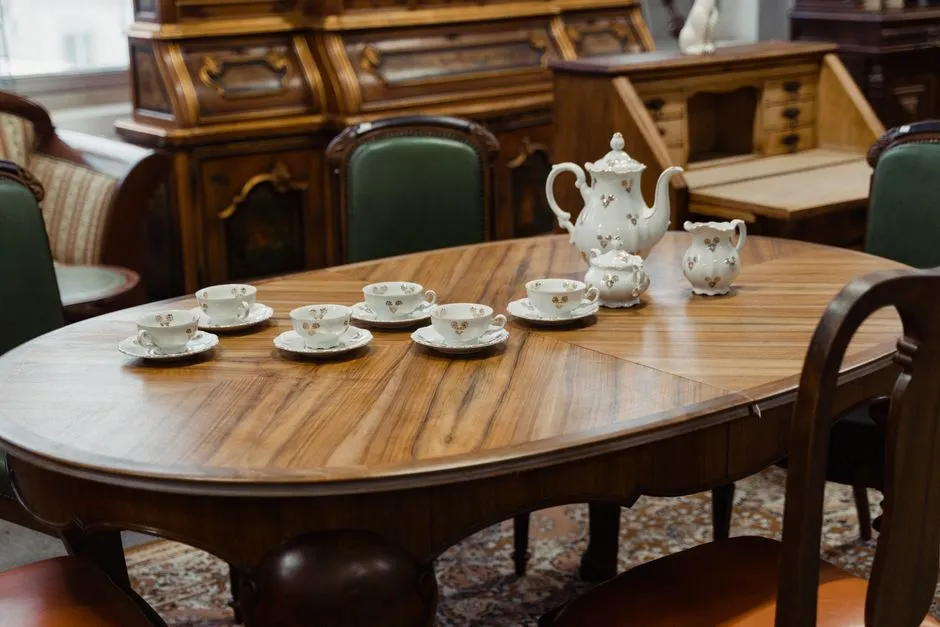
There’s an important difference between doing nothing and doing the right thing. Conservation means stabilizing what’s there. Restoration means changing it. For genuine antiques, original finish and patina carry value, so the first approach should be conservation: cleaning, stabilizing, and repairing while preserving as much original surface as possible. Refinishing is appropriate only when the existing finish is failing beyond repair or the piece is a working item rather than a collector’s antique.
Aggressive cleaning or stripping of the surface can catastrophically diminish an object’s value by removing the original patina. A philosophy of conservation rather than “making it look new” is advisable. A gentle dusting or the application of high-quality beeswax is acceptable, but any attempt to remove the skin of the wood destroys the historical evidence that collectors prize. It’s the difference between a well-preserved artifact and a sanitized reproduction.
The Antiques Market Is Still Strong for Authentic Pieces
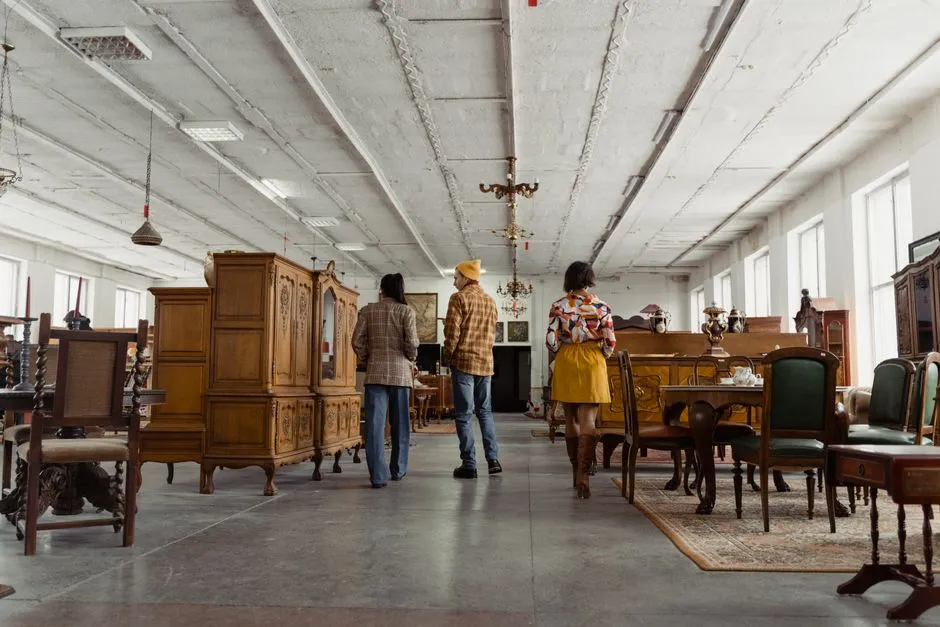
In 2024, total global art and antiques sales were estimated at $57.5 billion. While the total value dipped slightly, the number of transactions actually grew by three percent. This signals that demand remains healthy, especially for genuine, unaltered pieces entering the market.
Forgeries and modern reproductions that flooded the market in the 20th century are easy to spot and are drastically lower in value than the originals. Vintage furniture from the first half of the 20th century is very popular right now. An unrestored original consistently outperforms a heavily worked reproduction in this environment.
High-class pieces or pieces with an outstanding provenance or that were owned by a famous persona have a much higher chance to fetch a record-breaking price, and the market right now is focused on such pieces. The appetite for authentic, untouched furniture isn’t fading.
How to Decide Whether to Leave It Alone
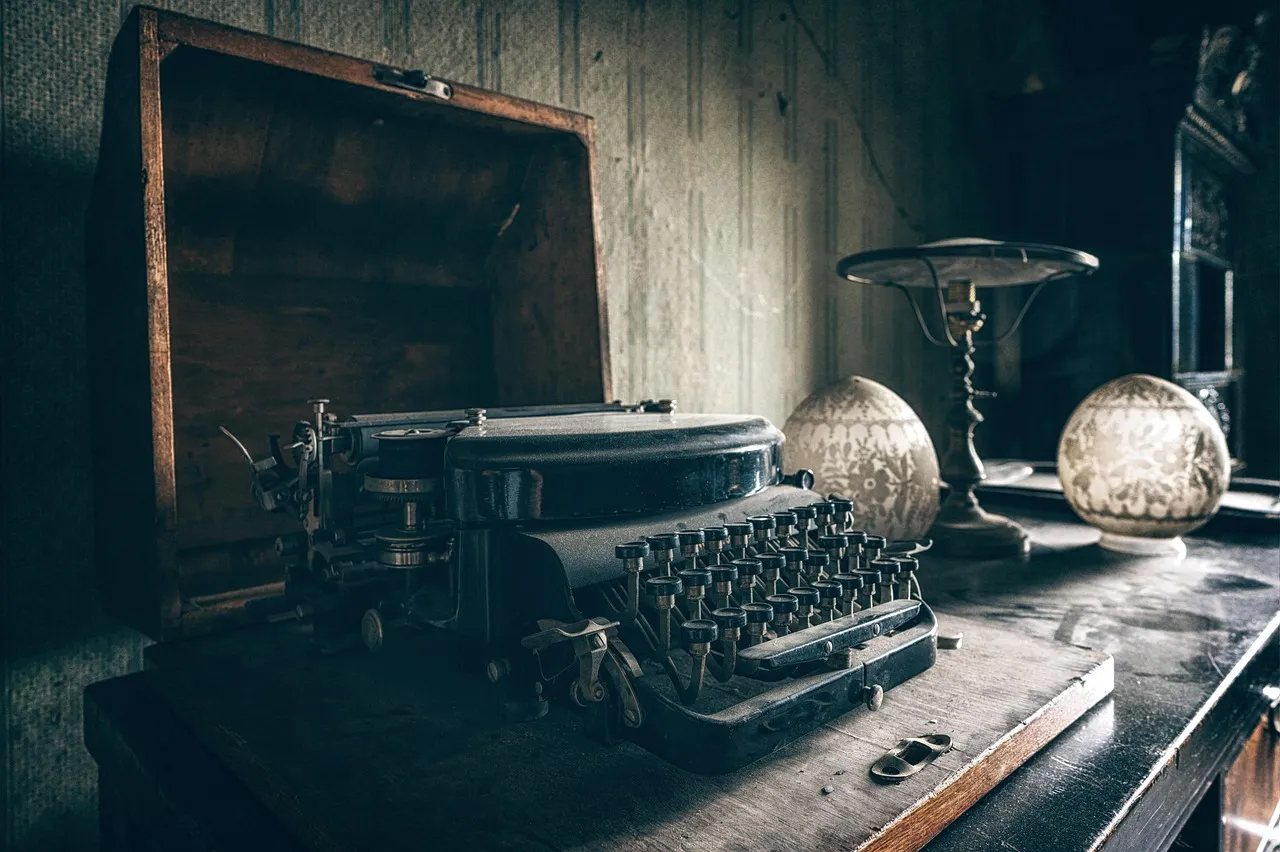
The practical question most owners face is simple: do you know what you have? Inspect your antique thoroughly to look for any identifying labels or maker marks that will help you research its origin. Make note of the overall quality of the wood, as well as craftsmanship, and any carving your piece may have. If you find your item is extremely valuable, the strong advice is to leave it alone and instead contact a professional that works with high-end furniture or a museum curator who may assist in finding appropriate care.
Professionals can even tell you if your antique has already been restored or refinished at some point in its life. Professional evaluation can help prevent costly mistakes and ensure that the furniture is treated in a way that respects its history and value.
The key question to ask is whether conservation is preferable to refinishing. In most cases, careful conservation is favored over full refinishing. Getting that answer from an expert before picking up a sander is almost always the smarter move.
The Takeaway
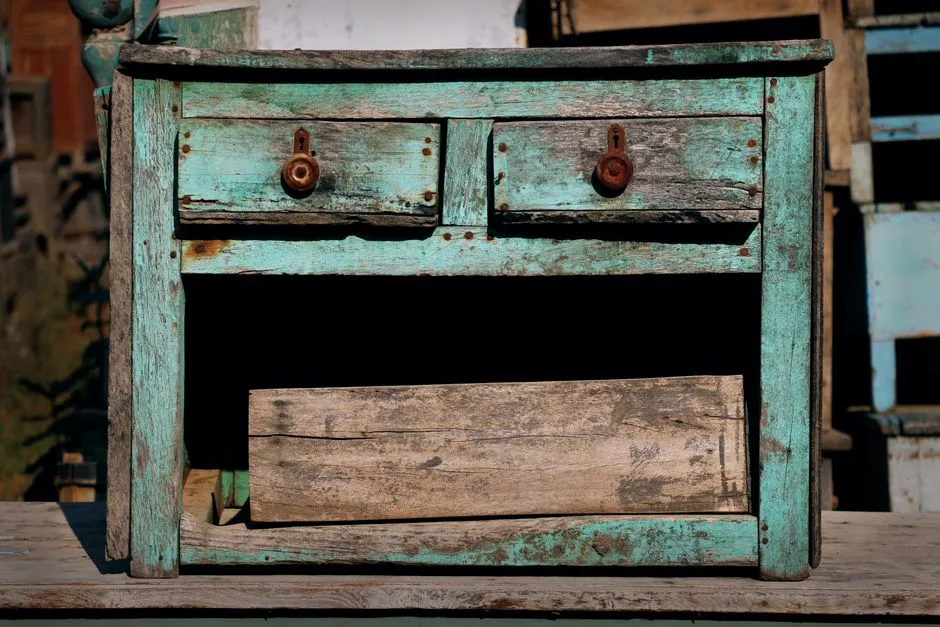
There’s a quiet irony in the antiques world. The piece sitting in your attic, dusty and scuffed, may be worth considerably more than the one that’s been lovingly sanded and refinished by a previous owner. Original condition is important because it preserves the history and authenticity of a piece. Over decades or centuries, antique furniture develops a natural patina through use, exposure to light, and gradual aging of finishes. This patina contributes to the character and historical integrity of the furniture.
The standard instinct to restore and refresh simply doesn’t apply to every old object. For furniture with real age, real maker history, and real provenance, leaving well enough alone is often the most valuable decision you can make. Before you touch anything, find out what you actually have. The answer might surprise you.
AI Disclaimer: This article was created with the assistance of AI tools and reviewed by a human editor.