

Humanity has spent decades building seismographs, GPS networks, and satellite monitoring systems in the hope of predicting the next major earthquake. So far, no technology has cracked that code. Yet scattered across centuries of recorded history are observations of a simpler kind: animals behaving strangely, fleeing, falling silent, or refusing to eat, hours or even days before the ground tears apart.
This is not merely folklore. A growing body of scientific research suggests that certain species may be picking up on environmental signals that our instruments either miss entirely or register too late. The question researchers are now wrestling with is not whether the behavior exists, but whether it can be turned into something reliable.
A History Older Than Science Itself
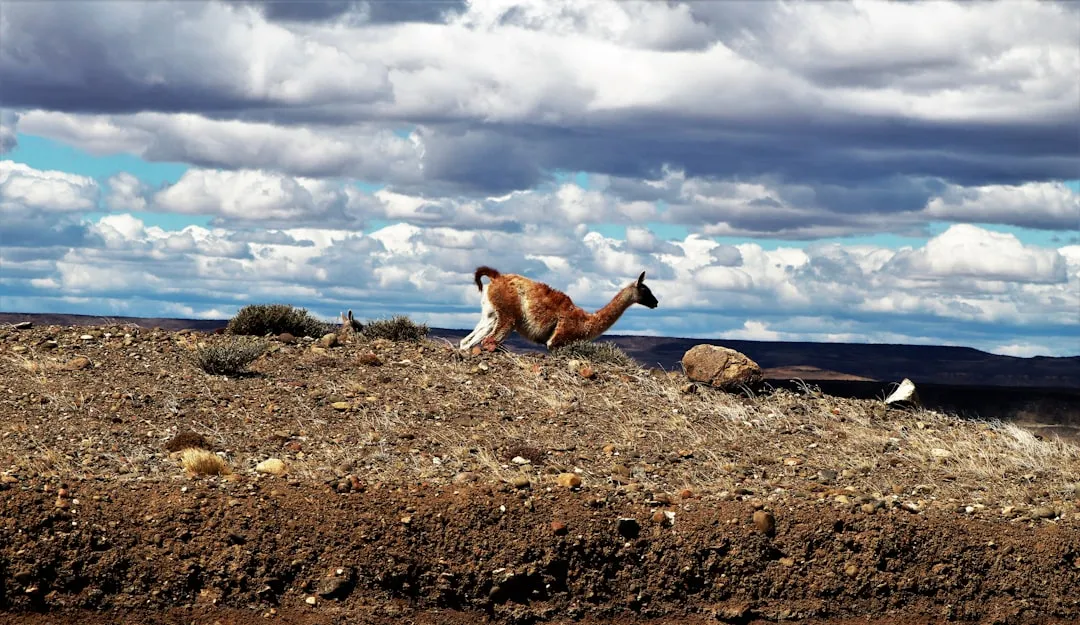
The oldest documented account of animals behaving oddly before a major earthquake dates back to ancient Greece. According to the U.S. Geological Survey (USGS), the earliest reference to unusual animal behavior prior to a significant earthquake is from Greece in 373 BC. Rats, weasels, snakes, and centipedes reportedly left their homes and headed for safety several days before a destructive earthquake.
Anecdotal evidence abounds of animals, fish, birds, reptiles, and insects exhibiting strange behavior anywhere from weeks to seconds before an earthquake. These accounts span every continent where major seismic activity occurs, from Japan and China to Turkey, Italy, and the Americas. However, consistent and reliable behavior prior to seismic events, and a mechanism explaining how it could work, still eludes scientists.
Dogs: Anxious, Restless, and Possibly Right

Stanley Coren, the author of several books on dog communication, conducted a study at the University of British Columbia in Vancouver, Canada, and found that some dogs could detect an earthquake, with increased activity and anxiety observed 24 hours prior. The data he gathered came almost by accident. Coren stumbled upon additional evidence while studying seasonal affective disorder in dogs, and was collecting data from the animals the day before a 6.8 magnitude earthquake in the Pacific Northwest struck.
Coren observed a 47 percent increase in activity and a 49 percent spike in anxiety. Crucially, he had a possible explanation for this. He suspected the dogs were hearing the high-pitched, underground seismic activity of rocks grinding and scraping together that happens before an earthquake, and fourteen of the dogs in his study had hearing impairments, with all but one failing to show the increased activity and anxiety of the other dogs.
Cats: A Quieter Signal

Cats have a reputation for sudden nervousness or attempts to hide before earthquakes strike. After Japan’s devastating 2011 earthquake, researchers surveyed thousands of pet owners to document what their animals had done in the preceding hours. In the results, 236 of 1,259 dog owners and 115 of 703 cat owners observed unusual behaviors in their pets, with restless behavior being the most prominent change in both species, and most unusual behaviors occurred within one day of the earthquake.
Like dogs, cats seem tuned to the earliest seismic signals rather than long-range forecasts, and their independent nature means these reactions stand out clearly to attentive owners. Cats and dogs have specialized receptors on their paws that can detect tiny vibrations and pressure changes, and this can allow them to detect foreshocks, which are small earthquakes before a large quake that may be too minor for humans to notice.
Cows, Sheep, and the Italian Farm Study
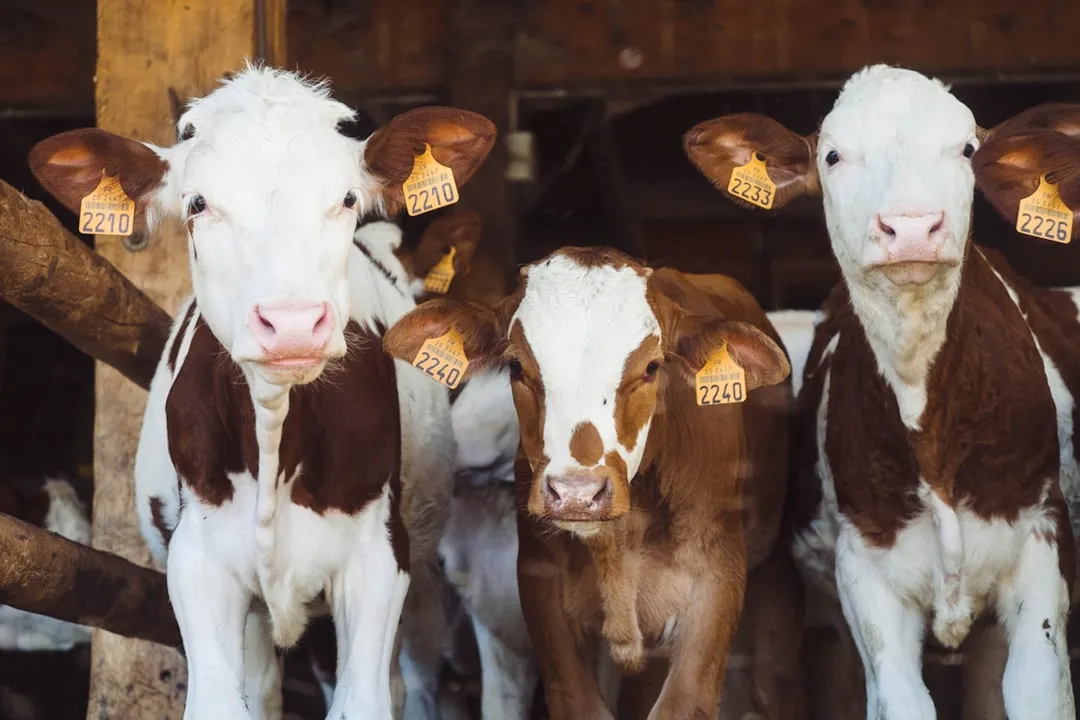
Researchers at the Max Planck Institute of Animal Behavior and the University of Konstanz, both in Germany, along with a multinational team of colleagues, say they have managed to precisely measure increased activity in a group of farm animals prior to seismic activity, and though a definitive link has still not been proved, they say their findings are a significant step forward in the search for one.
The researchers used highly sensitive instruments that record accelerated movements up to 48 each second in any direction, and during separate periods totaling about four months in 2016 and 2017, they attached biologgers and GPS sensors to six cows, five sheep, and two dogs living on a farm in an earthquake-prone area of northern Italy, during which more than 18,000 tremors occurred. The closer the animals were to the epicenter of the impending quake, the earlier they started behaving unusually, suggesting that movement profiles of different animal species could provide clues about the place and time of an impending earthquake.
Dairy Cows: When Milk Yield Becomes a Warning Sign
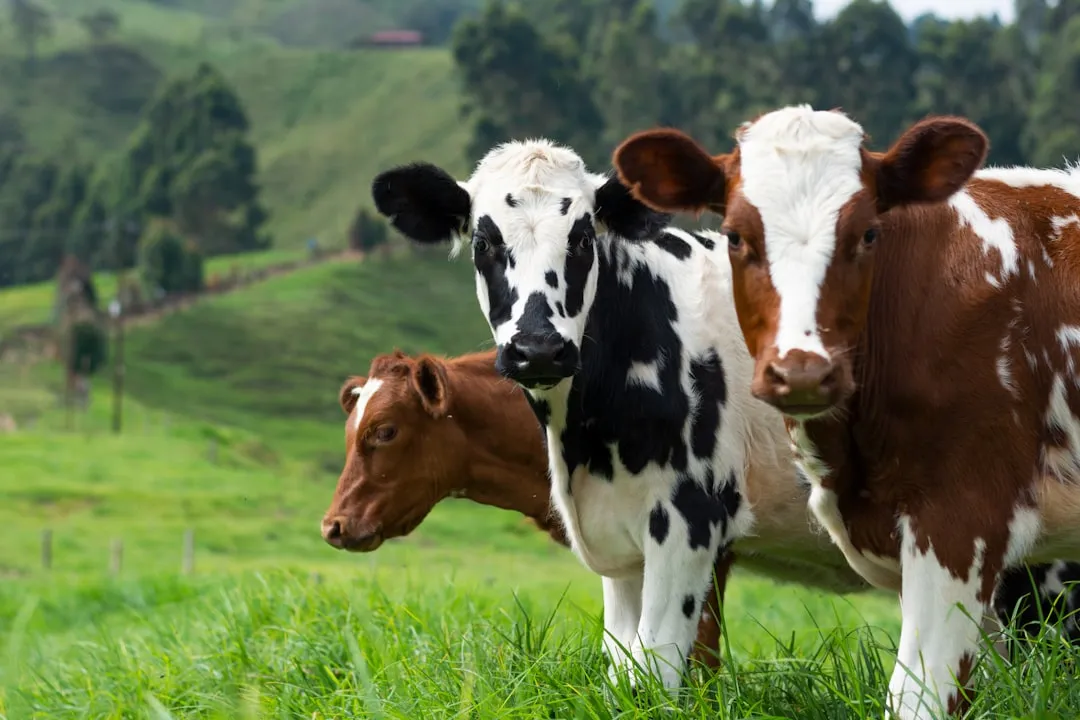
Several Japanese studies have monitored dairy cows using automated milking and activity systems, and these studies have reported modest but statistically significant reductions in milk yield and changes in rumination or restlessness in the days preceding some local earthquakes. This is one of the more measurable signals in the animal precursor research space, since milk production can be tracked precisely and objectively.
The milk yield from milking facilities in Ibaraki Prefecture showed lowered milk production six days before the 2011 Japan earthquake, and the decrease in milk yield continued for four days, possibly because Ibaraki was the closest of three monitored institutes to the epicenter. If so, milk yield might be useful as an earthquake precursor. It is a sobering thought that a herd of dairy cows might one day serve as a more effective early-warning instrument than many of our current sensor networks.
Snakes: Emerging from the Cold
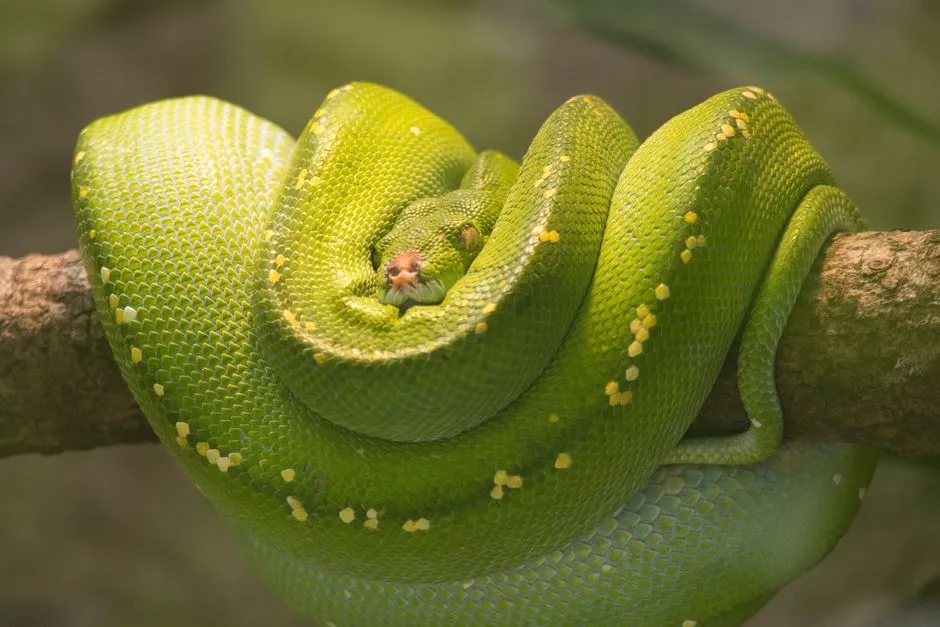
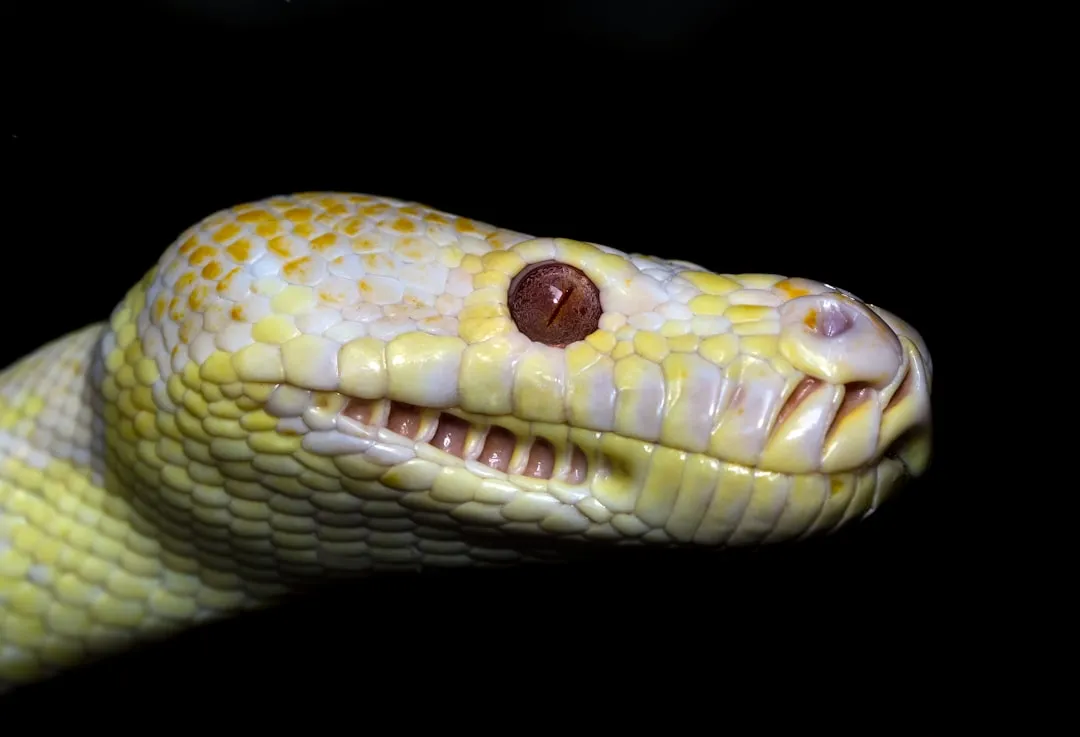
Despite freezing temperatures, scores of snakes slithered out of their hibernation dens in the weeks before a magnitude 7.3 earthquake struck the Chinese city of Haicheng on February 4, 1975, and the reptiles’ behavior, along with other incidents, helped persuade authorities to evacuate the city hours before the massive quake.
This remains perhaps the most compelling real-world example of animal behavior informing human decision-making before a seismic disaster, as Japanese and Chinese authorities studied animal behavior as a predictor of these events, and after observing abnormal behavior the government evacuated the city hours before the quake that ultimately decimated 90 percent of the town, but the evacuation spared roughly 90,000 lives.
Red Wood Ants: A 2013 German Discovery
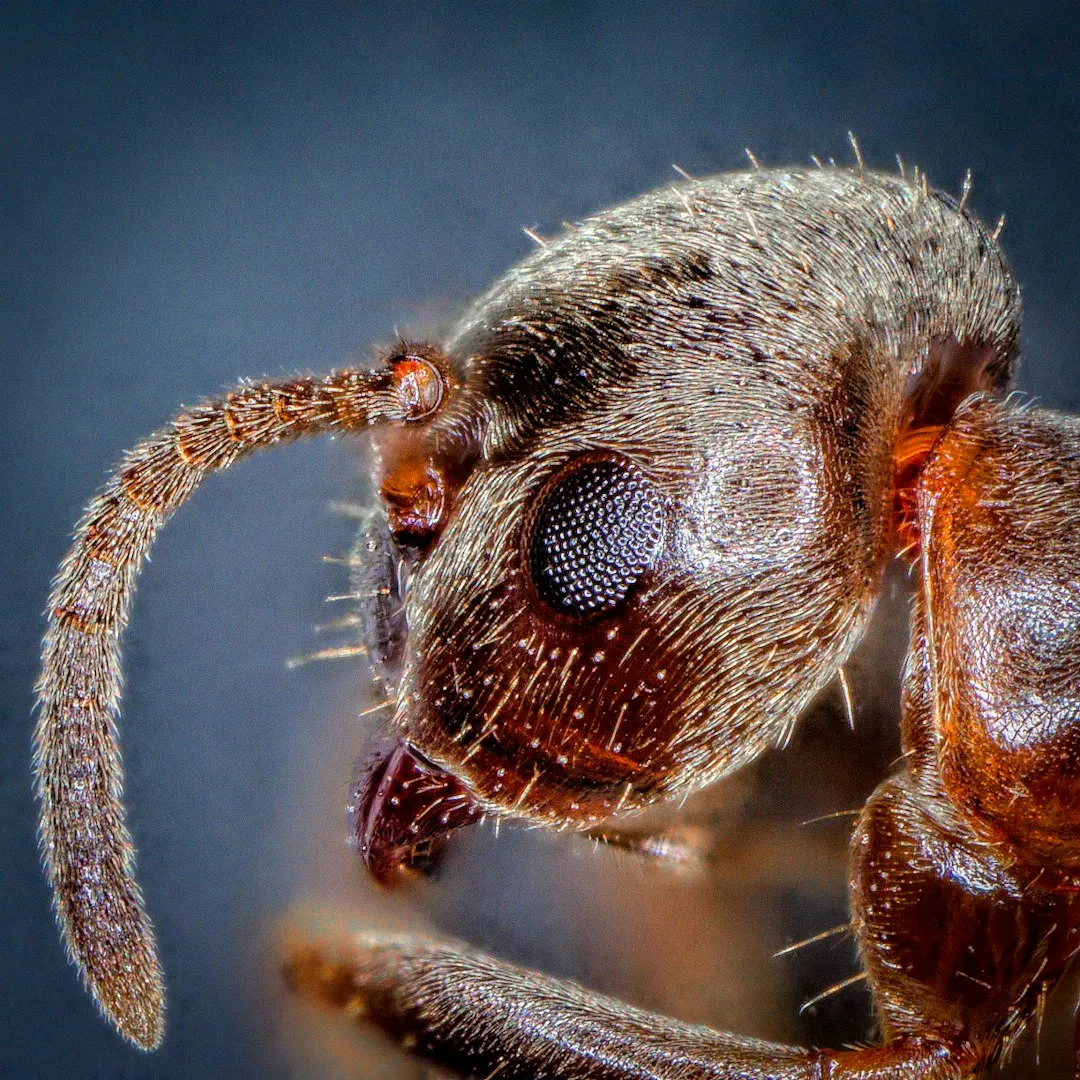
In a 2013 study, German scientists videotaped red wood ants that nested along a fault line and found they changed their usual routine before a quake, becoming more active at night and less active during the day. This is a particularly interesting case because ants live in direct contact with soil, making them sensitive candidates for detecting underground changes.
The shift in their daily rhythm was measurable and documented on video, which placed it a step above the purely anecdotal reports that plague much of this field. Other possible cues that animals may be detecting include subtle ground vibrations too faint for human perception, localized disturbances in the electromagnetic field, and infrasound, which is low-frequency sound waves below the range of human hearing that some animals are known to detect.
Elephants and Infrasound: Sensing What We Cannot Hear
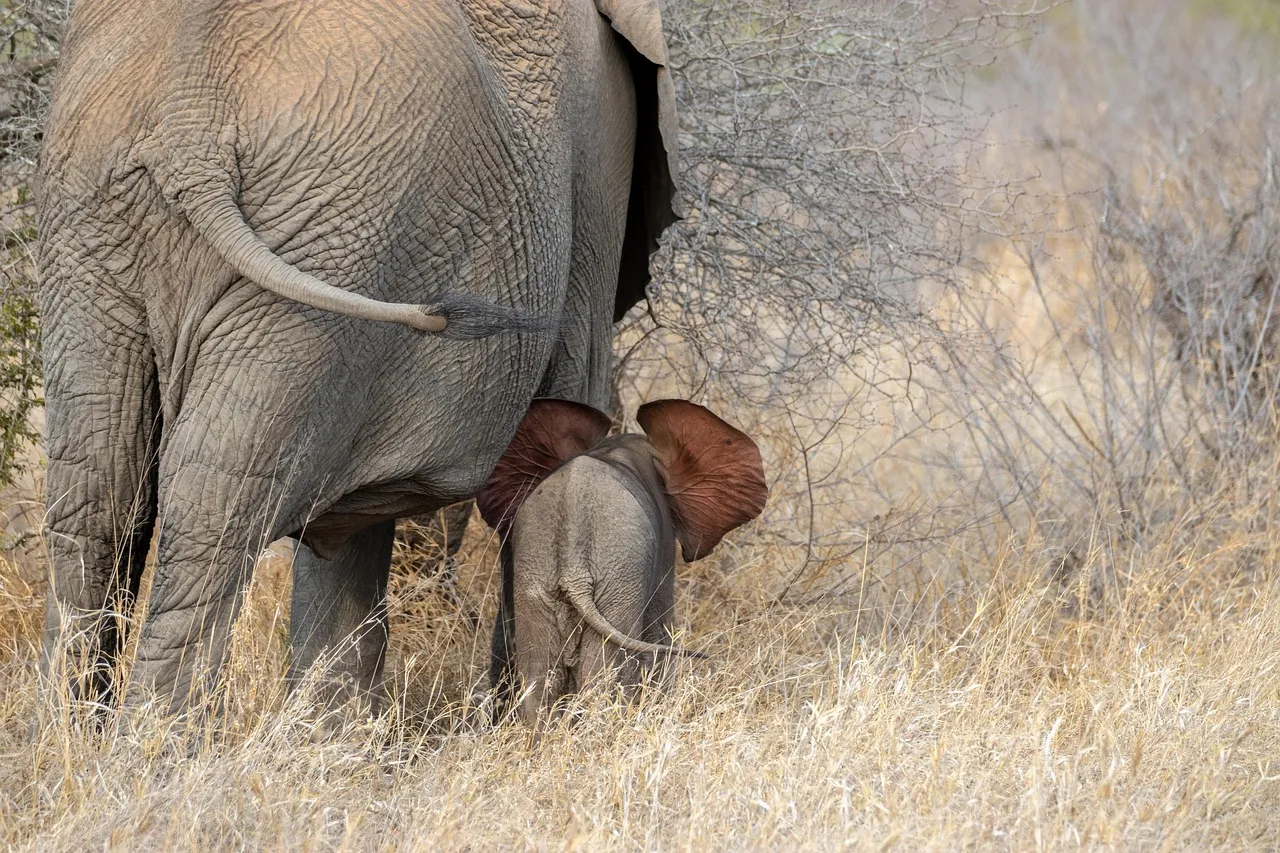
Elephants possess highly sensitive feet and trunks that register low-frequency vibrations traveling through the ground, and in areas near fault lines, herds have been observed shifting locations or showing agitation well before human instruments detect activity. Their sensitivity to infrasound gives them an edge that most monitoring systems simply cannot replicate.
Elephants communicate using infrasound over distances of several kilometres. This same biological capability that allows long-distance communication may also allow them to register the deep, low-frequency rumblings that sometimes precede major seismic events. The connection is plausible, though formal controlled studies on elephants as earthquake precursors remain limited as of 2026.
Machine Learning Meets Animal Behavior
A study published in Scientific Reports has suggested an innovative framework that utilizes machine learning and deep learning to identify animal behavior to predict earthquakes, with the goal of addressing the reality that earthquakes are natural calamities that are destructive and result in the loss of lives and economic losses globally. This research proposes a novel framework to identify earthquake precursors using the field of bioacoustics and machine learning models, with animal audio recordings of historical animal vocalizations enhanced using data augmentation techniques to increase the dataset.
Findings from the Max Planck farm study provide motivation for a controlled, continuous monitoring of animal collectives at different locations to detect statistically reliable patterns of pre-seismic activity for short-time earthquake forecasting, while demonstrating the importance of additional noise reduction, long observation times, and controlled environments. The combination of wearable animal sensors and AI analysis may represent the most credible path forward for this field.
What Science Still Cannot Confirm

For thousands of years, people have claimed that odd behavior by cats, dogs, snakes, bugs, and even cows could predict an imminent earthquake, but a 2018 study that was apparently the first rigorous analysis of the phenomenon found there is no strong evidence behind the claim. A major difficulty for a systematic and statistical analysis is the high diversity of data, which are often only anecdotal and retrospective, and the study clearly demonstrates strong weaknesses or even deficits in many of the published reports on possible abnormal animal behavior.
Scientists discovered that many abnormal animal behaviors were reported as having occurred within one day before an earthquake, with most happening in the hour beforehand, and of those reported in that final hour, almost 60 percent were within the last five minutes. That is a very narrow window, and it raises real questions about how useful such a signal could be for public warning systems. Researchers note that for animal behavior to be useful for short-term earthquake forecasting, the precursors must be perceived by animals, animals must respond by showing measurable and testable behavioral patterns, and these patterns must be clearly distinguished against the background of regular behavior.
The Takeaway

Animals may not predict earthquakes in any deliberate sense, but they could be sensing warning signs humans miss, and new research is giving the idea fresh scientific attention. The honest picture is one of genuine intrigue without definitive proof. There is enough documented evidence across enough species to make dismissal look unwise, yet not enough controlled, reproducible data to build early-warning systems around animal behavior alone.
What feels increasingly clear is that nature has been running its own sensing network for millions of years. The data is stacking up that animals like dogs are reacting before even our most sophisticated measuring devices. Whether that biological sensitivity can be translated into a practical tool for saving lives remains one of the more quietly fascinating open questions in modern earth science.
AI Disclaimer: This article was created with the assistance of AI tools and reviewed by a human editor.