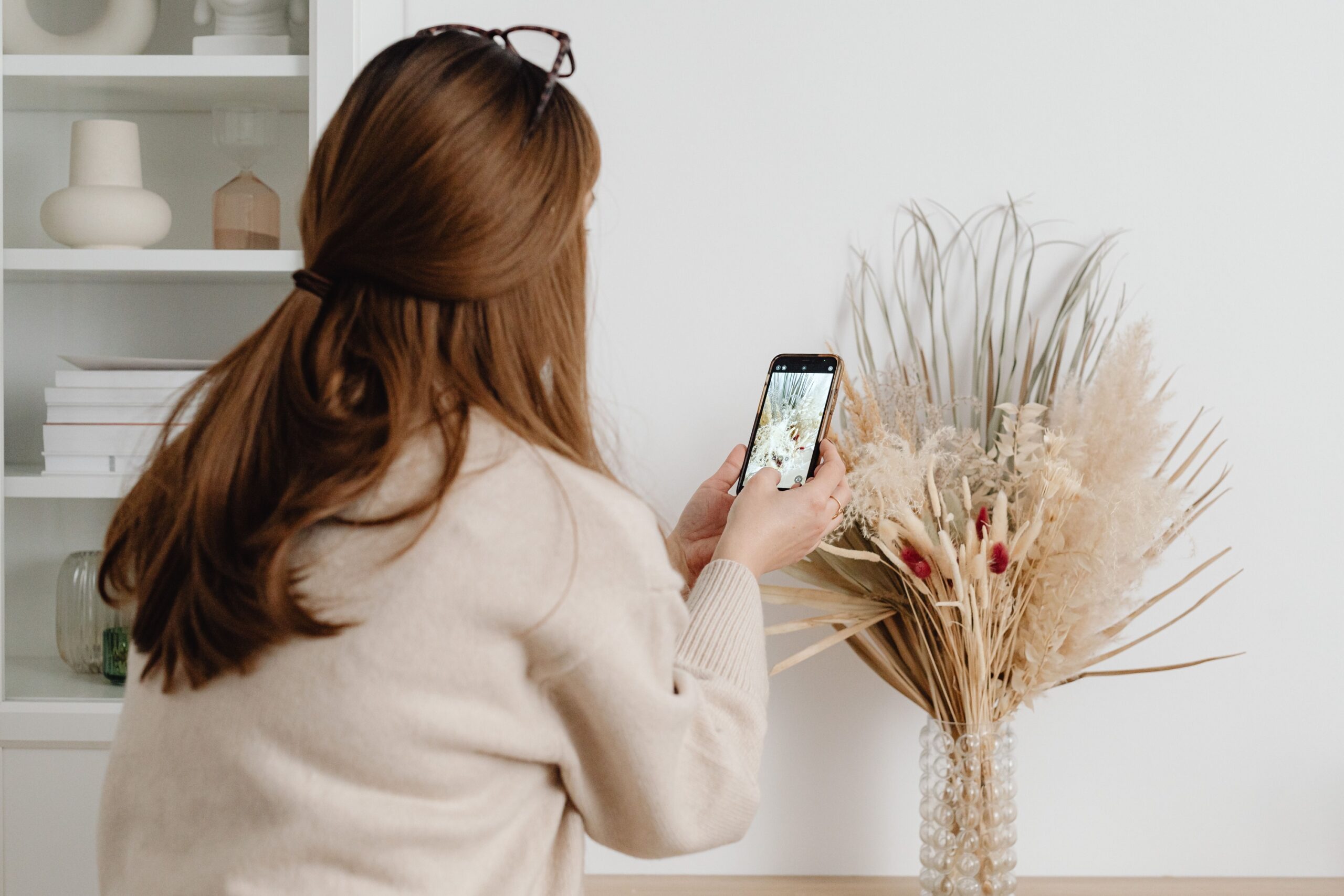

The houseplant boom isn’t slowing down. Millions of people have filled their apartments with fiddle leaf figs, monsteras, and trailing pothos, and alongside all that greenery, a whole new category of technology quietly took root: the plant care app. These tools promise to tell you exactly when to water, when to fertilize, and how much light your plants really need.
Sounds like a reasonable trade-off. Hand over control to an algorithm, keep your plants alive, carry on with your day. Except, as a growing body of research now shows, the reality is considerably more complicated than the app store ratings suggest.
The App Market Is Exploding, and Everyone’s Installing Something
The houseplant care AI app market reached roughly 762 million dollars globally in 2025, driven by the increasing popularity of indoor gardening and rapid advancements in artificial intelligence. That’s a staggering number for an industry that essentially didn’t exist a decade ago. The market is projected to grow at a compound annual growth rate of 18.2% from 2026 to 2034.
Roughly half of all U.S. houseplant owners now use a plant app to identify species or manage care. The trend skews young: millennials represent about 68% of U.S. houseplant owners, with Gen Z accounting for about a quarter of purchases in 2023, up from 18% in 2021. These are tech-comfortable users who instinctively reach for their phones when something goes wrong with a leaf.
What a Plant Care App Actually Does (and Doesn’t Do)
Indoor gardeners increasingly turn to digital plant care apps promising AI-driven watering alerts and calendar-synced reminders, yet these tools operate on proxies: light exposure inferred from phone location, humidity guessed from ZIP-code weather feeds, and soil moisture modeled from plant type alone. That’s a significant gap between what the interface implies and what’s actually being measured.
None of these apps capture micro-variations in pot size, soil composition, airflow, or root density – the very factors that determine actual water retention. Your app has no idea whether you’re using a terracotta pot or a glazed ceramic one, and that difference alone can change how quickly soil dries by days. Plants are not robots. They can’t be minimized into a set of perfectly curated instructions that, if followed, will result in high-level plant care.
The Watering Schedule Problem: Where Things Go Wrong Fast
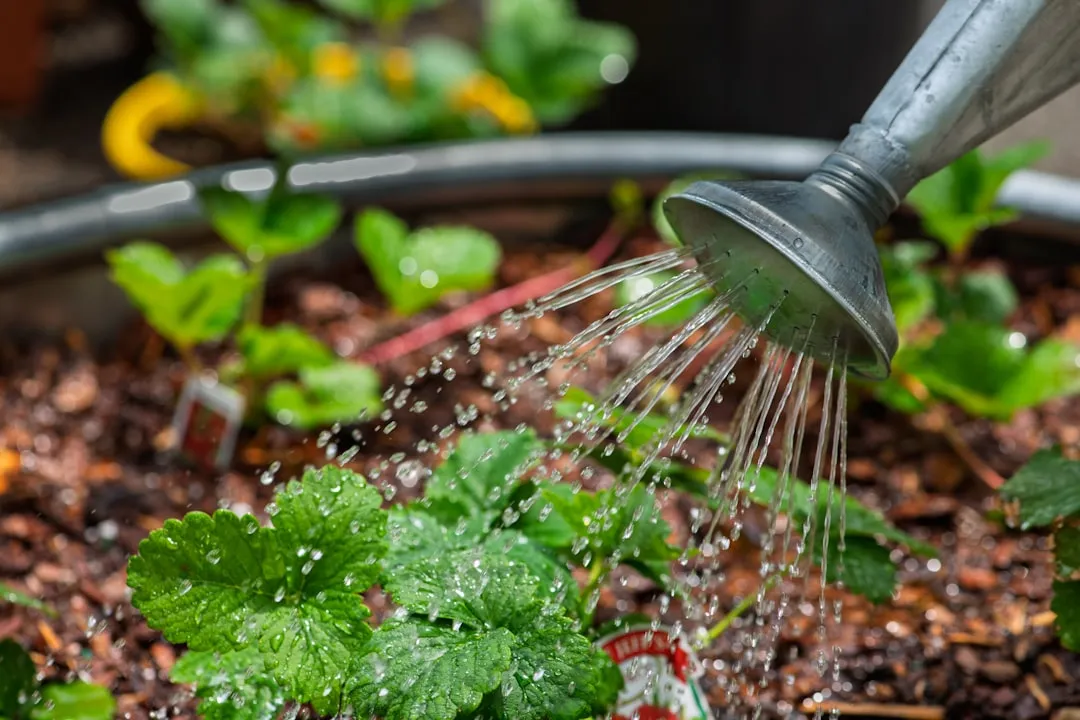
A 2024 University of Florida greenhouse study found that app-recommended watering schedules aligned with actual plant needs only 41% of the time, and overwatering occurred in 63% of cases where users followed app prompts exclusively. That figure alone should give any app-dependent plant parent pause. Following the notification without checking the soil is, statistically, more likely to hurt your plant than help it.
Overwatering is the leading cause of indoor plant death. The problem is rarely giving too much water at once – it is watering again before the plant needs it, keeping roots oxygen-deprived long enough for rot to take hold silently. The app pings you on Tuesday. The soil is still damp from Sunday. You water anyway, because the app said to.
What Died First: The Fiddle Leaf Fig
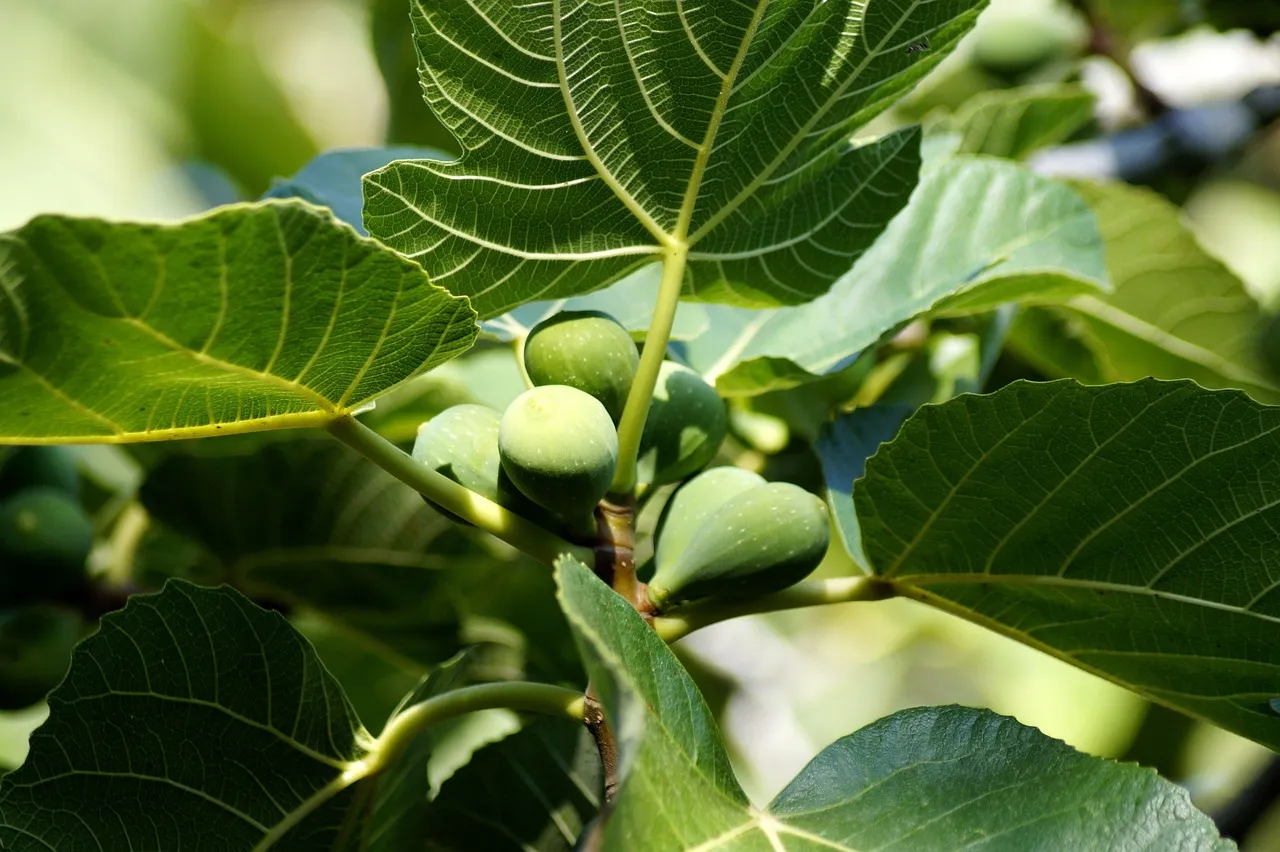
If you handed a single plant over to app-based care and walked away, the fiddle leaf fig would likely be the first to go. It’s notoriously sensitive to any fluctuation in watering rhythm, and it gives almost no visual warning before root rot sets in. According to the University of Maryland Extension, a large percentage of houseplants are lost to overwatering, and watering on a fixed schedule is one of the worst habits a beginner can form.
It is usually something small done consistently wrong: watering on a schedule instead of reading the soil, placing a tropical next to a furnace vent, or keeping a pothos in a corner darker than a closet. The fiddle leaf fig sits at the intersection of all those sensitivities. It wants consistent moisture but punishes you the moment roots sit wet for too long.
Root Rot: The Silent Killer Behind the Screen
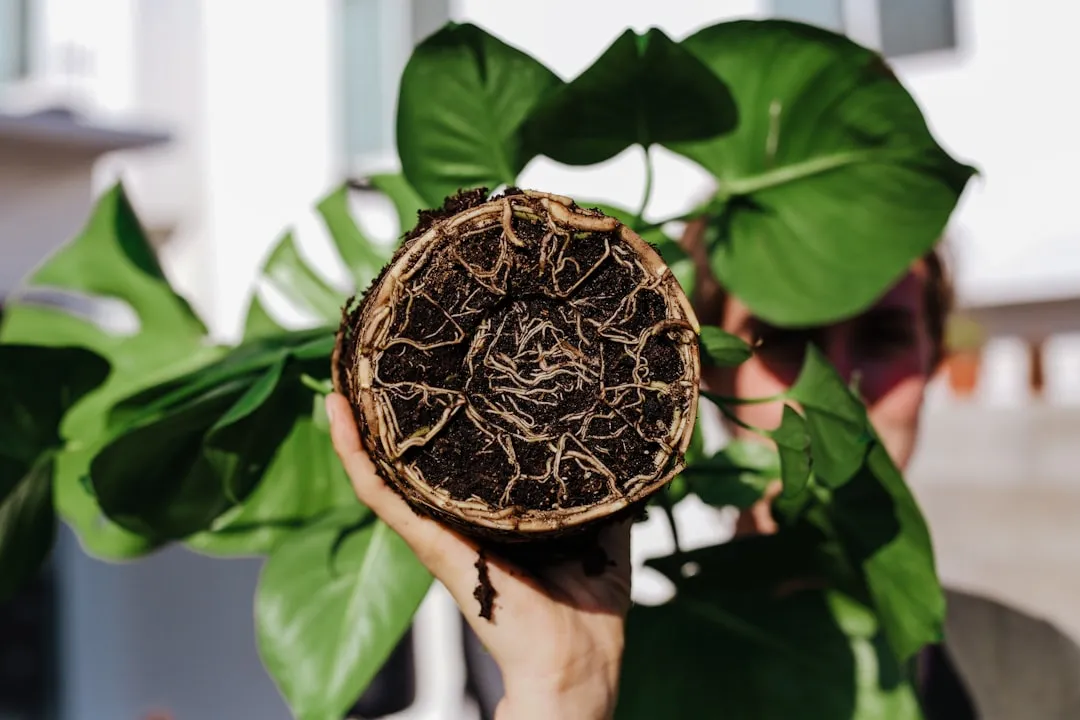
Root rot occurs when roots become waterlogged and begin to decay, often leading to wilting, yellowing leaves, and ultimately plant death if left untreated. The cruel part is that it’s almost impossible to detect from the outside until the damage is severe. The symptoms of root rot look an awful lot like the symptoms of underwatering – rotten roots are unable to absorb water for the rest of the plant, so while the roots are wet, the leaves may be dying of thirst.
Most houseplant root rot problems are caused by water molds, including Phytophthora and Pythium, as well as true fungi like Rhizoctonia and Fusarium – organisms that thrive in damp conditions and can survive in soil for many years. Once they take hold, there is no way to reverse root rot, which makes prevention the only real strategy. An app that’s wrong 59% of the time is not a prevention strategy.
The Apps That Actually Work Well (and Why)
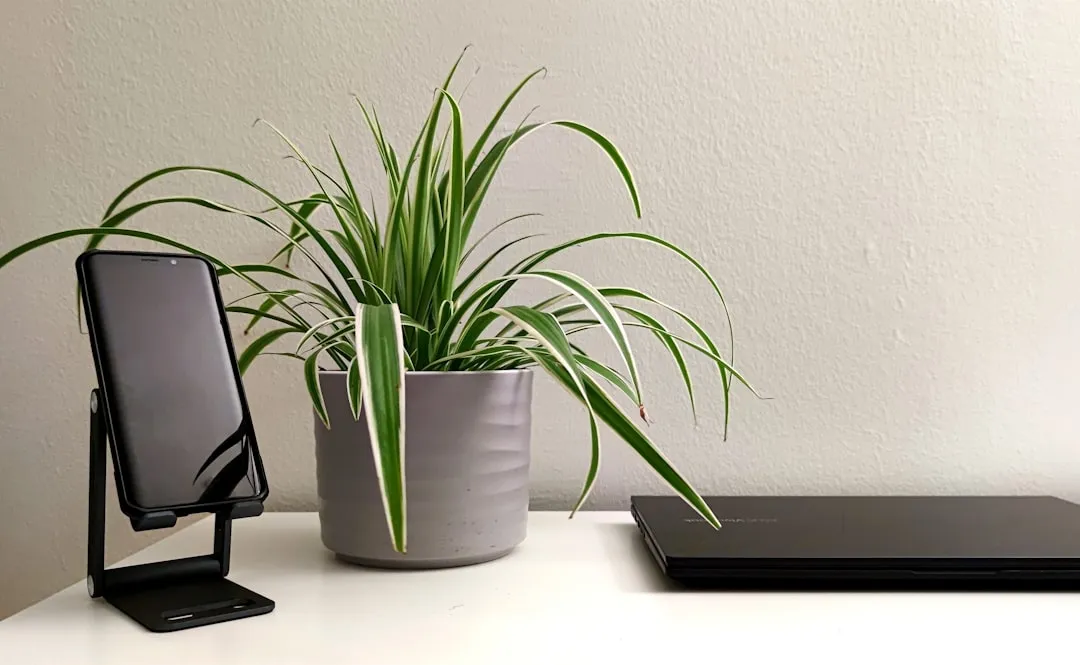
Digital plant care apps serve well as organizational aids – tracking repotting dates, logging growth photos, or identifying pests via image recognition. That’s where many of them genuinely earn their ratings. The scheduling features keep people engaged with their plants, which builds the observational habit that actually saves plant lives over time.
Planta is one of the highest-rated plant care apps on the market, providing watering recommendations based on your environment and live weather updates. More advanced tools like Growli take a different approach entirely: Growli asks clarifying questions in dialog about soil moisture, recent repotting, and watering history, then ranks the most likely cause of a problem in about 60 seconds. That’s meaningfully different from a static calendar reminder.
Plant ID Features: More Reliable Than the Watering Clock
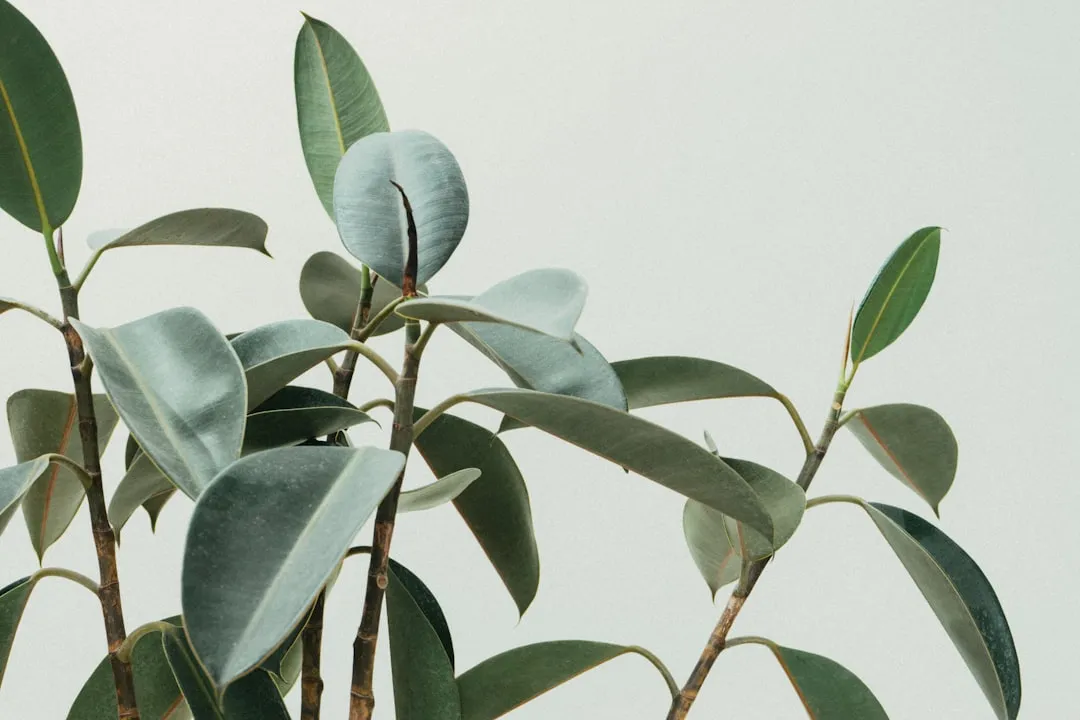
Plant identification apps like PictureThis, PlantSnap, and Garden Answers excel at visual taxonomy, using convolutional neural networks trained on millions of labeled images to distinguish between closely related species with over 94% accuracy in ideal lighting. That’s a genuinely impressive capability, and it solves a real problem: most houseplant deaths begin with a misidentified species getting the wrong care entirely.
PlantNet, for example, leverages a community-driven database of roughly 20,000 wild and cultivated species – snap a photo, upload it, and the app suggests possible matches with a likelihood score. Getting the species right is the foundation of everything else. It’s the one area where apps tend to outperform the average beginner’s guesswork by a considerable margin.
The Cohort Study That Changed the Conversation
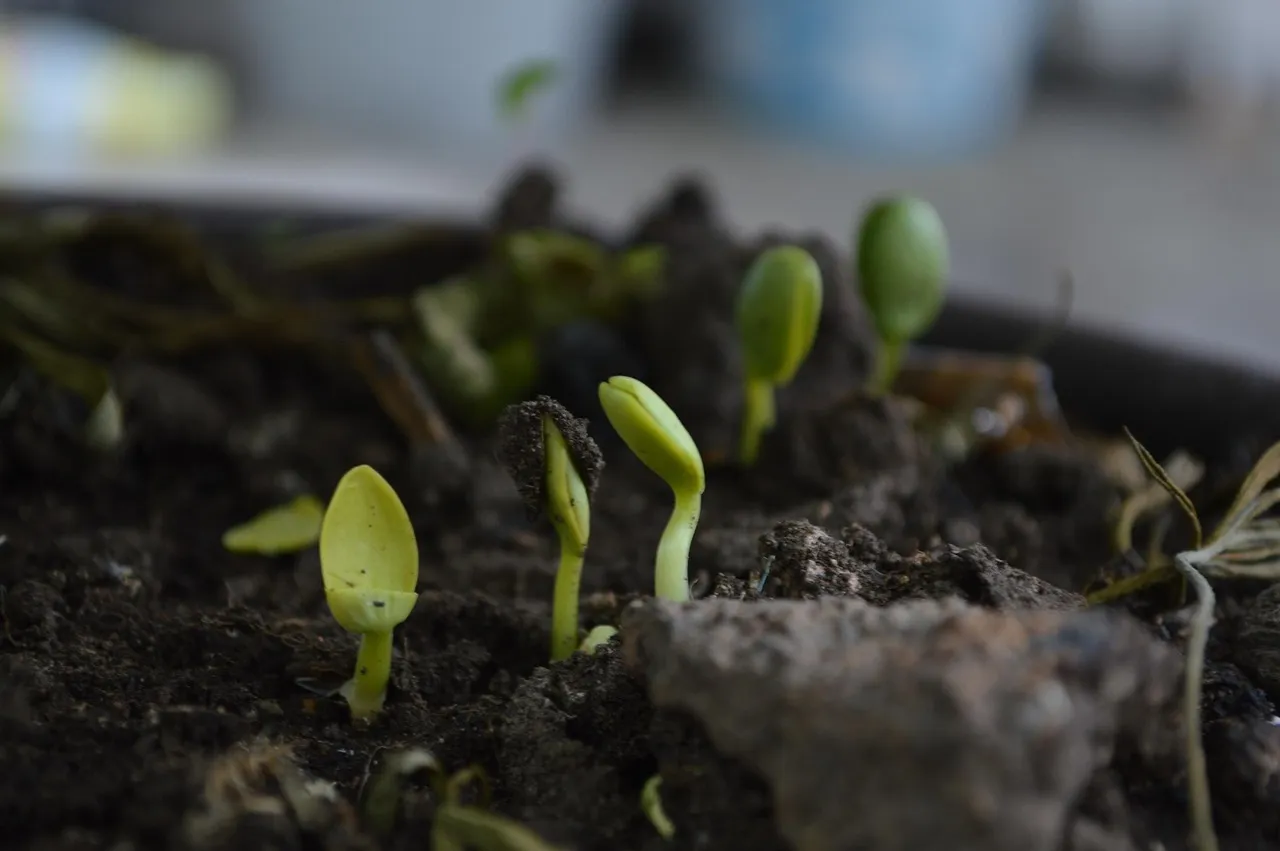
To assess real-world impact, researchers analyzed anonymized data from 417 households in the 2023 to 2024 Smart Gardening Cohort Study, conducted by the Horticultural Innovation Lab at Rutgers University, with participants randomly assigned to use either an ID-only app, a hybrid app-plus-moisture-meter approach, or a predictive AI system for 16 weeks. The results pointed clearly toward one conclusion: the hybrid group, using both an app and a physical soil check, consistently outperformed those relying on the app alone.
A quality moisture meter delivers direct, localized, physical measurement rather than inference, using stainless-steel probes to assess electrical resistance – wetter soil conducts current more readily, yielding a quantifiable reading. Combined with an app’s scheduling and identification strengths, that combination covers the gaps neither tool can fill on its own. In short: apps inform; meters verify.
The Notification Problem Nobody Talks About
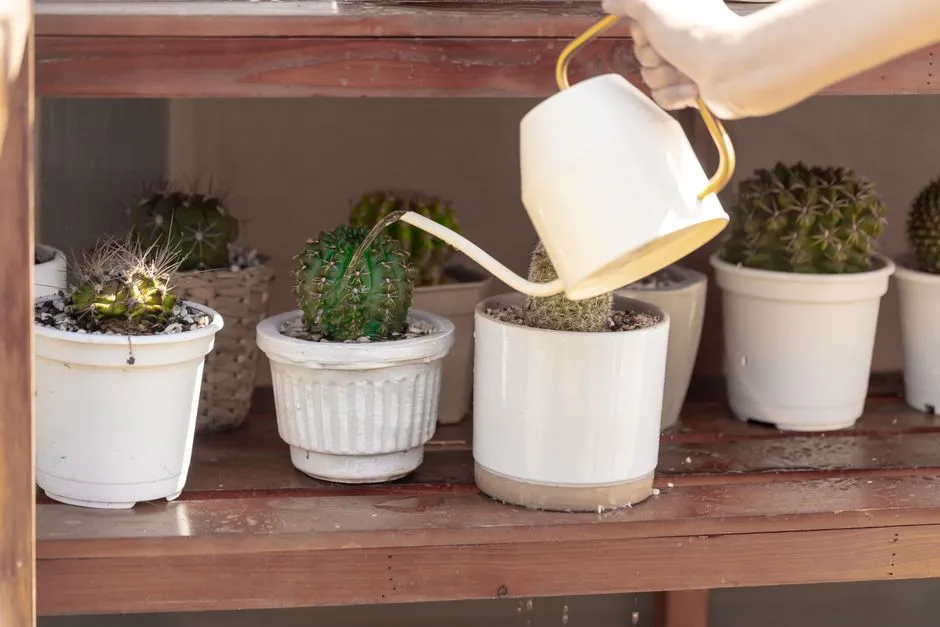
A clear issue with app-based plant care is watering – mainly remembering to water at all, but also overwatering when plant care is shared between people in the same household. Two people, one app, both receiving the same reminder, both watering the same pot. The plant never had a chance. Too many people assume that watering once a week is the right interval between waterings, and app reminders can quietly reinforce that assumption even when the soil tells a different story.
Overwatering leads to root rot and plant death, and depending on how much light the plants receive and how warm the room is, it can be very tricky to judge how much water indoor plants actually need. A notification doesn’t know whether your apartment is 65 or 80 degrees. It doesn’t know if you left the window open all week or ran the heat on full. The soil does.
How to Actually Use a Plant App Without Losing Your Plants
Use the app only for logging results, setting calendar reminders after physical verification, or cross-checking seasonal trends – not for real-time decisions. That reframing changes everything. The app becomes a record-keeper rather than a decision-maker, and the actual judgment stays with the person who can feel the weight of the pot and see the color of the leaves.
Over time, owners get to know their plants. They know what they need and when they need it, and that hands-on knowledge is invaluable for fine-tuning care. The best apps seem designed with that in mind. Some apps do a great job of integrating these nuances, allowing watering activities to be snoozed or adjusted between repeating actions. Flexibility, in this context, is a feature – not a bug.
The Takeaway
Plant care apps are genuinely useful tools. They track, remind, identify, and educate in ways that were simply not available to the average apartment gardener a decade ago. The problem isn’t the apps themselves – it’s the reasonable but mistaken assumption that handing off the schedule means handing off the responsibility.
A 2021 Statista study revealed that roughly 37% of recreational gardeners killed one to two houseplants per year – and that figure predates the app boom. The technology hasn’t yet eliminated the losses; it’s changed what causes them. The fiddle leaf fig doesn’t die from neglect anymore. It dies from an 8 a.m. notification and an unquestioned tap of the watering can. The most useful thing a plant app can do is make you a more attentive grower, not a less attentive one.
AI Disclaimer: This article was created with the assistance of AI tools and reviewed by a human editor.