
It started, as most garden frustrations do, with a plant that looked perfectly fine last Tuesday and completely defeated by Thursday. The leaves were drooping. The flowers had shriveled. Nothing had changed, or so I thought. So I did what plenty of modern gardeners quietly do: I typed my problem into an AI tool and waited.
The answer that came back wasn’t a single fix. It was a list of interconnected causes, some familiar, some genuinely surprising. Turns out hydrangeas are more particular than they look. Here’s what I found out, broken down into the ten reasons your hydrangeas keep dying, and what you can actually do about each one.
You’re Probably Misreading the Wilting
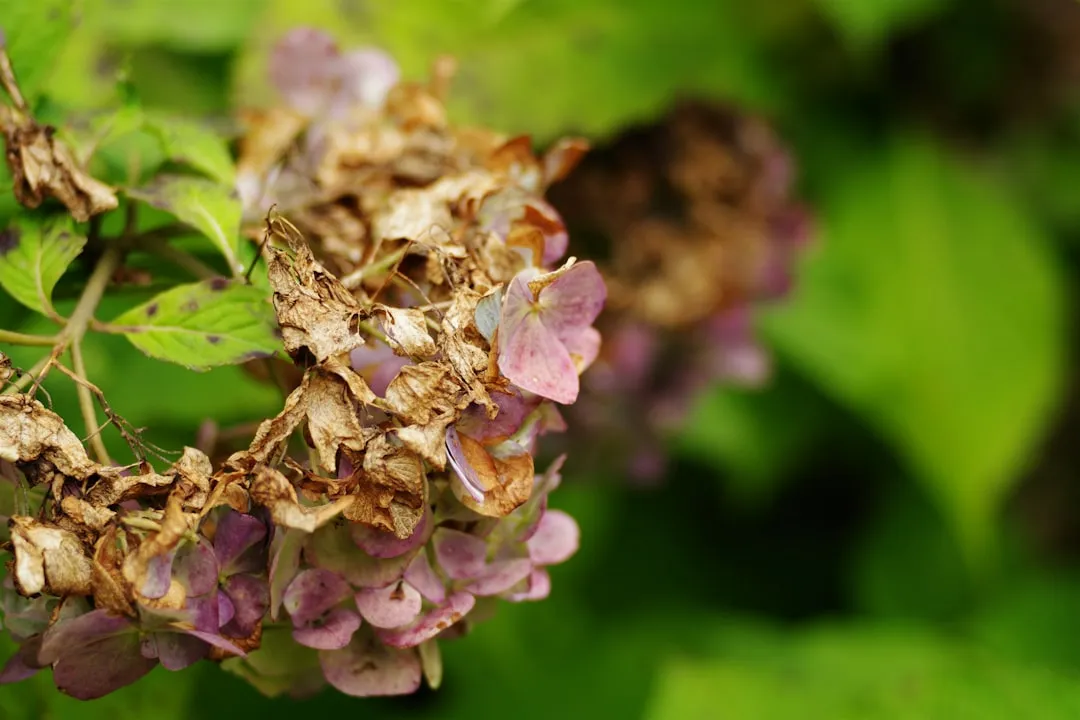
Wilting is the most alarming thing a hydrangea can do, but not all wilts are equal. Before you reach for the watering can, you need to check the time of day and the actual state of the soil. Wilting can look the same whether the soil is bone dry or completely waterlogged, and treating for one when you have the other makes things significantly worse. Hydrangeas become very heat sensitive when temperatures climb above 85°F, and when leaves lose moisture faster than the roots can absorb more water, they wilt. If the soil is kept evenly moist, though, they typically perk up by themselves overnight.
The Watering Itself Is the Problem
Hydrangeas are moisture-loving plants, and insufficient watering is a common cause of wilting. If the soil around the roots becomes too dry, the plant cannot maintain its turgor pressure, leading to drooping leaves and stems. In general, hydrangeas require about one inch of water per week. Inconsistent watering causes crispy leaf edges, drooping foliage, and flower buds that dry before opening. Hydrangeas have shallow root systems and dry out quickly in hot weather or windy conditions.
Mulching with two to three inches of wood chips or straw helps retain moisture and regulate soil temperature. Avoid light, frequent sprinkles, since this encourages surface roots that dry out fast.
Overwatering Is Just As Deadly
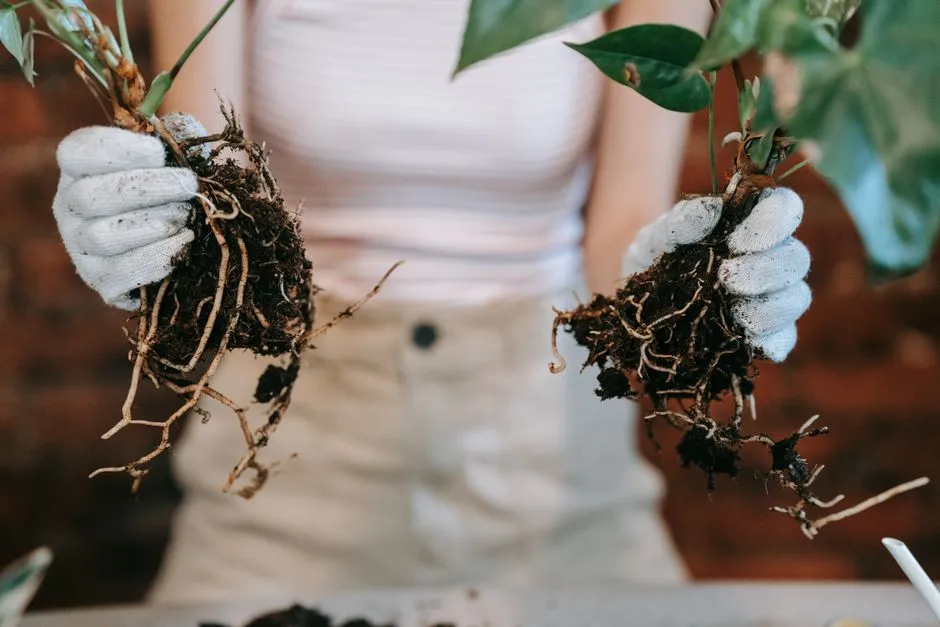
Hydrangeas love moisture, but soggy soil suffocates roots and invites root rot. Yellowing lower leaves, soft stems, and a foul smell from the soil are classic signs. In saturated soil, roots are deprived of oxygen within hours, leading to root failure that shows up weeks later as wilting or yellowing foliage – symptoms often misread as drought stress.
Standing water around the base or compacted clay soil traps moisture, preventing oxygen from reaching roots. Check soil moisture by inserting your finger two inches deep. If it feels wet for more than 24 hours after watering, reduce frequency.
The Soil pH Is Silently Starving the Plant
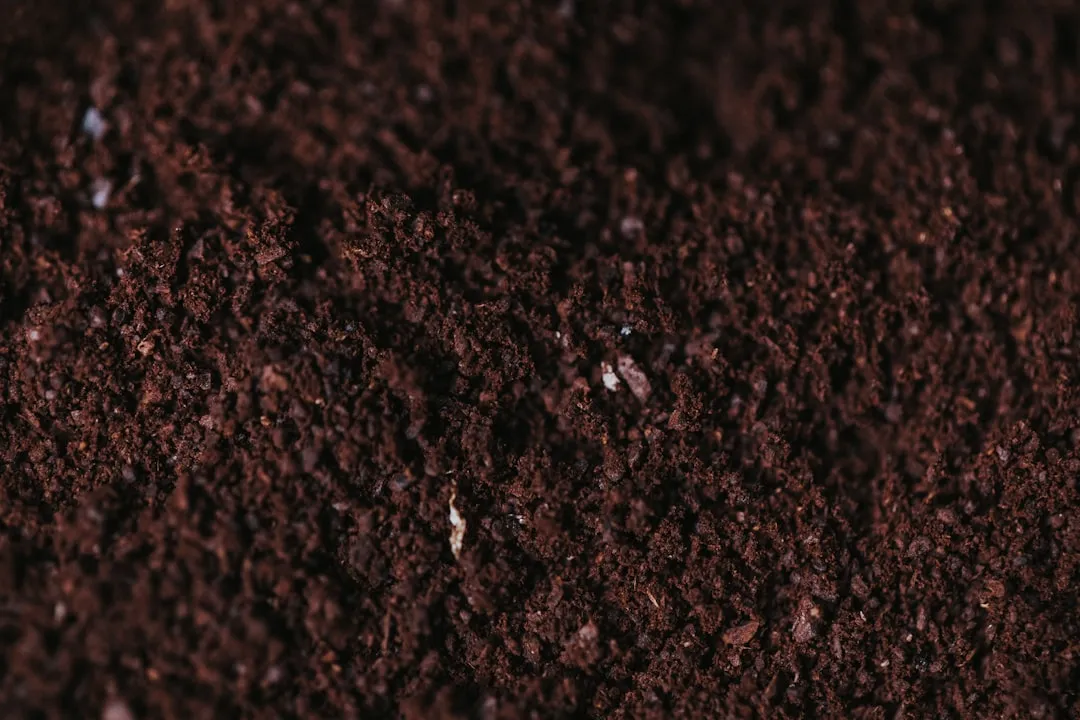
Three things drive hydrangea performance: pH, drainage, and organic matter. Get all three right and these shrubs are relatively low maintenance. Miss any one of them and you’ll see the consequences by midsummer. The general target for most hydrangeas is a pH of 5.5 to 6.5, where roots can access the full complement of nutrients.
Most major plant nutrients are more accessible at a pH of 6 to 6.5. A pH that is too high or too low can keep plants from absorbing nutrients from the soil. The nutrients are unavailable, or simply not absorbable, to the plant because of the soil’s chemistry. According to University of Georgia Cooperative Extension research, a soil sample indicates the nutrients and pH level of the soil, eliminating the guesswork on how much fertilizer or lime is needed.
Sunlight: Too Much or Too Little Destroys Them
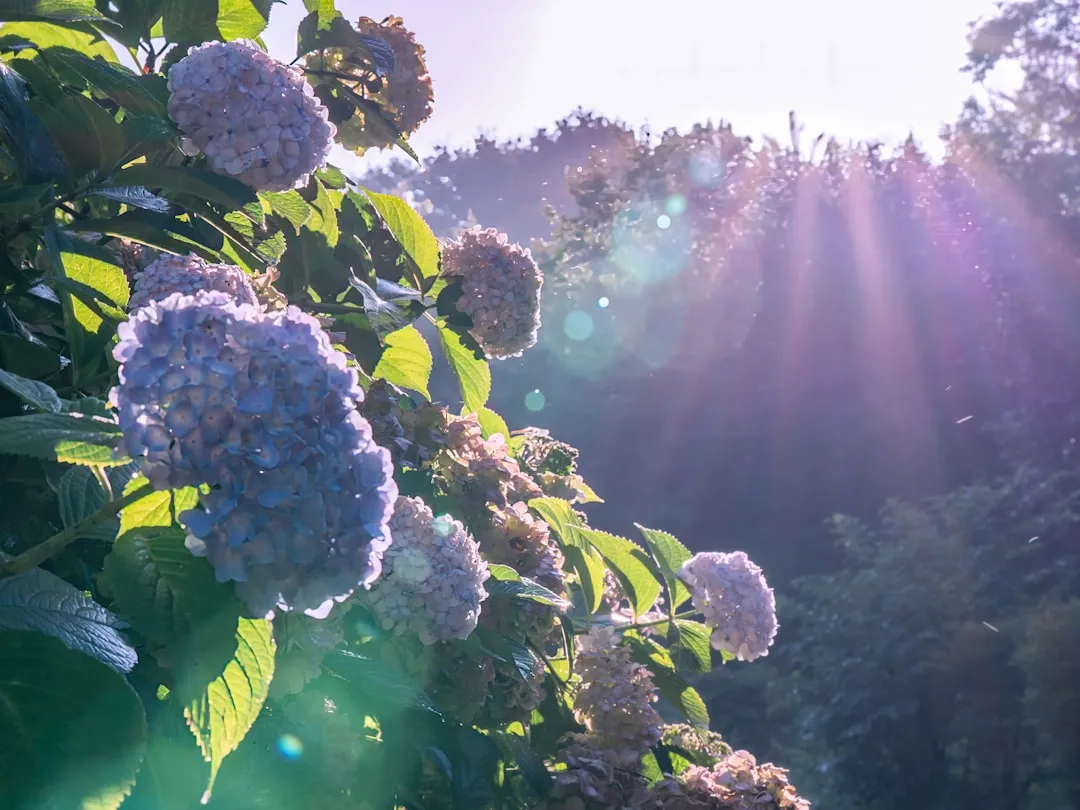
Potted hydrangeas need at least four hours of sun per day, with shade during the hottest parts of the afternoon. Hydrangeas prefer morning sun and afternoon shade. In hot climates, full afternoon sun scorches leaves, especially on bigleaf varieties like Hydrangea macrophylla.
Hydrangeas are native to woodland environments where they grow under the canopy, protected from full sun and excess wind, in rich moisture-retaining soils composed of leaf mold, with frequent rainfall. Understanding that native context explains a lot about why a sunny exposed garden bed so often ends in disaster for them.
Wrong Location, Wrong Plant
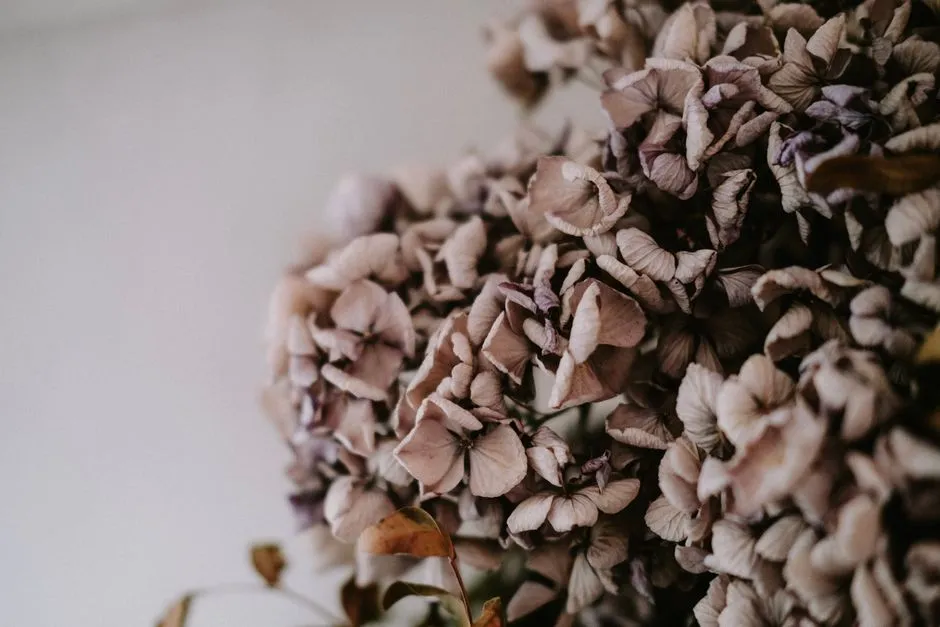
A huge reason that plants, including hydrangeas, suffer is that the wrong plant has been planted in the wrong place. This could mean the plant is not getting the correct amount of sunlight. Because they are often growing in the shade, they can be susceptible to fungal diseases. These diseases are spread via moisture, often splashed back onto the plant from the soil, and they thrive in humid and warm areas where the airflow is limited.
Hydrangeas also wilt when planted in sandy or stony soil that drains too quickly. Hydrangea flowers prefer well-drained, organically rich soils with moderate fertility. Getting the location right from the start saves an enormous amount of troubleshooting later.
Pruning at the Wrong Time Destroys Next Year’s Blooms
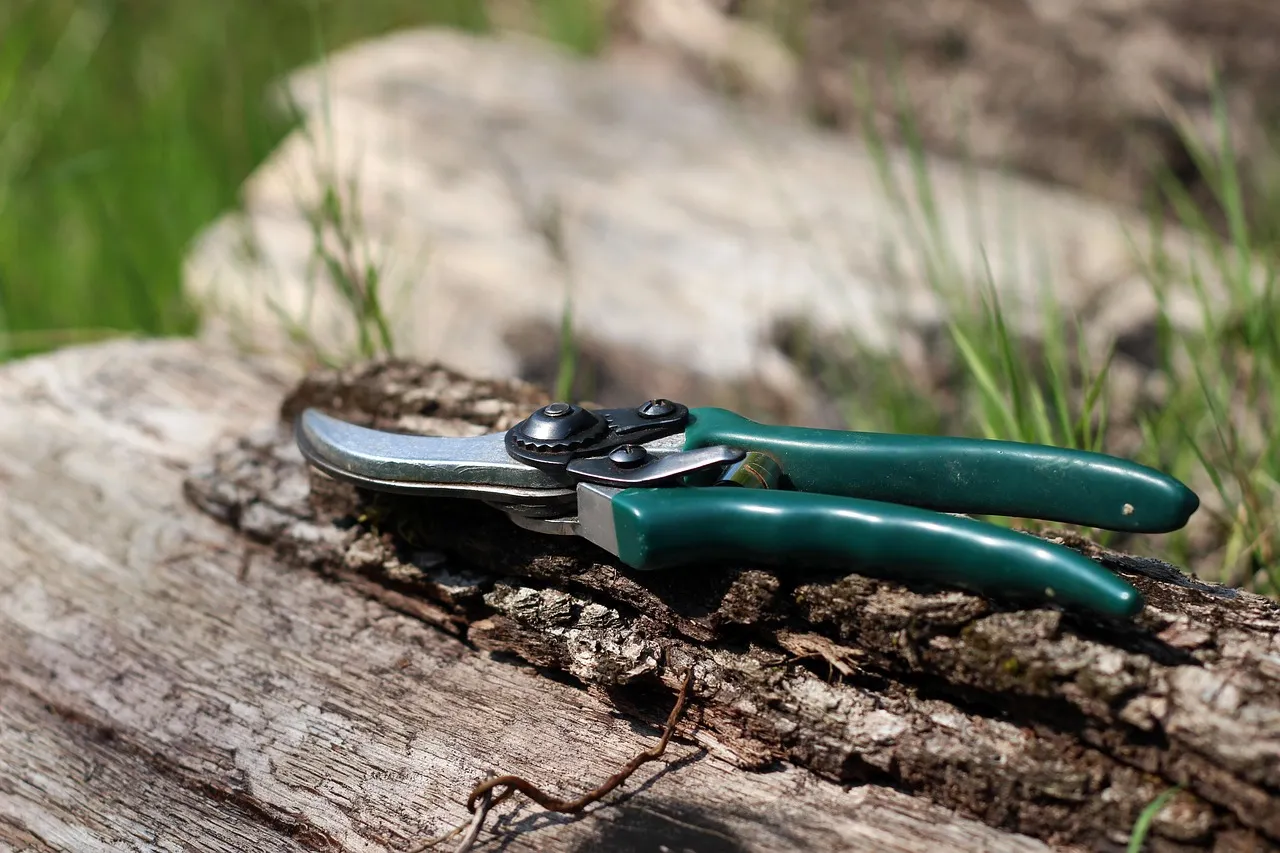
Improper pruning is the most common reason hydrangeas fail to bloom. Both bigleaf and oakleaf hydrangeas produce their flowers on the previous year’s growth. If these stems are removed, new growth may fail to produce flowers. This surprises a huge number of gardeners who prune in autumn thinking they’re tidying up, when they’re actually cutting away next summer’s flower buds.
If your hydrangea looks too large or unruly in fall, resist major pruning. Instead, remove only spent flowers and dead stems, mulch around the base to protect roots from frost, and wait until late winter or early spring to reshape. Pruning hydrangeas at the wrong time of year is one of the biggest reasons gardeners see fewer blooms the next season. By matching pruning time to your hydrangea’s bloom cycle, you’ll be rewarded with a more robust display of flowers next summer.
Root Rot: The Silent Killer You Don’t Notice Until It’s Late
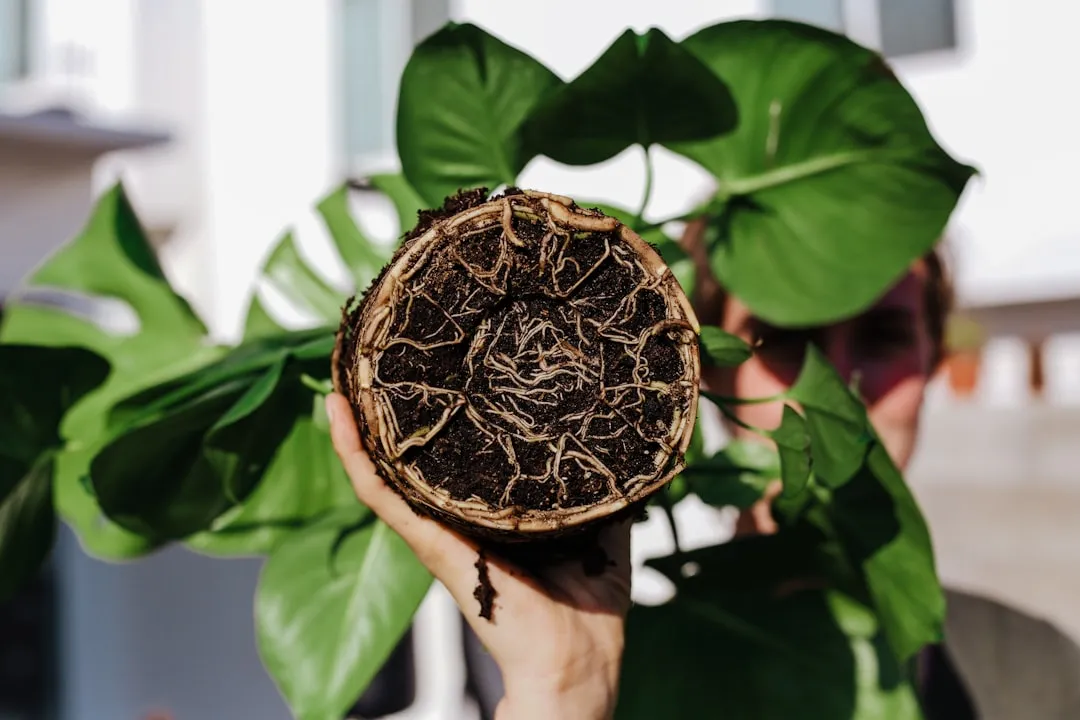
Root rot caused by Armillaria fungi can occur in landscape plantings, especially on oakleaf hydrangea. Plants stressed by drought or other factors are most susceptible, and symptoms first appear as wilting on one or more shoots. Watering will not return the leaves to normal, and within a few weeks, the remaining shoots will wilt and the hydrangea will die.
Poorly drained potting media and excess watering can increase the level of root rot disease in container-grown hydrangea. Symptoms include the sudden wilting and yellowing of the foliage. Infected roots may exhibit brown discoloration visible at the crown at the soil line. Tennessee State University Extension notes that good water management is the most important preventive factor.
Pests and Fungal Disease Sneak Up Quietly
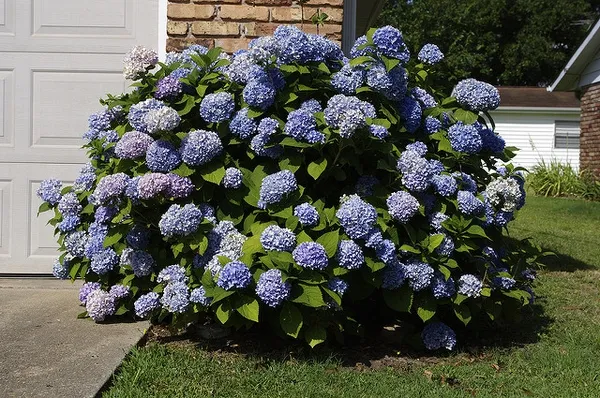
Aphids, spider mites, and fungal infections like powdery mildew or botrytis blight attack stressed hydrangeas. Look for sticky honeydew, webbing, spotted leaves, or fuzzy gray mold on flowers. With botrytis blight, small water-soaked spots on the petals quickly expand into brown irregular blotches, and brown withered masses of flowers may be covered with fuzzy gray fungal growth. Disease development is favored by cool, humid, wet conditions.
Powdery mildew on hydrangeas appears as a white or grey powdery coating on the upper surface of leaves and sometimes on shoots. According to Washington State University Extension, it is most prevalent when conditions are dry rather than wet. Drought-stressed hydrangeas are significantly more susceptible.
Fertilizer Mistakes: Too Much Is Just As Bad As Too Little
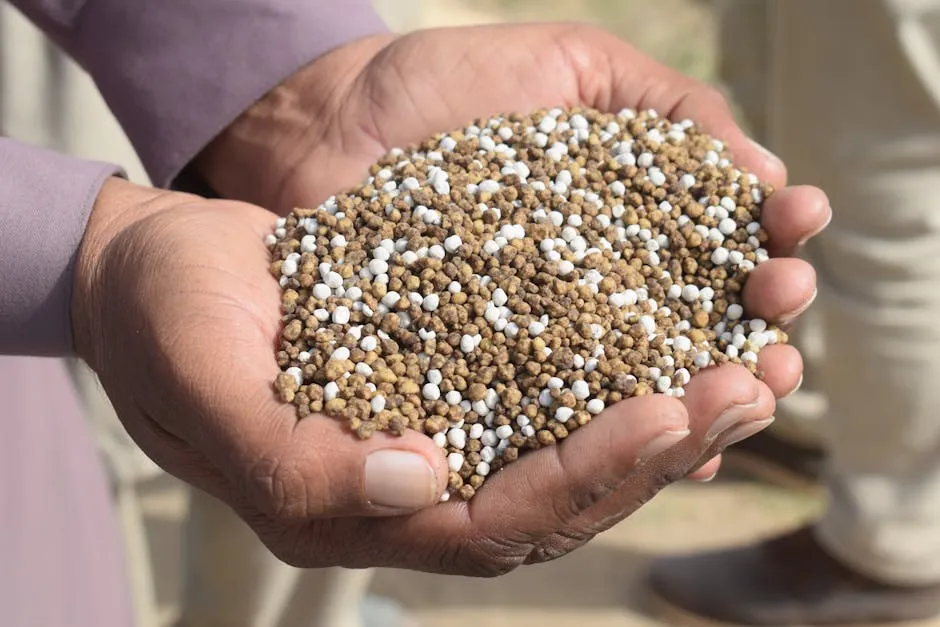
Excess fertilizer salts can accumulate in soil, drawing moisture out of roots. This “fertilizer burn” mimics drought stress, causing leaf tips to turn brown and curl. Hydrangea flowers can also droop due to excess fertilizer. Synthetic fertilizers high in phosphorus inhibit blooming in hydrangeas, which is particularly counterintuitive since most gardeners add fertilizer specifically to encourage more flowers.
Test soil pH every two to three years, since natural processes like rainfall and decomposition gradually alter it. If leaves yellow despite adequate watering, consider a foliar feed with chelated iron or a balanced organic fertilizer. Most problems, though, stem from soil structure or pH rather than nutrient deficiency alone. Over sixty percent of hydrangea failures stem from preventable care mistakes, not disease or bad luck, according to horticultural assessments – which is both sobering and quietly encouraging.
What the AI Got Right (and What It Missed)
The list the AI gave me was largely accurate. It flagged watering imbalance, soil pH, sun exposure, and pruning timing as the main culprits. What it couldn’t do was look at my actual garden. It couldn’t feel the soil at root depth, check whether my mulch had dried out, or notice that my hydrangea sat two feet from a concrete wall absorbing reflected afternoon heat.
That’s the gap. Most hydrangea problems come down to water, pruning at the wrong time, fungal disease encouraged by poor airflow, or frost catching soft new growth in spring. Getting the diagnosis right before acting is essential, because wilting can look the same whether the soil is bone dry or waterlogged.
The real takeaway isn’t that hydrangeas are impossibly difficult. It’s that they’re specific. They want dappled light, consistently moist but well-drained soil, the right pH, and a gardener who knows when not to prune. Get those fundamentals steady, and the drama tends to stop. Sometimes the most useful answer to “why is my plant dying” is simply: slow down and look more carefully before you do anything at all.
AI Disclaimer: This article was created with the assistance of AI tools and reviewed by a human editor.