


1. Cut Back on Beef and Lamb First

If there is one change that matters more than any other, it is reducing red ruminant meat. Producing 100 grams of protein from beef emits 25 kilograms of carbon dioxide-equivalents on average. That is not a small gap compared to plant proteins; it is the largest single difference in the entire food system. To get the same amount of protein from beef, emissions would be nearly 90 times higher than from some plant sources. You do not need to eliminate beef entirely to see a benefit; even trimming it to once or twice a week instead of daily moves the needle noticeably.
2. Swap Dairy Milk for a Plant-Based Alternative

Your morning coffee habit carries more climate weight than most people assume. Oat milk generates 71% fewer greenhouse gas emissions than dairy milk, while almond milk generates 77% fewer. Soy milk also comes in well ahead of dairy, generating 68% fewer emissions. This data comes from a meta-analysis of food system impact studies covering 570 studies across 119 countries, examining the entire production chain. A daily latte switch will not save the planet on its own, but multiplied across millions of cups, it adds up fast.
3. Trade Some Red Meat Meals for Chicken or Fish

Not every protein swap needs to be a leap to tofu. Even switching from red meat to chicken would have a meaningful impact on emissions, according to research highlighted by Oxford university studies. Poultry and most fish carry a much lighter footprint than beef or lamb because they require far less land, feed conversion is more efficient, and there is no methane-heavy digestive process involved. This is often the easiest first step for people who are not ready to give up meat altogether but want a quick, low-effort win.
4. Build Meals Around Legumes and Beans

Beans, lentils, and chickpeas rarely get the spotlight, yet they are some of the most climate-friendly protein sources available. To make a kilo of protein from kidney beans requires approximately eighteen times less land, ten times less water, nine times less fuel and twelve times less fertilizer compared to producing a kilogram of protein from beef cattle. Legumes also fix nitrogen in the soil naturally, reducing the need for synthetic fertilizer on the next crop grown in that field. A simple lentil soup or a bean chili is not just budget-friendly; it is one of the lowest-footprint meals you can put on the table.
5. Waste Less Food at Home
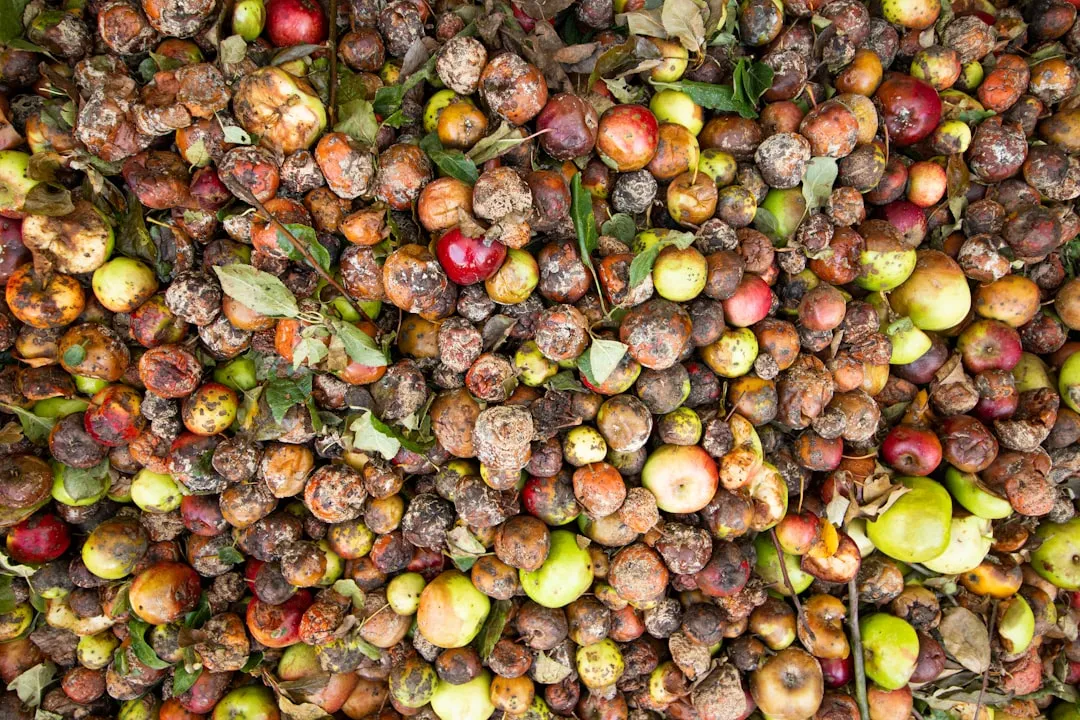
What you throw away matters almost as much as what you buy. In 2022, nineteen percent of food available to consumers was wasted at the retail, food service, and household level, in addition to thirteen percent of the world’s food lost earlier in the supply chain. Globally, food loss and waste generates eight to ten percent of global greenhouse gas emissions, almost five times the total emissions from the aviation sector.
On a household level, each person wastes about 79 kilograms of food annually, which means better meal planning and using up leftovers is a genuine climate action, not just a tidy kitchen habit.
6. Ease Up on Cheese, Too

Cheese often escapes scrutiny because it does not feel like meat, but its footprint tells a different story. Cheese has a high carbon footprint of about 13.4 kilograms of CO2 equivalent per kilogram, largely because it takes a substantial volume of milk, and therefore a substantial number of dairy cows, to produce a small block of it. This puts cheese closer to poultry or pork in impact per kilogram, which is worth remembering the next time you build a pizza or a cheese board. Choosing smaller portions, or occasionally reaching for a plant-based cheese alternative, is a low-drama way to trim this part of your footprint.
7. Stop Worrying So Much About Food Miles

It feels intuitive that local food must be greener, but the evidence points elsewhere. Buying locally sourced food has many benefits, but meaningfully lowering greenhouse gas emissions is not really one of them; what you eat and how it was produced matters much more than how far it traveled. Transportation is a relatively minor slice of a food’s total footprint compared to how it was farmed and what type of food it is in the first place. This does not mean local food is pointless; it just means your climate energy is better spent choosing what is on the plate rather than obsessing over the label’s country of origin.
8. Try a Plant-Based Burger on Occasion

Plant-based meat alternatives have improved considerably in taste and texture over the past few years, and the climate case for them is strong. The carbon footprints of both the Beyond Burger and the Impossible burger are around 20 times smaller than that produced by the same amount of beef, with the difference stemming mainly from production; the Beyond Burger is made from pea protein while the Impossible burger uses soy and potato protein. These products are not a required part of a lower-footprint diet, but for people who miss the format of a burger night, they offer a practical middle ground. Even using one plant-based patty in place of a beef one every couple of weeks adds up over a year.
9. Aim for Flexitarian, Not Perfection
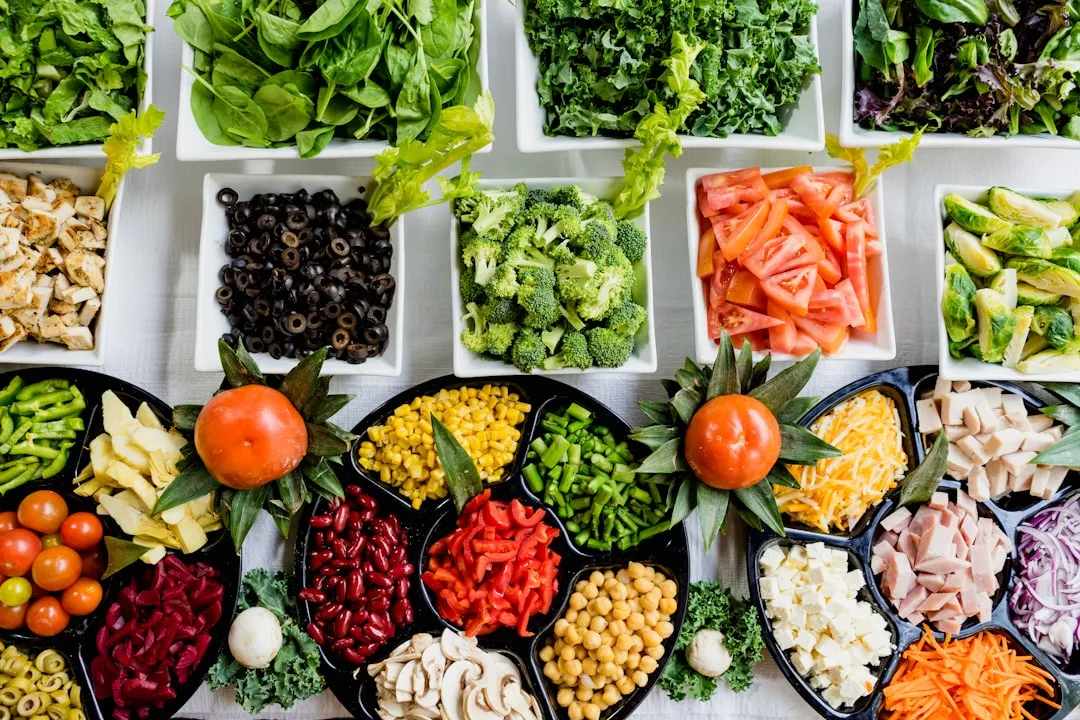
You do not need to become vegan overnight for dietary change to count. Research published in Nature Food found that increasing plant-based foods alongside reductions in red and processed meat would have considerable benefits for health and the environment, involving relatively small changes in diets for most people. A separate ScienceDaily summary of that same research noted that these modest, partial substitutions of animal with plant protein could cut a person’s dietary carbon footprint by roughly a quarter. The goal is consistency over time, not a rigid all-or-nothing label you have to defend at dinner parties.
10. Use the Planetary Health Diet as a Rough Guide

If you want a broader benchmark rather than a single swap, look at what researchers call the planetary health diet, built around more whole grains, fruits, vegetables, nuts, and legumes with meat treated as an occasional ingredient rather than the centerpiece. Modeling for the European Union found that halving the consumption of meat, dairy products, and eggs would achieve a 40% reduction in nitrogen emissions and a 25 to 40 percent reduction in greenhouse gas emissions.
At a global level, a Nature Climate Change analysis found that more than half of the global population that is presently overconsuming would save nearly a third of global emissions through diet shifts toward this kind of pattern. You do not have to hit every target perfectly; treating it as a general direction, more plants, less red meat, less waste, is enough to matter.
A Realistic Takeaway

None of these ten shifts require a dramatic lifestyle overhaul or a new budget line. Cutting back on beef a little, swapping a carton of milk, using up leftovers before they spoil, these are small, repeatable choices rather than one-time sacrifices. The research is consistent on one point worth remembering: what ends up on your plate carries more climate weight than almost any other daily decision you make, and even partial changes, sustained over time, add up to something real.
AI Disclaimer: This article was created with the assistance of AI tools and reviewed by a human editor.