
Why the Storage Tote Works So Well
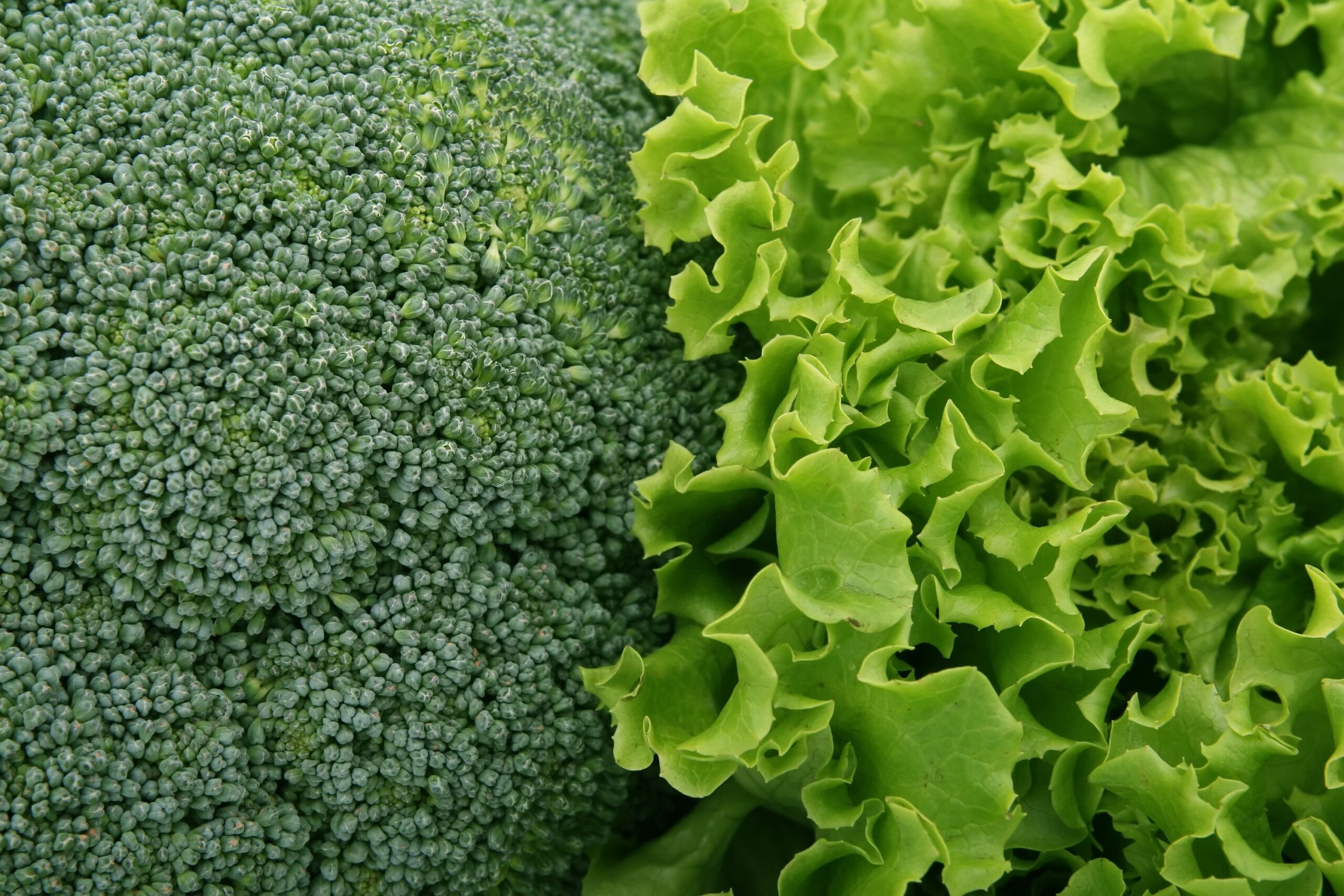
Gardeners using 5-gallon storage totes with a couple of grow lights overhead have found them excellent for growing up to six heads of lettuce at a time, planted in succession, and also well-suited to growing radishes and turnips in winter. The wide, flat footprint of a standard tote is genuinely better than many purpose-built planters for lettuce specifically.
Lettuce is one of the easiest vegetables to grow in containers because it has shallow roots, grows quickly, and doesn’t demand much space. Wide, shallow containers work best, with a minimum of 12 inches wide by 6 inches deep for leaf varieties. A standard 66-litre storage tote easily clears those dimensions with room to spare.
Plastic containers are lightweight, affordable, and retain moisture well, making them perfect for beginners. That description fits most storage totes exactly, and the affordability angle matters a lot for renters who don’t want to invest heavily in permanent infrastructure.
Lettuce Is Actually a Cool-Season Crop
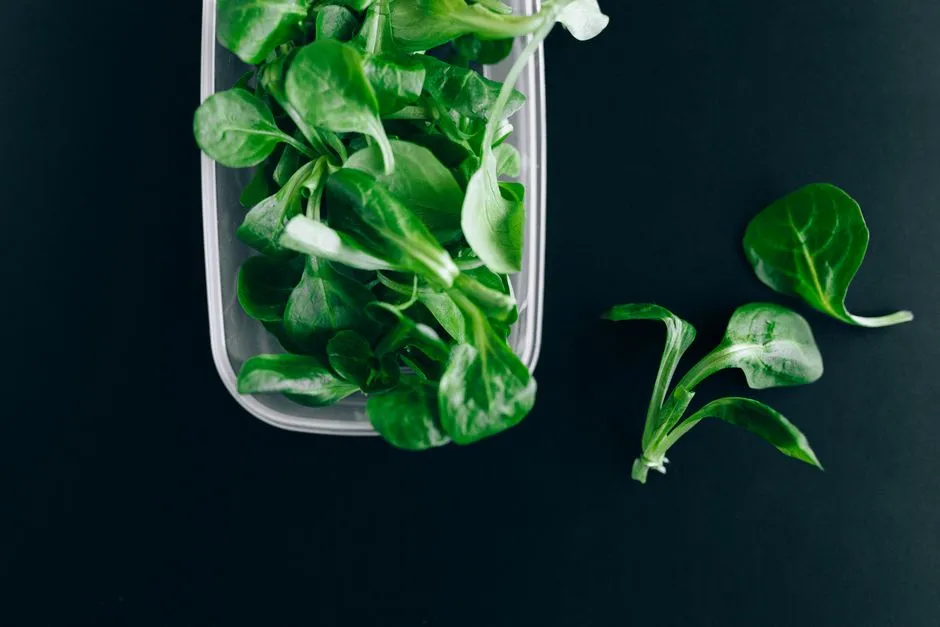
People tend to associate lettuce with summer, but it is actually more of a cool-season crop for spring and early autumn. Lettuce seedlings can handle temperatures even a couple of degrees below freezing. This biological reality is what makes winter balcony growing realistic in the first place.
Lettuce is a cool-season crop with fast germination times, as few as 45 days to harvest, and a range of textures and colors, making it ideal for containers. That 45-day window means you don’t have to wait months to see results, which keeps motivation high through the colder stretch of the year.
Lettuce actually prefers the kind of conditions most balconies offer: moderate light, cool roots in containers, and shelter from harsh weather. It is one of those crops where container growing can outperform garden growing. Balconies, with their partial shelter and indirect light, often hit that sweet spot naturally.
The Best Varieties to Plant in Winter
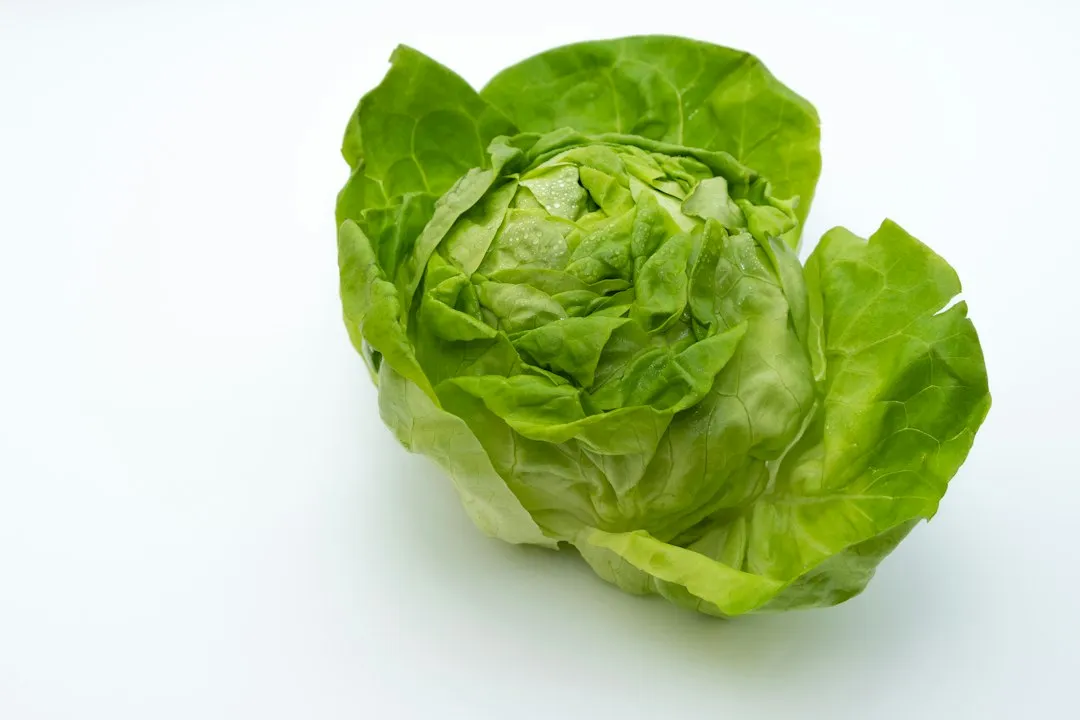
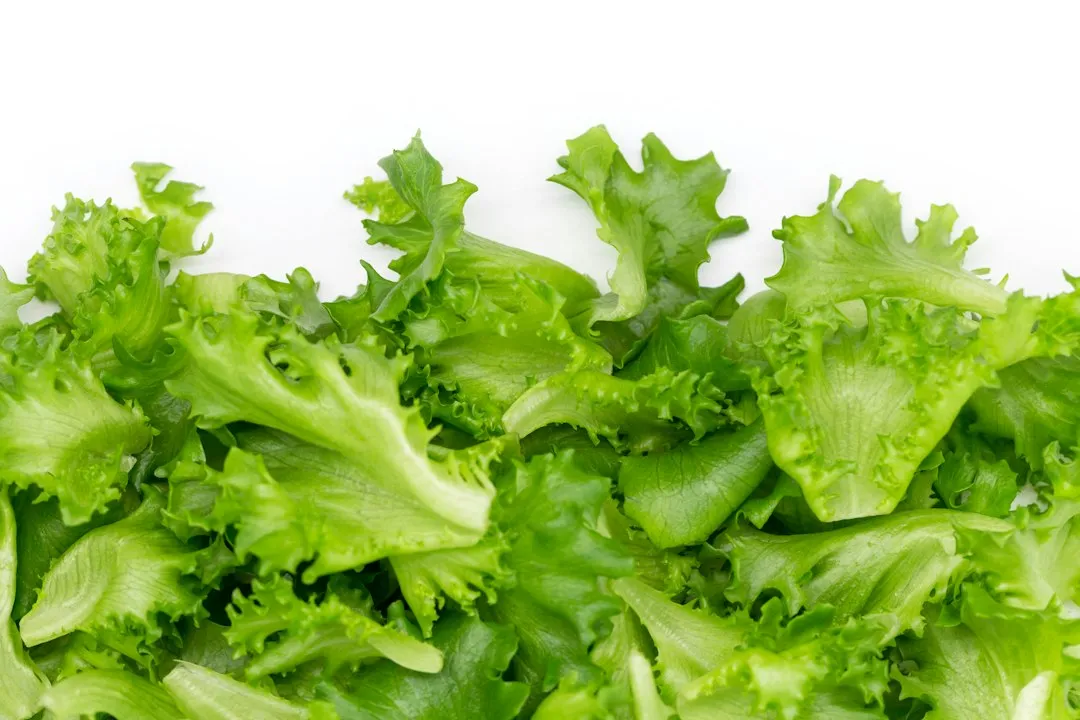
For indoor or cool-season growing, loose-leaf varieties such as Baby Oakleaf, Tom Thumb, and Black-Seeded Simpson perform reliably. Some varieties are specifically known to grow well in winter light, including Arctic King, Winter Marvel, and Winter Density. These aren’t niche cultivars either. Most good seed suppliers stock them.
Winter Density is a compact Romaine variety that is cold-hardy and grows in low temperatures. For balcony growers dealing with genuine cold snaps, this is often the go-to recommendation. Its tightly packed leaves also hold up better in wind than loose-leaf types.
Growing leaf salad greens lets you harvest as you need them rather than waiting for a whole head, and planting seeds densely then thinning as they grow means the thinnings themselves become edible baby greens. That approach stretches a single tote’s yield considerably through the season.
Getting the Setup Right
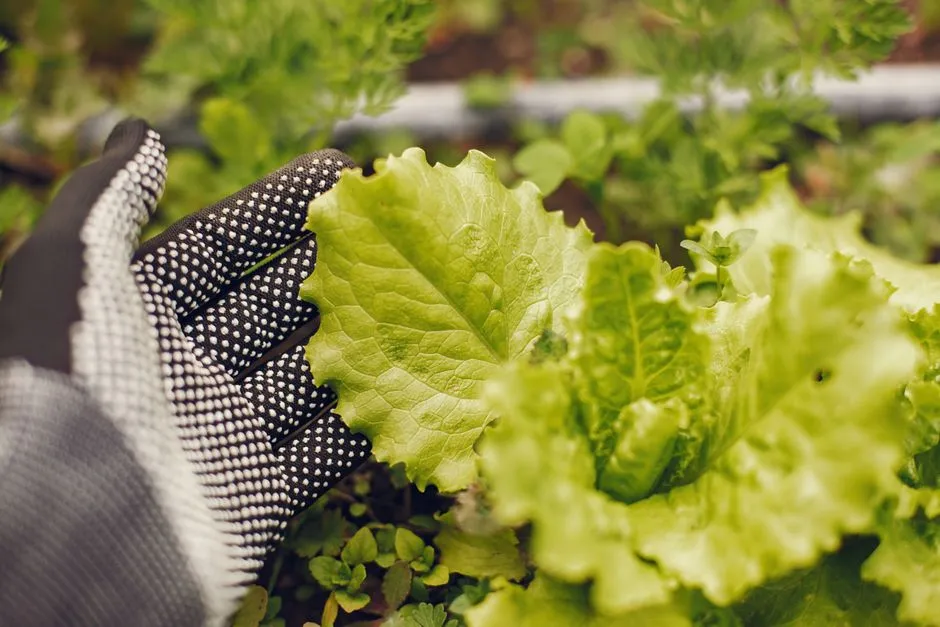
Always use containers with drainage holes to prevent root rot. If your container lacks holes, drill some or use it as a decorative outer sleeve over a drilled inner container. This is the single most important modification to make before filling any storage tote with soil.
You can start with three to four-week-old transplants or with seeds directly. Starting with seedlings is faster and easier, especially in challenging conditions, though seedling choices may not offer the full range of varieties. Lettuce seeds germinate best in temperatures of 60 to 75 degrees Fahrenheit. In winter, that means germinating seeds indoors first, then moving the tote out once seedlings are established.
Once tiny plants have their first set of true leaves, feed them with a mild diluted fertilizer such as a 5-5-5 NPK. Monitor moisture carefully to keep seedlings moist but not waterlogged. In a deep tote, overwatering is actually the more common beginner mistake rather than underwatering.
Managing Light on a Small Balcony
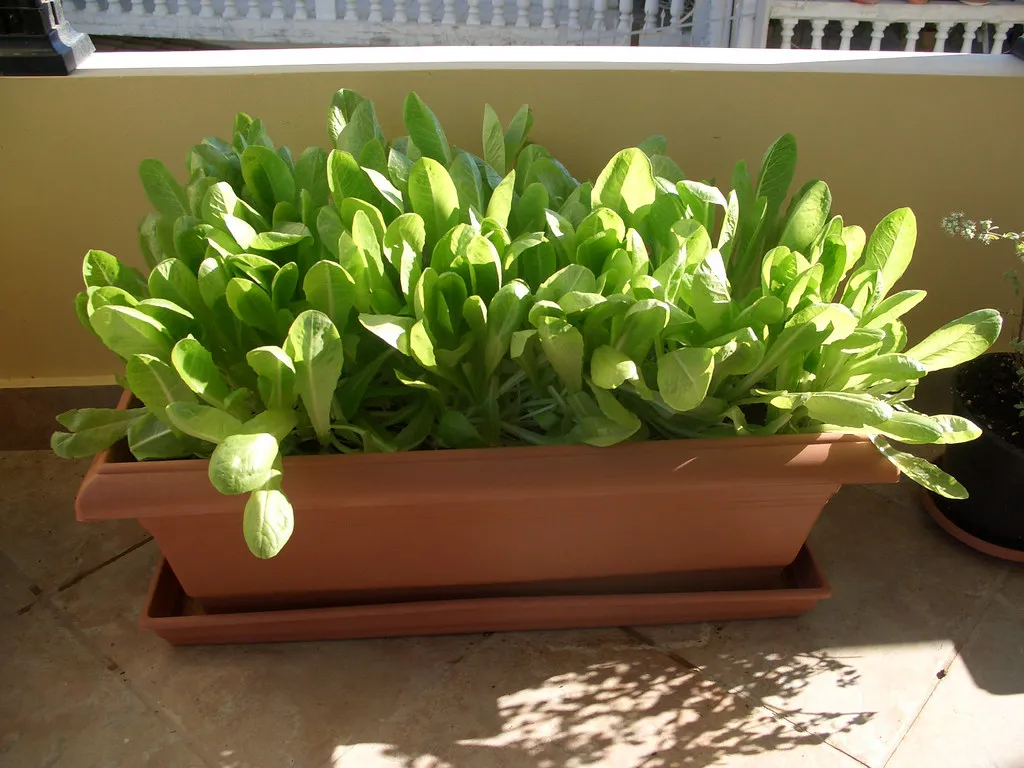
Lettuce plants will be more productive with around six hours of light, but they will still grow and produce leaves with more than partial shade. That is why lettuce is the perfect plant to grow on a covered balcony or indoors on a windowsill. Many apartment balconies that face south or southwest get exactly this kind of moderate, indirect winter light.
Lettuces require extra attention when grown indoors or in low light. Seedlings should look green and robust. Leggy, yellowed plants are light-starved. If the leaves start stretching thin and pale, it’s a clear signal to move the tote to a brighter spot or add a simple grow light above it.
A basic LED grow light set to around 14 hours a day can compensate for weak winter sun on north-facing balconies. The power draw is minimal, and the cost of running it is easily offset by avoiding even a few shop purchases of bagged salad through the season.
Keeping Plants Alive Through Cold Snaps
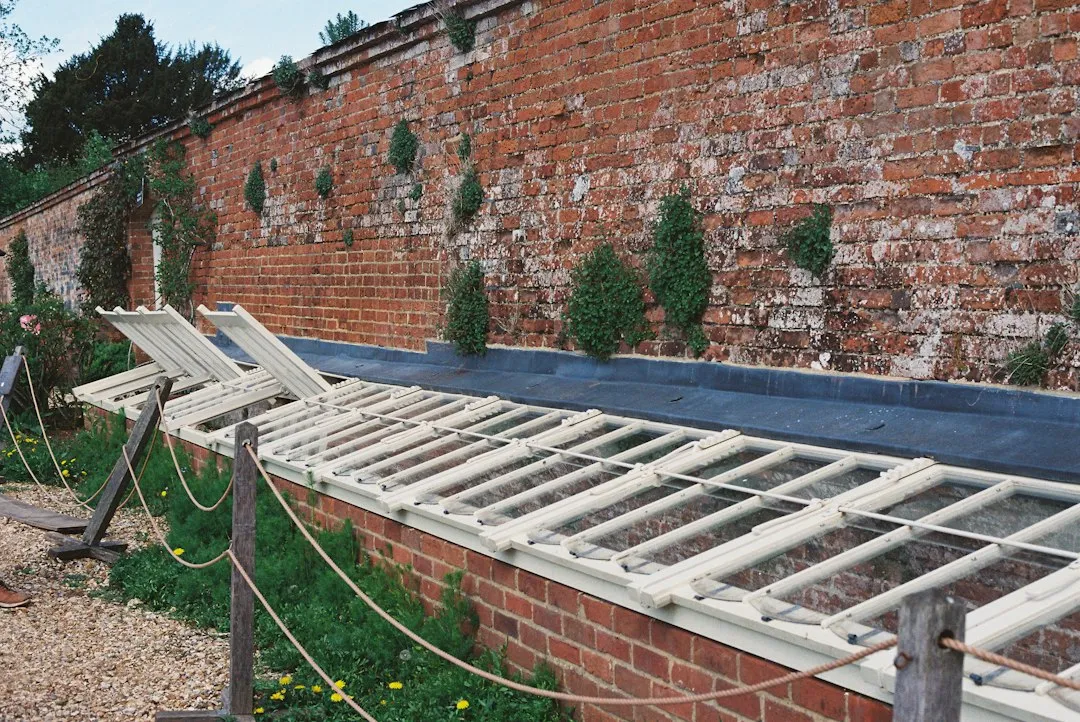
From November through January, with a simple cold frame or plastic cover over pots, winter varieties will keep producing. Growth slows dramatically but doesn’t stop entirely. Even a clear plastic bag over a pot creates enough warmth to keep hardy lettuce going. A storage tote with a matching clear lid, loosely propped open for ventilation, essentially functions as a small cold frame.
Using an umbrella greenhouse for lettuce in the fall or spring helps extend the growing season. Lettuce also grows well in cold frames even in winter. The tote itself, being made of thick plastic, provides a degree of root insulation that a ceramic or terracotta pot simply can’t match, which is another practical advantage in cold weather.
Moving a tote indoors on nights with a hard frost and back outside during daylight hours works well too. The mobility of a storage tote, especially when the soil isn’t overly saturated, makes this kind of management easy.
The Cut-and-Come-Again Method Maximizes Every Tote
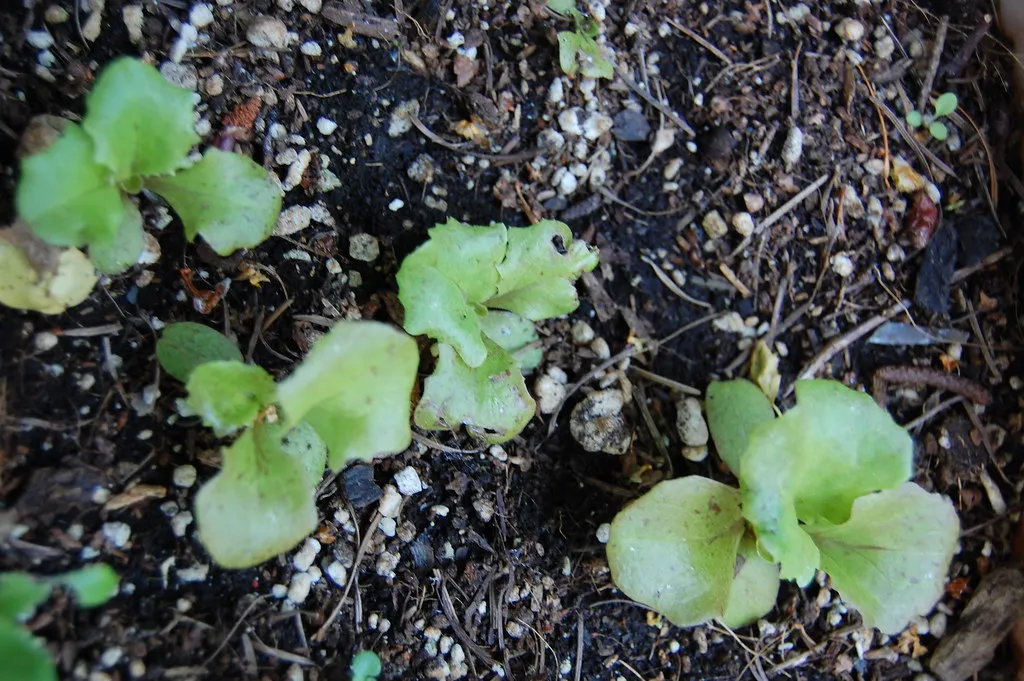
Harvesting lettuce in the mornings while the leaves are still hydrated is the best approach, and sprinkling more seeds about every two to three weeks after harvesting provides an endless ongoing supply. This succession approach turns one tote into a continuous production system rather than a single-use harvest.
Short-season varieties mature in 45 to 60 days rather than the traditional 80 to 100 days, giving multiple harvests per season. This shift makes container adaptability crucial for urban spaces where time and square footage are both limited. In a tote, that kind of fast turnover means you can potentially complete three full cycles of growth through autumn and winter combined.
The cut-and-come-again method simply means snipping leaves from the outside of the plant rather than pulling it up whole. The plant keeps growing from the center, and a single plant can provide leaves across several weeks before it needs replacing.
The Food Cost Argument Is Real
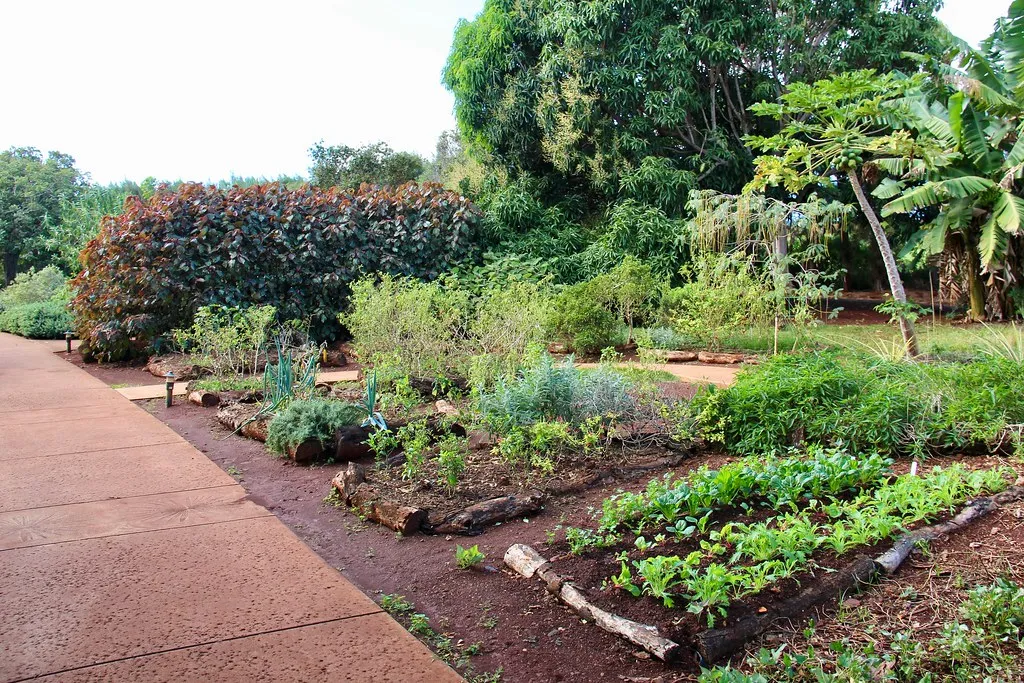
In a 2025 survey, 71% of Americans reported planning to grow a food garden, with urban gardeners embracing raised beds and container gardens at 72%. The motivation behind this numbers shift is largely financial. Among 2025 gardeners, two in three were motivated by access to higher-quality produce, and 54% were explicitly trying to lower their grocery bills.
Estimated grocery savings per food-growing household in 2024 reached approximately $875 per year, according to a Frontdoor.com survey. Even if a fraction of that comes from home-grown salad greens, the storage tote pays for itself quickly. A tote costs a few dollars. A head of lettuce at a grocery store costs several times more.
Lettuce has a high yield. For every seed packet costing about five dollars, you can grow the equivalent of around 20 containers of store-bought lettuce. That math holds up even at small scale on a balcony, and it improves with every succession planting you do.
The Urban Gardening Trend Driving This Movement
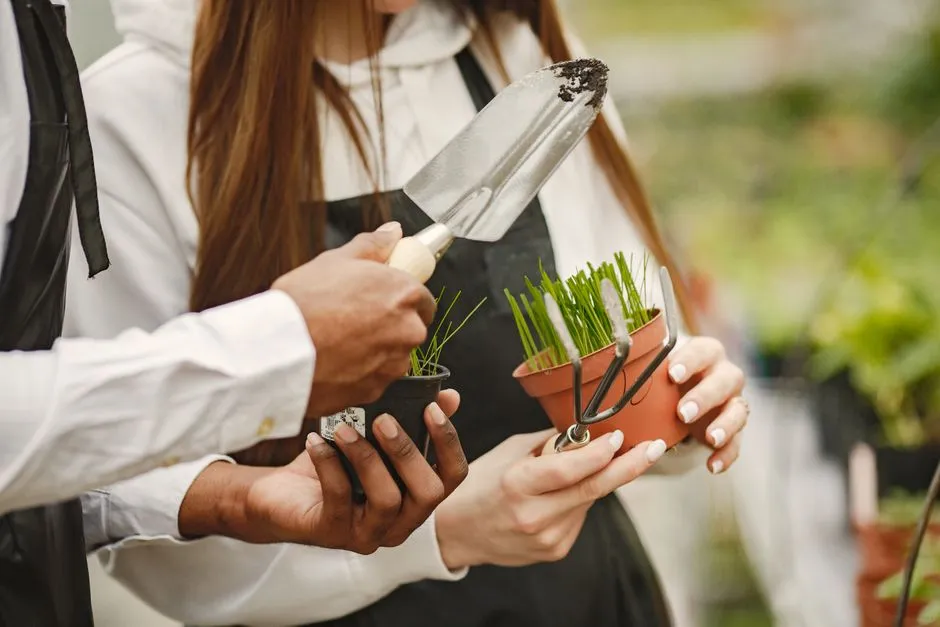
The urban gardening products market was estimated at 22.5 billion dollars in 2025 and is expected to grow at a compound annual growth rate of 8.9% between 2026 and 2035, driven by rising urbanization and increasing demand for compact gardening products. Storage totes, however, don’t show up in any market report. They’re the off-label solution that costs nothing extra.
One of the most important findings in home growing data is that gardening is not limited to homeowners with large outdoor spaces. There were 46.4 million renter-occupied housing units in the U.S. in the first quarter of 2026. Tens of millions of households are navigating home growing without access to a yard, a garden bed, or significant outdoor space.
In cities worldwide, people are turning courtyards, balconies, rooftops, and small backyards into productive green spaces. Its growth reflects a desire to reconnect with nature, enjoy fresher food, and create more climate-resilient communities. The storage tote setup fits cleanly into this shift without requiring a large budget or any special expertise.
Common Mistakes to Avoid
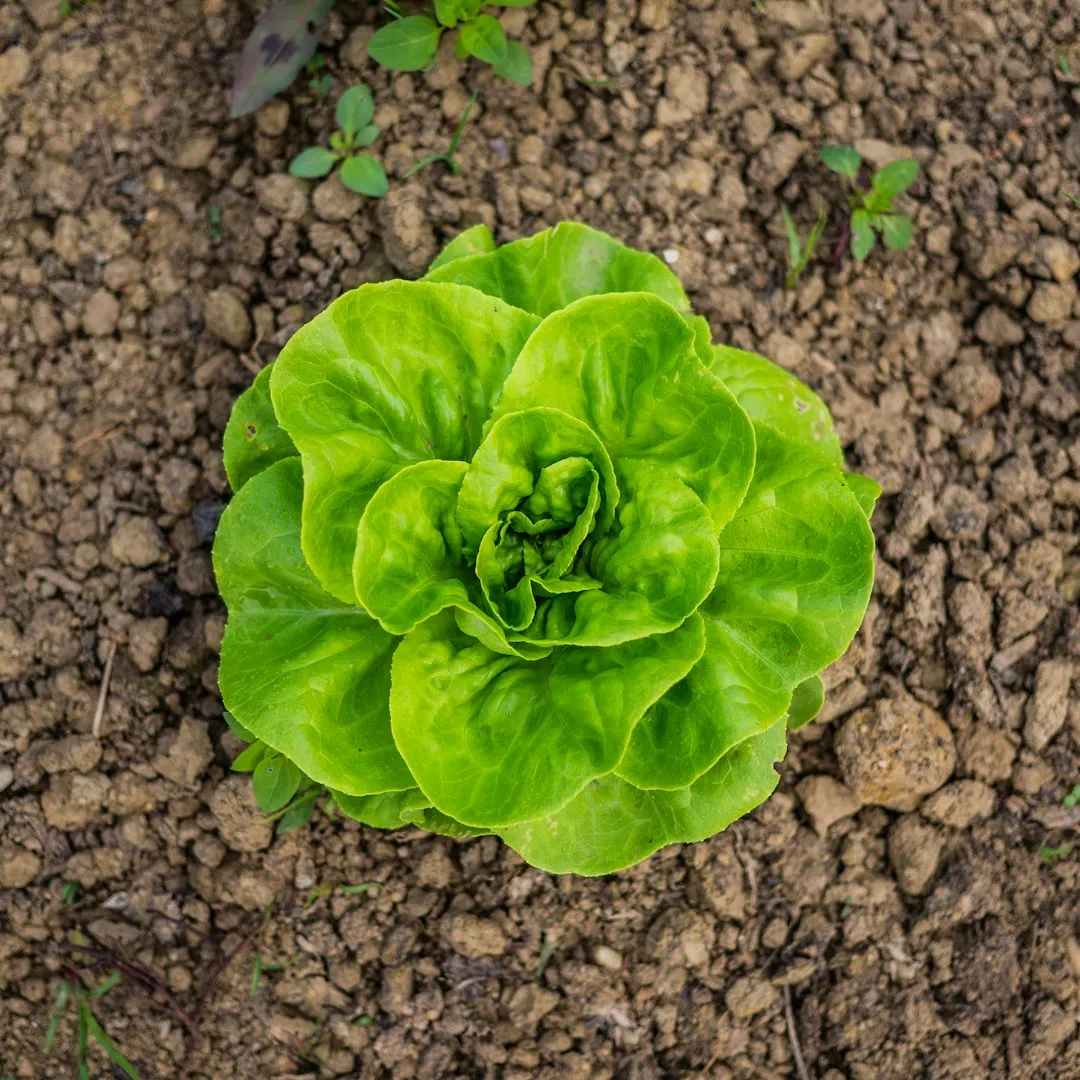
Even experienced gardeners make mistakes when starting with containers, as growing conditions differ significantly from traditional garden beds. The two most common errors, overcrowding and overwatering, account for the majority of failed lettuce crops in containers. In a large storage tote, there’s a temptation to plant heavily, but crowded plants compete for nutrients and airflow, and that leads to disappointment.
Watering lettuce regularly helps plants grow better, slows bolting, and keeps plants productive longer. Consistent moisture is one of the keys to growing tender, sweet lettuce in containers. The challenge in winter is keeping moisture consistent without letting the roots sit in cold, soggy soil, which storage totes with properly drilled drainage holes handle much better than sealed containers.
Because container plants quickly exhaust nutrients, feeding them regularly with compost tea, liquid seaweed, or slow-release organic fertilizer keeps growth strong. A tote full of lettuce will strip available nutrients faster than a garden bed would. Light feeding every two weeks through the growing window makes a visible difference in leaf quality.
The Takeaway
The storage tote is not a workaround or a compromise. For balcony lettuce in winter, it’s actually close to ideal. It’s wide and shallow, retains warmth, handles drainage well once drilled, and costs almost nothing compared to dedicated planters.
The people doing this aren’t enthusiast gardeners with elaborate setups. Many of them are renters in cities trying to eat better and spend less. The approach is genuinely low-barrier, and the results are consistent enough that the practice keeps spreading through word of mouth and online communities.
If you have a balcony, a spare tote, and a bag of loose-leaf seeds, the gap between wanting fresh winter greens and actually having them is smaller than most people expect. Sometimes the most practical solution is also the most unglamorous one.
AI Disclaimer: This article was created with the assistance of AI tools and reviewed by a human editor.