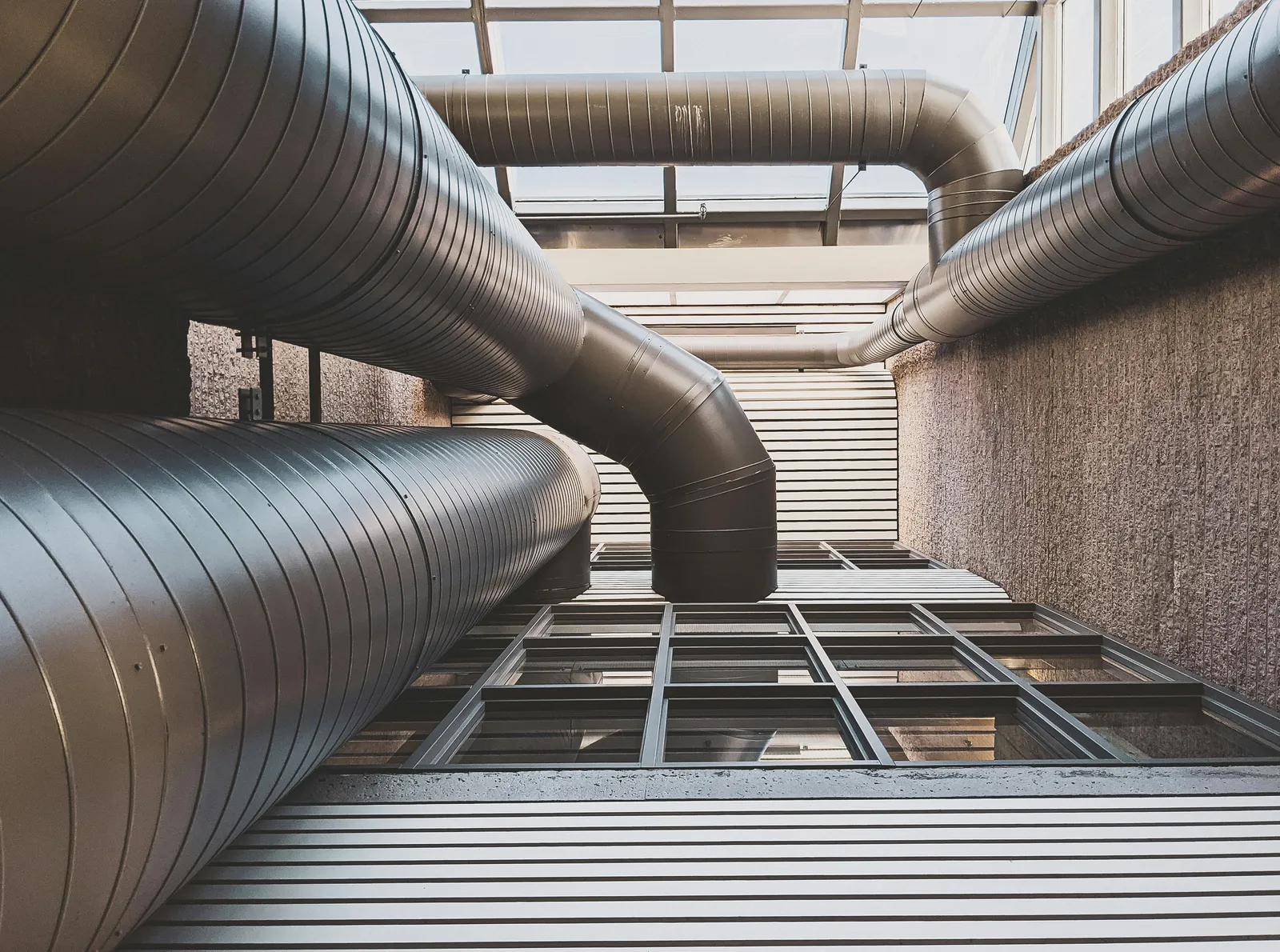

Why Scheduling Regular HVAC Tune-Ups Prevents Costly Breakdowns – Image for illustrative purposes only (Image credits: Unsplash)
Homeowners often notice subtle changes long before an HVAC system stops working. A room that never quite reaches the set temperature, air that feels heavier than usual, or higher utility bills can all point to gradual wear that builds over months. These issues rarely appear overnight. They develop from components that drift out of alignment or collect debris without regular attention.
Early Signs Point to Deeper Problems
Systems rarely fail without prior indicators. Restricted airflow, dirty coils, or minor calibration shifts reduce performance steadily. What begins as occasional discomfort can escalate when peak summer demand arrives and the equipment must run continuously. Addressing these conditions during calmer periods prevents the kind of cascade where one small fault overloads another part.
Technicians describe this progression as a chain reaction. A weakening electrical connection can increase motor strain, which then affects refrigerant flow and overall efficiency. Catching the initial issue keeps repairs contained and avoids the larger expense of replacing major components under emergency conditions.
Twice-Yearly Visits Offer Clear Advantages
Most homes benefit from service before cooling season starts and again before heating demands rise. Spring appointments allow technicians to prepare the system while outdoor temperatures remain moderate and parts remain readily available. Fall visits focus on heating components before cold weather stresses them.
These off-peak windows also improve scheduling flexibility. Homeowners gain time to plan any needed work without competing against widespread emergency calls during heat waves. In areas with pronounced seasonal swings, this rhythm proves especially valuable for maintaining consistent indoor conditions.
Comprehensive Checks Go Beyond Basic Filters
A thorough tune-up examines electrical connections for corrosion or looseness, verifies thermostat accuracy, and measures temperature differences across the system. Technicians also clear drain lines, inspect coils for buildup that impairs heat transfer, and review blower components for balance issues.
Each step targets a specific vulnerability. Together they produce a reliable snapshot of system health and identify adjustments that restore efficiency before summer loads intensify. Refrigerant levels receive particular attention because even small losses reduce capacity and raise compressor stress.
“Finding the first weak link in an HVAC system often prevents a cascade. The cost of catching a failing capacitor early is a fraction of what you pay when it takes the motor with it.”
Maintenance Supports Efficiency and Safety
Dirty coils or restricted airflow force longer run times, which increases energy use and accelerates wear. Restoring proper heat exchange and airflow often shortens cycles noticeably during high-demand periods. Safety inspections on heating equipment further verify ignition sequences and venting integrity to reduce risks associated with combustion systems.
Documented service also preserves warranty coverage. Manufacturers typically require proof of routine maintenance, and a consistent record helps future diagnostics by revealing patterns that a single visit cannot show. Homeowners who pair professional visits with simple habits, such as regular filter changes and keeping outdoor units clear, extend these benefits between appointments.
Consistent attention to HVAC systems protects both comfort and household budgets. A structured twice-yearly approach reduces the likelihood of urgent summer repairs while supporting steadier performance when temperatures climb. The investment in prevention consistently outweighs the expense of addressing failures after they occur.