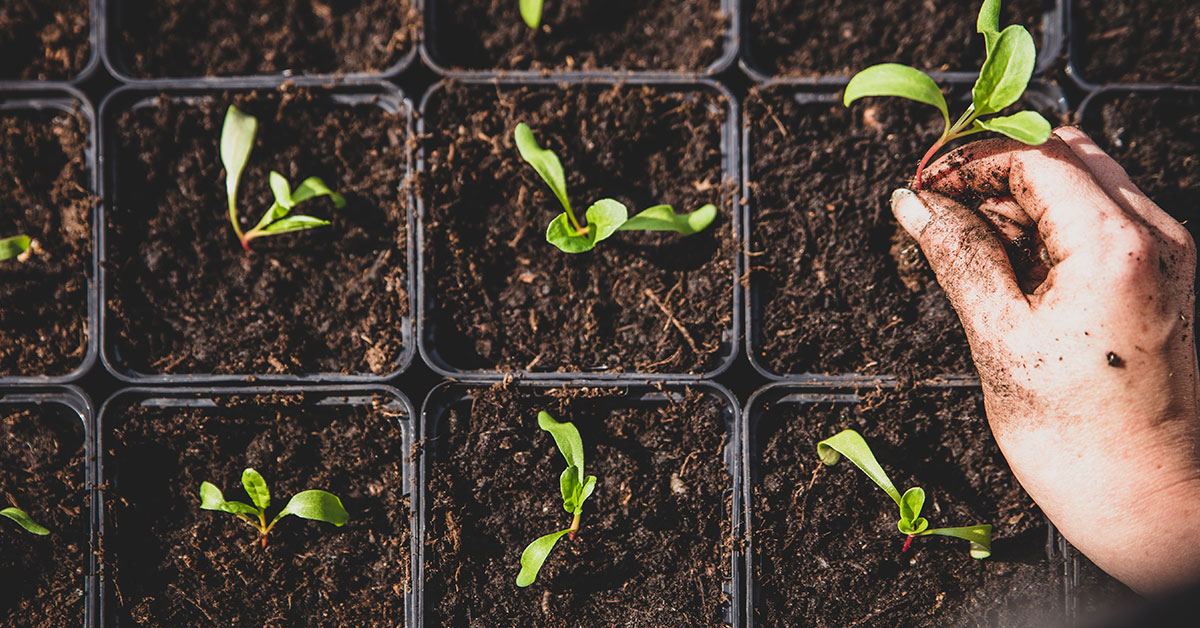

If you are a fan of leafy greens and are looking to add a new variety to your garden, look no further than Silverado Chard. This vibrant and versatile plant is a favorite among gardeners for its attractive appearance and delicious taste. Silverado Chard, also known as Swiss Chard or simply chard, is a leafy green vegetable that belongs to the beet family.
With its glossy green leaves and colorful stems ranging from white to yellow, pink, or deep red, Silverado Chard not only adds visual appeal to your garden but also provides a nutritious addition to your meals. In this article, we will explore the various characteristics of Silverado Chard, including its growth habits, care requirements, and culinary uses, to help you successfully cultivate this delightful vegetable in your own garden.
What is a Silverado Chard?
Silverado Chard is a variety of chard, also known as Swiss chard or silver beet. It is a leafy green vegetable that belongs to the same family as beets and spinach. The distinguishing feature of Silverado Chard is its vibrant and glossy silver-green leaves, which are large and broad with crisp stalks.
The leaves of Silverado Chard have a slightly thick and tender texture, making them perfect for cooking or using in salads. The flavor of this chard variety is mild and earthy, with a hint of sweetness. The stalks, which can come in different colors such as white, yellow, or red, are crunchy and have a taste similar to celery.
Silverado Chard is a popular choice among gardeners and culinary enthusiasts due to its versatility in the kitchen. It can be used in a variety of dishes, such as sautés, stir-fries, soups, stews, and even as a substitute for spinach in recipes like quiches or lasagnas. The leaves can be cooked down or enjoyed raw in salads, while the stalks can be used as a flavorful addition to stir-fries or as a garnish.
In terms of cultivation, Silverado Chard is a relatively easy plant to grow. It thrives in well-drained soil and requires full sun or partial shade. It is a cool-season crop that can tolerate mild frosts, making it suitable for both spring and fall planting.
Regular watering and fertilization will help promote healthy growth and yield. Overall, Silverado Chard is a delightful vegetable to include in your garden. With its attractive silver-green leaves, versatile culinary uses, and ease of cultivation, it can be a wonderful addition to your homegrown produce.
What does Silverado Chard taste like?
The Silverado Chard is a delightful wine made from Chardonnay grapes. As a gardener, I can’t physically taste the wine, but I can tell you about the characteristics often associated with this varietal.
Silverado Chardonnay typically has a medium to full-bodied nature with a smooth and creamy texture. It offers a balance between richness and freshness, making it a versatile and enjoyable wine for many palates.
On the palate, you may experience flavors of ripe tropical fruits such as pineapple and mango, along with notes of apple, pear, and citrus. The wine often exhibits a pleasant hint of vanilla and toasty oak, derived from the aging process in oak barrels.
The acidity of Silverado Chardonnay is usually well-integrated, providing a refreshing and vibrant sensation. Overall, it is known for its smoothness, complexity, and a lingering finish that leaves a pleasant impression.
It is worth noting that taste preferences can vary greatly among individuals, so it’s always a good idea to try a small sample or consult with a sommelier to determine if Silverado Chardonnay aligns with your personal taste preferences.
How to start from seed
To start a Silverado Chard, you can follow these steps:
- Choose the Right Time: Chard is a cool-season crop, so it’s best to start it in early spring or late summer/early fall when temperatures are more moderate.
- Select Quality Seeds: Purchase high-quality Silverado Chard seeds from a reputable supplier. Look for seeds that are fresh, disease-free, and specifically labeled as Silverado Chard.
- Prepare the Soil: Chard prefers well-draining soil that is rich in organic matter. Prepare the soil by removing any weeds and debris. Loosen the soil using a garden fork or tiller, and incorporate compost or well-rotted manure to improve its fertility.
- Sow the Seeds: Create shallow furrows in the prepared soil, around ½ inch deep. Space the furrows about 12-18 inches apart. Place the Silverado Chard seeds in the furrows, leaving about 1-2 inches of space between each seed. Cover the seeds lightly with soil, and gently pat it down.
- Watering: After sowing the seeds, water the area thoroughly to ensure good seed-to-soil contact. Keep the soil consistently moist, but avoid overwatering, as Chard prefers moderate moisture levels. Water deeply and less frequently rather than shallow, frequent watering.
- Provide Adequate Sunlight: Chard thrives in full sun to partial shade. Ensure that the chosen spot receives at least 4-6 hours of direct sunlight daily. If you’re planting during the hot summer months, some afternoon shade can help protect the young plants from scorching.
- Thin the Seedlings: Once the seedlings have emerged and developed their first set of true leaves, thin them out to provide enough space for the remaining plants to grow. Space the seedlings about 6-10 inches apart, depending on your desired mature plant size.
- Fertilize: Apply a balanced, organic fertilizer or compost around the base of the plants every 4-6 weeks to provide them with essential nutrients. Follow the instructions on the fertilizer packaging for proper application rates.
- Mulching: Apply a layer of organic mulch around the plants to suppress weed growth, conserve moisture, and regulate soil temperature. This is particularly beneficial during hot summer months or in colder regions.
- Pest and Disease Management: Monitor your Silverado Chard plants regularly for any signs of pests or diseases. Common pests that affect chard include aphids, leaf miners, and slugs. Use organic pest control methods such as handpicking, applying neem oil, or using companion plants to deter pests. Ensure good air circulation around the plants to prevent diseases like mildew or fungal infections.
- Harvesting: Silverado Chard leaves can be harvested when they reach a usable size, usually around 6-8 inches in length. Carefully cut the outer leaves from the base of the plant, leaving the inner leaves to continue growing. Regular harvesting promotes continuous leaf production.
By following these steps, you should be able to successfully start and grow Silverado Chard in your garden. Enjoy the bountiful harvest of nutritious and delicious chard leaves!
Planting and growing Silverado Chard
Planting and growing Silverado Chard involves a series of steps. Here’s a guide to help you:
- Choose the right location: Select a spot in your garden that receives at least 6-8 hours of direct sunlight daily. Ensure the soil is well-draining and fertile.
- Prepare the soil: Clear the area of any weeds or debris. Loosen the soil using a garden fork or tiller, breaking up any clumps. Incorporate organic matter like compost or well-rotted manure to improve soil fertility and drainage.
- Sow the seeds: Silverado Chard can be directly sown in the garden or started indoors a few weeks before the last frost date. If starting indoors, plant the seeds in seed trays or pots filled with seed starting mix. Sow the seeds ½ inch deep and keep them moist until germination.
- Transplanting: If you started the seeds indoors, wait until the seedlings have grown a few inches tall and have developed a couple of true leaves. Harden off the seedlings by gradually exposing them to outdoor conditions over the course of a week. Then, transplant them into the prepared garden bed, spacing them around 8-12 inches apart.
- Watering: Keep the soil evenly moist throughout the growing season. Chard requires regular watering, especially during dry periods. Water at the base of the plants to avoid wetting the foliage, which can encourage disease.
- Fertilizing: Silverado Chard benefits from regular feeding. Apply a balanced organic fertilizer or a slow-release granular fertilizer according to the package instructions. Alternatively, you can use a liquid fertilizer every few weeks during the growing season.
- Weed control: Keep the area around your chard plants free from weeds, as they can compete for nutrients and water. Regularly hand-pull or mulch to prevent weed growth.
- Harvesting: Silverado Chard leaves can be harvested when they reach your desired size. You can either remove individual outer leaves or cut the entire plant about 2 inches above the soil level. The plant will continue to produce new leaves for multiple harvests.
- Pest and disease management: Chard is generally resistant to pests and diseases, but occasional issues like aphids, slugs, or leaf miners may arise. Monitor your plants regularly and take appropriate measures such as handpicking pests or using organic insecticides if necessary.
By following these steps, you should be able to successfully plant and grow Silverado Chard in your garden. Happy gardening!
When to harvest
The best time to harvest Silverado Chard is when the leaves are mature and reach their full size. This is typically around 60-70 days after planting, but can vary depending on growing conditions and climate. To determine if the chard is ready for harvest, look for leaves that are dark green and glossy, with a firm texture. Avoid harvesting leaves when they are small or have a yellow color, as they may not have developed their full flavor. Regularly harvest outer leaves from the plant, leaving the inner leaves to continue growing and producing.