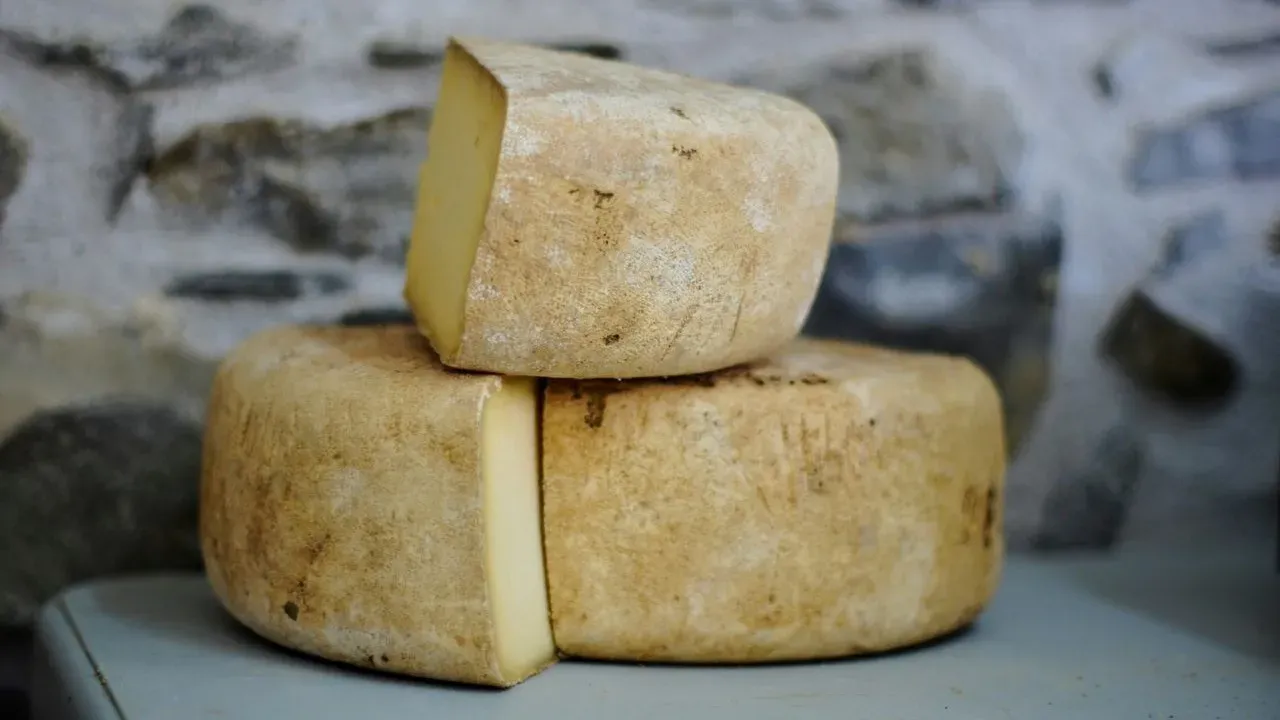

In the coastal hills of Sicily, the Cangemi family continues a centuries-old cycle of moving their Valle del Belice sheep between pastures and turning their milk into three distinctive cheeses. This practice blends livestock with grain and olive cultivation, using animal manure to maintain soil fertility across generations. The cheeses that emerge capture the island’s seasonal rhythms and local plants in ways that mass production rarely achieves.
Heritage Sheep and the Rhythm of the Land
The Valle del Belice breed has grazed these hills since at least the 1700s. Their coarse wool and sturdy legs suit long walks over rough terrain, and their milk reflects the mix of herbs, legumes, and grasses that flourish after winter rains. Shepherds still practice a small-scale version of transhumance, shifting flocks to lower ground in spring so higher pastures can recover and provide dry feed later. Milking runs from December into midsummer, the opposite of northern schedules, because the Mediterranean climate dictates when fresh forage is available. The result is milk shaped by a living landscape rather than standardized feed.
Pecorino Siciliano: A Wheel Built for Aging
Pecorino Siciliano begins with raw sheep milk coagulated by lamb rennet and no added starter culture. The curd is cut vigorously with a wooden tool called a rotula, then warmed and drained before being placed in traditional reed baskets that give the wheels their final rustic shape. After brining and salting, the large wheels age on wooden shelves. Many are sold after a month to specialists who finish the maturation. The cheese develops notes of tropical fruit, caramel, and a subtle animal character that comes from the rennet’s natural enzymes. It is the durable centerpiece of the lineup, often grated over pasta or enjoyed in thin slices.
Vastedda del Belice: Turning Curd into String
Some of the same curd is set aside for Vastedda, a rare sheep’s milk pasta filata cheese. After slow fermentation, the curd reaches the right acidity and is immersed in hot whey, where it stretches into long, elastic strands. Small portions are then shaped in simple soup bowls and brined briefly. The timing is delicate: too much fermentation and the curd loses its stretch; too little and the texture stays rubbery. When successful, the finished disks offer a mild sheep flavor wrapped in a supple, snackable form that melts readily. Pure sheep’s milk versions remain uncommon because the milk does not stretch as readily as cow’s milk, yet the Cangemi method consistently produces what makers call “infinite stretch.”
Ricotta: The Daily Fresh Cheese
The whey left after pecorino production is enriched with a little reserved milk and heated to form ricotta. The curds are ladled into small perforated baskets that allow excess liquid to drain while preserving a delicate, almost soufflé-like texture. Sicilians buy it still warm from the vat, appreciating its custardy flavor and milky sweetness. Far from a mere byproduct, ricotta drives daily cash flow for the creamery and supplies a versatile ingredient for both savory dishes and traditional sweets such as cannoli.
Its quality depends on the rich whey created by the vigorous curd cutting used for the pecorino. The three cheeses together make efficient use of each day’s milk, matching different textures and shelf lives to the realities of small-scale production. This integrated approach continues to sustain both the land and the families who work it, offering a tangible link between ancient agricultural cycles and contemporary tables.
AI Disclaimer: This article was created with the assistance of AI tools and reviewed by a human editor.