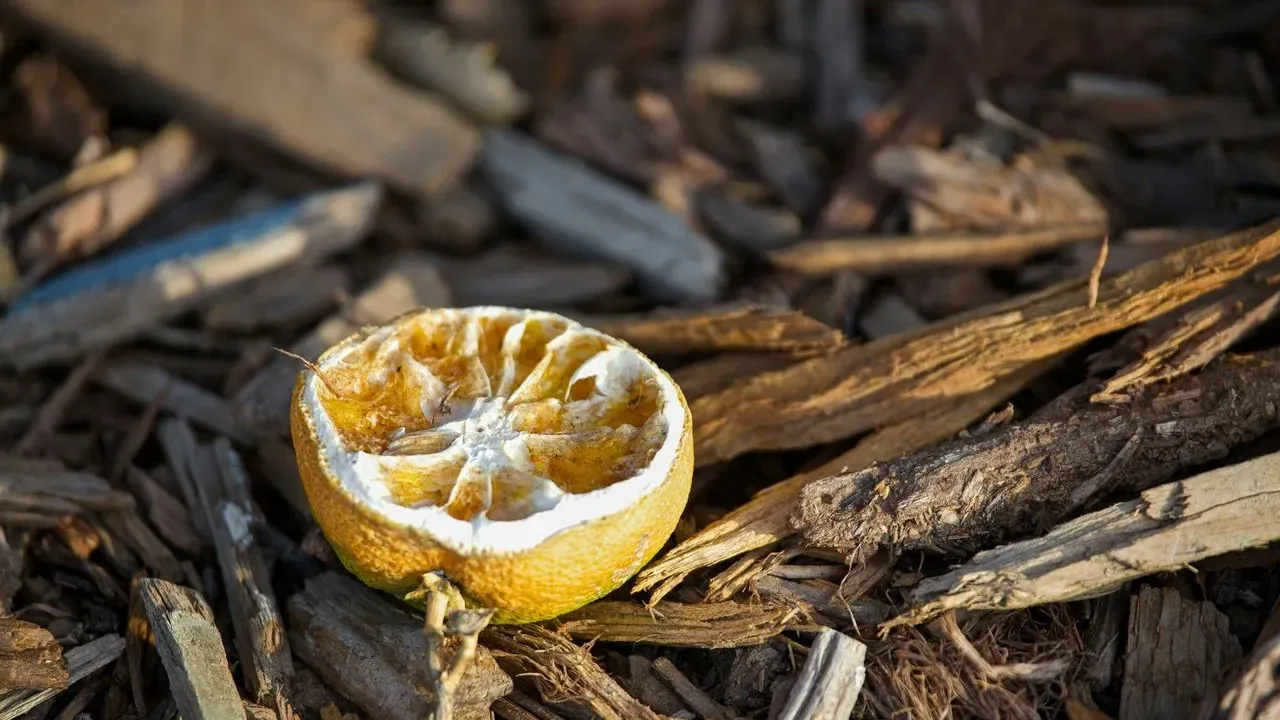

As the days shorten and many home gardeners focus on turning kitchen scraps into next season’s soil, a familiar debate resurfaces around the compost bin. Orange peels and other citrus waste often sit on the counter while people wonder whether they belong in the pile or risk upsetting the balance. The answer, supported by practical experience and basic composting science, is that these peels can be a useful addition when handled with care. ([1])
Why Citrus Peels Fit Into Everyday Composting
Orange peels count as green, nitrogen-rich material, much like grass clippings or coffee grounds. When they break down they release nitrogen along with phosphorus, potassium, calcium, magnesium, and sulfur. These nutrients become available to plants once the compost matures, turning what might have been waste into a steady supply of natural fertilizer.
The peels also contain limonene, an oil that gives citrus its scent. In moderate amounts this compound can help discourage certain garden pests from lingering near the finished compost. Gardeners who add peels regularly notice the benefit without any special effort beyond normal pile management.
Sorting Fact From Long-Standing Concerns
Some gardeners still hesitate because of older advice that warned against citrus in compost. The main worries centered on acidity, possible harm to earthworms, slow breakdown, and residues from commercial growing practices. Each of these points has a practical counter when peels are used thoughtfully.
Acidity is the most common concern, yet a few peels mixed with plenty of brown material such as dried leaves or shredded paper keep the overall pile near neutral. The same principle applies to tomatoes and other mildly acidic kitchen scraps that most people already add without issue. Worms tolerate small amounts of chopped peel; they simply move away from overly acidic spots if the balance slips. Commercial residues wash off easily with a quick rinse, and the microorganisms already present in a healthy pile handle the rest.
Practical Steps for Adding Peels Successfully
Success starts with preparation. Collect peels in a countertop bin along with other kitchen scraps, then chop or tear them into smaller pieces before they reach the main pile. Smaller fragments give microbes more surface area and shorten the time needed for breakdown.
Next, maintain the classic ratio of roughly one part green material to three parts brown material, adding enough water to keep the pile moist but not soggy. Turn the compost every week or two with a pitchfork or use a tumbler to keep air flowing. These steps prevent odors and speed decomposition across the entire mix, not just the citrus pieces.
Most orange peels take around six months to fully break down under typical backyard conditions. The exact time varies with temperature, moisture, and how finely the peels were cut. Patience pays off; the resulting compost is dark, crumbly, and rich in the minerals plants need.
Using Peels in Worm Bins and Around the Garden
Vermicomposting requires a bit more caution. Worms prefer a neutral environment, so beginners often skip citrus at first. Those who want to try can add a few small pieces and monitor moisture and pH. Many experienced worm keepers report that modest amounts are eaten without harming the colony, provided brown material keeps the bedding balanced.
Beyond the compost bin, dried and chopped peels can be scattered directly around acid-loving plants or used as a mild pest deterrent. The same limonene that helps in the pile also discourages aphids and slugs when spread near vulnerable crops. A handful of peels placed near tool storage areas can even help clean metal surfaces thanks to their natural antibacterial properties.
Keeping the Process Simple and Effective
The key rule remains moderation. A steady stream of orange peels from normal household use fits easily into most compost systems. Overloading the pile with any single ingredient, citrus included, can slow things down or shift the chemistry. When in doubt, err on the side of more brown material and regular turning.
Gardeners who follow these straightforward habits find that citrus scraps become just another reliable ingredient rather than a special case. The result is less kitchen waste heading to the landfill and more nutrient-dense compost ready for beds and containers each spring.
AI Disclaimer: This article was created with the assistance of AI tools and reviewed by a human editor.