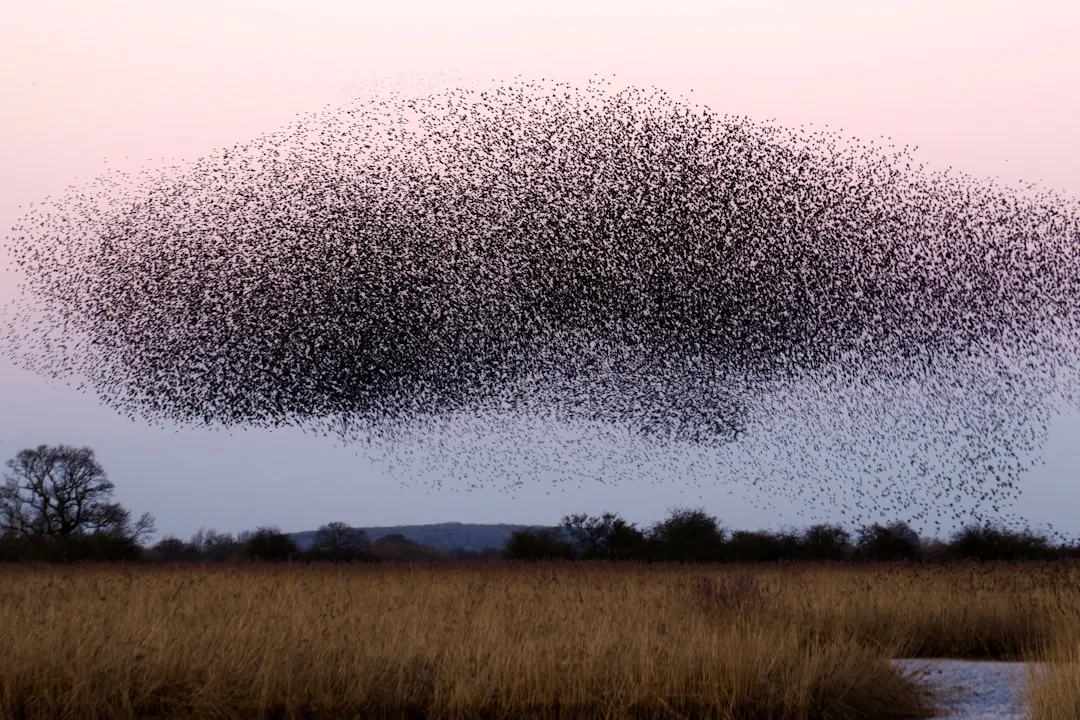

Something subtle has been happening in the skies above North America for decades. The V-formations of geese, the first flutter of warblers through the backyard, the return of the robin to the front lawn – all of it is arriving a little earlier than it used to. For casual observers, the change can feel like a welcome sign of spring. For scientists, it signals something far more complicated.
The timing of bird migration is one of nature’s most finely tuned systems. Small disruptions to that timing ripple through entire food webs, affecting not just birds but the insects, plants, and habitats they depend on. What’s unfolding across North America right now is a large-scale, measurable shift – and the science behind it is becoming clearer with each passing year.
The Numbers Don’t Lie: Ranges Are Moving North
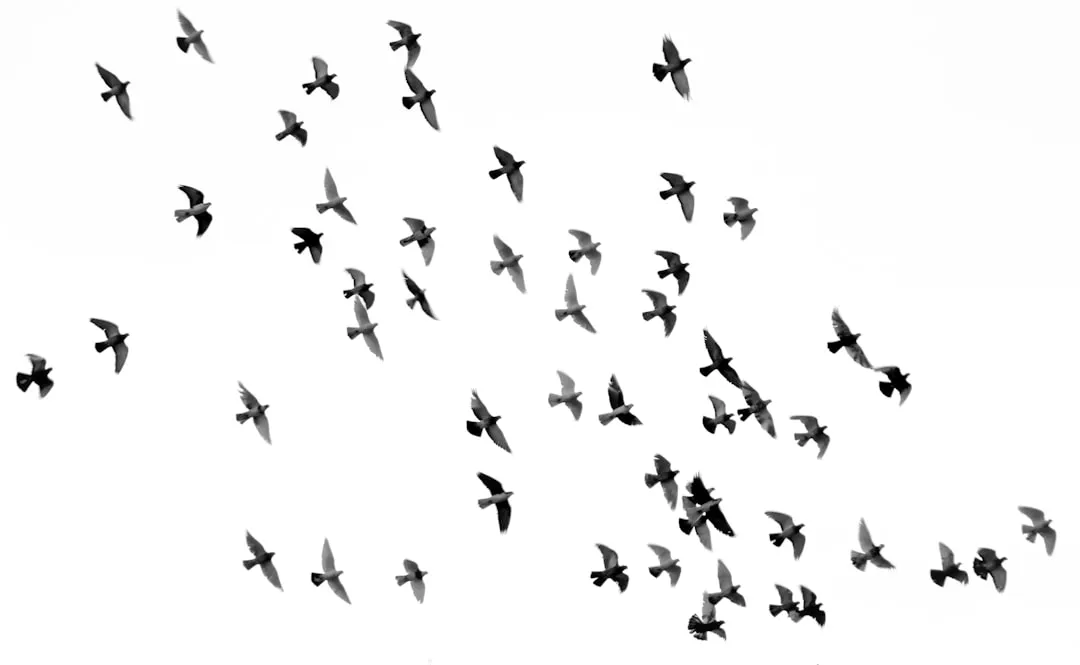
A 2024 study found that the most densely populated parts of birds’ ranges have already shifted an average of 51 miles north since 1966, across 209 North American species. That’s not a small adjustment. Over roughly half a century, the geographic core of where birds live has drifted northward by a significant distance.
The most rapid shifts have occurred among species in the western United States. As their historical breeding grounds rapidly warm, birds are making these changes to find temperatures suitable for their prey and their habitat. The West, in particular, has seen faster warming in recent decades, which may explain why those species are relocating at a quicker pace.
Spring Migration Is Arriving Earlier Each Decade
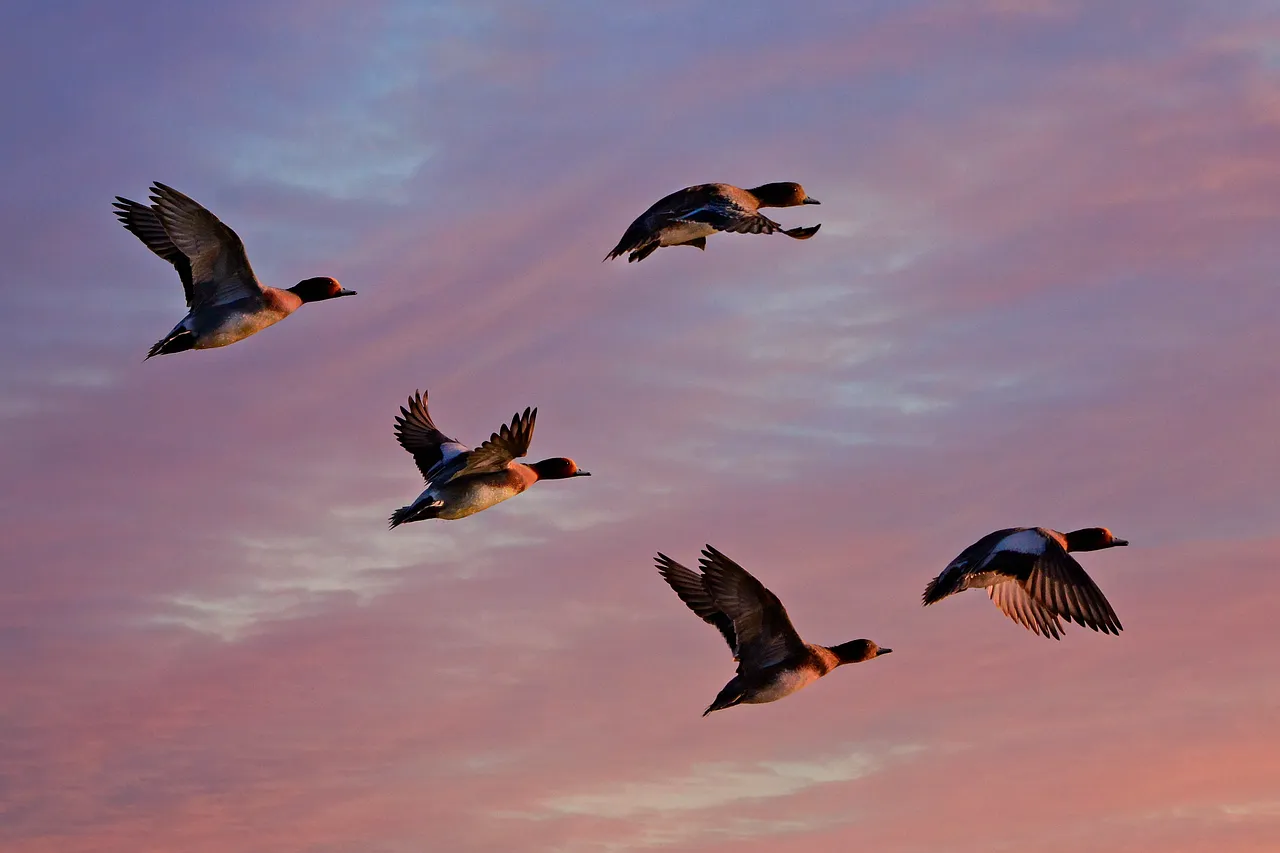
A study published in Nature Climate Change suggests that rising temperatures are causing birds to migrate a little earlier each spring, with the journey north shifting forward by a little less than two days each decade. Spread across hundreds of species and an entire continent, that consistent shift is scientifically significant.
What’s striking about the results is that they apply to hundreds of migrating species all over the country – climate change is causing a noticeable, if gradual, shift in one of nature’s grandest natural phenomena. The change isn’t dramatic in any single year, but compounded over decades, it reshapes the entire seasonal calendar for wildlife.
Not All Birds Are Keeping Up
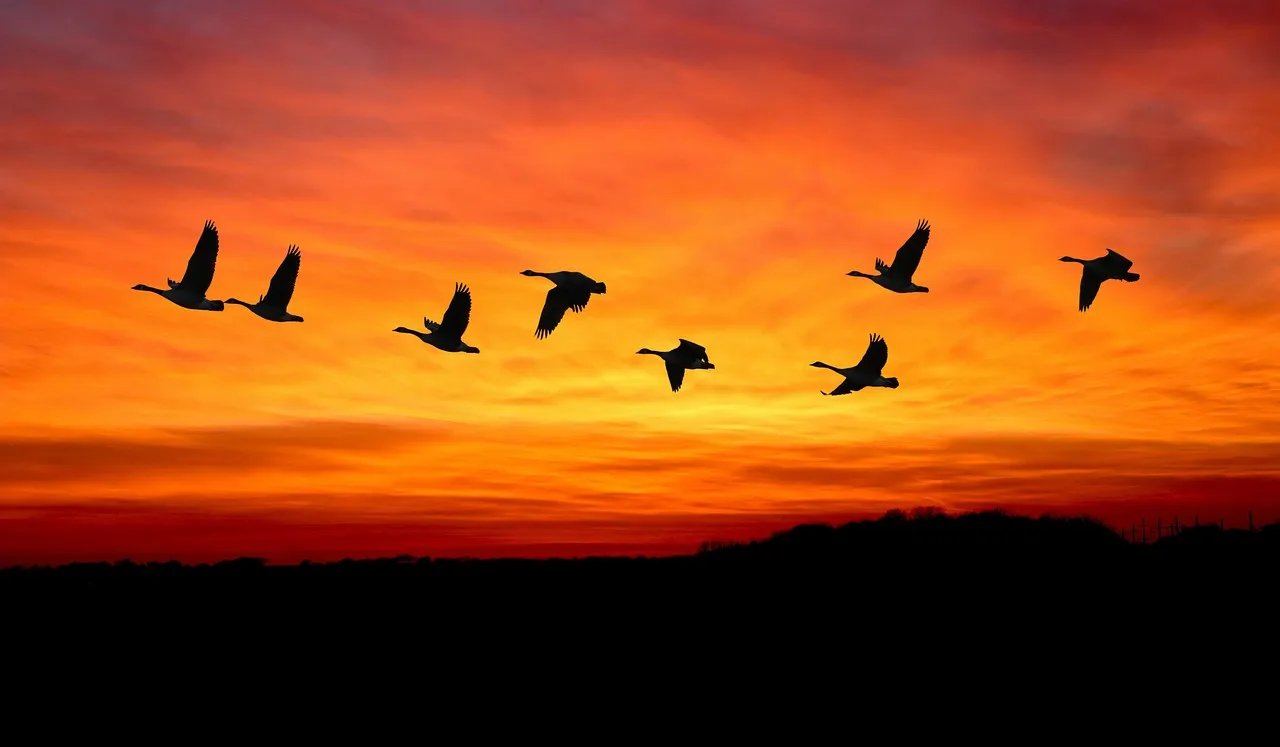
A 2024 study found that, out of 150 birds that breed in North America, most still time their migration to align with past conditions rather than the current climate with warmer, earlier springs. In other words, while the environment has shifted, many birds haven’t fully caught up with it.
Researchers examined changing green-up phenology in relation to the migrations of 150 bird species over 20 years across the Western Hemisphere, and found that migrations of most species synchronize more closely with long-term averages of green-up timing than with current green-up conditions. This creates a lag that has real consequences for survival and reproduction.
The Phenological Mismatch Problem
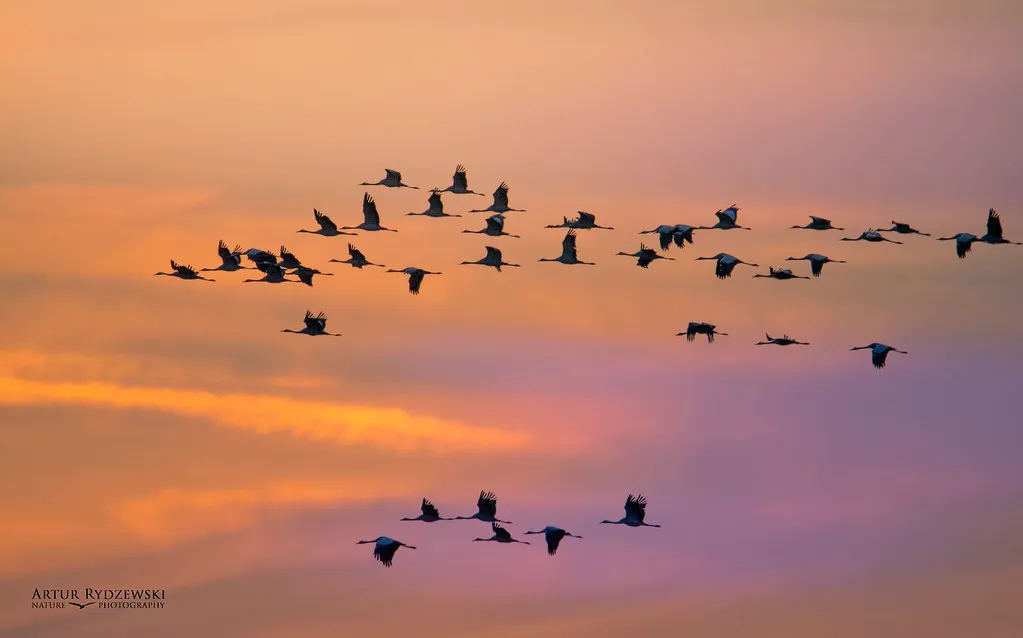
Birds arrive at their breeding grounds expecting a peak in insect availability, timed with the warmer temperatures of spring – timing that has evolved over millennia. However, climate change is altering these temperature cues. Spring might arrive earlier, causing insects to emerge before the birds have migrated, creating a phenological mismatch where birds arrive to find the food source they depend on has already peaked and declined.
One of the most significant drivers of change in bird migration patterns is global climate change. Rising temperatures alter the timing of seasonal events such as flowering and insect emergence, which in turn affects food availability for birds. The cascade effect runs through the entire ecosystem, not just the birds themselves.
Birds at Higher Latitudes Face Greater Risk
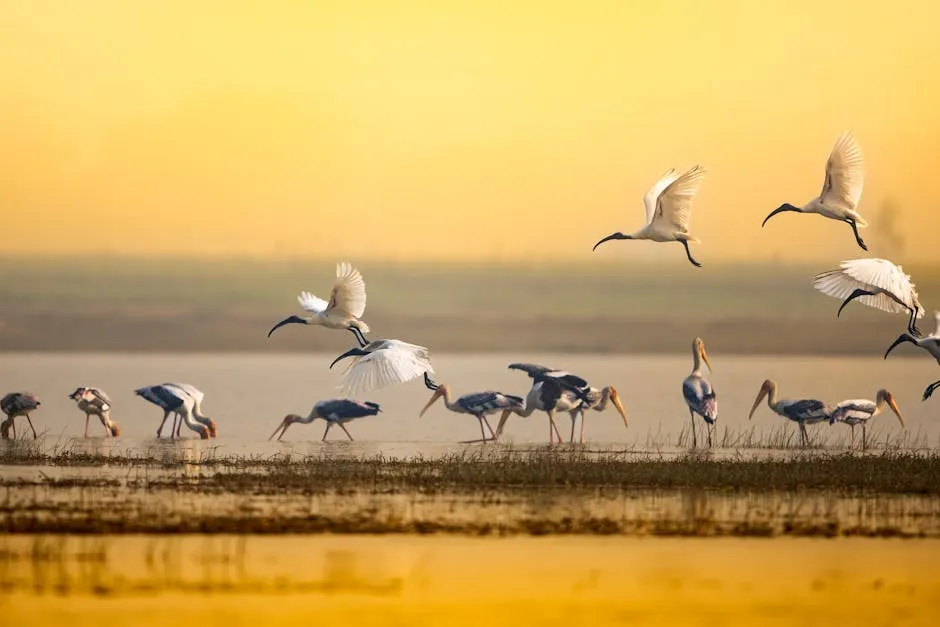
Research found that insect and plant phenology had similarly strong sensitivity to temperature accumulation, while bird phenology had lower sensitivity – and that the bird-insect phenological link has a greater potential for phenological mismatch than the insect-plant link, with a higher risk of decoupling at higher latitudes. This means species that breed furthest north may actually be the most vulnerable to timing failures.
In the eastern United States, it has been documented that although migratory birds are shifting their arrival dates earlier in more recent years, these shifts are not keeping pace with rapidly changing vegetation green-up, and the lag between the arrival of migratory birds and green-up is increasing over time. The timing of landbird breeding has also not kept up with shifts in the timing of vegetation green-up, with consequences for bird demographics.
Early Migrants Versus Late-Season Species
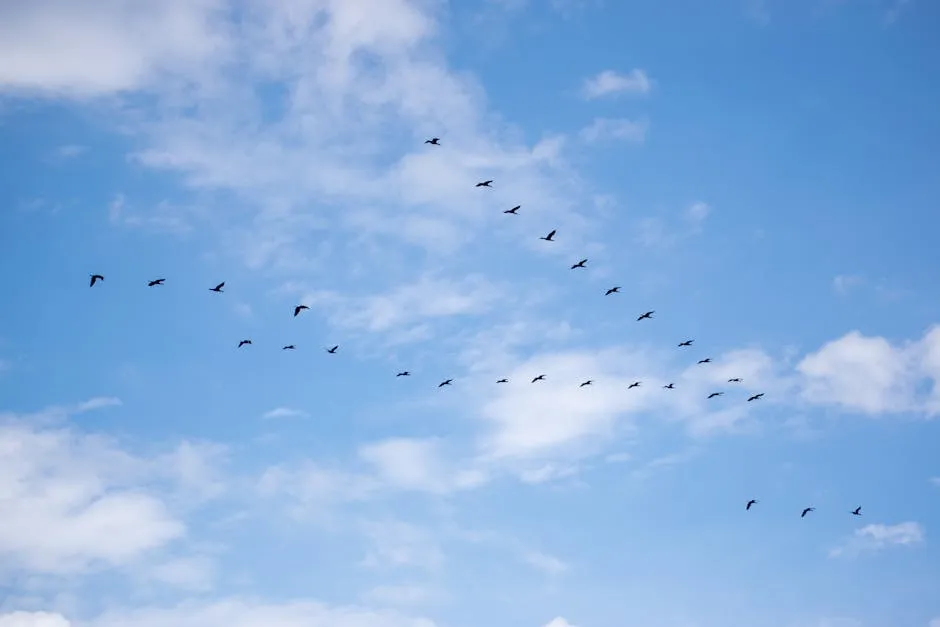
Migration tracker data from 2024 shows that early migrants like waterfowl are advancing their departure dates, while late-season migrants maintain more consistent timing. These temporal shifts create new challenges for habitat management. The division between early and late migrants matters because habitat managers and conservation programs have historically been designed around predictable, stable schedules.
For species that migrate more slowly and arrive earlier on breeding areas, or overwinter farther north, migratory timing may be more flexible and responsive to earlier spring onset resulting from climate change, because their migration strategy generally tracks local environmental conditions. Flexibility, it turns out, may be a key survival trait in the decades ahead.
Technology Is Revealing the Full Picture
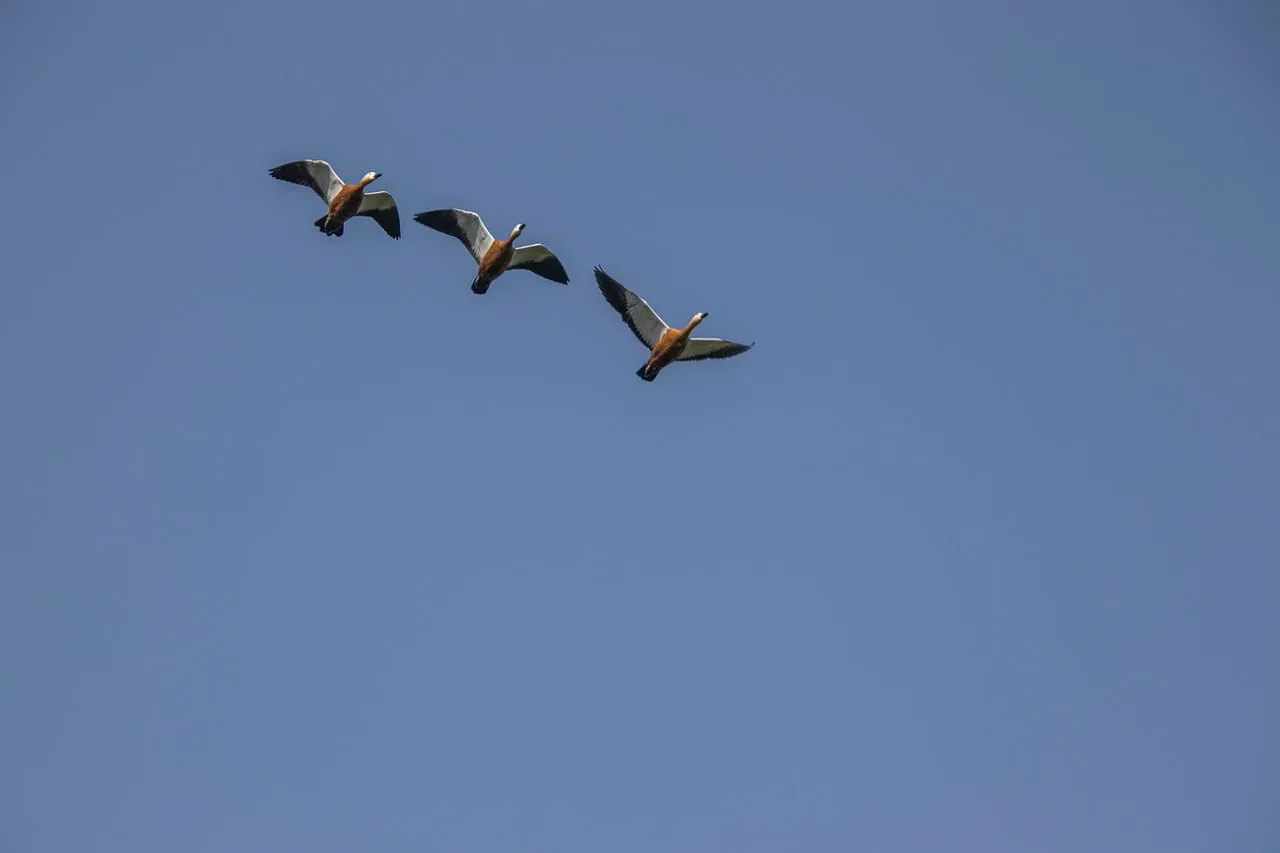
Over the past ten or more years, improvements in tracking technology and quantitative approaches to assessing resulting data have yielded advances in understanding many aspects of North American bird migration with relevance to conservation. Radar systems, geolocators, and vast citizen science platforms have transformed what scientists can actually measure.
The Cornell Lab of Ornithology team analyzed 36 million bird observations shared through the eBird program, along with multiple environmental variables derived from high-resolution satellite imagery for 495 bird species across North America from 2007 to 2021. The sheer scale of that dataset makes the findings hard to dismiss as noise. It represents one of the most comprehensive looks at bird population health ever conducted.
Population Declines Are Accelerating
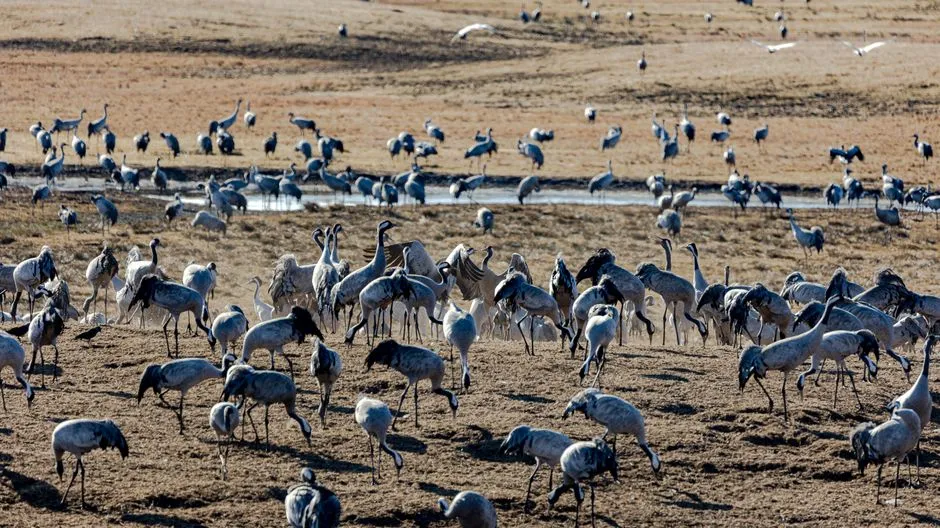
The 2025 U.S. State of the Birds report, produced by a coalition of leading science and conservation organizations, reveals continued widespread declines in American bird populations across all mainland and marine habitats, with 229 species requiring urgent conservation action. The report comes five years after the landmark 2019 study that documented the loss of 3 billion birds in North America over 50 years.
Key findings from the 2025 report show that more than one-third of U.S. bird species are of high or moderate conservation concern, including 112 Tipping Point species that have lost more than 50% of their populations in the last 50 years. According to the 2025 Science study, roughly two-thirds of the 495 analyzed species are declining in more than half of their range. Those are staggering proportions for species that were once considered abundant.
Common Birds Are Not Safe Either
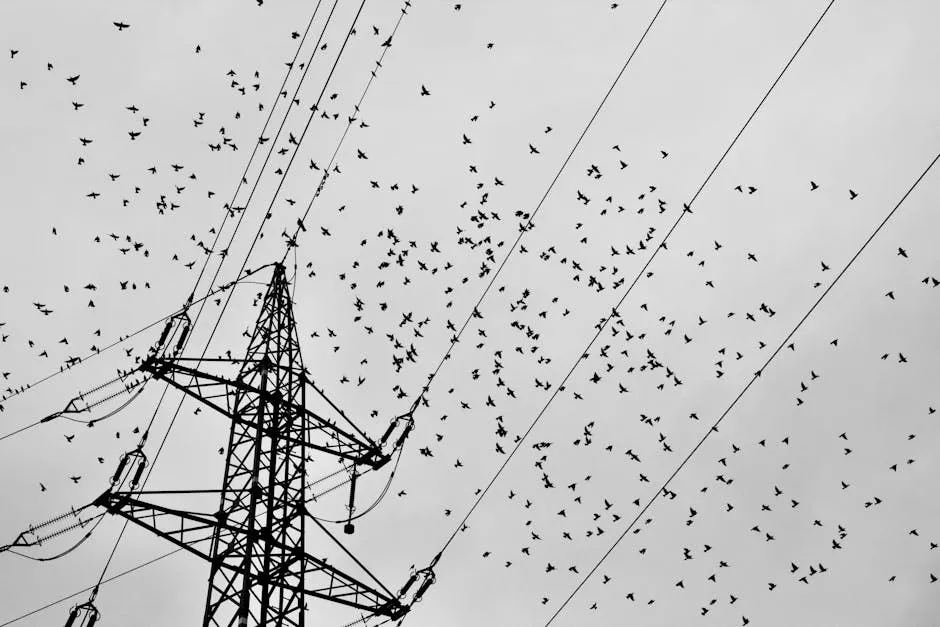
A May 2025 paper published in the journal Science analyzed 495 North American bird species and showed that species long considered common, like American Robins and Mallards, are declining – especially in places where they were once most abundant. This finding challenged a widespread assumption that only rare or specialized species were at serious risk.
Researchers noted that populations are declining where they were once really abundant, and that locations that once provided ideal habitat and climate for these species are no longer suitable. The loss of common birds from familiar landscapes is one of the clearest signals that something fundamental has shifted in the environment.
What Comes Next for Migratory Birds
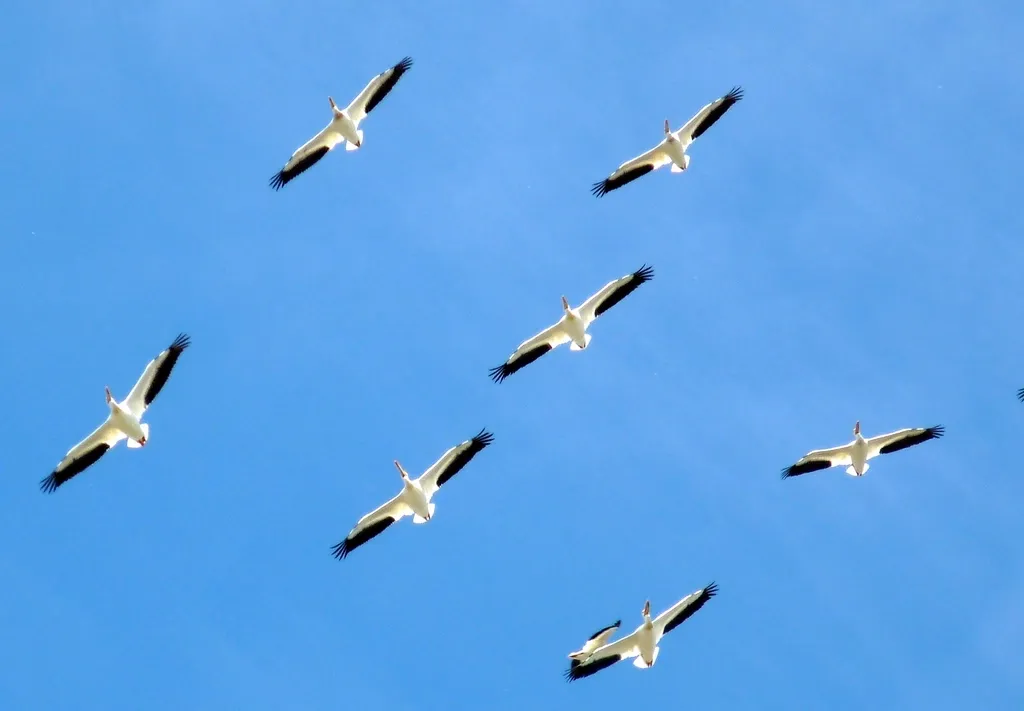
Shifting migration phenologies may not be sufficient to maintain long-term stability in the conditions experienced by migrants en route. Even birds that do manage to adjust their timing face a landscape that is changing faster than any single adaptation can fully address. Migration is not just about flying earlier. It depends on food, water, stopover habitat, and weather windows all lining up.
Birds that don’t adjust their migration timing or breeding grounds may face population decline. When birds receive mixed environmental cues or don’t migrate earlier to stay in sync with earlier spring plants and insects, they may not overlap with the abundant food they need to raise their young. Migratory bird populations that do not shift their migration phenologies may experience phenological mismatches and become more vulnerable to population declines.
The migration routes that birds have followed for thousands of years are not disappearing. They’re just becoming harder to navigate. Whether North American species can adapt quickly enough to keep pace with a warming, shifting landscape remains the central question – and the answer, according to the science available in 2026, is genuinely uncertain. That uncertainty alone is worth paying attention to.
AI Disclaimer: This article was created with the assistance of AI tools and reviewed by a human editor.