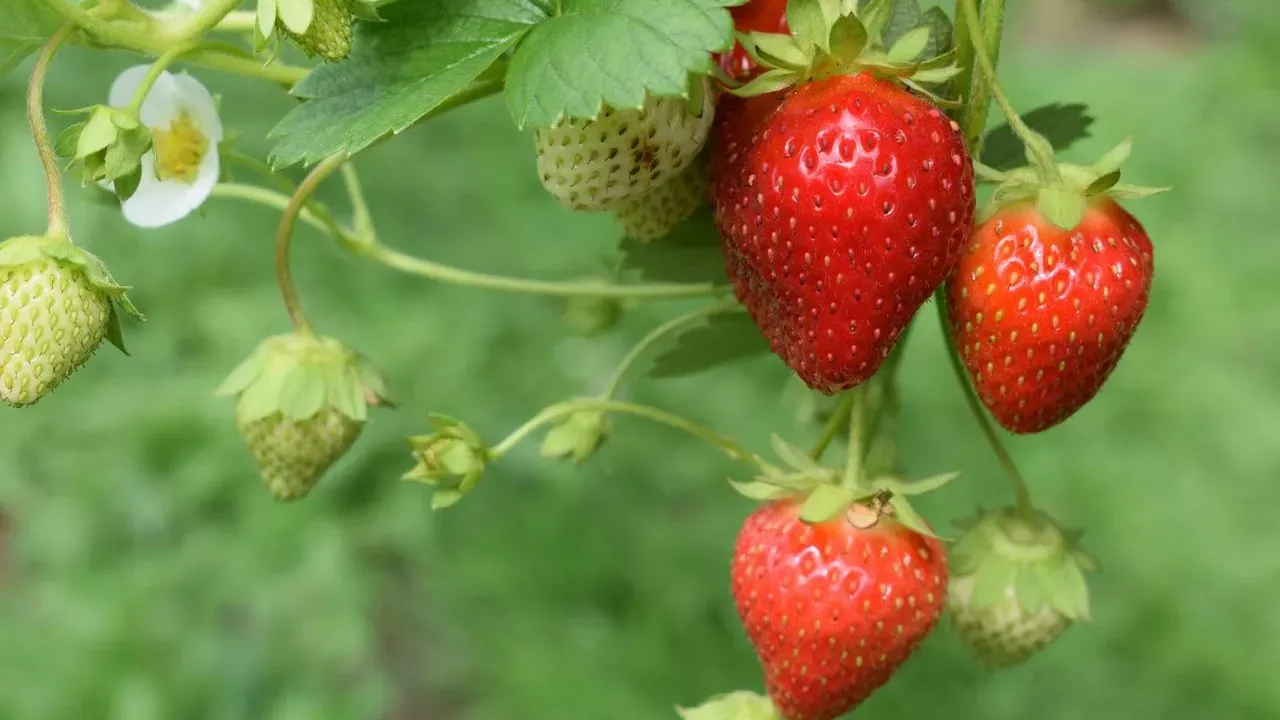

As October settles in across much of the country, gardeners in USDA Hardiness Zones 3 to 10 face a key window for protecting their strawberry beds. ([1])Hardy varieties of these low-growing perennials can survive the cold and return each spring with renewed vigor when given targeted care. The payoff comes the following summer in the form of repeated harvests of sweet, juicy berries rather than starting over with new plants.
Why Winter Protection Matters
Strawberries need 200 to 300 chill hours between 32 and 45 degrees Fahrenheit for good fruiting. Yet crowns suffer fatal damage once temperatures drop to 15 degrees or lower without cover. In areas where the ground freezes, repeated freeze-thaw cycles can harm next spring’s buds, damage roots, cause soil heaving that uproots plants, and dry out the crowns that produce new stems.
These risks explain why a short sequence of fall tasks makes such a difference. Plants that receive this attention often emerge stronger and more productive than those left exposed. The same steps apply to both in-ground beds and container-grown strawberries, though the latter can be moved to a sheltered spot like a garage or basement for extra security.
Four Steps to Prepare Plants
The process breaks down into renovation, fertilization, watering, and mulching. Each step builds on the last to create conditions that support dormancy without inviting rot or pests.
- Renovate after the final harvest by pruning foliage on June-bearing types to one or two inches above the crown and thinning plants to proper spacing.
- Apply a balanced 10-10-10 fertilizer at least a month before the average first frost date, keeping it off the leaves and watering it in.
- Continue providing about an inch of water per week until frost arrives, then stop supplemental irrigation for garden plants.
- Spread loose straw or pine needle mulch three to five inches deep after the first frost but before temperatures fall below 20 degrees.
Timing the mulch layer correctly prevents new growth, excess moisture, or rodent activity. Loose material allows air flow and drainage while insulating the crowns. In raised beds or windy sites, extra depth or light anchoring helps the cover stay in place through the season.
Handling Different Varieties and Containers
June-bearing strawberries form buds in fall and produce one main crop, so they benefit from heavier pruning and thinning to rows eight to twelve inches wide. Everbearing and day-neutral types require lighter cleanup focused on damaged leaves and spacing plants about four to six inches apart. Diseased material should go in the trash rather than the compost pile to limit spread.
Container plants follow the same renovation and feeding steps, then move indoors once foliage browns. Wrapping pots in burlap and filling gaps with straw provides insulation without trapping too much moisture. A quick check in early spring reveals when to pull mulch back and let new shoots emerge.
Looking Ahead to Spring
With these measures complete, the plants enter dormancy ready to withstand the months ahead. Come spring, raking excess mulch into pathways or leaving some around the bases helps control weeds and retain moisture for the new growth. The result is a reliable patch that delivers abundant berries season after season without the cost or effort of annual replanting.
AI Disclaimer: This article was created with the assistance of AI tools and reviewed by a human editor.