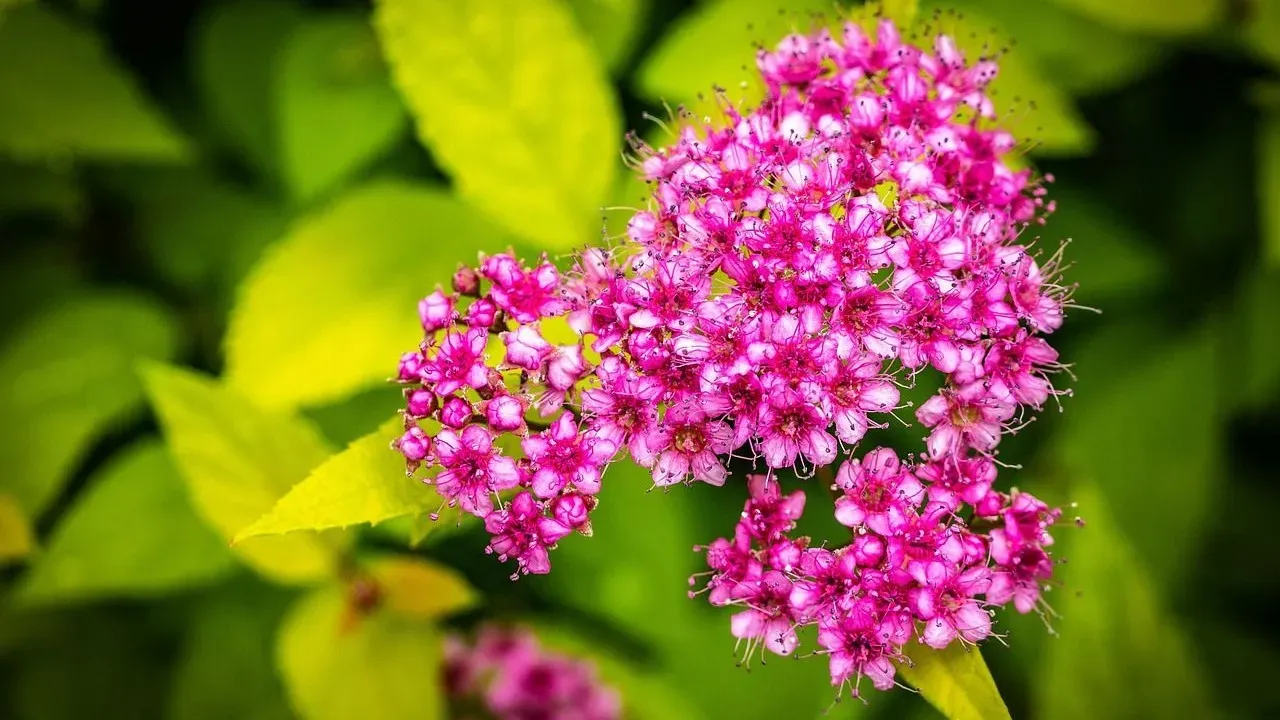

Spirea shrubs bring reliable color to gardens with their clusters of pink, white, or mauve flowers that appear in spring or summer. These cold-hardy deciduous plants lose their leaves each fall and enter dormancy, allowing most established specimens to handle winter conditions without extra help. Yet new plantings and those in containers often need targeted steps to avoid damage from freeze-thaw cycles or excess moisture. Gardeners who act in early fall can protect root zones and maintain plant health through the cold months ahead ([1]).
Why Timing Matters Before Frost
Spirea varieties common in home landscapes are rated hardy in USDA Zones 4 to 9, with some tolerating Zone 3. Once mature and suited to local conditions, they require minimal intervention. The key is preparing them while they still have time to harden off before temperatures drop sharply. Late-season growth encouraged by fertilizer or heavy pruning can suffer in an early freeze, leaving shrubs vulnerable.
Healthy dormancy also reduces risks from heaving, where repeated freezing and thawing lifts roots out of the soil. In wetter regions, standing water around roots raises the chance of rot. Addressing these issues now prevents problems that only become visible after winter ends.
Key Steps for In-Ground Shrubs
Light pruning after leaf drop removes dead wood without stimulating new growth. Vigorous cuts should stop by midsummer so plants can settle into dormancy. Fertilizer applications should also end six to eight weeks before the first expected frost to avoid tender shoots.
Consistent watering remains important until the ground freezes, especially for recent plantings. Aim for deep soaking that reaches 12 to 18 inches into the soil. After the first hard frost, a four- to six-inch layer of mulch such as shredded leaves or straw protects the root zone and helps prevent heaving.
Where rabbits or rodents are active, hardware cloth wrapped around the base offers simple protection. Keep mulch several inches from trunks to discourage gnawing while still insulating the roots.
Handling Container and Indoor Plants
Container-grown spirea face greater exposure because their roots lack the insulation of surrounding soil. After the first frost, move pots to sheltered spots against a foundation or into an unheated garage. Mulch the soil surface and consider wrapping the pot itself with bubble wrap or an old blanket for added insulation.
Good drainage prevents rot in mild, wet winters. Remove saucers, elevate pots on bricks, and avoid flat placement that traps water. In heavy rain areas, tilting containers at a slight angle can reduce saturation while still keeping soil in place.
Bringing pots indoors works in very cold climates. Choose a cool spot between 40 and 50 degrees Fahrenheit with some light, and water lightly every four to six weeks. Return plants outside once nights stay above freezing and days lengthen.
Looking Ahead to Next Season
These straightforward measures help spirea emerge from dormancy ready to produce their characteristic flower displays. Established plants often need little beyond the basics, while newer additions benefit most from mulch and shelter. Consistent attention in fall supports the shrubs through winter and sets the stage for healthy growth when warmer weather returns.
AI Disclaimer: This article was created with the assistance of AI tools and reviewed by a human editor.