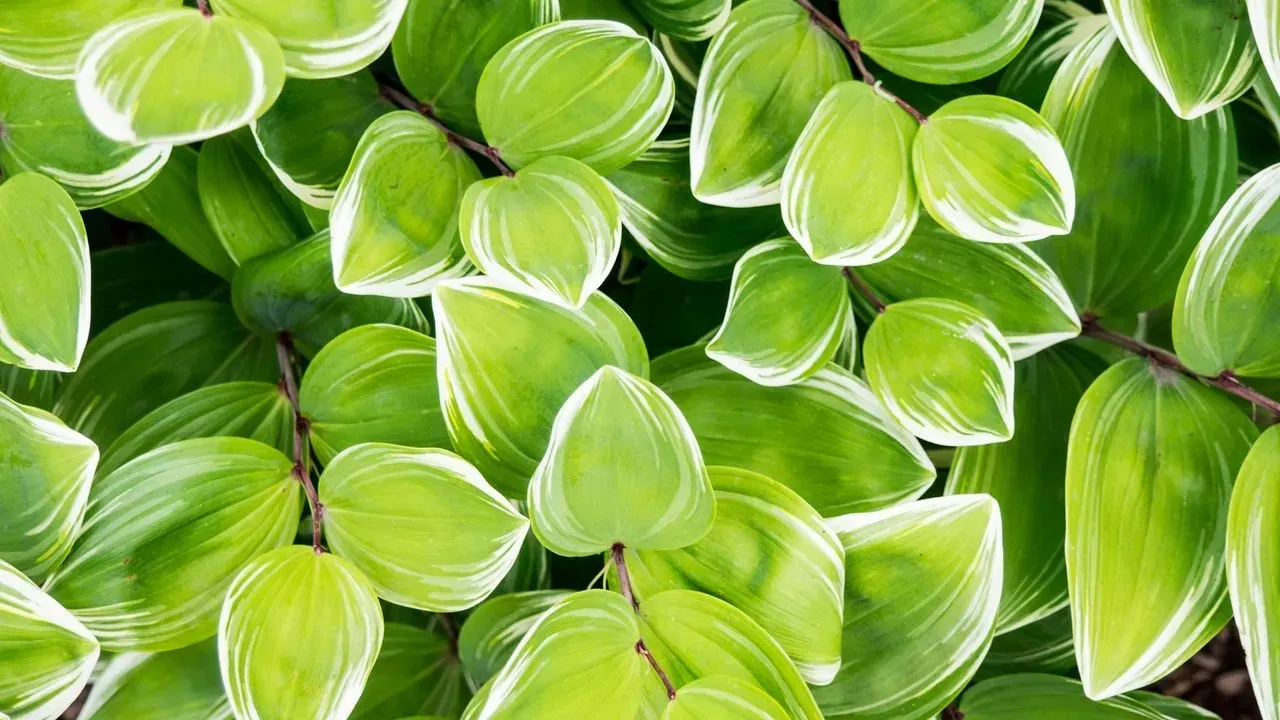

Many homeowners assume a patio that receives little direct sun offers limited options for greenery. Yet a range of plants adapts readily to low-light conditions and brings color, texture, and life to those spaces. The key lies in selecting varieties that naturally prefer shade rather than forcing sun-loving species into unsuitable spots.
Why Shade Gardening Matters for Patios
Patios tucked under overhangs or surrounded by trees often stay cool and dim throughout the day. This environment can feel uninviting without thoughtful planting. Choosing the right species turns those constraints into an advantage, creating lush displays that require less watering and fewer interventions against intense heat.
Container gardening adds flexibility. Pots allow easy rearrangement and protection during extreme weather. They also suit renters or those with limited ground space who still want outdoor living areas to feel complete.
Proven Performers for Low Light
Begonias stand out for their reliable blooms and foliage interest in shaded containers. Varieties such as Double Up Red deliver consistent color without demanding full sun. Coleus provides striking leaf patterns in shades of burgundy, lime, and chocolate, thriving where light remains indirect.
Hostas bring bold, architectural leaves that fill space effectively. Ferns, including Japanese painted types, add delicate fronds and soft movement. Coral bells offer both colorful foliage and airy flower stalks that attract pollinators even in dimmer corners.
Additional options include caladiums for tropical flair and impatiens for bright seasonal flowers. These selections perform well in pots on covered porches or tree-shaded decks, provided soil stays moist but not waterlogged.
Practical Care Tips for Success
Start with quality potting mix designed for containers to ensure drainage. Water when the top inch of soil feels dry, adjusting frequency based on temperature and humidity. Fertilize sparingly with a balanced formula during active growth periods.
Monitor for pests common in humid shade, such as slugs or aphids, and address them promptly with appropriate treatments. Rotate containers occasionally to promote even growth. Most of these plants tolerate occasional neglect better than their sun-dependent counterparts.
Designing Cohesive Displays
Combine plants with contrasting leaf shapes and colors for visual interest. Pair bold hosta foliage with finer fern textures and trailing elements like certain ivy varieties. Group containers of varying heights to create depth without overcrowding the space.
Consider seasonal changes. Many shade plants maintain appeal from spring through fall, reducing the need for constant replanting. This approach keeps maintenance manageable while delivering year-round satisfaction in challenging light conditions.
Selecting plants matched to actual light levels transforms overlooked patios into inviting extensions of the home. With attention to soil, water, and arrangement, even deeply shaded areas support healthy growth and lasting enjoyment.
AI Disclaimer: This article was created with the assistance of AI tools and reviewed by a human editor.