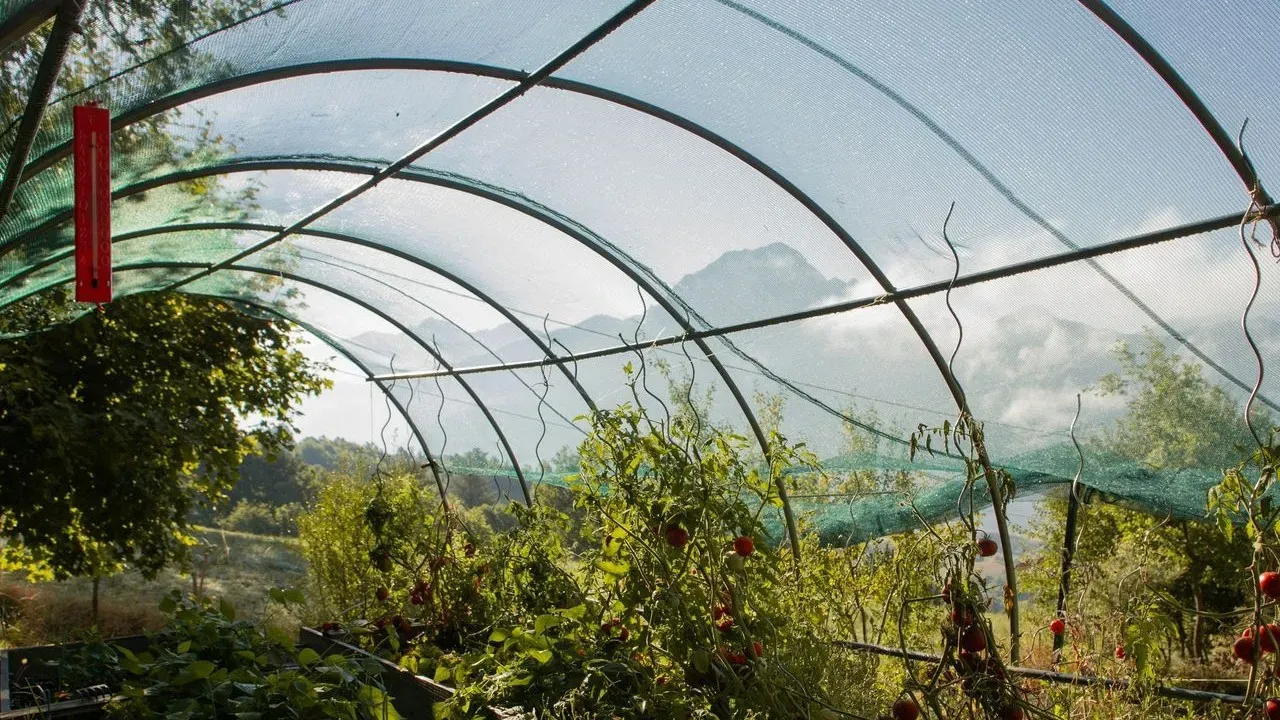

Across much of the country this July, vegetable gardens that once thrived in warm conditions have begun to stall. Leaves wilt by midday, fruit set slows, and many plants appear to enter a protective shutdown rather than push forward. The shift from comfortable warmth to punishing heat has left gardeners searching for practical ways to ease the stress without pulling up entire beds.
Heat Stress Takes a Visible Toll
High temperatures above the mid-80s can push many common crops past their comfort zone. Tomatoes drop blossoms, peppers stop sizing up, and leafy greens bolt or turn bitter. The problem is not simply the air temperature but the combination of intense sun and reflected heat from soil and structures that raises leaf surface temperatures even higher.
Gardeners who monitor their beds closely notice the pattern early. Plants that looked vigorous in the morning look exhausted by afternoon. Consistent exposure to these conditions reduces yields and can shorten the productive season if left unaddressed.
Why Shade Cloth Changes the Equation
Shade cloth works by intercepting a portion of direct sunlight before it reaches the plants. The fabric reduces light intensity while still allowing air to move freely, which helps keep leaf temperatures lower without trapping excess humidity. Unlike solid covers or temporary structures, the material is designed to breathe and can be left in place for weeks at a time.
Many gardeners report that even a modest reduction in sunlight intensity brings noticeable relief within a few days. Flowering resumes on crops that had paused, and wilting becomes less frequent during peak afternoon hours. The approach is especially useful in regions experiencing prolonged heat waves rather than brief spikes.
Selecting and Positioning the Material
Shade cloth comes in different densities, typically measured by the percentage of light it blocks. A 30 to 50 percent shade rating often strikes the right balance for most vegetable crops, providing protection without overly limiting photosynthesis. Heavier fabrics may be reserved for the most sensitive plants or the hottest weeks of the season.
Installation is straightforward. The cloth can be draped over simple frames, suspended from existing trellises, or clipped to hoops already in the garden. The goal is to create a floating layer several inches above the canopy so air continues to circulate. Gardeners often remove or reposition the material on cooler days to give plants full sun when conditions allow.
Looking Ahead as the Season Continues
With summer heat expected to remain intense through August in many areas, shade cloth offers a reusable tool that can be stored and redeployed in future years. It does not replace regular watering or soil care, yet it addresses one of the most immediate stresses plants face during extreme weather.
Gardeners who have adopted the practice describe it as a quiet but effective adjustment rather than a dramatic overhaul. The result is often a longer harvest window and fewer lost plants, even when temperatures climb well beyond typical summer norms.
AI Disclaimer: This article was created with the assistance of AI tools and reviewed by a human editor.