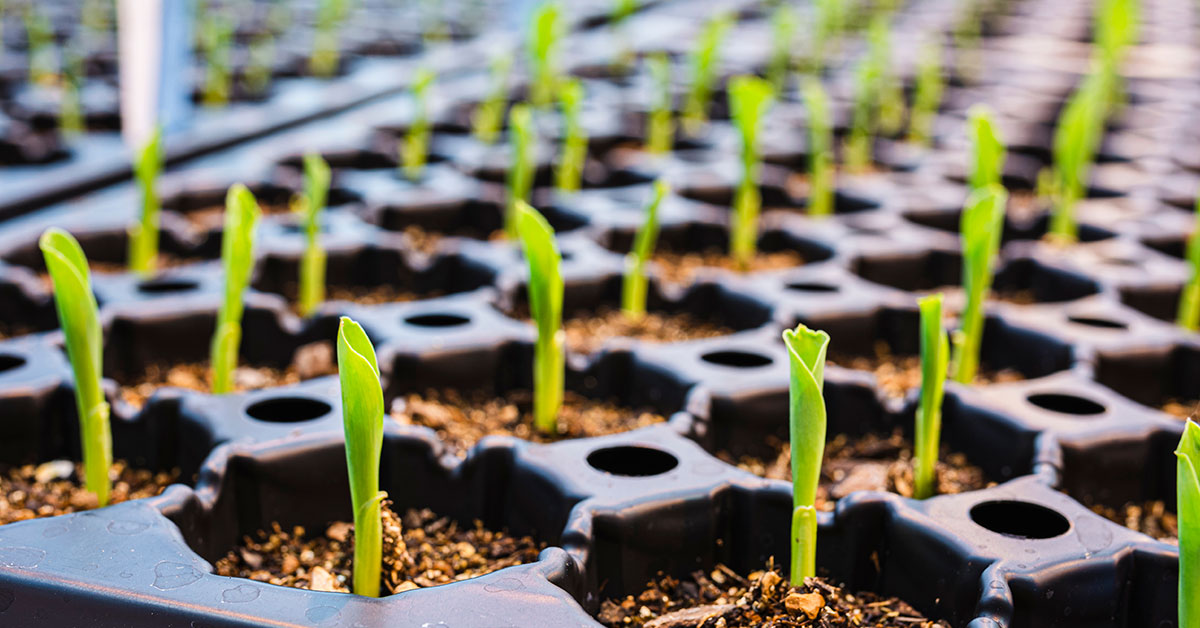

Welcome to the world of Serendipity Corn, a delightful and unique variety that is sure to bring a touch of magic to your garden. With its vibrant colors and exceptional flavor, growing Serendipity Corn is a rewarding experience for both novice and experienced gardeners alike.
In this article, we will guide you through the step-by-step process of cultivating this extraordinary corn variety, from selecting the right seeds to nurturing the plants to maturity. Whether you have a sprawling backyard or a small balcony, you can enjoy the pleasure of growing your own Serendipity Corn and savor the taste of this remarkable crop. So, let’s dive in and discover the secrets to successfully cultivating Serendipity Corn in your own garden.
What is Serendipity Corn?
Serendipity Corn is a unique and delightful variety that will surely catch the eye of any gardener or corn enthusiast. This hybrid corn is known for its stunning combination of colors, with kernels that range from shades of yellow and white to pink and purple.
The vibrant hues create a beautiful mosaic pattern when the corn is fully grown, making it a striking addition to any garden or plate. Not only is Serendipity Corn visually appealing, but it also offers a deliciously sweet and tender taste. The kernels are plump and juicy, bursting with flavor when cooked. Whether you prefer to enjoy it fresh off the cob, grilled, or added to your favorite corn-based dishes, Serendipity Corn is sure to satisfy your taste buds.
One of the great advantages of growing Serendipity Corn is its versatility and adaptability. It is a relatively easy variety to grow, making it suitable for gardeners of all skill levels. It thrives in full sun and well-drained soil, requiring regular watering to ensure healthy growth. With proper care and attention, Serendipity Corn can reach heights of up to 6 feet, providing an impressive display in your garden. Another notable feature of Serendipity Corn is its relatively short maturity period.
This variety typically matures in around 75 to 85 days, allowing for a relatively quick harvest compared to some other corn varieties. This makes it an excellent choice for gardeners who are eager to enjoy their homegrown corn sooner rather than later. In addition to its visual appeal, taste, and ease of cultivation, Serendipity Corn also offers nutritional benefits.
Overall, Serendipity Corn is a fantastic choice for any gardener looking to add a touch of beauty, flavor, and nutrition to their garden. With its stunning colors, delicious taste, ease of cultivation, and nutritional benefits, this variety is sure to bring joy and satisfaction to both your garden and your plate.
What does Serendipity Corn taste like?
Serendipity Corn is a unique and flavorful variety that is sure to delight any corn lover. Its flavor profile can be described as sweet, crisp, and slightly nutty. When you take a bite, you’ll immediately notice the natural sweetness that is characteristic of this corn. It has a pleasant, sugary taste that is not overpowering, making it enjoyable to eat on its own or incorporate into various dishes.
The texture of Serendipity Corn is another standout feature. It is exceptionally crisp, providing a satisfying crunch with every bite. This crunchiness adds a delightful element to the overall eating experience and enhances the enjoyment of this corn variety.
In addition to its sweetness and crunch, Serendipity Corn also has a subtle nutty undertone. This nuttiness adds depth to the flavor profile and provides a unique twist compared to other corn varieties. It complements the sweetness and crispness, creating a well-rounded and balanced taste.
When cooked, Serendipity Corn retains its sweetness and crispness, making it an excellent choice for grilling, boiling, or roasting. The natural sugars caramelize beautifully, enhancing the flavor even further. Whether you enjoy it on the cob, in salads, or as a side dish, Serendipity Corn is sure to impress with its delicious flavor.
Furthermore, Serendipity Corn is known for its excellent shelf life and post-harvest quality. It stays fresh and flavorful for an extended period, allowing you to enjoy its delicious taste for longer. This is particularly beneficial if you grow your own corn or purchase it in bulk.
Overall, Serendipity Corn offers a delightful flavor profile that combines sweetness, crispness, and a subtle nuttiness. Its natural sweetness, paired with its exceptional crunch, makes it a pleasure to eat. Whether you’re enjoying it fresh off the cob or incorporating it into various dishes, Serendipity Corn is sure to satisfy your taste buds with its unique and delicious flavor.
How to start Serendipity Corn from seed
To start growing Serendipity Corn, you’ll need to follow a few key steps. First, choose a suitable location for your corn patch. Corn requires full sun, so select an area that receives at least 6-8 hours of direct sunlight each day. The soil should be well-draining and rich in organic matter. Prepare the soil by removing any weeds or grass and loosening it with a garden fork or tiller.
Next, it’s time to sow the seeds. Serendipity Corn is typically sown directly into the ground after the last frost date in your area. Plant the seeds about 1 inch deep and 6-8 inches apart in rows that are spaced 30-36 inches apart. This spacing allows the corn plants to have enough room to grow and ensures proper air circulation.
Once the seeds are planted, water the area thoroughly. Corn requires consistent moisture, especially during the germination and early growth stages. Keep the soil evenly moist, but be careful not to overwater, as this can lead to rotting. As the plants grow, it’s important to provide regular irrigation, especially during dry spells.
Corn is a heavy feeder, so it’s crucial to fertilize the plants throughout the growing season. Apply a balanced, slow-release fertilizer when planting, and then side-dress the plants with additional fertilizer once they reach about 12 inches in height. This will help provide the necessary nutrients for healthy growth and development.
As the corn plants grow taller, they may need support to prevent them from falling over in strong winds. You can use stakes or install a trellis system to provide support. Be sure to do this before the plants become too tall and difficult to manage.
Corn is wind-pollinated, so it’s essential to have enough plants for proper pollination and good ear development. Planting in blocks rather than single rows can help ensure better pollination. If you’re growing a small patch, hand-pollination can also be done by gently shaking the tassels to release pollen onto the silks.
Keep an eye out for pests and diseases that commonly affect corn, such as corn borers, armyworms, and fungal diseases like rust or smut. Regularly inspect the plants and take appropriate measures to control any issues. This may include using organic insecticides or fungicides, or employing natural pest control methods like introducing beneficial insects.
Harvesting Serendipity Corn is an exciting moment. The corn is ready to be picked when the silks turn brown and dry, and the kernels are plump and milky when pierced. To harvest, hold the corn stalk firmly and twist the ear downward until it detaches from the plant. Enjoy the delicious, sweet flavor of your homegrown Serendipity Corn either fresh or cooked.
When to plant Serendipity Corn outdoors
The ideal time to plant Serendipity Corn depends on the climate and growing conditions in your region. Generally, Serendipity Corn is a warm-season crop that thrives in temperatures between 60°F and 95°F (15°C to 35°C). It is important to wait until the soil has warmed up to at least 50°F (10°C) before planting, as corn seeds require warm soil for germination.
In most regions, the recommended time to plant Serendipity Corn is in the spring, after the last frost date has passed. This ensures that the soil has warmed up sufficiently and reduces the risk of frost damage to the young plants. You can check with your local agricultural extension office or use online resources to determine the average last frost date in your area.
In conclusion, the ideal time to plant Serendipity Corn is in the spring, after the last frost date and when the soil has warmed up to at least 50°F (10°C). Prepare the soil by incorporating organic matter, sow the seeds directly into the soil at the recommended spacing, and provide consistent moisture throughout the growing season. By following these guidelines, you can maximize the chances of a successful and bountiful harvest of Serendipity Corn.
Growing & care guide
Serendipity Corn is a popular variety known for its sweet and tender kernels. To ensure the best care for your Serendipity Corn, it is important to follow a few key practices. Firstly, it is crucial to choose a suitable location for planting. Serendipity Corn thrives in full sun, so select an area in your garden that receives at least 6-8 hours of direct sunlight each day. Additionally, the soil should be well-draining and rich in organic matter. Prior to planting, it is advisable to amend the soil with compost or well-rotted manure to improve its fertility.
When it comes to planting Serendipity Corn, it is best to sow the seeds directly in the garden after the last frost date in your area. The seeds should be planted in rows, with a spacing of around 12-18 inches between each plant. It is important to ensure that the soil is consistently moist during the germination period, which typically takes 7-10 days. Once the seedlings emerge, thin them out to maintain a spacing of 8-12 inches between plants. This will allow each plant to have enough space to grow and receive adequate nutrients.
Watering is a crucial aspect of Serendipity Corn care. It is essential to keep the soil consistently moist throughout the growing season. Regular watering is especially important during dry spells or hot summer months. Aim to provide around 1-1.5 inches of water per week, either through rainfall or supplemental irrigation. Be careful not to overwater, as excessive moisture can lead to root rot or other fungal diseases. To retain moisture and suppress weeds, consider applying a layer of organic mulch around the base of the plants.
Fertilizing Serendipity Corn is essential for optimal growth and development. Before planting, incorporate a balanced fertilizer into the soil to provide essential nutrients. Additionally, side-dress the plants with a nitrogen-rich fertilizer when they reach a height of 12 inches. Repeat this process every 3-4 weeks until the tassels appear. This will ensure that the corn plants have an adequate supply of nutrients to produce healthy and flavorful ears.
To prevent pest and disease issues, it is important to practice good garden hygiene. Remove any weeds or debris that may harbor pests or diseases. Monitor the plants regularly for signs of common corn pests such as corn borers or aphids. If necessary, apply organic insecticides or use natural pest control methods to manage infestations. Additionally, be on the lookout for common corn diseases such as rust or smut. If any signs of disease are observed, promptly remove and destroy the affected plants to prevent the spread.
Harvesting Serendipity Corn at the right time is crucial for optimal flavor and tenderness. The ears are ready for harvest when the silks turn brown and dry, and the kernels are plump and milky when pierced with a fingernail. To harvest, simply grasp the ear firmly and pull it downward, twisting slightly to detach it from the stalk. Enjoy the delicious taste of your homegrown Serendipity Corn by cooking it immediately after harvest for the best flavor and texture.
Harvesting guide
Serendipity corn is a popular variety known for its sweet and tender kernels. Harvesting Serendipity corn at the right time is crucial to ensure optimal flavor and texture. The best time to harvest Serendipity corn is when the ears are fully matured but still in their peak freshness. Here’s a step-by-step guide on when and how to harvest Serendipity corn.
Firstly, observe the corn plants as they grow. Serendipity corn typically takes around 75-85 days to reach maturity. Keep track of the planting date and monitor the growth progress to estimate when the corn might be ready for harvest.
As the corn plants mature, the ears will start to fill out and become plump. The husks will also become darker and more tightly wrapped around the ears. This is a good indication that the corn is nearing its harvest time.
To check if the corn is ready for harvest, gently peel back the husk of one ear and examine the kernels. The kernels should be fully formed, plump, and tightly packed together. If the kernels are still small and not fully developed, it’s best to wait a little longer before harvesting.
When harvesting Serendipity corn, it’s important to use a sharp knife or shears to cut the ears from the stalk. Hold the ear firmly with one hand and cut the stalk about 1 inch above the ear. Avoid pulling or twisting the ears, as this can damage the plant and affect future growth.
After harvesting, it’s crucial to handle the corn with care to maintain its freshness. Keep the ears in a cool, shaded area to prevent them from drying out. If you’re not planning to consume the corn immediately, it’s best to refrigerate or freeze it to preserve its flavor and sweetness.
Remember, Serendipity corn is at its peak flavor and tenderness right after harvest, so try to enjoy it as soon as possible. If you can’t consume all the corn at once, consider sharing it with friends and family or preserving it for later use.
By following these guidelines, you can ensure that your Serendipity corn is harvested at the perfect time, resulting in delicious and satisfying corn on the cob.