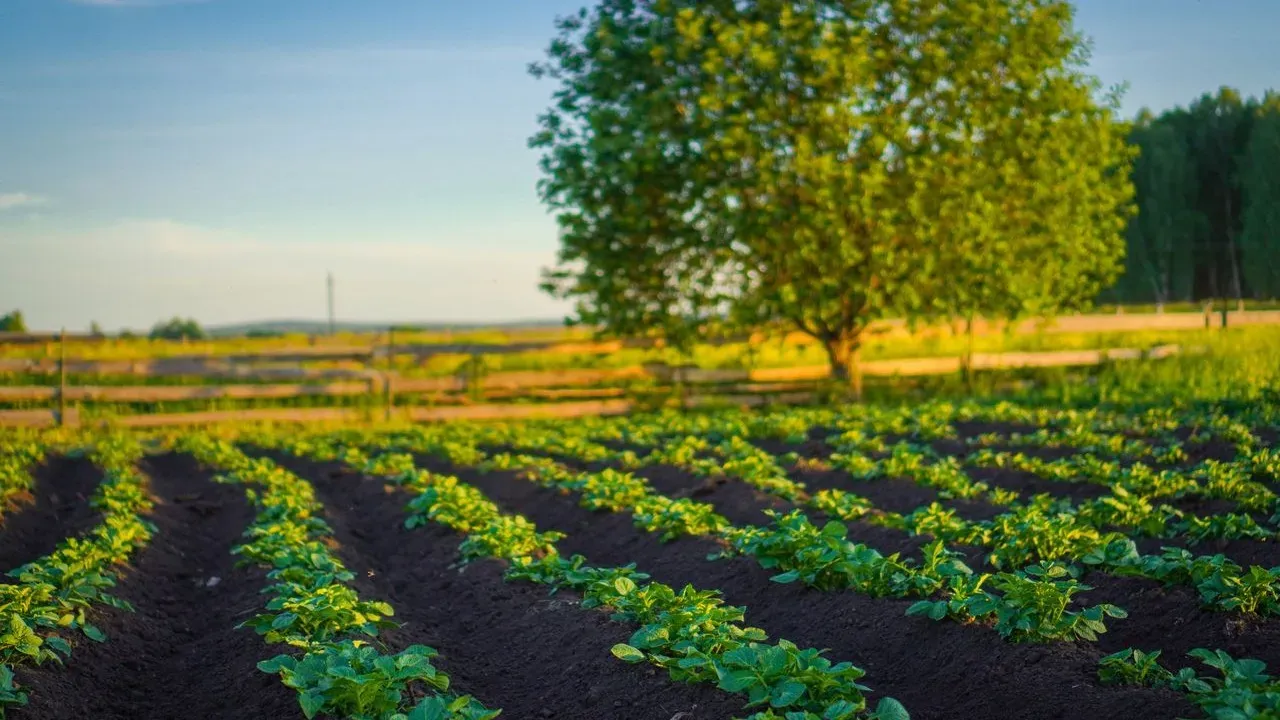

Homeowners with septic systems frequently cover discharge fields with basic lawns to protect the underground infrastructure. This approach keeps the area functional yet often leaves yards looking uniform and uninspired. Careful plant selection offers a practical way to add visual interest while preserving the field’s performance.
Why Standard Lawns Fall Short
Septic discharge fields require stable soil conditions and minimal root interference. A simple grass cover meets basic needs but provides little seasonal color or texture. Many property owners seek more from their outdoor spaces, especially in areas where the field occupies a prominent spot.
The limitation stems from the need to protect pipes and absorption zones from damage. Traditional landscaping choices like deep-rooted trees quickly become unsuitable. This reality pushes homeowners toward alternatives that stay shallow and non-invasive.
Key Constraints for Any Planting
Roots that reach the drainage lines can cause clogs or costly repairs over time. Shrubs and trees are therefore ruled out because their root systems expand aggressively. Ground-level growth remains the safer route for long-term system health.
Soil moisture levels also vary across the field, creating wetter and drier zones. Plants must tolerate these fluctuations without requiring frequent digging or heavy foot traffic. These practical boundaries shape every decision about what belongs on the site.
Options That Respect the System
Low-growing perennials and certain ornamental grasses fit the requirements when chosen for shallow roots and modest water needs. Ground covers that spread horizontally rather than downward add coverage without risk. Seasonal flowers can introduce color during warmer months while staying compatible with the field’s function.
Native species often perform well because they adapt to local soil and rainfall patterns. Homeowners gain the benefit of reduced maintenance once plants establish. The result is a living surface that still allows the septic system to operate as designed.
Benefits Beyond Appearance
An improved field contributes to overall property value by turning a utilitarian zone into part of the garden. Erosion control improves when roots hold soil in place during heavy rain. Pollinator support increases when flowering varieties are included.
Neighbors and visitors notice the difference in curb appeal. The change also reduces the visual reminder of underground utilities. Over several seasons, the investment in suitable plants pays off through lower upkeep compared with repeated lawn repairs.
Steps Homeowners Can Take Next
- Confirm local regulations and any restrictions from the septic installer before starting.
- Test soil conditions across the field to identify moisture patterns.
- Select plants based on mature size and root depth rather than initial appearance.
- Prepare the area with minimal disturbance to existing soil structure.
- Monitor growth in the first year and adjust watering only as needed.
With these considerations in place, a septic field becomes another garden opportunity rather than a limitation. The approach balances system safety with the desire for a more inviting yard. Many homeowners discover that thoughtful planting turns an overlooked space into a quiet asset.
AI Disclaimer: This article was created with the assistance of AI tools and reviewed by a human editor.