

As September rolls in, many gardeners start to feel a bit of a tug between savoring the last warm days of summer and preparing for the inevitable cooler months ahead. But just because the season is winding down doesn’t mean your garden has to! With a little bit of planning and effort, you can extend your harvest well into the fall, enjoying fresh produce and vibrant blooms long after summer’s peak has passed. I know how frustrating it can be to see your garden fade too soon, especially after all the hard work you’ve put in. But with these September tasks, you can keep that garden producing and thriving for weeks to come.
In this guide, I’ll share some key tasks to tackle in September that will help you maximize your garden’s productivity as the season transitions. From planting late-season crops to caring for your existing plants, these strategies will ensure that your garden remains a source of beauty and bounty as the temperatures begin to drop. Let’s dive into these essential tasks that will keep your garden going strong through the fall!
Planting Cool-Season Vegetables
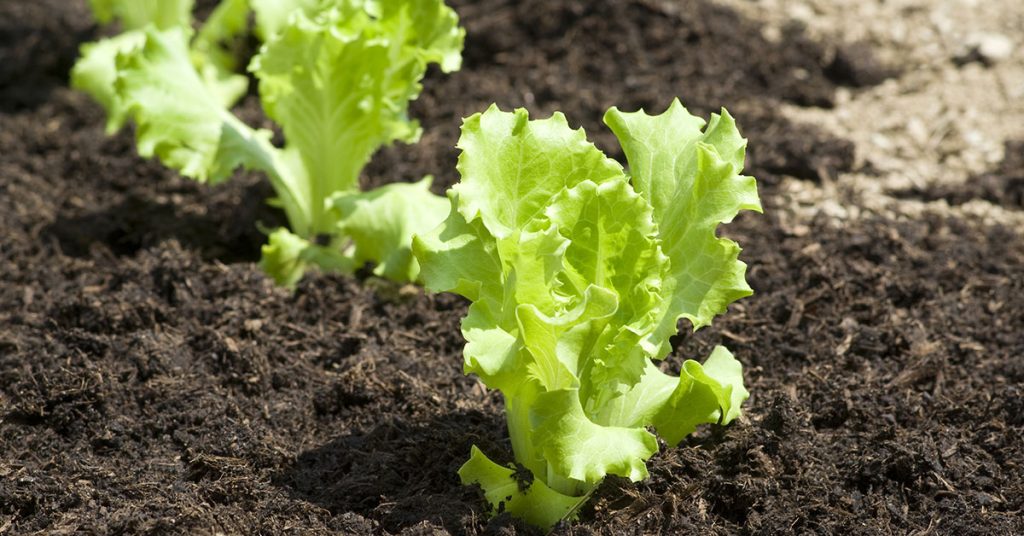
September is the perfect time to plant cool-season vegetables that thrive in the mild temperatures of fall. While the summer heat is great for tomatoes and peppers, crops like spinach, lettuce, and kale prefer the cooler weather that September brings. These leafy greens can be sown directly into the garden, and they’ll quickly germinate and grow as the temperatures begin to drop. I always find it so satisfying to plant these crops in September, knowing that I’ll have a fresh harvest well into the cooler months.
When planting cool-season vegetables, choose varieties that are known for their cold tolerance. Spinach, for example, can withstand light frosts, making it a great choice for extending your garden’s productivity. Be sure to keep the soil consistently moist to encourage strong growth, and consider using row covers to protect seedlings from any unexpected cold snaps. With a little care, these cool-season crops will reward you with crisp, flavorful greens just when you thought your garden was done for the year.
Harvesting Late-Summer Vegetables
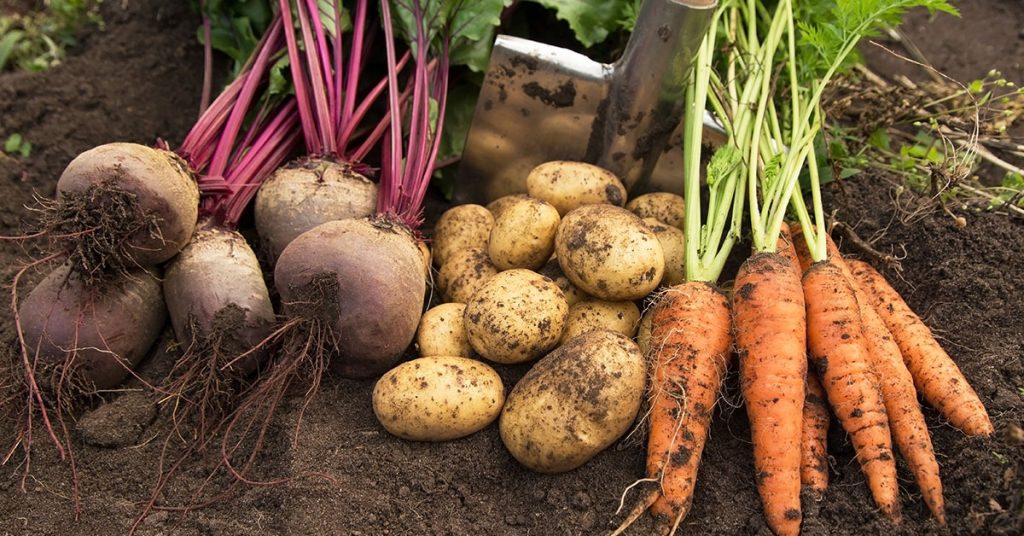
Even as you start planting fall crops, don’t forget to keep harvesting those late-summer vegetables! September is often a peak time for tomatoes, peppers, and beans, and regular harvesting can actually encourage these plants to keep producing. I know it can be tempting to let the last of the summer veggies linger on the vine, but picking them promptly ensures that the plants don’t slow down their production. Plus, you’ll get to enjoy the full flavor of these sun-ripened beauties.
When harvesting, be sure to pick vegetables before they become overripe, as this can signal the plant to start winding down for the season. If you’re not quite ready to say goodbye to your summer crops, consider leaving a few on the vine to ripen indoors or freezing them for later use. Keeping up with your harvest not only extends your garden’s productivity but also gives you a continuous supply of fresh produce to enjoy as the days grow shorter.
Preparing the Soil for Fall Crops
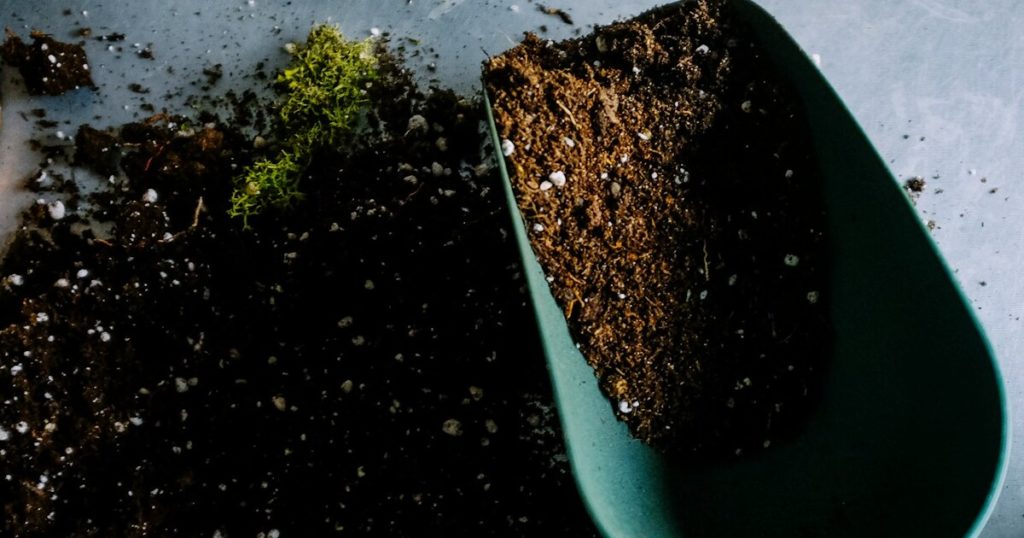
As you transition your garden from summer to fall, preparing the soil is crucial for ensuring the success of your new plantings. After a season of heavy growth, your soil may be depleted of nutrients, so it’s important to give it a boost before planting cool-season crops. Adding a layer of compost or well-rotted manure will enrich the soil, providing the necessary nutrients for healthy growth. I’ve found that this simple step can make a big difference in the quality of my fall harvest.
In addition to adding compost, consider doing a light tilling or turning over the soil to break up any compacted areas and improve drainage. This also helps to aerate the soil, making it easier for the roots of your new plants to penetrate. If you’ve had issues with pests or diseases during the summer, now is a good time to remove any affected plant material and dispose of it to prevent problems from carrying over into the fall. By giving your soil a little extra attention in September, you’ll set the stage for a bountiful fall garden.
Watering Wisely as Temperatures Drop
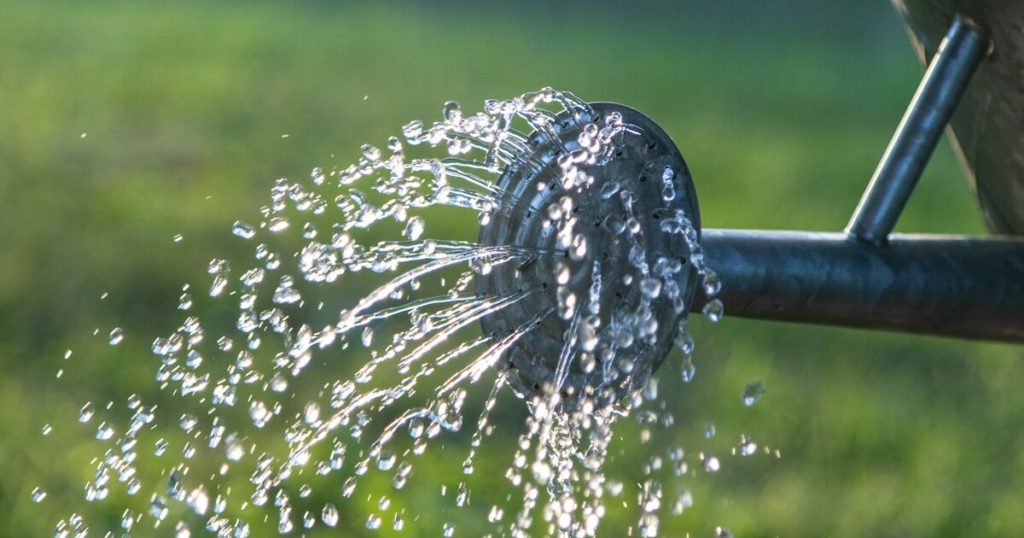
As the days shorten and temperatures begin to cool, your garden’s watering needs will change. While summer’s heat might have required frequent watering, September’s cooler weather means your plants will need less water. However, it’s important not to let your guard down completely, as consistent moisture is still crucial for plants, especially those just starting out in the fall. I’ve learned that overwatering in cooler weather can be just as harmful as underwatering in the heat, so finding the right balance is key.
To water wisely, check the soil moisture regularly and water deeply but less frequently, ensuring that the water reaches the roots where it’s needed most. Morning is the best time to water, as it allows the foliage to dry out before evening, reducing the risk of fungal diseases. For container plants, keep in mind that they may still dry out more quickly than in-ground plants, so monitor them closely. Adjusting your watering routine in September will help your garden transition smoothly into fall while keeping your plants healthy and productive.
Pruning and Tidying Up
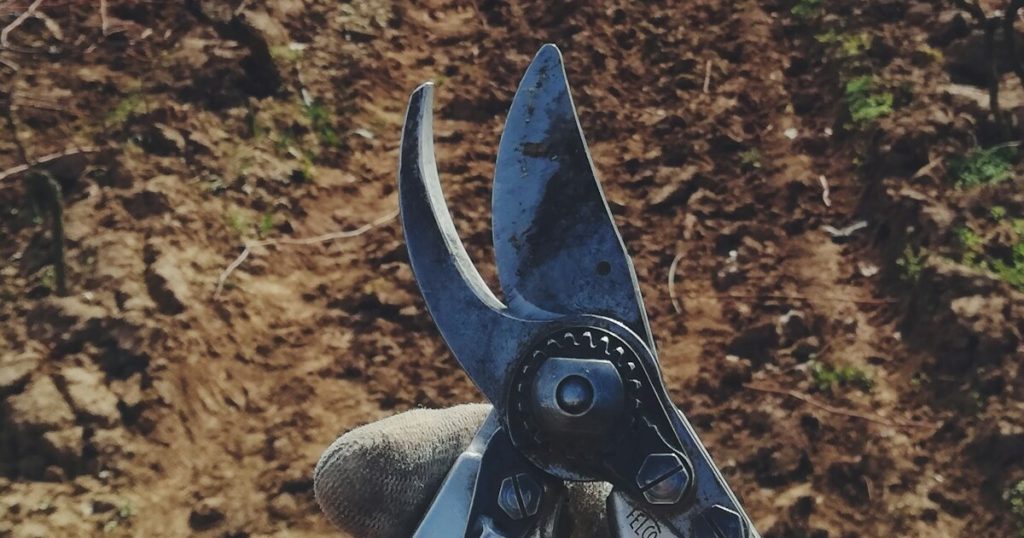
September is a great time to do a little pruning and tidying up around the garden. Deadheading spent flowers and cutting back overgrown plants not only improves the appearance of your garden but also encourages new growth and prolongs blooming. For perennials that have finished flowering, removing dead stems and foliage will help prevent disease and make your garden look neater as fall approaches. I always find that a little tidying up in September gives my garden a fresh, revitalized look, even as the growing season winds down.
When pruning, be mindful of which plants you’re cutting back. Some, like roses, benefit from a light trim to encourage a final flush of blooms, while others may need a more significant cut to prepare for winter dormancy. Be sure to dispose of any diseased plant material to prevent problems from spreading. Tidying up your garden now not only keeps it looking its best but also sets the stage for a healthier garden next spring.
Extending the Harvest with Row Covers
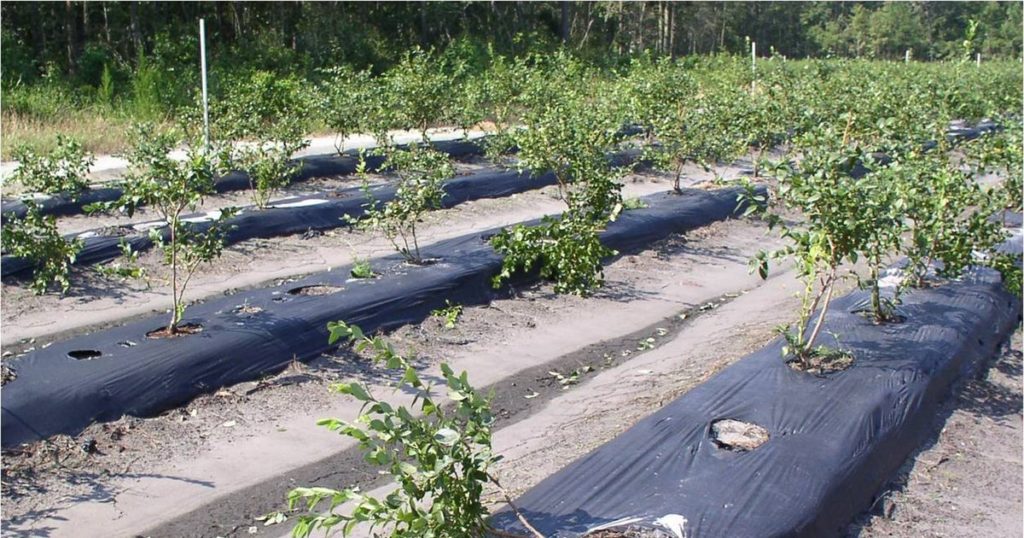
If you want to keep your garden producing well into the fall, consider using row covers to protect your crops from early frosts. Row covers are lightweight fabrics that create a microclimate around your plants, trapping heat and moisture while allowing light to penetrate. This can extend your growing season by several weeks, giving you more time to harvest cool-season vegetables like lettuce, spinach, and carrots. I’ve used row covers in my garden for years, and they’ve made a huge difference in how long I can enjoy fresh produce.
To use row covers, simply drape the fabric over your garden beds and secure the edges with rocks, soil, or stakes. Make sure the covers are snug but not too tight, allowing enough space for air circulation. Row covers are particularly effective for protecting tender crops from unexpected cold snaps, giving you peace of mind as the weather becomes more unpredictable. By taking this extra step, you can enjoy fresh garden produce long after the first frost.
Planting Garlic for Next Year’s Harvest
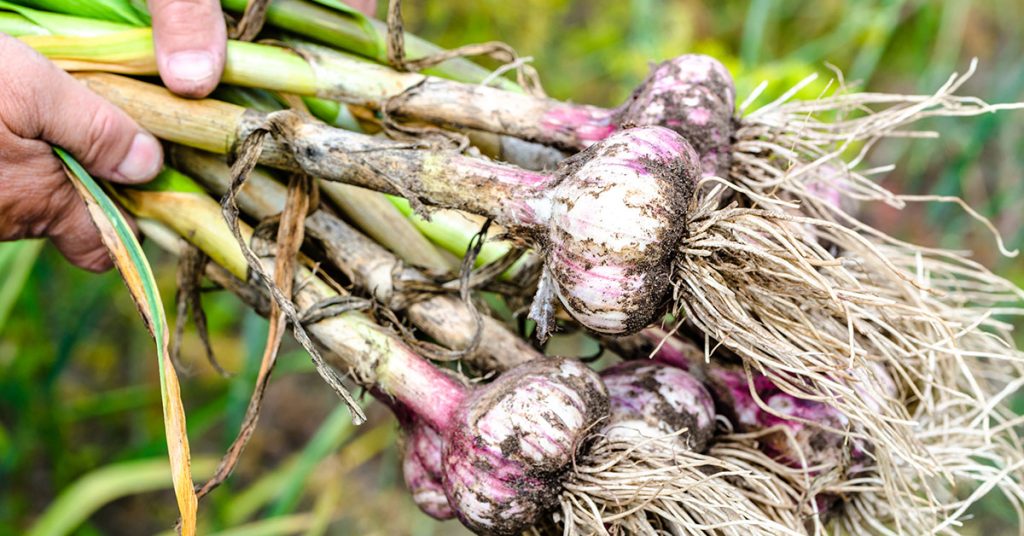
September is the ideal time to plant garlic for a harvest next summer. Garlic needs a period of cold to develop properly, and planting it in the fall allows the bulbs to establish roots before winter. I always look forward to planting garlic in September because it’s one of those crops that practically takes care of itself once it’s in the ground. Plus, there’s nothing quite like the satisfaction of harvesting your own garlic next summer, knowing it all started with a few cloves planted the previous fall.
When planting garlic, choose a sunny spot with well-drained soil. Break apart the garlic bulbs into individual cloves, and plant them about 2 inches deep, with the pointed end facing up. Space the cloves about 6 inches apart to give them room to grow. After planting, cover the bed with a layer of mulch to protect the cloves from the cold and help retain moisture. Over the winter, the garlic will start to develop roots, and by early spring, you’ll see green shoots emerging. Planting garlic in September is a simple task that pays off big time next year.
Supporting Late-Blooming Flowers
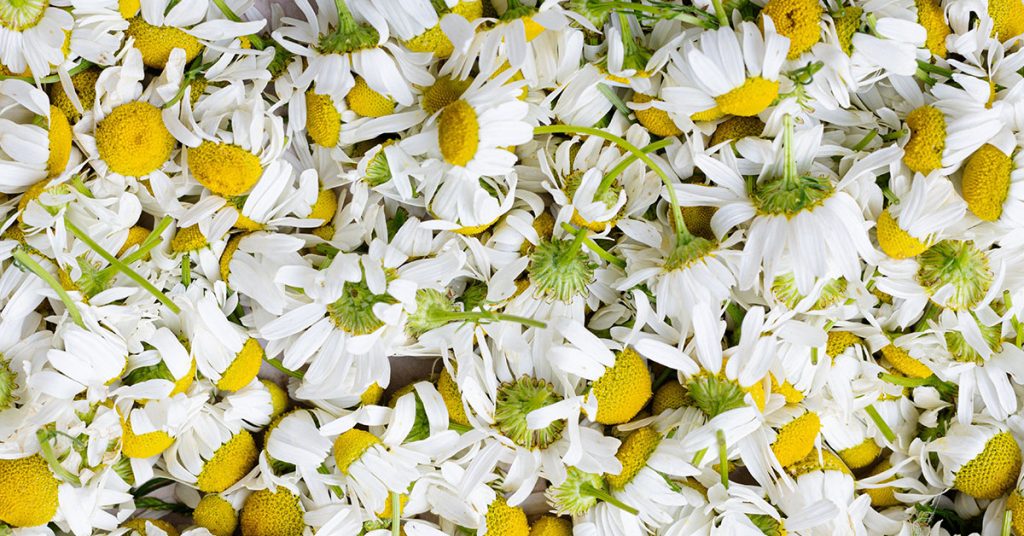
September doesn’t have to mean the end of your flower garden. Many flowers, such as asters, chrysanthemums, and sedums, reach their peak in the fall, adding vibrant color to your garden just as other plants begin to fade. These late-blooming flowers can provide a beautiful display well into the autumn months, but they may need a little extra support to stay looking their best. I love having a garden full of color in the fall, and with a bit of care, these flowers can keep blooming long after summer’s end.
To support late-blooming flowers, consider staking taller plants like asters and chrysanthemums to prevent them from flopping over as they grow. Deadheading spent blooms will encourage more flowers to form, extending the blooming period even further. For flowers like sedum that can become top-heavy, trimming back the stems slightly can help them stand upright. By giving your late-blooming flowers the care they need, you’ll enjoy a vibrant, colorful garden that lasts well into the fall.
Sowing Cover Crops
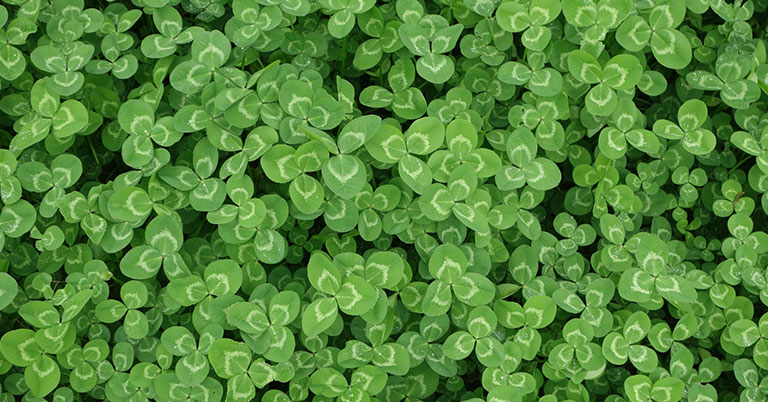
If you want to improve your soil over the winter, September is a great time to sow cover crops like clover, rye, or vetch. Cover crops, also known as green manures, are planted to protect and enrich the soil during the off-season. These crops help prevent soil erosion, suppress weeds, and add organic matter and nutrients to the soil when they’re tilled under in the spring. I’ve been using cover crops in my garden for years, and they’ve made a noticeable difference in the health and fertility of my soil.
To sow cover crops, simply broadcast the seeds over your garden beds and lightly rake them into the soil. Water the area well to encourage germination, and within a few weeks, you’ll see a lush green carpet covering your garden. As the cover crops grow, their roots help to break up compacted soil, improving its structure and drainage. In the spring, you can till the cover crops into the soil to add valuable organic matter and nutrients, setting the stage for a productive growing season. Sowing cover crops in September is an easy way to give your garden a head start for next year.
Taking Care of Garden Tools
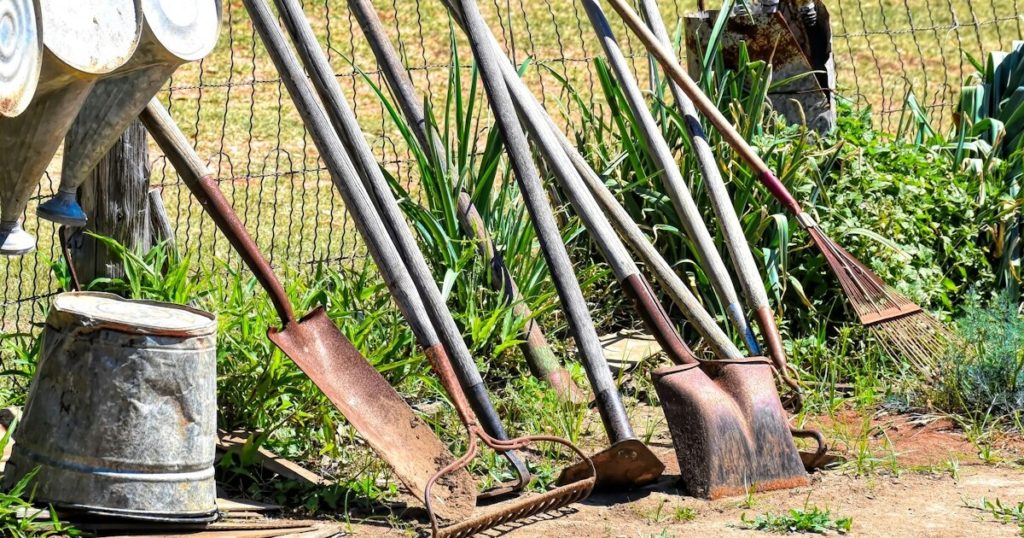
As the gardening season begins to wind down, it’s important to take care of your tools to ensure they’re ready for next year. September is a great time to clean, sharpen, and oil your tools before storing them for the winter. Well-maintained tools not only last longer but also make your gardening tasks easier and more efficient. I’ve learned the hard way that neglecting your tools can lead to rust, dull blades, and frustration when you need them most.
Start by cleaning your tools with a brush or cloth to remove any dirt, sap, or plant residue. For tools with metal parts, apply a light coat of oil to prevent rust, and sharpen any blades that have become dull over the season. Store your tools in a dry, sheltered place like a garage or shed, hanging them up if possible to keep them off the ground. Taking the time to care for your tools in September ensures that they’ll be in top shape when the next gardening season begins.
Fertilizing Perennials for Winter Hardiness
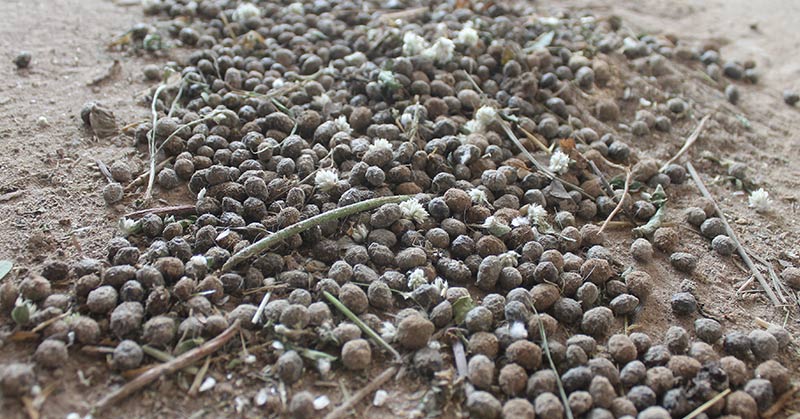
As your perennials begin to wind down for the season, giving them a final dose of fertilizer can help prepare them for winter and ensure strong growth next spring. A fertilizer high in potassium is ideal for this time of year, as it helps to strengthen the plants’ roots and improve their cold tolerance. I’ve found that fertilizing my perennials in September gives them the boost they need to survive the winter and come back stronger than ever in the spring.
When applying fertilizer, be sure to follow the instructions on the package and avoid over-fertilizing, which can lead to excessive growth that isn’t hardy enough to survive the winter. Water the fertilizer in well to help it reach the roots, and consider adding a layer of mulch around the base of the plants to help retain moisture and protect the roots from the cold. By fertilizing your perennials in September, you’re giving them the best possible chance to thrive next year.
Managing Weeds Before They Seed
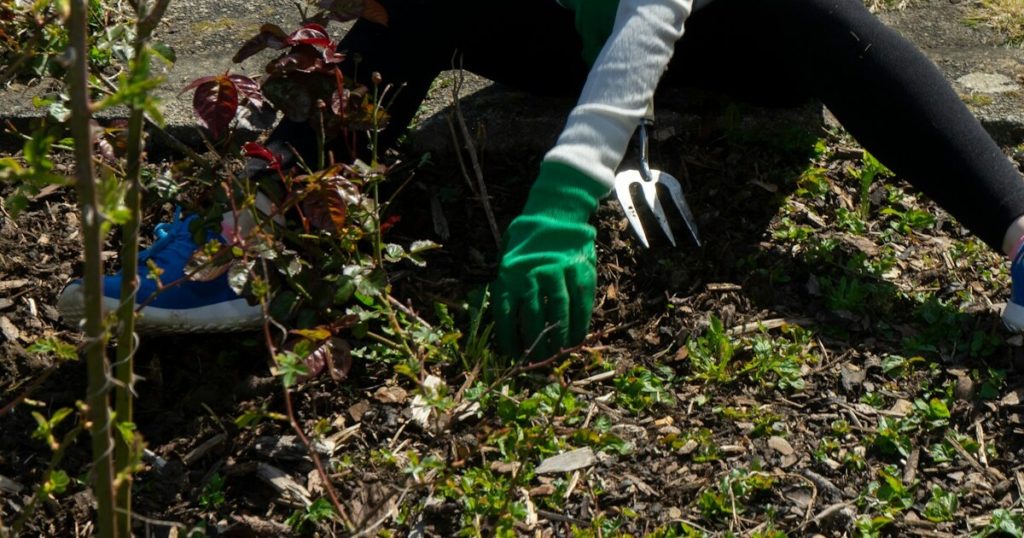
Weeds can be a persistent problem in the garden, and September is a critical time to manage them before they go to seed. Allowing weeds to set seed can lead to a much bigger problem next year, as the seeds can lay dormant in the soil and sprout in the spring. I know how easy it can be to let weeds slide as the season winds down, but taking the time to remove them now will save you a lot of trouble later on.
To manage weeds effectively, pull them out by the roots, being careful to remove as much of the root system as possible to prevent regrowth. For larger infestations, consider using a hoe or a weed torch to clear the area. If you have perennial weeds that are difficult to eradicate, covering the area with a thick layer of mulch can help smother them and prevent them from setting seed. Managing weeds in September not only keeps your garden looking tidy but also reduces the weed pressure for next year.
Propagating Plants from Cuttings

September is a great time to propagate plants from cuttings, especially if you want to expand your garden or share plants with friends. Many plants, including herbs like rosemary and lavender, root well from cuttings taken in the fall. Propagating from cuttings is a cost-effective way to increase your plant collection, and it’s a fun and rewarding project to tackle as the growing season winds down. I always enjoy the process of rooting cuttings and watching them develop into new plants over the winter.
To propagate from cuttings, select healthy, non-flowering stems and cut them just below a node. Remove the lower leaves, dip the cut end in rooting hormone, and plant the cutting in a pot filled with a well-draining potting mix. Keep the cuttings in a warm, bright location, and water them lightly to keep the soil moist but not soggy. With a little care, the cuttings will develop roots over the next few weeks, and by spring, you’ll have new plants ready to be transplanted into the garden.
Evaluating Your Garden’s Performance

As the growing season comes to a close, September is a great time to evaluate your garden’s performance and make notes for next year. Take a walk through your garden and observe what worked well, what didn’t, and what you might want to do differently next season. I find this reflective process incredibly valuable, as it helps me learn from my successes and challenges and make informed decisions for the future.
Consider keeping a garden journal where you can record your observations, such as which plants thrived, which struggled, and any pest or disease issues you encountered. Make note of your favorite varieties, and jot down any ideas for new plants or designs you’d like to try next year. Evaluating your garden in September allows you to capture your thoughts while they’re still fresh, giving you a head start on planning for an even more successful garden next season.