

As summer draws to a close and the crispness of autumn begins to settle in, September becomes a pivotal month for gardeners. It’s a time of transition, where the focus shifts from summer’s bounty to preparing the garden for the cooler months ahead. I’ve always found September to be a busy yet rewarding time in the garden. There’s something deeply satisfying about putting in the work now, knowing that it will pay off when spring rolls around. From cleaning up the garden beds to preparing your lawn for the winter, September is full of essential tasks that will set the stage for a healthy, vibrant garden in the months to come.
September is also a time to reflect on the successes and challenges of the growing season. Maybe some plants thrived while others struggled—this is the perfect opportunity to take notes, make adjustments, and plan for next year. It’s such a bummer when a favorite plant doesn’t perform as expected, but with the right care and maintenance, you can often turn things around. Whether it’s dealing with pests, dividing perennials, or planting for a fall harvest, there’s plenty to keep you busy in the garden this month. Let’s explore some of the key tasks that will help your garden transition smoothly into autumn and beyond.
Cleaning Up Garden Beds
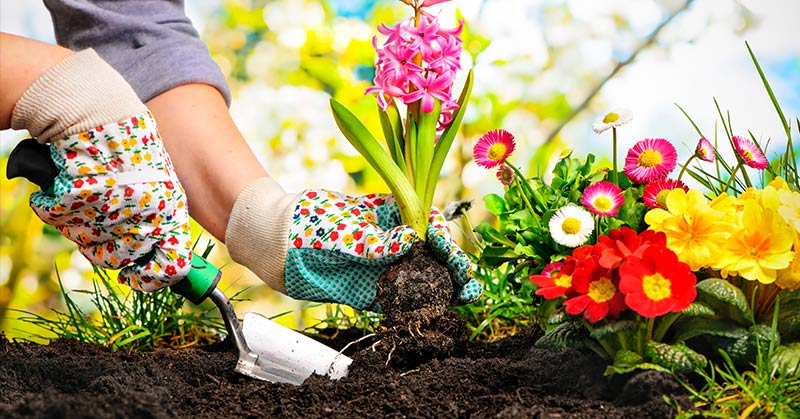
One of the first tasks on the September garden checklist is cleaning up your garden beds. As summer plants start to fade, it’s important to remove spent annuals, deadhead perennials, and clear away any debris that could harbor pests or diseases. I always make a point to get this done early in the month, as it not only keeps the garden looking tidy but also helps prevent issues that could carry over into the next growing season. Dead plant material left to decay on the ground can attract unwanted pests and provide a breeding ground for diseases that can overwinter in your garden.
Cleaning up your garden beds also gives you a chance to assess which plants might need dividing or moving. It’s the perfect time to make those adjustments before the cold weather sets in. Plus, removing dead and dying foliage allows your remaining plants to get the sunlight and air circulation they need to stay healthy through the fall. If you’re like me and love to compost, this cleanup also provides a great opportunity to add organic material to your compost pile, turning garden waste into rich, fertile soil for next year.
Dividing and Transplanting Perennials
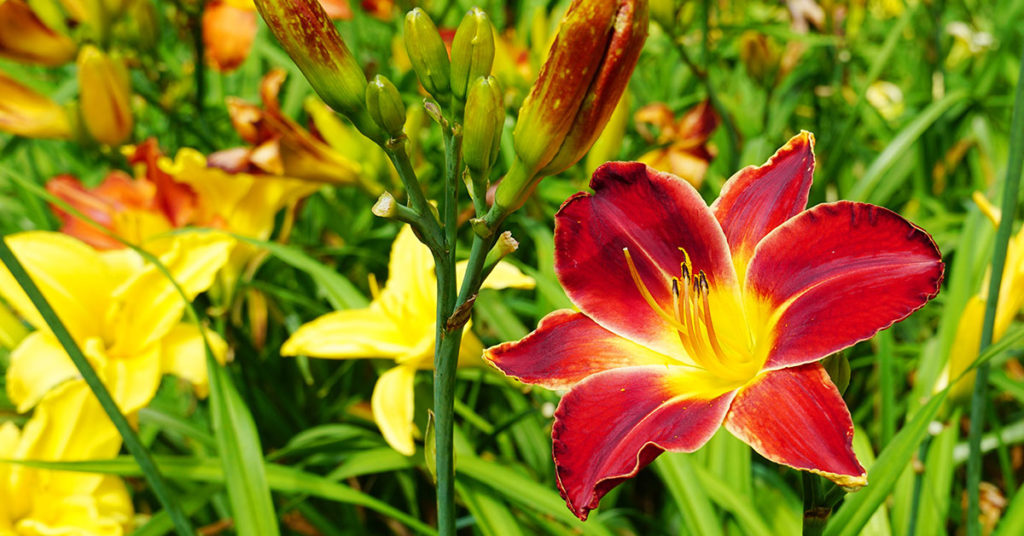
September is the perfect month for dividing and transplanting perennials that have outgrown their space. I always get a little excited when it’s time to divide perennials—it’s like getting free plants for your garden! Over time, many perennials, such as hostas, daylilies, and irises, can become crowded, which can lead to reduced blooming and overall vigor. Dividing these plants not only rejuvenates them but also allows you to fill in other areas of your garden or share them with fellow gardeners.
To divide perennials, carefully dig up the clump and use a sharp spade or knife to separate it into smaller sections. Each section should have a good mix of roots and foliage to ensure successful re-establishment. Once divided, replant the sections in well-prepared soil, spacing them appropriately to allow for future growth. Be sure to water the newly transplanted perennials thoroughly to help them settle in before the winter. This simple task can make a big difference in your garden’s health and appearance, ensuring that your perennials continue to thrive for years to come.
Planting Fall Vegetables
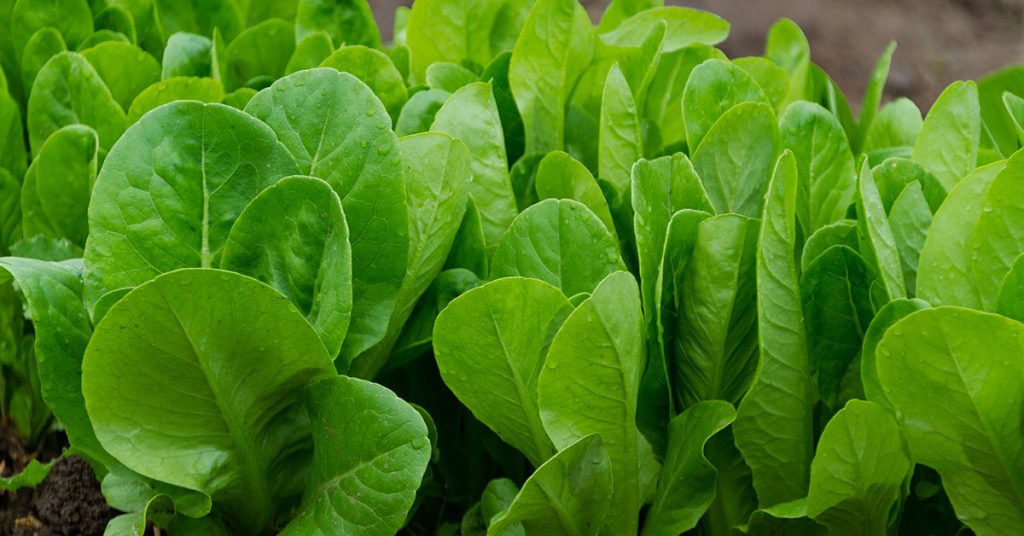
September is an excellent time to plant cool-season vegetables that will thrive in the crisp autumn air. If you’re anything like me, you love the idea of extending the harvest season as long as possible, and fall veggies like kale, spinach, and radishes are perfect for this. These vegetables are not only hardy but also tend to have better flavor when grown in cooler temperatures. I find that the cool weather actually enhances the sweetness of many fall crops, making them even more delicious.
When planting fall vegetables, choose varieties that mature quickly and can withstand the first light frosts. Prepare your garden beds by adding compost or other organic matter to boost the soil’s fertility. It’s important to keep the soil consistently moist, especially during the early stages of growth, as this helps the seeds germinate and the young plants establish strong roots. With a little care, your fall garden can be just as productive and rewarding as your summer one, providing fresh produce well into the colder months.
Pruning Shrubs and Trees
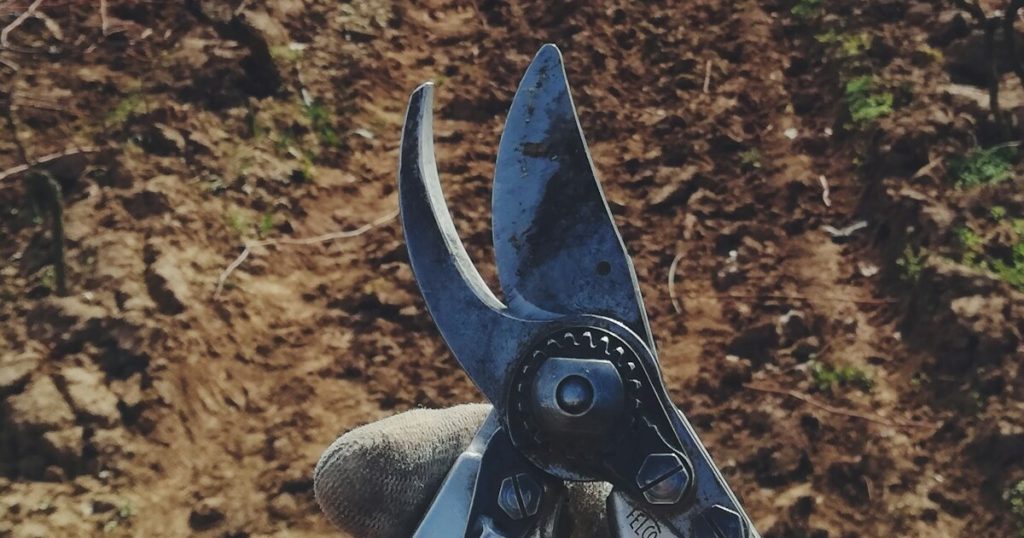
Pruning is a key task in September, particularly for shaping shrubs and trees before they go dormant. I always enjoy this part of garden maintenance—it’s a bit like giving your plants a haircut, helping them look their best while also promoting healthy growth. Pruning in September allows you to remove any dead, diseased, or damaged branches, which can prevent problems in the future. It’s also a good time to shape plants that have become overgrown, ensuring they maintain a neat and attractive appearance throughout the fall and winter.
When pruning, be sure to use sharp, clean tools to make clean cuts, which will heal more quickly and reduce the risk of disease. Focus on removing any crossing branches that could rub against each other and cause damage, as well as thinning out dense areas to improve air circulation. Be careful not to prune too late into the fall, as new growth that emerges may not have time to harden off before the first frost. By taking the time to prune now, you’re helping your shrubs and trees stay healthy and strong through the winter and ensuring they’re ready to put on a great show next spring.
Caring for the Lawn

Your lawn may be looking a little tired after a long summer, but September is the perfect time to give it some much-needed attention. I’ve found that early fall is ideal for lawn care because the cooler temperatures and increased moisture levels create perfect conditions for grass to recover and thrive. One of the best things you can do for your lawn this month is to aerate it. Aeration helps relieve soil compaction, allowing water, nutrients, and air to reach the grassroots more effectively.
In addition to aerating, consider overseeding your lawn to fill in any thin or bare spots. This is also the time to apply a slow-release fertilizer to give your grass the nutrients it needs to build strong roots before winter. Be sure to water your lawn regularly after fertilizing and overseeding to help the new grass establish. By taking care of your lawn in September, you’re setting it up for success in the spring, ensuring it comes back lush and green when the warm weather returns.
Planting Spring Bulbs

September is the perfect time to start thinking about next year’s garden by planting spring bulbs. There’s something magical about planting bulbs in the fall, knowing that they’ll be among the first flowers to greet you when spring arrives. Tulips, daffodils, and crocuses are just a few of the many bulbs you can plant this month to ensure a colorful display next year. I always look forward to this task because it feels like I’m tucking little treasures into the ground, knowing they’ll surprise me with their beauty when the time is right.
When planting bulbs, choose a sunny spot with well-drained soil. Plant the bulbs at a depth of about three times their height, with the pointed end facing up. Be sure to space them according to the recommendations on the package, giving them enough room to grow and multiply over the years. After planting, water the bulbs well to help them settle in, and consider adding a layer of mulch to protect them from extreme cold. With a little effort now, you’ll be rewarded with a stunning display of spring flowers that will brighten your garden and lift your spirits after a long winter.
Mulching and Protecting Plants

As the weather starts to cool, mulching becomes an important task to help protect your plants through the winter. Mulch acts as a blanket for your garden beds, insulating the soil and regulating its temperature. I’ve found that a good layer of mulch can make all the difference in helping plants survive the cold and come back strong in the spring. It also helps retain moisture, which is particularly important as the days get shorter and drier.
When applying mulch, be sure to spread it evenly around your plants, keeping it a few inches away from the stems to prevent rot. Use organic materials like shredded leaves, straw, or compost, which will break down over time and enrich the soil. In addition to protecting perennials and shrubs, mulch can also help suppress weeds, reducing the amount of maintenance you’ll need to do in the spring. With a little effort now, you can ensure your garden is well-protected and ready to burst into life when the warm weather returns.
Harvesting and Preserving Herbs
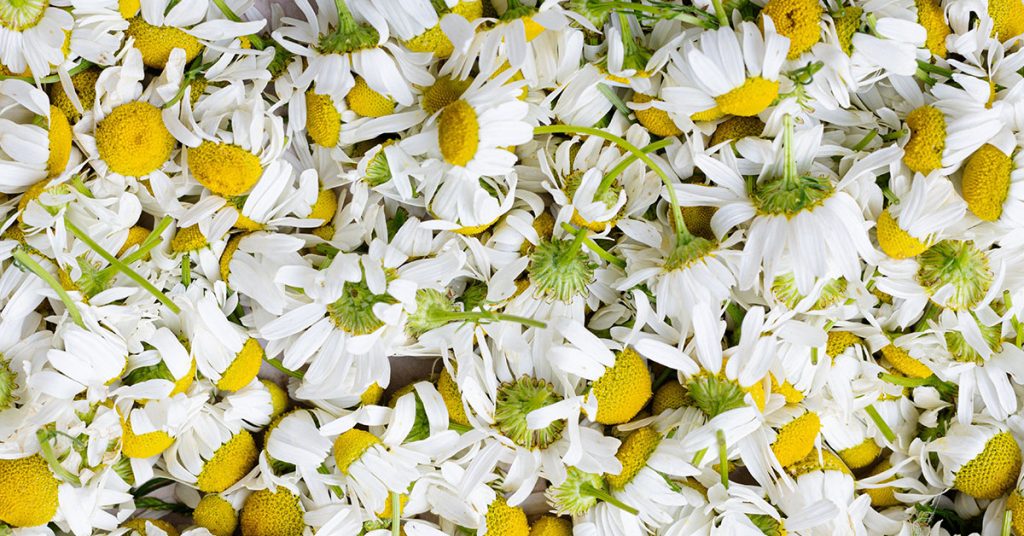
September is a great time to harvest the last of your summer herbs before the first frost hits. If you’re like me and love cooking with fresh herbs, you’ll want to make the most of what’s left in your garden. Herbs like basil, oregano, thyme, and rosemary can be harvested and preserved in a variety of ways, ensuring you have their fresh flavors available throughout the winter. I find it incredibly satisfying to snip fresh herbs right before they lose their potency, knowing I’ll be able to enjoy their flavors long after the garden has gone to sleep.
To preserve herbs, you can dry them, freeze them, or even make herb-infused oils and vinegars. Drying is simple—just tie the herbs into small bundles and hang them in a cool, dry place until they’re crispy. Freezing is another great option, especially for herbs like basil, which retain more flavor when frozen than dried. You can chop the herbs and freeze them in ice cube trays with a little water or oil, making them easy to use in cooking later on. By harvesting and preserving your herbs now, you’ll have a taste of summer at your fingertips all winter long.
Dealing with Weeds
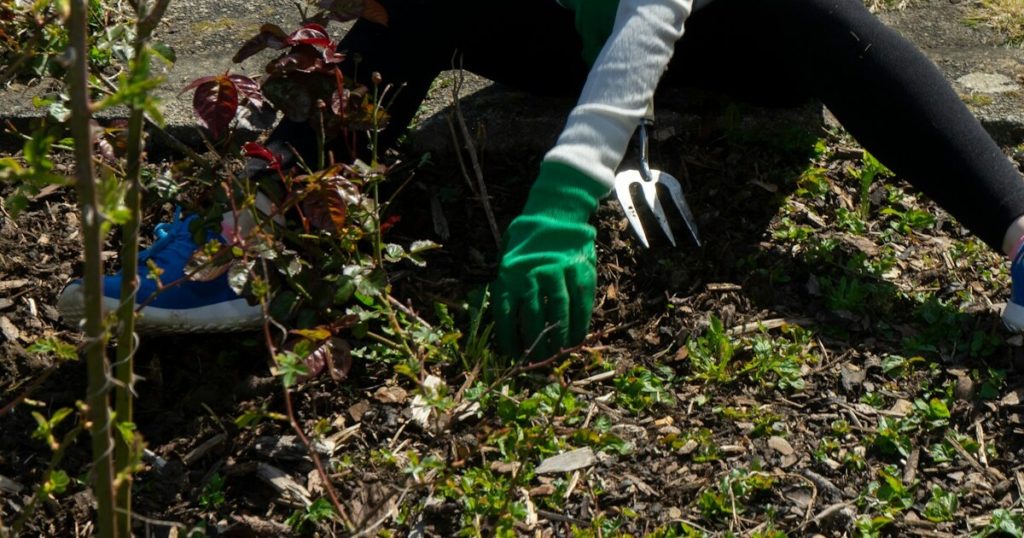
Weeds can be a persistent problem in the garden, even in September, so it’s important to stay on top of them before they have a chance to set seed. I know how frustrating it can be to see weeds popping up just as you’re trying to get your garden ready for winter, but dealing with them now can save you a lot of trouble next spring. Many weeds are prolific seed producers, and if left unchecked, they can quickly take over your garden and make it harder for your plants to thrive.
To tackle weeds, start by removing them by hand or with a hoe, making sure to get the roots to prevent them from coming back. For larger areas, consider using a mulch or ground cover to suppress weed growth. Be careful with chemical weed killers, as they can harm your garden plants and disrupt the ecosystem. By taking the time to weed your garden in September, you’ll be setting the stage for a healthier, more manageable garden next year. Plus, your plants will thank you for the extra space and resources they’ll gain once the weeds are gone.