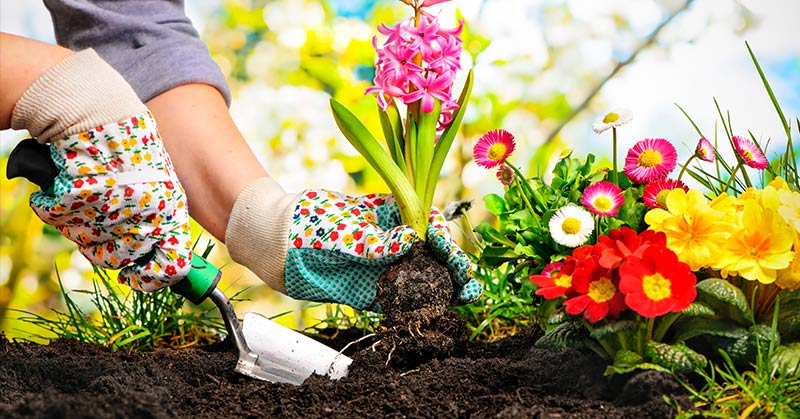

September might be the start of cooler weather and shorter days, but that doesn’t mean your garden has to lose its charm! In fact, it’s one of my favorite times to enjoy the vibrant display of late-blooming flowers that bring life and color just when you need it most. If you’re anything like me, you want your garden to keep shining well into fall, with bursts of blooms that defy the season. I know how disappointing it can be to see your garden start to fade as summer ends, but with the right selection of late bloomers, you can keep that gorgeous display going strong.
Late-blooming flowers are not only a feast for the eyes, but they also provide essential nectar and pollen for pollinators as they prepare for the colder months. From asters to sedum, these resilient beauties keep your garden buzzing with activity and color, extending the joy of the growing season. So, let’s dive into some of my top picks for late-blooming flowers that will keep your garden looking spectacular in September and beyond. You’ll be amazed at how much life you can bring to your space with just a few well-chosen plants!
Asters: The Stars of the Fall Garden

Asters are truly the stars of the fall garden, bursting into bloom just as many other flowers are beginning to fade. Native to North America and Eurasia, these lovely perennials are known for their daisy-like flowers in shades of purple, pink, blue, and white, each with a cheerful yellow center. What I love most about asters is how they attract a wide range of pollinators, including bees, butterflies, and other beneficial insects that rely on late-season blooms for sustenance. If you’ve ever felt that your garden lacks a bit of late-season pizzazz, asters are here to save the day!
Asters are incredibly versatile and can thrive in a variety of conditions, from full sun to part shade, and they prefer well-drained soil. They’re not invasive, but they do have a tendency to spread gradually, creating beautiful drifts of color that are perfect for borders or naturalistic plantings. I’ve found that they pair wonderfully with ornamental grasses and other late bloomers, creating a tapestry of texture and color that’s hard to beat. And the best part? They’re tough as nails and can handle the early fall frosts with grace, making them a dependable choice for extending your garden’s bloom time.
Sedum: The Succulent Superstar
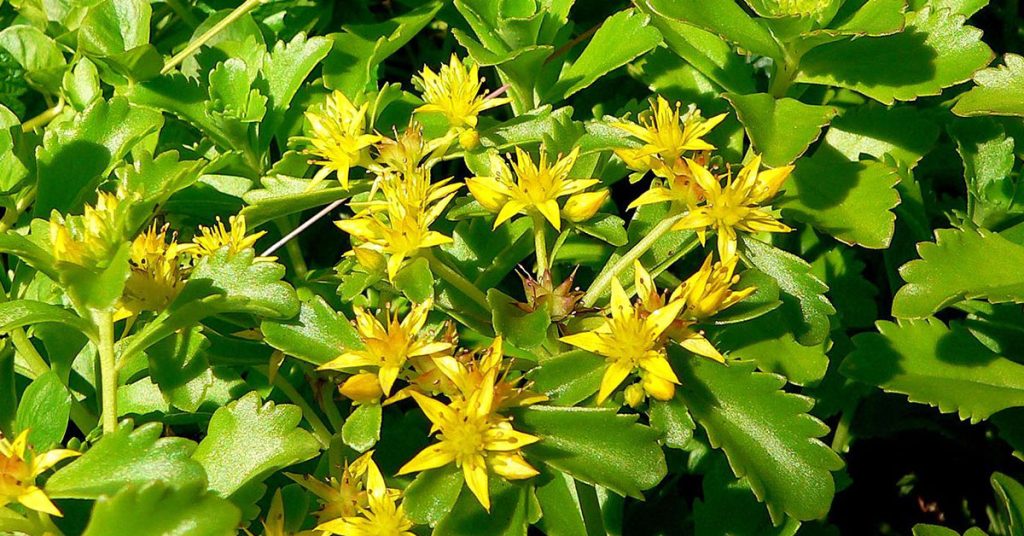
Sedum, also known as stonecrop, is a late-blooming perennial that adds both structure and color to the September garden. Native to the Northern Hemisphere, particularly in regions of Europe and Asia, sedum thrives in full sun and well-drained soil, making it perfect for rock gardens, borders, or even containers. One of my favorite varieties is ‘Autumn Joy,’ which starts with tight green buds in the summer that open to rosy pink flowers in September, eventually deepening to a rich bronze. It’s a delightful transition to watch, and the bees and butterflies seem to adore it just as much as I do!
Sedum is incredibly low-maintenance, which is a huge plus if you’re looking for a beautiful yet carefree addition to your garden. It’s not invasive, but it does spread gently, filling in gaps and creating lovely mounds of succulent foliage topped with blooms. The flowers last well into the fall, providing late-season interest and a critical food source for pollinators. And let’s not forget, sedum’s fleshy leaves are drought-tolerant, making it an excellent choice for those sunny spots where other plants might struggle. With sedum, you get beauty, resilience, and a little bit of magic that carries your garden gracefully into autumn.
Japanese Anemones: Graceful Elegance
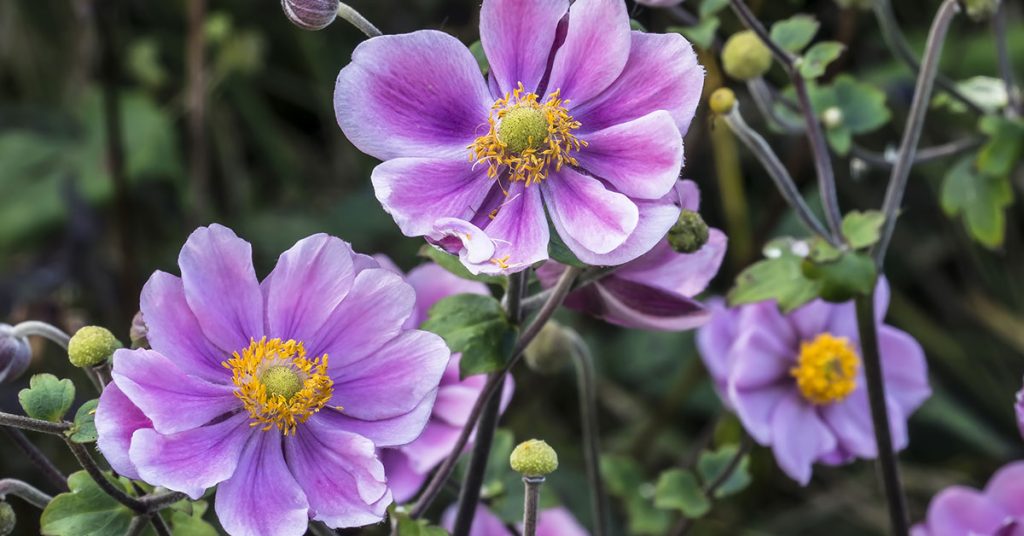
Japanese anemones, also known as windflowers, are like delicate dancers gracing the September garden with their elegant blooms. Native to China and naturalized in Japan, these perennials are known for their tall, graceful stems topped with white or pink flowers that sway gently in the breeze. I’ve always been captivated by their simplicity and charm—they seem to float above the foliage, adding a soft, romantic touch to garden beds and borders. They’re not invasive, but they can spread over time, forming beautiful colonies that return year after year.
Japanese anemones prefer part shade and rich, well-drained soil, making them a wonderful choice for those slightly shaded areas of your garden that need a lift. They’re a fantastic late-season bloomer, providing not only visual interest but also nectar for late-flying butterflies. I’ve often seen them paired with hostas and ferns, creating a lush, woodland feel that’s perfect for transitioning the garden from summer to fall. And the best part? They’re hardy and resilient, bouncing back each year with even more blooms to enjoy.
Helenium: The Sunburst Perennial
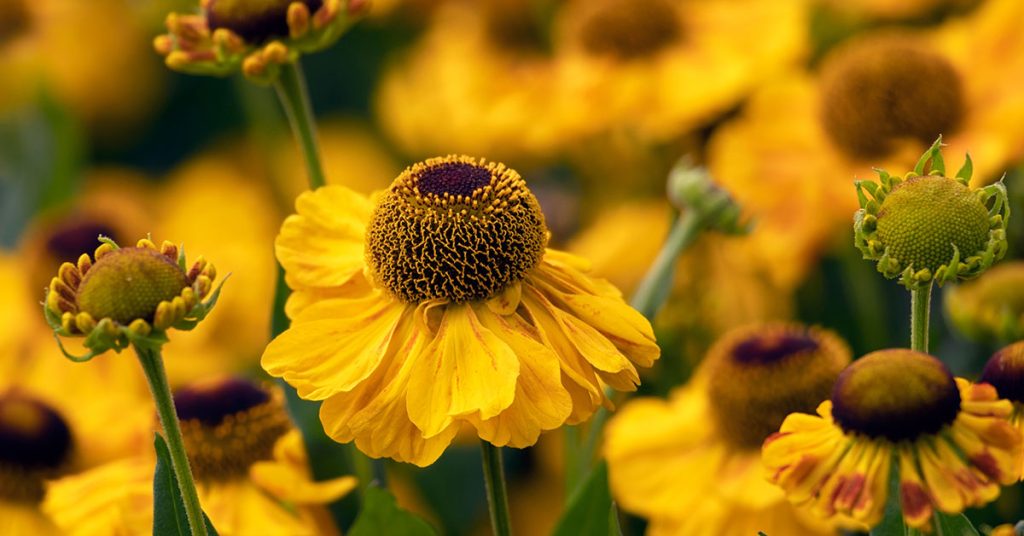
Helenium, also known as sneezeweed, is a fantastic late-bloomer that brings a burst of warm color to the September garden. Native to North America, this perennial is known for its daisy-like flowers in vibrant shades of yellow, orange, and red, making it a perfect complement to the changing foliage of fall. Helenium isn’t invasive, but it does form tidy clumps that can be divided every few years to keep them looking their best. I always get a thrill from seeing helenium’s fiery blooms light up the garden like tiny suns, especially when everything else seems to be winding down!
This sun-loving plant thrives in full sun and well-drained soil, and it’s fairly low-maintenance once established. It’s also a magnet for bees and butterflies, providing a much-needed source of nectar as they prepare for the colder months. If you’re looking to add a splash of color that echoes the warmth of the season, helenium is a wonderful choice. Plus, it’s deer-resistant, which is always a bonus in my book! Just be sure to deadhead spent blooms to encourage continuous flowering, and your garden will be glowing well into the fall.
Russian Sage: The Tough Beauty
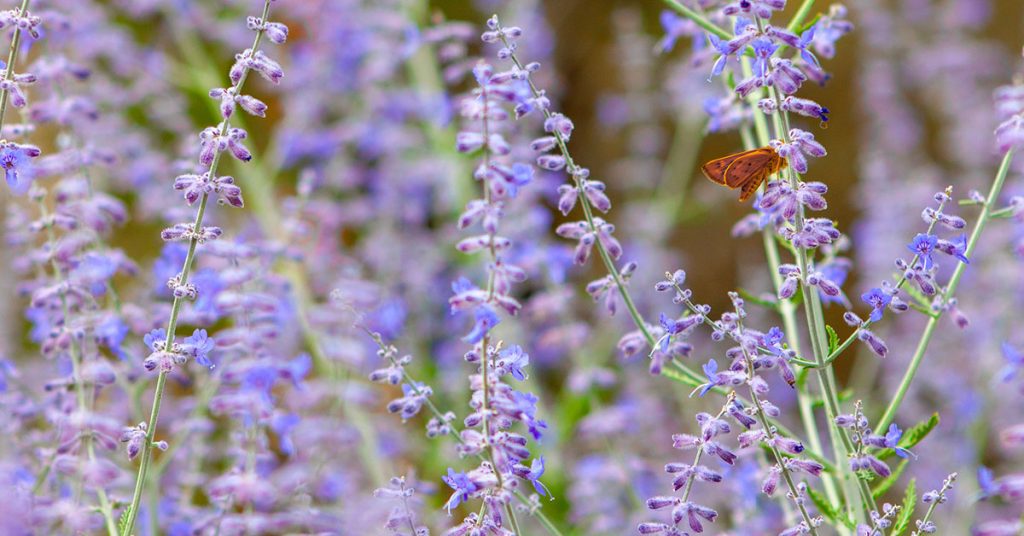
Russian sage is one of those plants that just keeps on giving, with its long spikes of lavender-blue flowers that seem to last forever. Native to the steppes of Central Asia, Russian sage is incredibly tough and thrives in hot, dry conditions where other plants might struggle. It’s not invasive, but it can spread nicely to create a bold statement in the garden. I love how it adds a touch of wildness with its wispy, silvery foliage and airy blooms that sway beautifully in the breeze—plus, the bees absolutely go wild for it!
Russian sage prefers full sun and well-drained soil, making it perfect for those tricky spots that tend to dry out quickly. It’s incredibly drought-tolerant once established, and its long blooming season from midsummer into the fall makes it a star player in any garden. I’ve often seen it paired with echinacea or rudbeckia, creating a striking contrast that’s both eye-catching and harmonious. If you’re looking for a plant that delivers on both beauty and resilience, Russian sage is a must-have for your September garden.
Goldenrod: A Pollinator Paradise
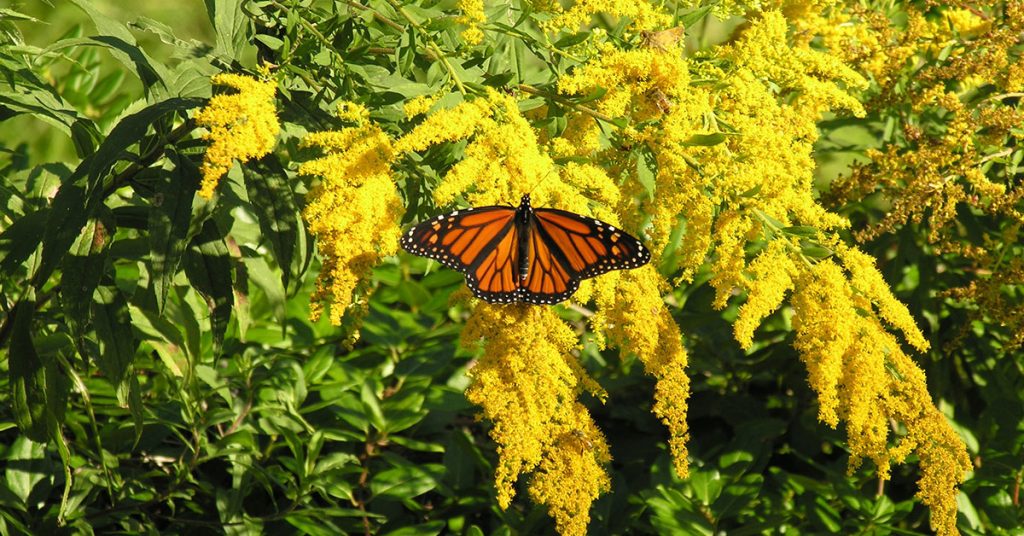
Goldenrod often gets a bad rap for being mistakenly blamed for allergies, but in reality, this native North American perennial is a powerhouse in the garden. With its bright yellow plumes, goldenrod provides a stunning display of color in September, attracting an array of pollinators including bees, butterflies, and beneficial insects. It’s not invasive, although it can spread, creating beautiful golden drifts that brighten up any garden space. I’ve always been fond of goldenrod’s ability to add that quintessential touch of fall color, and it pairs beautifully with asters and other late bloomers.
Goldenrod thrives in full sun and is incredibly adaptable, tolerating poor soil and drought conditions. It’s a wonderful addition to wildflower gardens, borders, or naturalistic plantings where its bright blooms can really shine. And the best part? Goldenrod provides a crucial food source for pollinators at a time when other nectar sources are dwindling. If you’re looking to create a garden that’s as beneficial as it is beautiful, goldenrod is a fantastic choice that truly comes into its own in September.
September flower gardening doesn’t have to be a winding down of the season—instead, it can be a vibrant finale that carries your garden through to the very last days of fall. By choosing the right late-blooming beauties, you’ll keep your garden buzzing with life and color, making every moment spent in your space a joy.