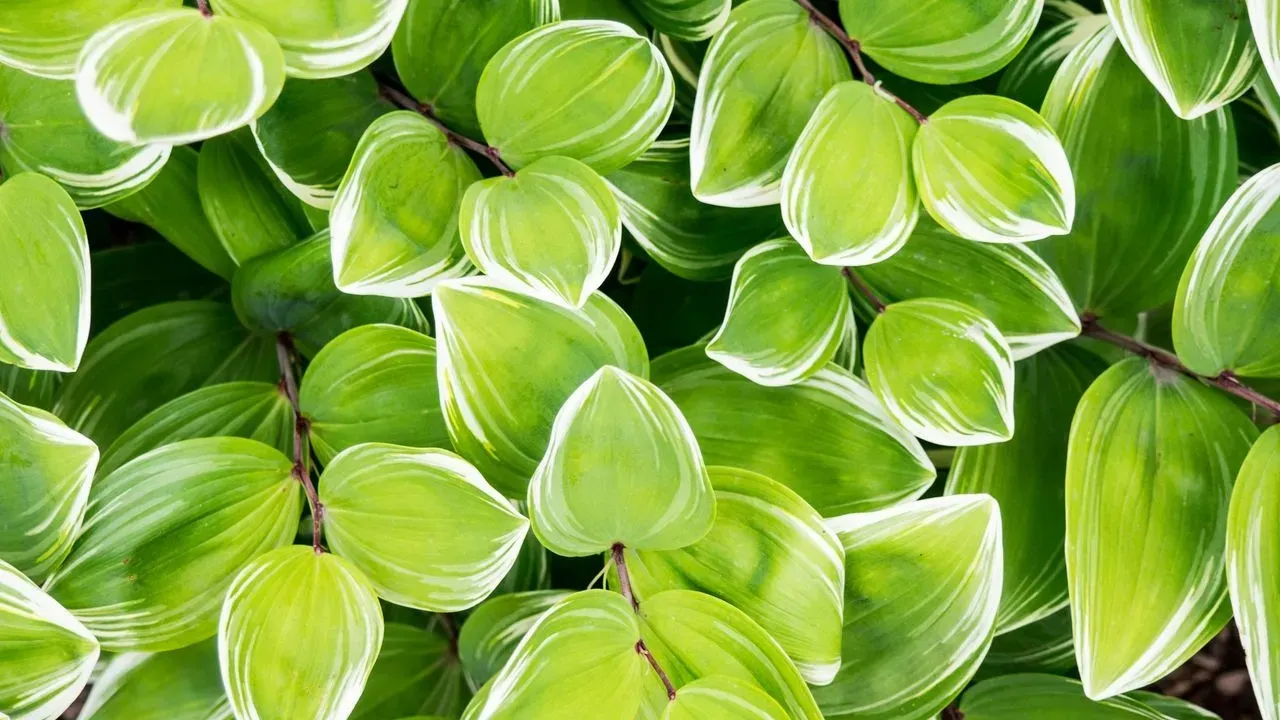

Gardeners frequently encounter persistent frustration in areas where sunlight barely reaches the ground, leaving once-promising beds barren or overgrown with weeds. These problem spots test even experienced hands, yet certain plants consistently perform where others fail. Experts have long pointed to sedges and sages as reliable choices that handle deep shade and demanding conditions without constant intervention ([1]).
Why Deep Shade Creates Lasting Headaches
Many homeowners and landscapers invest time and resources only to watch plants stretch, weaken, or die in low-light zones. The lack of sun limits photosynthesis, slows growth, and invites moisture-related issues that compound over seasons. Affected areas often include north-facing borders, spaces under dense tree canopies, or narrow passages between buildings.
These locations remain cool and damp, conditions that favor only the most adaptable species. Without suitable plants, the result is wasted effort and visual gaps that detract from the rest of the garden.
Sedges Deliver Reliable Coverage
Sedges bring a grass-like texture that fills gaps effectively while tolerating minimal light. Their fibrous root systems help stabilize soil in spots where erosion or compaction might otherwise occur. Gardeners value them for maintaining structure through changing weather without heavy maintenance.
Many varieties stay evergreen or semi-evergreen, providing year-round presence that reduces the need for seasonal replanting. This resilience turns overlooked corners into steady contributors rather than ongoing liabilities.
Sages Offer Unexpected Durability
Certain sages adapt well beyond their typical sunny preferences, holding their own in deeper shade. They resist common shade-related problems such as rot or leggy growth when given proper drainage. Their aromatic foliage adds sensory interest even when blooms are limited by low light.
This combination of toughness and subtle appeal makes them practical additions for gardeners seeking low-input solutions. Over time, established plants can suppress weeds naturally, easing long-term upkeep.
Putting These Plants to Work
Successful placement starts with assessing soil moisture and drainage before planting. Grouping sedges and sages together creates layered interest that mimics natural woodland edges. A short list of practical steps includes:
– Preparing the site by loosening compacted soil and adding organic matter.
– Spacing plants to allow air circulation while achieving quick coverage.
– Watering consistently during the first season to encourage root development.
– Monitoring for any signs of stress and adjusting as needed in subsequent years.
These measures help ensure the plants establish quickly and continue performing. The right choices in difficult shade transform neglected spaces into functional, attractive parts of the landscape. Gardeners who focus on proven performers like sedges and sages often find their efforts rewarded with fewer disappointments and more consistent results across seasons.
AI Disclaimer: This article was created with the assistance of AI tools and reviewed by a human editor.