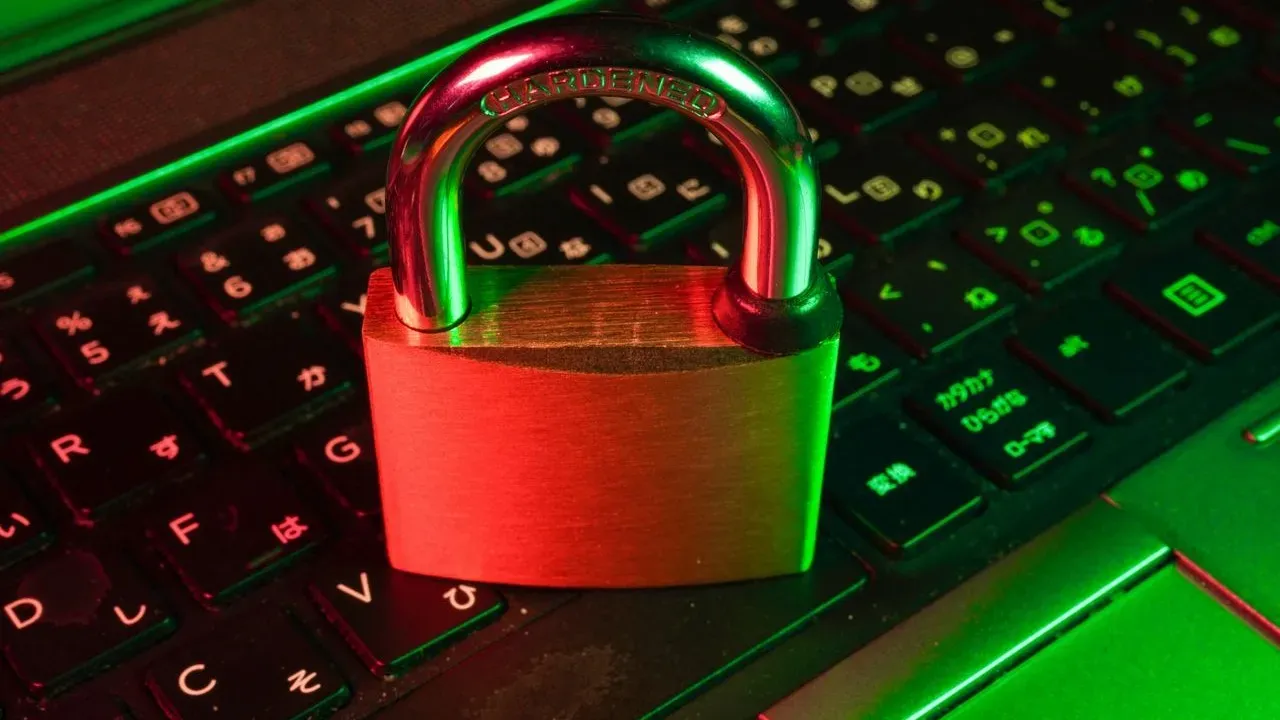

Social media users often capture and share images of their homes, gardens, and daily routines without a second thought. Yet those same posts can reveal enough detail about a house key for someone with technical skills to produce a working copy. The concern centers on how little information is actually required and how fast the process can move once the image is available.
The Practical Risk in Routine Sharing
Homeowners who post pictures that happen to show keys on a table, in a hand, or hanging near a door create an unintended record. The image can capture the shape, cuts, and even the brand markings on the key. Once that visual data exists online, it becomes accessible to anyone who knows how to extract and use it. The result is a direct path from a casual post to a physical duplicate that could open the original lock.
How Quickly the Process Can Unfold
Evan Ottinger, a security specialist with experience in these techniques, has noted that a seasoned operator can finish the entire task in as little as 15 minutes. The steps involve analyzing the photo for measurements, preparing a digital model, and then producing the key through common fabrication methods. No physical access to the original key is needed once the image provides the necessary details. This short timeframe underscores why the exposure matters even for a single shared photograph.
Who Faces the Greatest Exposure
The issue affects everyday residents who document their properties online, particularly those active in home and garden communities. Real estate listings, family updates, and renovation progress posts frequently include incidental views of keys. Renters and owners alike can find themselves in the same position if they do not review images before uploading. The vulnerability is not limited to high-profile individuals; it applies to anyone whose keys appear in a publicly viewable photo.
Steps to Limit Unintended Exposure
Residents can reduce the chance of this type of incident through straightforward habits.
- Review every photo for visible keys before posting.
- Crop or edit images to remove any key details when they appear.
- Store keys out of frame when taking pictures inside or near the home.
- Consider using key covers or keeping them in a separate location during photography sessions.
Key points to remember
Photos shared online can contain enough information for rapid key duplication. The process can take as little as 15 minutes according to expert assessment. Simple review habits before posting lower the chance of exposure.
Homeowners who remain mindful of what appears in their shared images can avoid creating an easy opportunity for unauthorized access.
AI Disclaimer: This article was created with the assistance of AI tools and reviewed by a human editor.