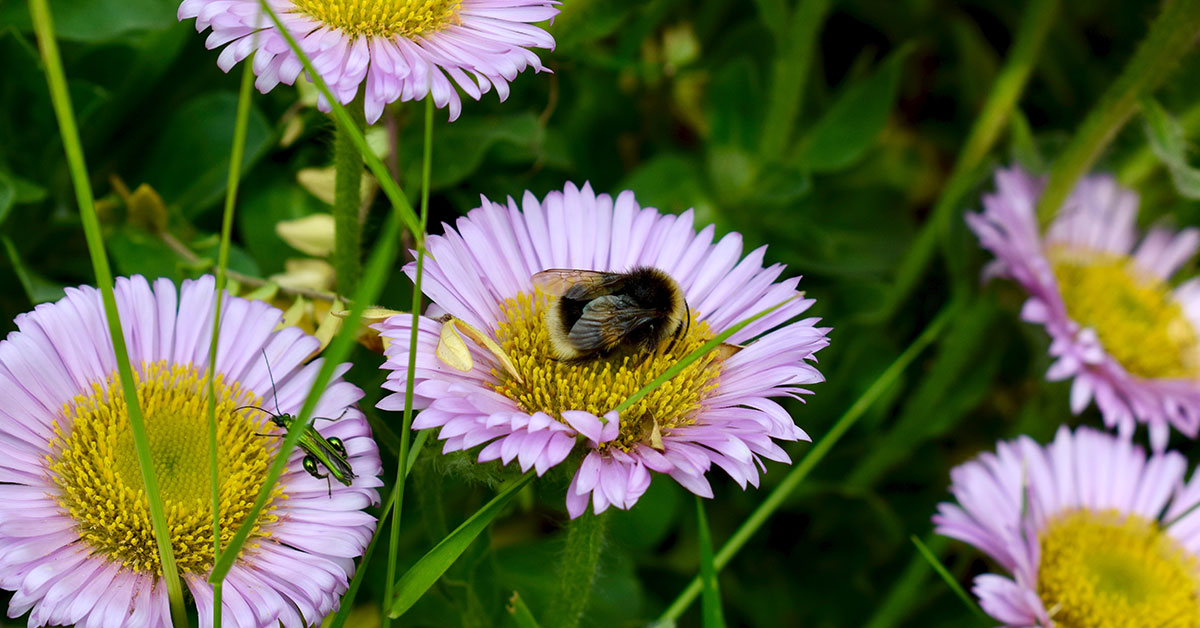

Seaside Daisy, also known as Erigeron glaucus, is a beautiful perennial plant that thrives in coastal regions. This vibrant daisy-like flower is native to the Pacific coast and can be found growing on sandy beaches, rocky cliffs, and along coastal bluffs.
Known for its hardiness and ability to withstand salty sea spray, Seaside Daisy is a popular choice for gardeners looking to add a pop of color and texture to their landscape. We will take a closer look at this stunning plant and explore its unique features and growing requirements.
What is a Seaside Daisy?
Seaside Daisy is a beautiful plant that is native to the western coast of North America. It is commonly found growing along the Pacific Coast from British Columbia to California, where it thrives in sandy soils, dunes, and rocky cliffs.
Also known as beach aster, seaside fleabane, and seaside ageratum, this perennial plant belongs to the Asteraceae family and produces daisy-like flowers that bloom in shades of pink, purple, blue, and white. The flowers have a yellow center and are about 1-2 inches in diameter. The plant grows up to 1-2 feet tall and spreads up to 3 feet wide.
The foliage of Seaside Daisy is evergreen, meaning it retains its green leaves throughout the year. The leaves are narrow, lance-shaped, and slightly hairy, providing a beautiful contrast to the colorful flowers.
Seaside Daisy is a popular choice for coastal gardens, as it is tolerant of salt spray and windy conditions. It is also a great plant for attracting pollinators such as bees and butterflies.
In addition to its aesthetic qualities, Seaside Daisy has medicinal properties. It has been traditionally used by Native Americans to treat a variety of ailments, including respiratory problems, skin conditions, and digestive issues.
It is a wonderful plant that adds beauty and diversity to coastal landscapes. Its hardiness, low maintenance, and medicinal properties make it a great choice for gardeners and nature enthusiasts alike.
Where are Seaside Daisies native?
Seaside Daisy, also known as Erigeron glaucus, is a beautiful flowering plant that is native to the west coast of North America. It is commonly found in California, but it can also be found in Oregon and Washington.
In California, Seaside Daisy can be found along the coast from Mendocino County in the north to San Diego County in the south. It is particularly abundant in the central and southern coastal regions of California, where it is often found growing on sandy beaches, rocky cliffs, and coastal bluffs.
In Oregon and Washington, Seaside Daisy is less common, but it can still be found in coastal habitats such as dunes, headlands, and cliffs. It is also found on offshore islands, including the San Juan Islands in Washington.
Seaside Daisy is an important part of the coastal ecosystem and provides food and habitat for a variety of insects, birds, and small mammals. It is also a popular plant for gardeners who want to create a coastal-themed garden or who simply love its delicate blooms and cheerful colors.
How to start from seed
Seaside Daisy is a native California plant that thrives in coastal regions and sandy soils. It is a beautiful, low-maintenance plant that blooms from spring to fall, producing stunning daisy-like flowers in shades of pink, purple, and white. If you’re interested in growing Seaside Daisy in your garden, starting from seed is a great option. Here’s how to go about it:
- Collect Seeds: Seaside Daisy seeds can be collected from mature plants in the fall. Look for dried flower heads with brown seeds inside. Gently shake the seeds into a container and store them in a cool, dry place until spring.
- Prepare Soil: Seaside Daisy prefers well-drained, sandy soil. If your soil is heavy or clay-like, consider adding sand or peat moss to improve drainage. You can also add a slow-release fertilizer to provide nutrients.
- Sow Seeds: Seaside Daisy seeds can be sown directly into the garden in early spring after the danger of frost has passed. Scatter the seeds over the soil and lightly press them down. Water gently to settle the soil.
- Keep Moist: Keep the soil moist but not soggy until the seeds germinate. This usually takes 7-14 days. Once the seedlings emerge, water as needed to keep the soil from drying out.
- Thin Seedlings: When the seedlings are 2-3 inches tall, thin them out to allow for proper spacing. Space them 6-12 inches apart, depending on the variety.
- Care for Seedlings: Seaside Daisy seedlings require minimal care. Water as needed to keep the soil moist and fertilize once a month with a balanced fertilizer.
- Transplant: When the seedlings are 4-6 inches tall and have several sets of leaves, they can be transplanted into their permanent location. Choose a spot with full sun and well-drained soil.
How to grow this plant
Seaside Daisy is a beautiful and popular flowering plant that is native to the West Coast of the United States. It is a hardy plant that is easy to grow, making it a great choice for gardeners of all levels of experience. Here are some tips on how to grow this plant in your garden:
- Choose the right location: Seaside Daisy needs full sun to grow well, so choose a location in your garden that receives at least 6 hours of direct sunlight every day. It also prefers well-drained soil that is slightly acidic.
- Planting: They can be planted from seeds or from nursery-grown plants. If planting from seeds, sow them directly in the ground in the spring or fall. If planting from nursery-grown plants, plant them in the ground in the spring or early summer.
- Watering: Seaside Daisy is a drought-tolerant plant that does not require a lot of water. Water it deeply once a week during the growing season, and less frequently during the winter months.
- Fertilizing: It does not require a lot of fertilizer. A light application of a balanced fertilizer in the spring should be sufficient.
- Pruning: They can become quite bushy if left to grow on its own. To keep it tidy, prune it back by half in the early spring before new growth begins.
Interesting Facts about Seaside Daisy
Seaside Daisy is a beautiful and hardy plant that is native to the Pacific coast of North America. Here are some interesting facts:
- Seaside Daisy is also known as Beach Aster, Seaside Fleabane, and Beach Aster Daisy.
- It is a perennial plant that belongs to the Asteraceae family.
- They typically grow to a height of 6 to 12 inches and spreads up to 2 feet wide.
- It is a salt-tolerant plant that can grow in poor soils.
- Seaside Daisy produces daisy-like flowers that can be pink, lavender, blue, or white in color.
- The flowers bloom from spring to summer and attract bees, butterflies, and other pollinators.
- It is a great plant for coastal gardens and is often used in rock gardens, containers, and as a ground cover.
- They are easy to care for and require little maintenance. It prefers full sun to partial shade and well-draining soil.
- It is a great plant for erosion control and helps to stabilize soil on steep slopes and cliffs.
It is a beautiful and beneficial plant that is worth adding to your garden or landscape. With its hardy nature and attractive flowers, it is sure to be a favorite among gardeners and nature lovers alike.