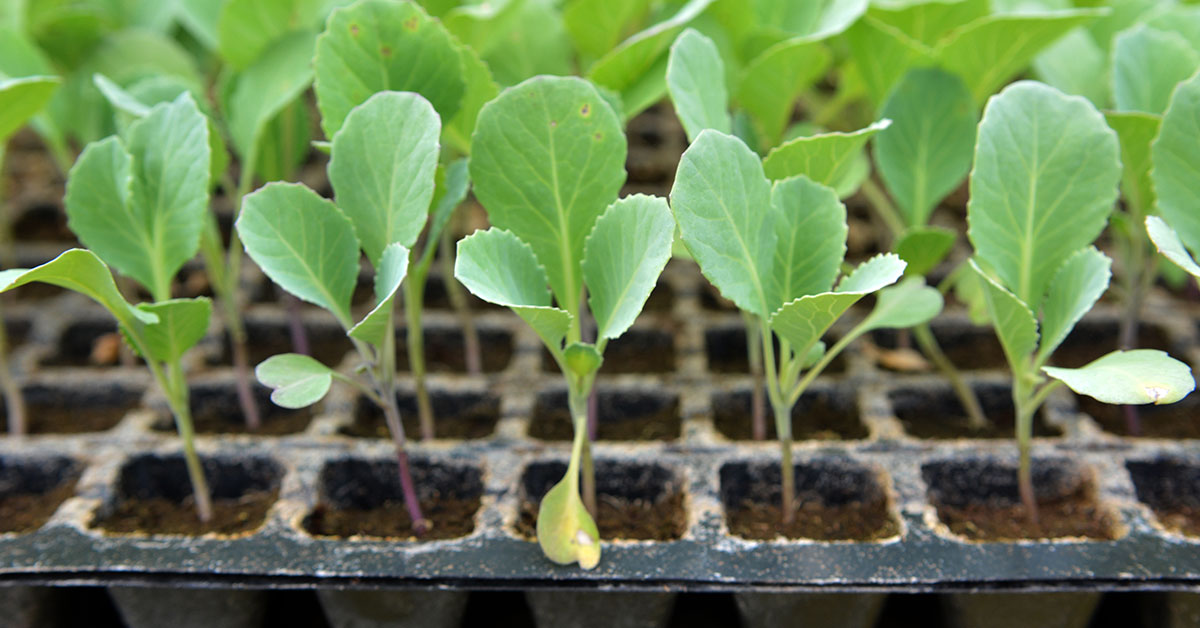

Savoy cabbage is a leafy green vegetable that is as delicious as it is versatile. With its crinkled leaves and vibrant green color, Savoy cabbage stands out among its cabbage counterparts. This cruciferous vegetable is not only packed with nutrients, but it also adds a delightful crunch and flavor to various dishes.
Whether you are a seasoned gardener or a beginner looking to explore new vegetables to grow, Savoy cabbage is a fantastic addition to any garden. In this article, we will delve into the fascinating world of Savoy cabbage, exploring its origins, nutritional benefits, how to grow it successfully, and ways to incorporate it into your culinary adventures. Get ready to discover the wonders of Savoy cabbage and unlock its potential in your garden and kitchen.
What is a Savoy Cabbage?
A Savoy cabbage is a type of cabbage that is known for its crinkled and wrinkled leaves. It belongs to the Brassica oleracea species, which also includes other cabbage varieties like green cabbage, red cabbage, and Brussels sprouts. The leaves of a Savoy cabbage are typically deep green in color and have a curly texture, with the outer leaves being more pronounced in their wrinkled appearance compared to the inner leaves.
The crinkled leaves give the cabbage a unique and attractive appearance, setting it apart from other types of cabbages. Savoy cabbage has a mild and delicate flavor, making it a versatile ingredient in various culinary preparations. It can be enjoyed both raw and cooked. When eaten raw, the leaves have a crisp and refreshing taste, perfect for adding to salads or coleslaw.
When cooked, Savoy cabbage becomes tender and develops a slightly sweeter flavor, making it a great addition to soups, stews, stir-fries, or simply steamed as a side dish. One of the benefits of Savoy cabbage is its nutritional value. It is low in calories and fat while being high in fiber, vitamins C and K, as well as minerals like potassium and calcium. It is also rich in antioxidants, which help protect the body against harmful free radicals.
When growing Savoy cabbage in your garden, it is important to provide it with well-drained soil and ample sunlight. The cabbage plants require regular watering and benefit from fertilization during their growth period. Harvesting can be done when the heads are firm and dense, usually around 80-100 days after planting. Overall, a Savoy cabbage is a delicious and nutritious vegetable that can add a touch of elegance to your garden and culinary creations.
What does Savoy Cabbage taste like?
A Savoy cabbage has a distinct and delicious taste that sets it apart from other varieties of cabbage. It is known for its tender leaves and mild flavor. When cooked, Savoy cabbage has a slightly sweet and earthy taste, with a hint of nuttiness. It is less bitter compared to other cabbage varieties, making it more palatable for those who are not particularly fond of the strong cabbage flavor. The texture of the leaves is delicate and crinkly, which adds a pleasant crunch to dishes. Whether it is used in soups, stir-fries, salads, or simply steamed, Savoy cabbage adds a refreshing and subtly sweet flavor that enhances the overall taste of a dish.
How to start from seed
Starting a Savoy cabbage from seed is a relatively straightforward process. Here is a step-by-step guide to help you get started:
- Choose the right time: Savoy cabbage is a cool-season crop, so it’s best to start seeds indoors 6-8 weeks before the last expected frost in your area. This will give the seedlings enough time to grow and be ready for transplanting outdoors.
- Gather supplies: You will need a seed tray or small pots, seed starting mix, seeds, a watering can or spray bottle, and a clear plastic cover or plastic wrap.
- Prepare the seed tray or pots: Fill the tray or pots with a good quality seed starting mix. Make sure the mix is moist but not waterlogged. You can lightly tamp it down to create a firm surface for the seeds.
- Sow the seeds: Plant 2-3 seeds per pot or space them out in the seed tray, about ¼ inch deep. Cover the seeds with a thin layer of seed starting mix and gently press it down.
- Provide proper conditions: Place the seed tray or pots in a warm location with indirect sunlight or under a grow light. The ideal temperature for germination is around 70°F (21°C). Make sure to keep the soil consistently moist but not saturated. You can use a watering can or spray bottle to water the seeds gently.
- Maintain humidity: To help create a humid environment, cover the seed tray or pots with a clear plastic cover or plastic wrap. This will help retain moisture and promote germination. Once the seeds have sprouted, remove the cover to prevent excessive humidity and mold growth.
- Monitor and care for the seedlings: As the seedlings emerge, ensure they receive adequate light. If using artificial light, keep it 2-3 inches above the seedlings and adjust the height as they grow. Rotate the trays or pots regularly to prevent the seedlings from leaning towards the light source.
- Transplanting: When the seedlings have developed 3-4 true leaves and are about 4-6 inches tall, they are ready to be transplanted outdoors. Harden off the seedlings by gradually exposing them to outdoor conditions for a week before planting.
- Outdoor planting: Choose a sunny location in your garden with well-drained soil. Dig holes slightly larger than the root ball and plant the seedlings, spacing them about 18-24 inches apart. Ensure the soil is firm around the seedlings and water them well after transplanting.
- Care and maintenance: Savoy cabbage requires consistent moisture, so water regularly, especially during dry periods. Mulching around the plants can help conserve moisture and suppress weed growth. Fertilize the plants every 2-3 weeks with a balanced fertilizer to promote healthy growth.
- Harvesting: Savoy cabbage typically takes around 80-100 days to mature. Harvest the heads when they are firm and fully developed, but before they split or become too woody. Cut the heads at the base of the plant, leaving a few outer leaves intact.
By following these steps, you should be able to successfully start and grow your own Savoy cabbage plants. Happy gardening!
Planting and growing Savoy Cabbage
To plant and grow a Savoy cabbage, follow these steps:
- Choose the right time: Savoy cabbage is a cool-season crop, so it’s best to plant it in early spring or late summer for a fall harvest. Ensure that the soil temperature is around 60°F (15°C).
- Select a suitable location: Find a sunny spot in your garden that receives at least 6 hours of direct sunlight per day. The soil should be well-draining, fertile, and rich in organic matter.
- Prepare the soil: Remove any weeds and debris from the area. Loosen the soil using a garden fork or tiller, breaking up any clumps and removing large stones. Add compost or well-rotted manure to improve the soil’s fertility and drainage.
- Start seeds indoors (optional): Savoy cabbage can be started indoors 4-6 weeks before the last expected frost date. Plant the seeds in seed trays or pots filled with seed-starting mix. Keep the soil moist and place the trays/pots in a warm location with plenty of light.
- Direct sowing: If you prefer, you can directly sow the seeds in the garden. Make shallow rows about ¼ inch deep and space the seeds 12-18 inches apart. Cover the seeds lightly with soil and water gently.
- Watering: Keep the soil consistently moist but not waterlogged. Cabbage plants need regular watering, especially during dry periods. Avoid overhead watering to prevent the spread of diseases.
- Thinning: Once the seedlings have grown a few inches tall, thin them out to provide enough space for each plant to grow. Space the seedlings 12-18 inches apart, depending on the variety’s recommendations.
- Mulching: Apply a layer of organic mulch around the plants to conserve moisture, suppress weeds, and regulate soil temperature. Straw, shredded leaves, or compost make excellent mulch options.
- Fertilizing: Feed the cabbage plants with a balanced organic fertilizer every 3-4 weeks or as per the manufacturer’s instructions. Alternatively, you can use a slow-release granular fertilizer at planting time.
- Pests and diseases: Keep an eye out for common cabbage pests like cabbage worms, aphids, and slugs. Use organic pest control methods or companion planting to deter pests. Watch for signs of diseases such as clubroot and downy mildew, and take appropriate preventive measures.
- Harvesting: Savoy cabbage takes around 80-100 days to mature. Harvest the heads when they are firm and solid by cutting them at the base with a sharp knife. Leave the outer leaves intact to protect the inner cabbage.
By following these steps, you can successfully plant and grow Savoy cabbage in your garden. Enjoy the process and the delicious, nutritious cabbages you’ll be able to harvest!
When to harvest
The best time to harvest a Savoy cabbage is when the heads are firm and have reached their full size. This typically occurs around 70-90 days after transplanting or 100-120 days after sowing the seeds. The exact timing may vary depending on the specific variety and growing conditions.
To determine if a Savoy cabbage is ready for harvest, gently squeeze the head to check for firmness. The outer leaves should be tightly packed and feel solid. Additionally, the head should have reached a good size, usually around 6-8 inches in diameter.
It’s important not to wait too long to harvest Savoy cabbage, as they can become over-mature and lose their texture and flavor. If you notice the outer leaves beginning to yellow or split, it’s a sign that the cabbage is past its prime and should be harvested immediately.
To harvest, use a sharp knife or garden shears to cut the cabbage head just above the base, leaving a few outer leaves attached for protection.