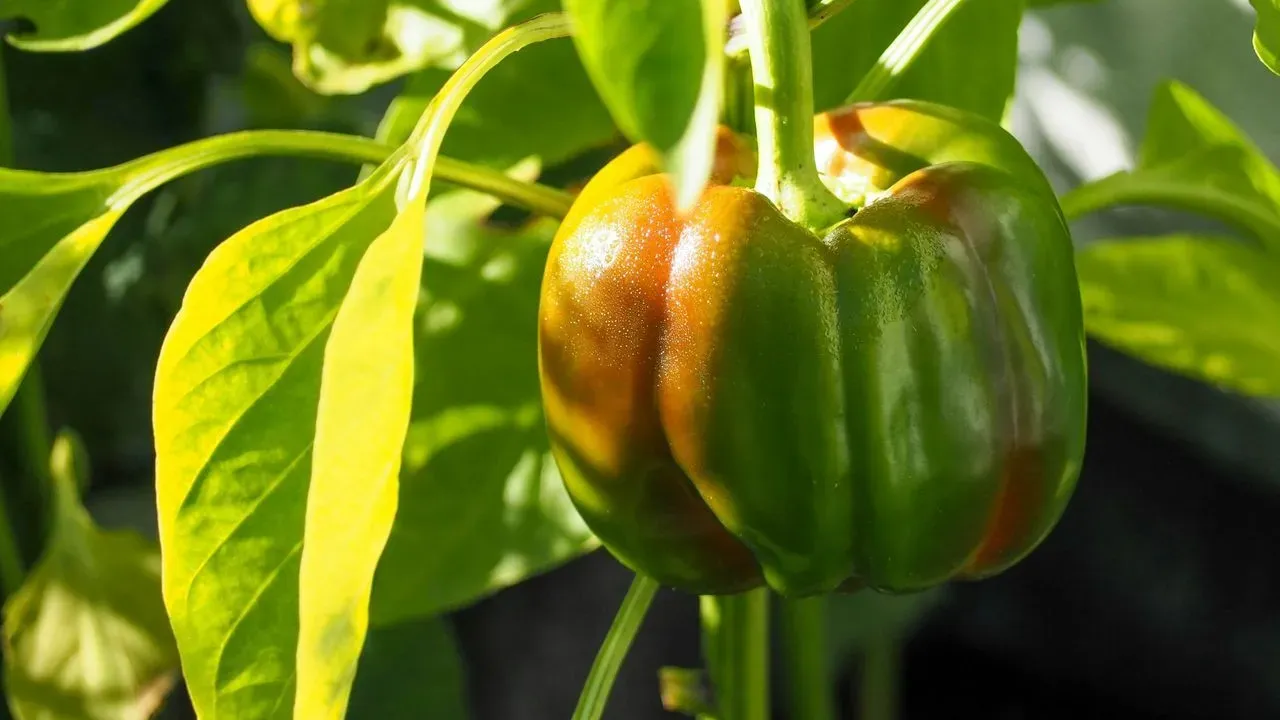

Gardeners tending raised beds across the country often see pepper plants stall just as the season peaks. Jalapeño, poblano, and bell pepper varieties that looked promising in early summer can suddenly drop blossoms or show stressed foliage. The good news is that most setbacks trace to a handful of manageable causes that respond well to timely adjustments.
Blossom Drop Hits Hard in Heat
High daytime temperatures combined with dry spells frequently trigger blossom drop on pepper plants. When flowers fall before setting fruit, the plant conserves energy rather than pushing through unfavorable conditions. Inconsistent moisture levels make the problem worse because roots struggle to support new growth.
Apply a two-inch layer of organic mulch around the base to stabilize soil temperature and retain water. Water deeply once or twice a week so the top six inches of soil stay evenly moist without becoming soggy. If afternoon heat exceeds ninety degrees, provide temporary afternoon shade with lightweight cloth until temperatures moderate.
Yellowing Leaves Signal Nutrient or Water Issues
Leaves that turn pale or yellow often point to either overwatering or a lack of nitrogen and magnesium in the soil. Poor drainage can drown roots and block nutrient uptake, while sandy beds may leach minerals too quickly during heavy rains. Checking soil moisture before watering prevents both extremes.
Perform a simple soil test to confirm nutrient levels, then side-dress with a balanced organic fertilizer formulated for vegetables. Improve drainage by loosening compacted soil around the plants and adding compost. Remove only the most severely affected leaves to reduce stress while the plant recovers.
Stunted Growth Slows Everything Down
Pepper plants that remain small despite regular care usually face root restrictions, pest pressure, or compacted soil. Seedlings transplanted too early into cold ground can also stay undersized for weeks. In raised beds, repeated foot traffic or heavy rains sometimes create hardpan layers that limit root expansion.
Loosen the soil gently with a hand fork around the drip line and top-dress with aged compost to encourage new root development. Inspect the undersides of leaves for aphids or spider mites and treat with insecticidal soap if needed. Avoid high-nitrogen fertilizers that promote leafy growth at the expense of fruit.
Watch for Pests and Early Disease Signs
Common garden pests such as flea beetles and caterpillars chew holes in foliage and can transmit viruses. Fungal spots or wilting that spreads upward often indicate bacterial leaf spot or early blight, especially after periods of warm, wet weather. Early detection keeps problems from spreading through an entire bed.
Handpick visible insects in the morning when they move slowly. Rotate pepper plantings to a new location each year and remove plant debris at season’s end to reduce overwintering pathogens. Water at the base rather than overhead to keep foliage dry and less inviting to disease.
Key actions this week: Mulch and water consistently, test soil nutrients, inspect for pests daily, and provide shade during heat spikes.
With these targeted steps, most pepper plants rebound within two to three weeks and resume setting fruit before the first fall frost. Consistent observation remains the best defense against recurring issues in future seasons.
AI Disclaimer: This article was created with the assistance of AI tools and reviewed by a human editor.