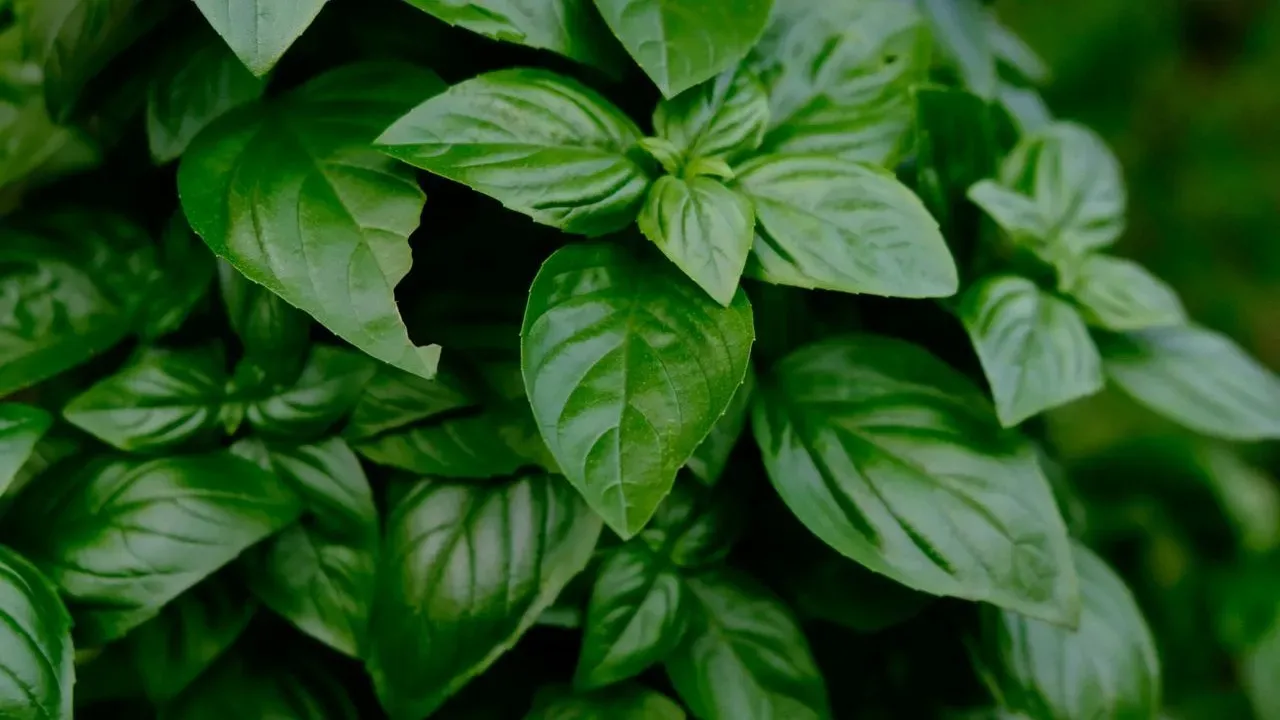

Gardeners across the country are wrapping up their summer crops as cooler weather sets in. Many overlook the potential in flowering basil plants that remain in beds and containers. Allowing those plants to finish their cycle can yield a supply of seeds for the following year without additional purchases. ([1])
Why Saving Seeds Pays Off
Basil grown in a specific location often adapts to local conditions over time. Seeds collected from those plants tend to produce offspring better suited to the same soil, climate, and pest pressures. This selective process strengthens future crops without relying on commercial varieties each spring.
The financial benefit adds up quickly for regular growers. Purchasing new seed packets annually can be avoided, freeing budget for other garden needs. Over multiple seasons the practice builds a reliable, home-adapted supply that performs consistently.
Selecting Suitable Plants and Varieties
Only the healthiest basil plants should supply seed. Stunted growth or signs of disease such as bacterial leaf spot or fusarium wilt make those plants unsuitable, as problems can pass to the next generation. Choosing vigorous specimens improves the odds of strong starts the following year.
Heirloom and open-pollinated types remain true to their characteristics when isolated properly. Hybrid varieties, however, produce offspring that revert to parent traits and lose specific bred qualities like disease resistance. Spacing different basil types at least 150 feet apart or using barriers prevents unwanted cross-pollination.
Harvesting at the Right Moment
Basil typically bolts once flower stalks develop and turn brown in late summer or early fall. The tiny podlike structures along those stalks contain the seeds. Cutting the dried stalks and hanging them upside down in paper bags allows the seeds to release naturally as they finish drying.
This passive method reduces the chance of collecting immature seeds. Bundles should be labeled clearly if multiple varieties are being saved. The process requires patience but yields cleaner results than shaking or forcing seeds from the heads.
Processing and Long-Term Storage
Once seeds drop into the bags, they need separation from dried leaves and stems. A mesh strainer over a bowl works well for larger batches, with newspaper spread underneath to catch any spills. Clean, dry seeds are then ready for storage.
Glass jars with tight lids, preferably amber-colored to limit light exposure, keep seeds viable. Adding food-grade desiccant packets controls moisture. Stored in a cool, dark, low-humidity spot, the seeds can remain usable for several years, though germination rates gradually decline.
Gardeners who test a small sample on a moist paper towel before planting can confirm viability. This simple step prevents disappointment when sowing begins again in spring.
AI Disclaimer: This article was created with the assistance of AI tools and reviewed by a human editor.