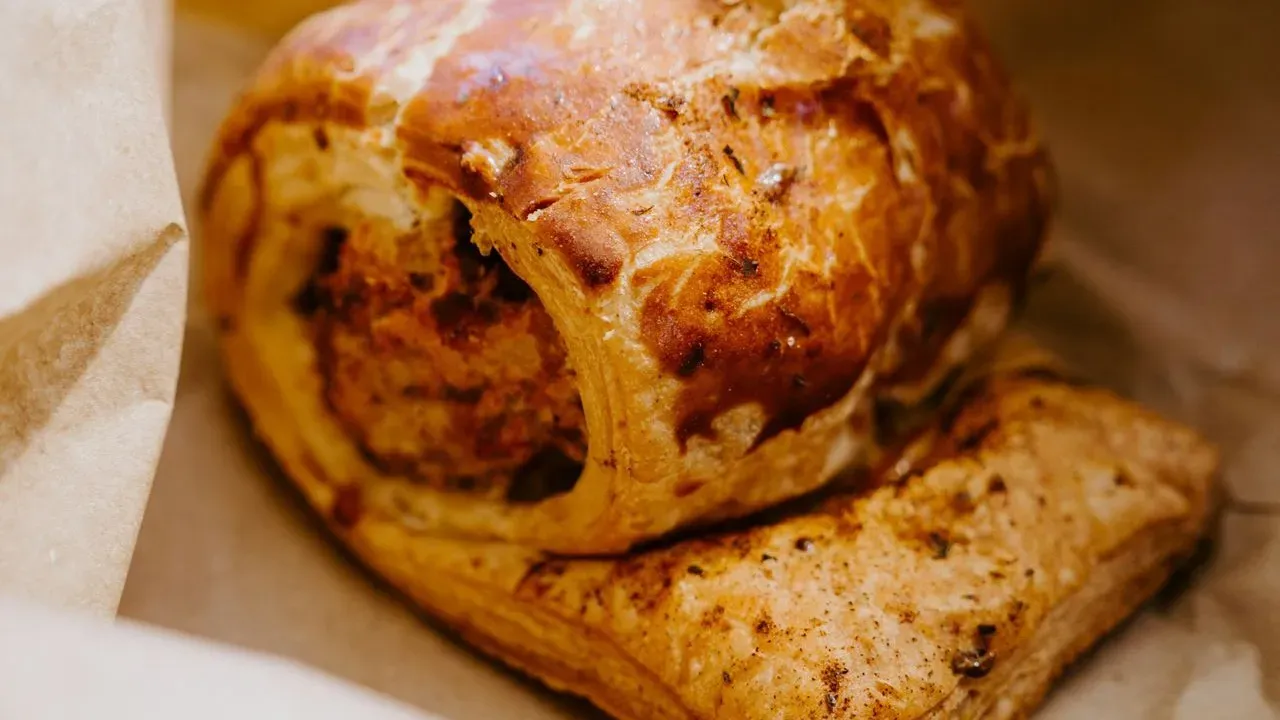

Alabama residents and frozen-food enthusiasts across the country can once again find Sister Schubert’s Sausage Wrap Rolls on supermarket shelves this holiday season. The product’s five-year absence prompted thousands of customers to petition the company, contact executives and even enlist the state governor in their effort to restore the smoked sausage wrapped in soft Parker House dough. Their persistence highlights how a simple convenience item can generate lasting loyalty when removed from the market.
The Petition and Corporate Response
The rolls disappeared in 2021 when the company shifted focus to sausage pinwheels. Customers responded with organized complaints on social media, direct emails and a Change.org petition that gathered nearly 16,000 signatures. Many described missing the item at holiday breakfast tables and family gatherings. Alabama Gov. Kay Ivey raised the issue at a business conference this summer, asking a Marzetti executive when the rolls would return. The sustained pressure produced results. Sister Schubert’s confirmed the original format would be available again in time for the holidays, demonstrating how consumer advocacy can influence product decisions at large food companies.
Global Expressions of the Same Idea
The appeal of sausage encased in dough extends far beyond one American brand. Similar preparations appear in multiple cuisines, each adapting local breads and sausages to the same basic concept. – Korean sausage-ppang offers a sweet-savory balance in soft bread.
– Brazilian enroladinho de salsicha provides a portable snack often found at parties.
– Danish pølsehorn features a horn-shaped pastry around a frankfurter.
– Texas klobasnek combines Czech sausage traditions with Southern baking. These examples show the format travels easily across cultures while remaining recognizable as a compact, self-contained meal or appetizer.
Everyday Convenience Meets Occasional Luxury
The same structure serves both routine and special occasions. Shoppers can grab a version from a Japanese supermarket bakery or a Chinese milk-bread hot dog near home. At the other end of the spectrum, a Chicago-dog croissant collaboration once appeared on a high-end menu for $28, complete with traditional toppings tucked into the dough. The adaptability explains part of the staying power. A basic smoked sausage needs little alteration whether it sits beside mustard at a weekday breakfast or receives a more refined presentation at an event. The dough itself shifts from simple rolls to enriched or laminated varieties without changing the core satisfaction of bread attached to sausage.
Practical Lessons for Food Producers
The episode illustrates the risks of discontinuing items that occupy a quiet but meaningful place in consumers’ routines. Once the rolls vanished, their absence created a measurable gap that petitions and public statements eventually filled. Stakeholders ranging from individual shoppers to state officials became involved because the product carried emotional weight tied to holidays and family traditions. Companies monitoring similar feedback may weigh the cost of removal against the effort required to reverse course later. The return of the rolls shows that some comfort foods retain enough support to reappear when demand remains consistent over time.
AI Disclaimer: This article was created with the assistance of AI tools and reviewed by a human editor.